
If you want to support heavier flowering, better fruit development, and healthier-looking plants, BioBizz Bio·Bloom is a product worth considering.
I like it because it is designed specifically for the flowering stage and fits naturally into an organic-style feeding routine.
After using bloom nutrients, I found that consistency mattered more than simply adding more fertilizer.
If you want an easy-to-use flowering supplement that works alongside a broader plant-feeding program, I think Bio·Bloom is worth buying.
My First Experience With BioBizz Bio·Bloom
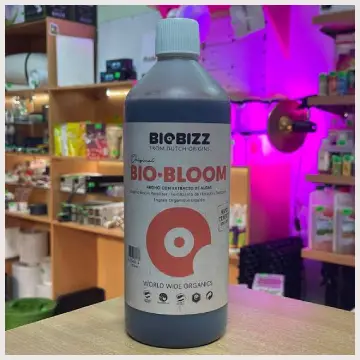
My first impression of Bio·Bloom was that it felt straightforward rather than complicated.
When I started using a bloom-focused nutrient, I wanted something that would support flowering without forcing me to completely change the way I cared for my plants.
I used Bio·Bloom during the flowering stage and paid close attention to the plants’ overall appearance, flowering development, leaf condition, and how they responded after feeding.
What I noticed first was that the product was easy to incorporate into my regular watering routine. I did not need a complicated application process.
The biggest thing I learned was that more is not automatically better. I initially thought that increasing nutrients might encourage faster flowering, but plants don’t work that way.
I found better results when I followed a measured feeding schedule and watched how the plants responded.
Bio·Bloom is intended to provide nutrients that plants need during flowering and fruit production. That makes sense because flowering plants have different nutritional priorities compared with plants that are mainly producing leaves and stems.
During use, I focused on consistency. I mixed the nutrient carefully, avoided randomly increasing the dosage, and kept an eye on moisture levels.
The plants appeared to handle the feeding routine well when I kept everything balanced.
I also liked the fact that Bio·Bloom can fit into a broader organic growing approach. For me, that was important because I prefer a feeding routine that feels natural rather than one that involves throwing several unrelated products into the watering can.
The flowering stage is where I personally became more careful. Once buds or flowers started developing, I wanted to avoid unnecessary stress. Instead of treating Bio·Bloom as a magic solution, I viewed it as one part of the overall growing routine.
That distinction matters. A bloom nutrient cannot compensate for poor lighting, incorrect watering, unsuitable temperatures, unhealthy roots, or inadequate growing conditions.
My experience was therefore positive, but I would describe Bio·Bloom as a supportive flowering nutrient rather than a miracle product. When the fundamentals were already in place, it made sense as part of my feeding routine.
Pros Of BioBizz Bio·Bloom
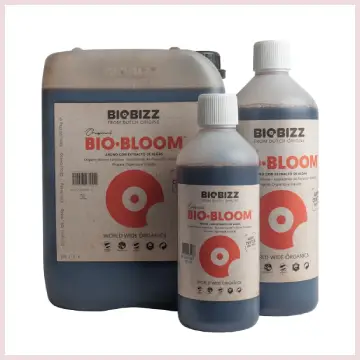
- Designed Specifically For Flowering
One of the biggest advantages I see is the product’s flowering-focused purpose.
When I’m growing flowering plants, I don’t necessarily want to rely on one generic fertilizer throughout the entire growing cycle. A flowering nutrient gives me a way to adjust the feeding routine when the plant’s needs change.
Bio·Bloom is designed around that flowering stage, making it easier for me to organize my feeding schedule.
- Easy To Incorporate Into A Routine
I prefer gardening products that don’t turn every watering session into a complicated project. Bio·Bloom fits relatively easily into a regular nutrient routine.
I can measure the appropriate amount, mix it properly, and apply it according to the feeding plan.
For me, that simplicity is valuable. The easier a routine is to follow consistently, the less likely I am to make random changes.
- Suitable For Organic-Style Growing
Another advantage is its place within organic-style cultivation.
If you prefer organic gardening methods, Bio·Bloom can be an appealing option because it is designed with that type of growing approach in mind.
I particularly like this when I’m trying to keep my feeding program relatively cohesive instead of mixing products from completely different philosophies.
- Supports Flower And Fruit Development
The primary reason I would purchase a bloom nutrient is to support plants when they are producing flowers or fruit.
Bio·Bloom is intended for this stage, so it makes sense when your main goal is maintaining nutritional support during flowering.
I wouldn’t claim that any bloom nutrient automatically produces huge flowers. Plant genetics and growing conditions still play major roles. But appropriate nutrition can help a healthy plant perform closer to its potential.
- Works As Part Of A Larger Feeding Program
I don’t view Bio·Bloom as a standalone solution. I like it more as one component of a complete feeding routine.
That gives me flexibility.
Depending on the plant and growing medium, I can build a broader nutritional plan around the flowering stage instead of expecting one product to handle everything.
- Encourages A More Structured Approach
Using a flowering nutrient also made me more disciplined.
Rather than feeding randomly, I began thinking more carefully about when the plant was entering flowering, how frequently I was watering, and how the plant responded.
That structured approach can be just as valuable as the nutrient itself.
- Useful For Different Types Of Flowering Plants
Another positive feature is its general usefulness for flowering plants. I don’t have to think of it as a product that belongs to only one specific plant.
Depending on the crop and growing system, a bloom-oriented nutrient can fit into routines for flowers, fruiting plants, and other plants that have a defined flowering period.
Cons Of BioBizz Bio·Bloom
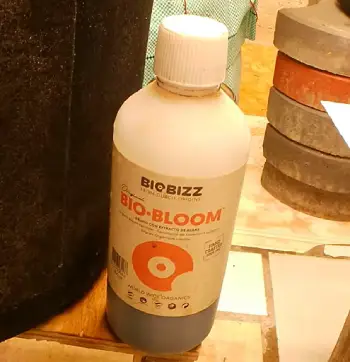
- It Isn’t A Miracle Flower Booster
This is probably the most important limitation.
If your plant is struggling because of poor lighting, root problems, improper watering, temperature stress, or an unsuitable growing medium, Bio·Bloom won’t magically fix everything.
I always recommend looking at the entire growing environment before blaming the nutrient.
- Requires Proper Dosage
More fertilizer does not necessarily mean more flowers.
If I use too much nutrient, I can create unnecessary stress instead of improving plant health. That’s why measuring the product and following an appropriate feeding schedule is important.
- Results Depend On Plant Conditions
Your results may differ from mine.
A healthy plant growing in suitable conditions can respond very differently from a stressed plant. Genetics, soil, light, watering habits, temperature, and other nutrients all influence flowering.
Therefore, I would judge Bio·Bloom based on how it fits your complete growing routine rather than expecting identical results every time.
- May Not Be Enough By Itself
Bio·Bloom is a flowering nutrient, not necessarily a complete growing solution for every situation.
Depending on your growing medium and plant, you may need other nutrients or amendments to maintain balanced nutrition.
I would rather build a sensible program than assume one bottle can cover every nutritional requirement.
- Requires Consistency
If you feed your plants inconsistently, you may have difficulty determining whether the product is helping.
I found that keeping the routine steady made it easier to observe changes.
Maintenance Tips For BioBizz Bio·Bloom

- Start With Healthy Plants
Before I add any bloom nutrient, I make sure the plants are already in reasonable condition.
If leaves are severely damaged, roots are unhealthy, watering is inconsistent, or the plant is suffering environmental stress, I address those problems first.
Healthy plants generally give me a much clearer picture of how a nutrient is performing.
- Follow A Measured Feeding Routine
I never recommend guessing the dosage.
I measure the product carefully and follow the instructions appropriate for my growing setup.
This is especially important because different plants and growing mediums can respond differently to nutrients.
- Don’t Overfeed
This is one of my biggest lessons.
When I first became interested in bloom nutrients, it was tempting to think that more nutrition would automatically mean better flowers. In practice, overfeeding can create problems.
If your plant shows signs of nutritional stress, don’t simply add more nutrients because you’re hoping to push flowering faster.
- Watch The Leaves
Your plants can tell you a lot.
I regularly inspect leaf color, texture, posture, and overall growth. Sudden changes can indicate problems with watering, nutrition, light, temperature, or roots.
I don’t diagnose every issue based on one symptom, but visual observation helps me catch problems early.
- Keep Watering Consistent
Nutrients cannot compensate for poor watering habits.
I try to avoid both extremes: keeping the growing medium constantly saturated and allowing plants to become severely dehydrated.
The right watering approach depends on the plant, container, growing medium, temperature, humidity, and other conditions.
- Pay Attention To The Growing Medium
Your soil or growing medium influences how nutrients behave.
Organic-style growing can depend heavily on microbial activity, moisture balance, and the overall condition of the growing medium.
I therefore avoid treating the nutrient as an isolated product. I think about what is happening around the roots too.
- Store The Product Properly
I keep nutrient products in a suitable storage area away from excessive heat, direct sunlight, and unnecessary moisture.
Keeping the container properly closed also helps maintain product quality.
It is a simple step, but good storage prevents avoidable problems.
- Clean Your Measuring Equipment
I like keeping my measuring tools clean.
If old nutrients remain in a measuring spoon or container, they can contaminate the next mixture. Cleaning equipment takes very little time and keeps my routine more controlled.
Comparison Of BioBizz Bio·Bloom With Other Bloom Nutrients
- BioBizz Bio·Bloom Vs General-Purpose Fertilizers
A general-purpose fertilizer is designed to provide broader nutritional support, while Bio·Bloom has a more specific flowering role.
If I’m growing leafy plants, a general fertilizer may make more sense. But when flowers or fruit become the main priority, I prefer having a nutrient designed around that stage.
The biggest difference is therefore specialization.
- BioBizz Bio·Bloom Vs Synthetic Bloom Formulas
Synthetic bloom nutrients often appeal to growers who want highly controlled mineral nutrition and precise feeding.
Bio·Bloom is more attractive to me when I’m aiming for an organic-style approach.
Neither category is automatically perfect for every grower. Your growing method, medium, experience, and personal preference matter.
- BioBizz Bio·Bloom Vs Other Organic Bloom Products
Other organic bloom nutrients can serve a similar purpose, so the choice often comes down to formulation, feeding philosophy, availability, plant response, and how well the product fits with the rest of your nutrient program.
I like Bio·Bloom because it can be incorporated into a broader organic-style routine without making the process unnecessarily complicated.
Who Should Buy BioBizz Bio·Bloom?
I think Bio·Bloom makes the most sense for growers who want a flowering-focused nutrient and prefer an organic-style feeding approach.
It can also be useful if you want to separate vegetative and flowering nutrition instead of using exactly the same fertilizer throughout the plant’s entire life cycle.
I would be more cautious if you’re completely new to plant nutrition and haven’t established basic watering, lighting, and environmental practices yet.
Get those fundamentals under control first.
Is BioBizz Bio·Bloom Worth It?
After looking at its purpose, ease of use, advantages, and limitations, I think Bio·Bloom is a worthwhile option for the right grower.
What I like most is its straightforward purpose. It isn’t trying to be everything at once. It is focused on flowering nutrition.
That makes it easier for me to understand where it belongs in my routine.
The important thing is to keep expectations realistic. If you’re expecting a bloom nutrient to transform an unhealthy plant overnight, you’ll probably be disappointed.
If your plants are already healthy and you’re looking for nutritional support during flowering, however, Bio·Bloom makes considerably more sense.
Which One Would I Choose?
If I wanted a straightforward bloom nutrient that fits an organic-oriented growing system, Bio·Bloom would be one of the options I would consider.
If I wanted extremely precise mineral control, I might prefer a different type of formulation.
The right choice depends less on hype and more on whether the nutrient matches the way you grow.
Frequently Asked Questions (FAQ)
Yes, a suitable bloom nutrient can support flowering, but results depend heavily on plant health and growing conditions.
It isn’t instant. Plants generally need time to absorb nutrients and show visible changes.
Mix and apply it according to the product’s recommended feeding directions and your plant’s growth stage.
Generally, bloom nutrients are introduced when the plant transitions into its flowering stage, following the feeding schedule for your specific plant.
Wrapping Up
After considering my experience, I see BioBizz Bio·Bloom as a practical choice for growers who want dedicated flowering nutrition without making their routine unnecessarily complicated.
I like its flowering-focused purpose, organic-style positioning, and ability to fit into a broader feeding program.
Just remember that healthy roots, proper watering, light, and environmental control still matter. If you’re ready to support your flowering plants with a dedicated bloom nutrient, I believe Bio·Bloom is worth buying and adding to a carefully managed growing routine.
Recent Posts
I tried Meltoway Hair Dissolving Cream because I wanted a quick way to deal with unwanted body hair without reaching for a razor every few days. If you are looking for a convenient at-home...
If you’re considering a saffron-based supplement to support mood, appetite control, and everyday wellness, Happy Saffron Plus is worth considering.I like that it takes a familiar botanical...