
If you’re thinking about buying Airwaav nasal strips to improve breathing, sleep, or athletic performance, I understand why—they sound promising. I was curious too and gave them a fair shot.
But before you spend your money, you deserve a real, honest perspective.
In this review, I’ll walk you through my personal experience, the pros and cons, and whether they truly live up to the claims so you can decide if they’re worth it.
My Personal Experience With Airwaav Nasal Strips
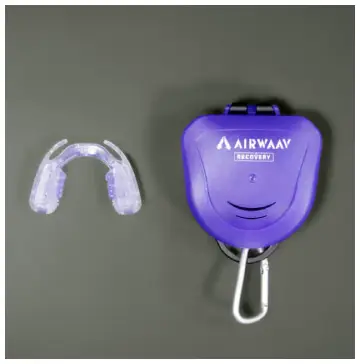
I went into using Airwaav nasal strips with fairly high expectations. Like many of you, I struggle with occasional nasal congestion, especially at night, and I was hoping for something simple that could improve airflow without medication.
The idea of a strip physically opening my nasal passages sounded practical and easy.
The first night I used them, I did notice a slight difference. When I applied the strip properly, it gently lifted the sides of my nose, and I could feel a bit more airflow.
It wasn’t dramatic, but it was noticeable enough to give me some initial hope. I remember thinking, “Okay, maybe this actually works.”
However, that optimism didn’t last very long.
Over the next few nights, I started noticing inconsistencies. Some nights, the strip would stick well and give mild support.
Other nights, it would peel off midway through the night, especially if my skin had even a little oil or sweat. If you’re someone who moves around in sleep like I do, that becomes frustrating quickly.
Another issue I experienced was comfort. While the strip isn’t painful, you’re definitely aware that something is on your nose. It’s not something you forget about easily, especially if you’re sensitive to external pressure or adhesives.
I also tried using it during light workouts to see if it improved breathing during physical activity. Honestly, I didn’t notice any meaningful difference.
My breathing felt pretty much the same, which was disappointing given the product’s claims around performance.
Over time, I realized that whatever benefit I was getting was minimal and inconsistent.
It didn’t solve my breathing issues, didn’t improve my sleep quality in a noticeable way, and became more of a hassle than a solution.
So while my initial impression was cautiously positive, my long-term experience was underwhelming.
How Airwaav Nasal Strips Work?
Airwaav nasal strips are designed to mechanically open your nasal passages. They use a flexible band that sticks across the bridge of your nose. When applied, the strip gently pulls outward on the sides of your nostrils.
This creates more space inside your nasal passages, allowing air to flow more freely. In theory, this can help with:
- Reducing nasal congestion
- Improving breathing during sleep
- Minimizing snoring
- Enhancing airflow during exercise
The concept itself isn’t new. Similar products have been around for years, and they rely on the same basic mechanism—external nasal dilation rather than internal medication.
The problem isn’t the concept. It’s the execution and consistency.
Pros Of Airwaav Nasal Strips

- Noticeable opening of nasal passages right away
When the strip goes on correctly, you feel it instantly. Those flexible bands pull the sides of your nose outward and create more space for air to flow.
I noticed this most during the first few breaths after application. If you are someone who gets that collapsed-nostril sensation when you inhale hard, this can feel like a relief.
You might find yourself nasal breathing longer during cardio without switching to your mouth.
- Potential boost for workouts and light activity
On days when everything aligned – dry skin, no allergies acting up – the strips helped me push a little harder in the gym.
My perceived effort dropped just enough that I could squeeze out one or two extra reps or hold a faster pace on the treadmill.
You could tell the difference if you are an athlete who already trains nasal breathing. It is not magic, but it can give you that small edge when you are already close to your limit.
- Easy to apply and no special tools needed
You do not need mirrors or instructions beyond the basic peel-and-stick. I could do it in the car before a run or right before bed in the dark.
The material is thin and flexible, so it conforms to most nose shapes without looking too bulky.
For quick use before a game or training session, this simplicity works in your favor.
- May help reduce mild snoring from nasal congestion
If your snoring comes mostly from stuffy nostrils rather than throat issues, you might notice quieter nights. My wife reported a slight drop in volume on the better nights
It is not a cure, but for occasional congestion, it can make the bedroom a bit more peaceful for your partner.
Cons Of Airwaav Nasal Strips
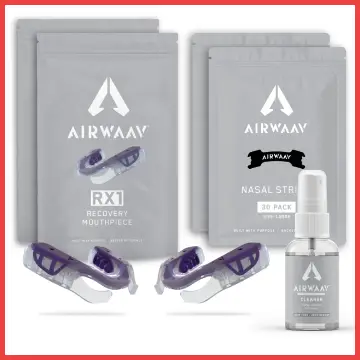
- Adhesive fails during sweat or movement
This was my biggest frustration. The strips start strong but lose their stickiness fast when you sweat, which happens in almost every workout I do.
I had multiple strips curl up or fly off mid-exercise, forcing me to stop and fix them. If you are active or live in a humid climate, you will likely run into the same problem.
It turns a simple breathing aid into an annoying interruption.
- Skin irritation and redness are common
After a few nights of sleep use, my nose looked like I had been in a minor fight. The adhesive left red welts and itchy patches that lasted into the next day.
I have sensitive skin, but even friends with normal skin who tried them reported the same thing.
Removing them gently still tugged at the skin, and over time it made me dread putting them on.
- High cost for single-use strips
At roughly a dollar per night, these add up quickly. You get 30 in a pack, but when half of them underperform because of adhesion issues, you are paying premium prices for inconsistent results.
Other brands offer similar function for less, and the value just is not there once you factor in the waste from failed applications.
- Minimal long-term or dramatic results
After the initial wow factor wore off, the benefits felt smaller each time.
My sleep tracking data showed only tiny improvements in deep sleep minutes, and my workout metrics barely moved after the first week.
For anyone expecting a life-changing fix for snoring or performance, these strips fall short. The effect is temporary and does not address root causes like allergies or structural nose problems.
- Mixed feedback across ecommerce platforms matches my experience
Plenty of buyers online echo what I saw – some love the initial lift, but many complain about the same irritation, peeling, and lack of staying power.
It makes you wonder if the hype matches reality for most people.
Tips For Airwaav Nasal Strips
- Clean Your Skin Properly Before Use
One thing I learned quickly is that application matters a lot. If your nose isn’t clean and dry, the strip won’t stick properly.
Before applying, wash your face and make sure there’s no oil, sweat, or moisturizer on your nose. This improves adhesion, although it doesn’t completely solve the problem.
- Apply the Strip Correctly
Placement is key. If you don’t position the strip properly across the bridge of your nose, it won’t create the lifting effect.
Take a moment to align it carefully. Press it down firmly and hold it in place for a few seconds to help it stick better.
- Avoid Excessive Movement After Application
If you’re using it before sleep, try to apply it right before lying down. Moving around too much after application can loosen the adhesive.
For workouts, this becomes tricky because sweat and movement naturally reduce effectiveness.
- Don’t Expect Long-Term Durability
These are single-use products. Once you remove a strip, you can’t reuse it effectively.
That means ongoing cost, which adds up over time. If you’re planning to use them daily, keep that in mind.
- Store Them Properly
Keep the strips in a cool, dry place. Exposure to heat or humidity can weaken the adhesive before you even use them.
While this won’t fix the core issues, it can at least help you get the best possible performance from each strip.
Comparison Airwaav Nasal Strips With Other Brands
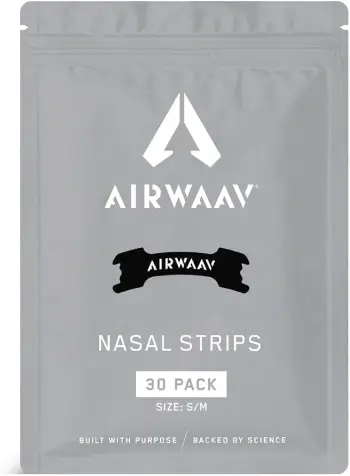
- Airwaav Nasal StripsVersus Breathe Right Nasal Strips
When I compared Airwaav to more established options like Breathe Right, the difference in reliability became clear.
Breathe Right strips tend to have stronger adhesive and more consistent performance.
Airwaav feels like it’s trying to position itself as a premium or performance-focused option, but in real use, it doesn’t outperform the more established alternative.
- Airwaav Nasal Strips Versus Generic Pharmacy Brands
Even some generic nasal strips available at local pharmacies offer similar or better performance at a lower cost.
In my experience, Airwaav doesn’t justify its price when compared to these simpler options. You’re not getting a noticeable upgrade in quality or results.
- Airwaav Nasal Strips Versus Nasal Dilators
Internal nasal dilators, which sit inside your nostrils, often provide a more noticeable improvement in airflow.
They may not be as convenient or comfortable for everyone, but in terms of effectiveness, they tend to outperform external strips like Airwaav.
- Airwaav Nasal Strips Versus Medical Solutions
If you’re dealing with real breathing issues, medical solutions such as nasal sprays, antihistamines, or consultation with a specialist will be far more effective.
Airwaav doesn’t address underlying causes—it only provides a temporary, surface-level fix.
Also Read: Is Novalift Eye Patch Worth It?
Frequently Asked Questions (FAQ)
From my testing and what I have seen in other user reports, AIRWAAV nasal strips do not treat sleep apnea. They might help if your apnea is partly caused by nasal congestion making you breathe through your mouth, but they cannot fix the throat collapse that defines actual sleep apnea. I wore them every night for weeks and still had moments where my breathing paused. If you suspect sleep apnea, see a doctor for a proper sleep study instead of relying on strips. They are not a medical solution for that condition.
Some people get real benefits, especially if their main issue is nostrils that cave in during breathing. I felt a clear difference in airflow right after applying them, and it helped me nasal-breathe longer during workouts. But the results are not dramatic or consistent for everyone. On bad skin days or sweaty sessions, they barely worked at all. They work best as a temporary aid for mild congestion, not as an everyday miracle fix.
No, AIRWAAV nasal strips are not FDA approved in the way prescription drugs or certain medical devices are. They are sold as an over-the-counter wellness product, similar to other nasal strips on the market. I checked their site and packaging and saw no FDA clearance claims specifically for treating any condition. Always double-check current labeling if this matters to you.
They use flexible spring-like bands built into the strip. When you apply it across the bridge of your nose and press the wings down, those bands try to spring back to their original shape. That gentle outward pull lifts the sides of your nostrils and opens the nasal passages mechanically. No chemicals, no magnets – just simple physics creating more room for air to flow. The effect is instant but only lasts while the strip stays stuck.
Wrapping Up
After using Airwaav nasal strips consistently, I can’t recommend them.
While the idea is sound and there are moments of mild effectiveness, the overall experience is too inconsistent to justify the cost. Between adhesive issues, limited results, and better alternatives available, this isn’t a product I’d suggest spending your money on.
If you’re serious about improving breathing or sleep quality, you’re better off exploring more reliable options or consulting a professional.
Recent Posts
● Interactive 5-Zone Interior & Exterior Paint Blueprint Paint Coverage Calculator: Gallons, Primer, Square Footage & Cost Tap any architectural surface zone on the blueprint...
If you want smooth, shiny hair without spending a fortune on a premium styling tool, the Ella Bella hair dryer may be worth considering.In these Ella Bella hair dryer reviews, I’ll look...