
Finding a protein bar that tastes good, contains quality ingredients, and keeps you satisfied isn’t always easy.
That’s why ALOHA Protein Bars caught my attention. Made with plant-based protein, organic ingredients, and no artificial sweeteners, they offer a convenient option for people seeking a more balanced snack.
If you want a dairy-free protein bar with a satisfying texture and relatively simple ingredients, I think ALOHA deserves a place on your shopping list.
My First Experience With ALOHA Protein Bars
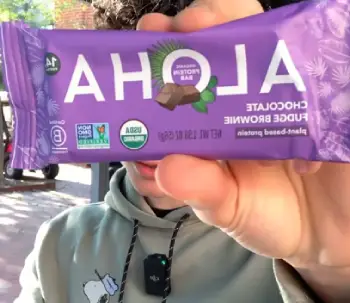
When I evaluate a protein bar, I look beyond the protein number on the packaging. Taste, texture, ingredients, sweetness, convenience, and how well it satisfies hunger all matter.
ALOHA Protein Bars caught my interest because they aim to combine plant-based nutrition with the convenience of an everyday snack.
One of the first things I appreciate about this product is its plant-based protein blend. Depending on the flavor, ALOHA bars typically use ingredients such as brown rice protein and pumpkin seed protein.
This combination makes them appealing to people who avoid dairy-based protein products or simply want more plant-based options in their diets.
The flavor selection is another attractive feature. ALOHA offers options such as Chocolate Chip Cookie Dough, Peanut Butter Chocolate Chip, Chocolate Fudge Brownie, and other dessert-inspired varieties.
I like the idea of enjoying something that resembles a sweet treat while getting additional protein and fiber.
Texture is particularly important to me. Some protein bars are so dry and chewy that finishing one feels like a chore.
ALOHA bars generally aim for a softer, more satisfying bite, although the experience can differ depending on the flavor and personal preference. Their combination of protein ingredients, nut butters, and other plant-based components helps create a more substantial snack.
I also pay attention to sweetness. ALOHA uses ingredients such as organic coconut sugar and other naturally derived ingredients rather than relying on artificial sweeteners. That doesn’t automatically make every bar low in sugar, but it gives the product a different ingredient profile from many conventional protein snacks.
Another thing I appreciate is the convenience. I can imagine keeping one in my work bag, gym bag, or kitchen cupboard for moments when preparing a proper snack isn’t practical. It can help bridge the gap between meals, particularly when I’m busy.
However, I wouldn’t treat ALOHA bars as complete meal replacements. Even when a protein bar contains fiber and healthy fats, it doesn’t provide the full nutritional variety of a balanced meal.
Overall, my assessment is that ALOHA offers an appealing combination of plant-based protein, convenient packaging, and dessert-inspired flavors. Its biggest selling point is that it makes a protein-focused snack feel less like a nutritional obligation and more like something I would genuinely enjoy eating.
Also Read: Is Pascha Organic Dark Chocolate Bar Worth It?
Pros Of ALOHA Protein Bars

- Plant-Based Protein Sources
One of the strongest advantages of ALOHA Protein Bars is their plant-based protein content.
Many traditional protein bars depend on whey, milk protein, or other dairy-derived ingredients. ALOHA offers an alternative for people following vegan or dairy-free eating patterns.
Its protein blends commonly include brown rice and pumpkin seed protein. These ingredients provide protein without requiring animal-derived components.
I consider this particularly useful if you’re trying to reduce your reliance on dairy products or want more variety in your protein sources.
Plant-based protein bars can also make it easier to maintain a convenient snack routine when you’re traveling, working, or spending long hours away from home.
However, remember that plant-based doesn’t automatically mean nutritionally superior. You should still evaluate the protein amount, calorie content, fiber, sugar, and ingredients.
- Organic Ingredients
Another appealing feature is ALOHA’s emphasis on organic ingredients.
Depending on the flavor, the bars may contain organic nuts, coconut sugar, brown rice protein, and other plant-derived components.
For consumers who prefer products made with organic ingredients, this is an important selling point.
I also appreciate that the brand doesn’t position its bars simply as protein-packed candy. The ingredient selection reflects an effort to create a snack that fits into a more balanced eating pattern.
Still, organic certification doesn’t automatically make a food healthier. Portion size and nutritional composition remain important.
- Good Protein Content for Everyday Snacking
Protein is essential for maintaining and repairing body tissues. It also contributes to satiety, which means protein-containing snacks may help you feel satisfied between meals.
With approximately 14 grams of protein in many standard ALOHA bars, you get a meaningful amount in a convenient package.
I find this particularly useful for people who have difficulty incorporating enough protein into their daily routines.
For example, you might enjoy one after a workout, during a busy afternoon, or alongside fruit when you need something more substantial than a regular snack.
However, your total daily protein needs depend on your body size, activity level, age, and individual health goals.
- Fiber Supports Digestive Health
Fiber is another reason ALOHA deserves attention.
Many standard varieties provide around 10 grams of fiber per bar, although you should check the specific flavor’s nutrition label.
Fiber contributes to digestive health, supports regular bowel movements, and can help you feel fuller for longer.
I particularly like seeing fiber included in a protein snack because many conventional bars focus heavily on protein while providing relatively little dietary fiber.
However, eating a large amount of fiber at once may cause bloating, gas, or digestive discomfort, especially if your regular diet is relatively low in fiber.
If you’re new to high-fiber snacks, start with smaller portions and drink enough water.
- Dessert-Inspired Flavors
Let’s be honest: nutrition isn’t the only thing that matters when choosing a protein bar.
If something tastes unpleasant, you’re unlikely to enjoy eating it regularly.
ALOHA offers dessert-inspired flavors that make the product more appealing to people who enjoy chocolate, peanut butter, and cookie-style snacks.
I like that the brand attempts to create a balance between sweetness and nutritional value.
The bars can satisfy a craving for something sweet without requiring you to reach for a conventional candy bar every time.
Of course, taste is subjective. Some people may enjoy the sweetness and texture, while others might prefer a less sweet or crunchier protein bar.
Cons Of ALOHA Protein Bars
- Relatively Expensive

One of the biggest disadvantages is the price.
Specialty protein bars made with organic and plant-based ingredients can cost more than conventional snack bars.
If you eat one every day, the expense can become noticeable over time.
I would recommend comparing the cost per bar with other protein snacks before committing to a large purchase.
- Texture May Not Suit Everyone
Some people prefer crunchy protein bars, while others enjoy soft and chewy varieties.
ALOHA’s texture may not appeal to everyone, particularly if you dislike dense plant-based protein snacks.
Flavor selection also matters because ingredients such as nut butter and chocolate can influence the overall consistency.
- Sugar and Calories Still Matter
Even though ALOHA emphasizes plant-based ingredients, these bars still contain calories, carbohydrates, and naturally derived sugars.
Coconut sugar is still sugar.
If you’re following a low-sugar eating plan or carefully monitoring your calorie intake, you should examine the nutrition label rather than relying on marketing claims.
- Possible Digestive Discomfort
The relatively high fiber content can be a disadvantage for people who aren’t accustomed to eating fiber-rich foods.
Some varieties contain added fibers that may contribute to gas or bloating in sensitive individuals.
If you notice digestive discomfort after eating one, consider reducing your portion or choosing another snack.
- Not a Complete Meal Replacement
ALOHA bars are convenient, but they don’t provide everything your body needs from a complete meal.
They generally lack the nutritional variety of a meal containing vegetables, fruits, whole grains, and other protein sources.
I would use them as occasional snacks rather than relying on them to replace breakfast, lunch, or dinner regularly.
Also Read: Is BulkSupplements Casein Protein Powder Worth It?
Maintenance Tips For ALOHA Protein Bars
- Store Them in a Cool, Dry Place
My first recommendation is to keep ALOHA bars in a cool, dry location.
A kitchen cupboard or pantry away from direct sunlight is generally suitable.
Heat can affect the consistency of chocolate coatings, nut butters, and other ingredients. Excessive moisture can also compromise the quality of packaged snacks.
I would avoid leaving them inside a hot vehicle or near cooking appliances.
- Keep the Original Packaging Intact
The original wrapper helps protect the bar from air, moisture, and outside contamination.
I recommend keeping each bar sealed until you’re ready to eat it.
If you open one and don’t finish it, transfer the remaining portion into an airtight food container or wrap it securely.
However, follow the package instructions regarding storage after opening.
- Check the Expiration or Best-Before Date
Before purchasing a multipack, check the best-before date.
This is especially important when buying several boxes at once or taking advantage of a discount.
I wouldn’t purchase more bars than I could reasonably consume before their recommended date.
Also, inspect the packaging for tears, damaged seals, or unusual signs of deterioration.
- Avoid Excessive Heat
Chocolate-based protein bars can become soft or messy when exposed to high temperatures.
If you carry ALOHA bars in your gym bag or backpack, try to keep them away from direct sunlight.
During hot weather, an insulated lunch bag may help protect their texture.
If a bar melts slightly, its texture may change even if the packaging remains sealed.
- Refrigerate When Necessary
Refrigeration isn’t usually necessary for unopened shelf-stable protein bars.
However, you may prefer a cooler texture, especially for chocolate-based varieties.
If you decide to refrigerate them, keep them properly sealed to prevent moisture absorption and unwanted odors.
Always follow the manufacturer’s storage instructions.
- Monitor Your Fiber Intake
One of the most important consumption tips is to pay attention to the fiber content.
If you’re not used to high-fiber snacks, eating a full bar immediately may cause digestive discomfort.
I recommend introducing it gradually and observing how your body responds.
Drinking enough water throughout the day can also support normal digestion.
- Pair the Bar With Other Nutritious Foods
Although ALOHA bars provide protein and fiber, I wouldn’t depend on them as my only source of nutrition.
You can pair a bar with fresh fruit, unsweetened yogurt, or another suitable snack to create a more varied eating experience.
For example, an apple and a protein bar can make a convenient afternoon snack.
If you follow a vegan diet, you might choose plant-based yogurt or another dairy-free option.
Comparison Of With Other Protein Bar Brands

- ALOHA vs. RXBAR
RXBAR is known for its relatively straightforward ingredient combinations, commonly featuring dates, egg whites, nuts, and natural flavor ingredients.
ALOHA takes a different approach by emphasizing plant-based protein and organic ingredients.
I would lean toward ALOHA if I wanted a vegan-friendly protein bar with a relatively high fiber content.
RXBAR may be more appealing if I preferred a fruit-and-nut-based texture and didn’t mind consuming egg whites.
Neither product is automatically healthier. Your dietary preferences and nutritional priorities should determine your choice.
- ALOHA vs. KIND Protein Bars
KIND is widely recognized for its nut-based snack bars.
Its protein-focused varieties often emphasize nuts and crunchy textures, which can appeal to people who enjoy a more traditional snack experience.
ALOHA, on the other hand, focuses more heavily on plant-based protein blends and dessert-inspired flavors.
If I wanted a softer protein bar with a vegan-friendly formulation, ALOHA would be worth considering.
If I preferred visible nuts and a crunchy bite, KIND might be more appealing.
- ALOHA vs. Quest Protein Bars
Quest Protein Bars are popular among consumers who prioritize high protein and lower net carbohydrate options.
They commonly use dairy-derived protein ingredients and sweeteners that differ from ALOHA’s ingredient approach.
ALOHA may be a better fit if you prefer plant-based ingredients and want to avoid dairy-based protein.
Quest may be more suitable if your primary goal is getting a higher amount of protein per bar.
I would compare the fiber, sugar, calorie, and sweetener content before choosing between them.
- ALOHA vs. ONE Protein Bars
ONE Protein Bars are particularly popular among people who want dessert-inspired flavors and a relatively high protein serving.
ALOHA shares that dessert-inspired appeal but emphasizes plant-based ingredients.
If you’re vegan or dairy-free, ALOHA may offer a more suitable option.
If you prioritize a higher protein amount and don’t mind dairy-derived ingredients, ONE bars may deserve consideration.
- ALOHA vs. Pure Protein Bars
Pure Protein offers a more traditional sports-nutrition approach, with many products emphasizing protein quantity and affordability.
ALOHA places greater emphasis on plant-based ingredients and organic positioning.
I would consider Pure Protein when budget and protein quantity are my main concerns.
ALOHA would be more appealing when ingredient preferences and dairy-free nutrition matter more.
Who Should Buy ALOHA Protein Bars?
I think ALOHA Protein Bars are worth considering for several types of consumers.
People following vegan diets may appreciate having a convenient protein source that doesn’t depend on dairy ingredients.
Busy professionals can benefit from keeping a few bars available for afternoons when preparing a proper snack isn’t practical.
Fitness enthusiasts may also find them useful for adding protein to their daily eating routine, particularly when they’re traveling or away from home.
People who enjoy chocolate, peanut butter, and other dessert-inspired flavors may appreciate the variety.
However, I wouldn’t automatically recommend them to everyone.
If you have a very tight food budget, you may find cheaper protein options. People with certain food allergies should carefully inspect the ingredient and allergen information. Anyone following a medically prescribed diet should also consider their individual nutritional requirements.
Also Read: Is Break Bite Bang Chocolate Worth It?
Frequently Asked Questions (FAQ)
They can be a nutritious snack option because they provide plant-based protein and fiber. However, their overall suitability depends on your dietary needs, calorie intake, and ingredient preferences.
There isn’t one universally healthiest protein bar. The best choice depends on your protein needs, sugar preferences, ingredients, and overall nutritional goals.
There isn’t enough reliably established information to identify one specific protein bar as her regular choice. Celebrity food preferences can change.
Yes. They are packaged foods made by combining and processing several ingredients. However, being processed doesn’t automatically make a food unhealthy.
Final Verdict
I think ALOHA Protein Bars are worth considering if you want a convenient, plant-based snack with a good amount of protein and fiber.
Their organic ingredient focus, dairy-free formulation, and dessert-inspired flavors make them appealing.
They’re not perfect, particularly because of their price and potential digestive effects, but they can be a practical addition to a balanced eating routine.
If you value plant-based ingredients and convenient nutrition, I’d recommend giving ALOHA a try.
Recent Posts
Dasuquin Vs. Dasuquin Advanced: Which Joint Formula Actually Helps Your Dog Move Better?
I have spent years watching my own dogs slow down as their joints started showing wear, and I have compared every joint supplement I could find.My goal with this piece is to give you a clear,...
If you're struggling with thinning hair, breakage, dryness, or weak strands, Doo Gro Mega Thick Growth Oil may be worth considering.I like its focus on moisturizing the scalp and supporting...