
I spent weeks testing American Crew Fiber and Forming Cream side by side on my own hair. I switched styles from textured crops to everyday side parts. T
his helped me figure out exactly which one delivers the look and hold I need. My goal here is simple.
I give you a clear hands-on breakdown of how these two popular products stack up. You can pick the right one for your hair type.
You match it to your desired finish. You fit it to your daily routine. You avoid wasting money on the wrong jar.
| Feature | American Crew Fiber | American Crew Forming Cream |
| Hold Level | High, strong grip | Medium, buildable and flexible |
| Shine/Finish | Low shine, matte | Medium/natural shine |
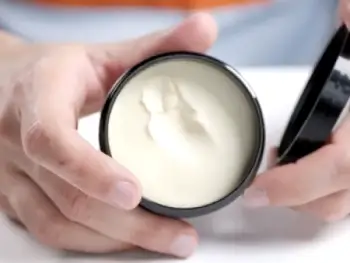
| Texture in Jar | Dense, tacky, resinous, fibrous | Soft, creamy, easy to scoop |
| Best Hair Length | Short to mid-length (1-3 inches ideal) | All lengths, short to longer |
| Best Hair Type | Thick, coarse, or resistant hair | Most types, including fine or wavy |
| Application Preference | Dry hair for maximum grip | Damp or dry hair |
| Main Strength | Texture, thickness, piece separation | Soft control, natural look, pliability |
| Feel After Styling | Workable but structured | Touchable, no crunch or stiffness |
| Wash-Out | Easy with shampoo | Easy, residue-free |
| Ideal Styles | Spiky, textured crops, messy separation | Side parts, soft quiffs, everyday polish |
My First Experience Switching Between The American Crew Fiber And Forming Cream
I started with Fiber. Everyone talks about its grip. The first time I scooped some out the dense almost stringy texture surprised me.
After warming it thoroughly between my palms it grabbed my short slightly wavy hair. It locked in a piecey textured look.
That look lasted through a long day at the office. It held during an evening workout. The matte finish felt modern. It felt intentional. Then I tried Forming Cream on a different week. The soft cream melted into my hair with almost no effort.
I applied it damp after a shower. I also used it dry later in the morning. It gave me a cleaner more polished shape.
The hair still moved when I ran my fingers through it. Neither product felt like a helmet. They clearly solve different problems.
Key Differences Between American Crew Fiber And Forming Cream
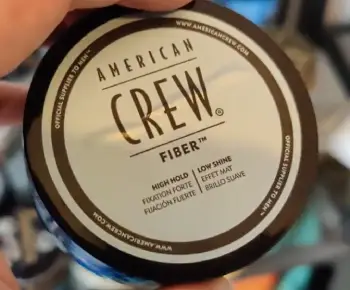
- Hold strength and structure: Fiber delivers a noticeably stronger more gripping hold. It keeps textured styles in place.
Humidity or movement tries to flatten them. Forming Cream offers medium hold. It stays flexible.
You can reshape your hair midday. You avoid fighting a stiff cast.
- Finish and overall appearance: Fiber leans matte with very little shine. It creates that intentional lived-in texture.
Many guys want this for modern crops. Forming Cream produces a natural healthy-looking medium shine.
It reads polished. It avoids a wet or greasy look.
- Consistency and how it spreads: Fiber starts dense and tacky in the jar. You need to work it between your palms. It thins out.
Forming Cream is soft and creamy from the start. It distributes evenly. It needs less effort. It causes less tugging on the hair.
- Hair length and type suitability: Fiber shines on short to mid-length hair. It needs grip and thickness.
Forming Cream handles a wider range of lengths and textures.
This includes finer or slightly longer hair. That hair might feel weighed down by Fiber.
- Application timing: Fiber performs best on completely dry hair. Moisture reduces its grip. Forming Cream works well on damp or dry hair.
It gives you more flexibility in your morning routine.
These differences show up clearly once you use both for a few days. Fiber feels like a tool for deliberate texture. Forming Cream feels like everyday control. It still lets your hair look like hair.
Key Features Of American Crew Fiber
- High hold with pliable control: The formula grips strands firmly.
It still lets you restyle a bit during the day.
It keeps piecey separation intact. It avoids turning rock-hard.
- Low-shine matte finish: The finish stays matte or near-matte. It helps create a natural non-greasy look.
This works especially well under office lights. It also works in outdoor conditions.
- Thickening and texturizing effect: Lanolin and beeswax help build body and fullness.
On my medium-density hair the product made short sections look denser. They looked more defined.
- Fiber-like resinous texture: The dense stringy consistency is intentional. Once warmed it bonds strands together.
It creates that classic textured crop appearance.
- Works best on shorter lengths: Hair between one and three inches responds particularly well. Longer hair can feel heavy.
It can feel clumpy if you over-apply.
I found that a pea-sized amount thoroughly emulsified was enough. It covered my short sides.
It covered the slightly longer top. Using too much left a slightly sticky feel. Less is usually more.
Pros Of American Crew Fiber
- Reliable all-day grip for textured styles: Once set the hold rarely failed me. It worked through long workdays. It worked through gym sessions. Spiky or piecey looks stayed defined.
- Excellent matte finish for modern looks: The low shine creates a clean intentional appearance. It photographs well. It looks good under different lighting.
- Noticeable thickening effect: Fine-to-medium hair gains visible body and separation. The product helps short hair look fuller. It needs no extra volume products.
- Long-lasting value: A standard jar lasts a long time. You only need a small amount each use. Cost per styling session stays low.
- Easy to restyle within limits: The hold is pliable enough. I could adjust pieces later in the day. I avoided starting over completely.
These strengths make Fiber a favorite. I want a deliberate textured look. That look holds its shape.
Cons Of American Crew Fiber
- Can feel heavy or clumpy on longer or finer hair: On days when my hair grew past the ideal length the dense formula sometimes weighed sections down. It created uneven spots. This happened if I used too much.
- Requires thorough warming and dry hair: Applying it to damp hair reduces the grip dramatically. Skipping the palm-warming step leaves the product hard to distribute evenly.
- Stronger scent and denser feel some people notice: The fragrance is present. The texture is more substantial than a cream. Sensitive users might prefer something lighter.
- Less ideal for smooth polished styles: The matte texturizing nature fights against clean side parts. It fights slicked looks. You end up fighting the product’s natural tendency.
- Learning curve for first-time users: Getting the right amount takes a couple of tries. Proper emulsification also takes practice. Over-application leads to stickiness.
I learned to start small. I build only if needed. Once the technique clicked the cons became manageable. They worked for the styles I wanted.
Key Features Of American Crew Forming Cream
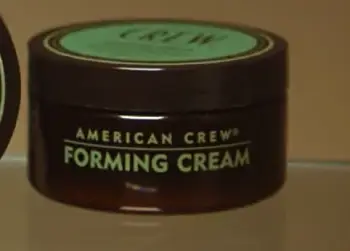
- Medium hold that stays flexible: The hold is strong enough for most daily styles. It remains soft enough.
You can run your hands through your hair. You avoid breaking the shape into flakes. You avoid hard pieces.
- Natural medium shine: The finish looks healthy and polished. It avoids a wet look. It avoids an overly shiny appearance.
It sidesteps the greasy look some heavier products create.
- Creamy easy-to-spread consistency: The soft texture melts quickly between the palms. It glides through hair with almost no resistance.
This makes it forgiving for beginners.
- Suitable for a wide range of hair types and lengths: I tested it on both my usual short cut.
I also tested a slightly longer growth stage. It handled both. It never weighed the hair down. It left no residue.
- Builds body and soft definition: Glycerin and related ingredients help the hair look a bit fuller.
They keep it soft. They keep it touchable. Frizz control is noticeable on slightly wavy days.
Application felt almost effortless. I could use a small amount on damp hair for a smoother result. I could use it on dry hair for a bit more texture. The product never felt heavy.
Pros Of American Crew Forming Cream
- Extremely easy and forgiving application: The creamy texture spreads quickly. It spreads evenly. Even on rushed mornings the product cooperated. It caused no tugging. It caused no clumping.
- Natural touchable finish: Hair stays soft. It stays movable. I could run my fingers through it throughout the day. I created no stiff feel. I created no crunchy feel.
- Works across hair types and lengths: Whether my hair was short or a bit longer the cream adapted well. Fine or medium density also worked. It never left an obvious product look.
- Flexible medium hold for everyday styles: The hold is strong enough for a side part. It works for a soft quiff. It still allows restyling. It rarely felt locked in place.
- Clean wash-out and low residue: Shampoo removes it easily. I never noticed buildup after consecutive days of use.
These advantages make Forming Cream my default choice. Most weekdays I want reliable control. I avoid thinking too hard about technique.
Cons Of American Crew Forming Cream
- Hold is not strong enough for aggressive textured styles: When I wanted sharp piece separation the medium hold fell short. A tall structured look also fell short compared with Fiber.
- More shine than pure matte fans prefer: The natural medium shine looks healthy. It will not deliver the completely flat matte appearance. Some modern crops require that look.
- Can feel too soft for very thick or resistant hair: On denser hair the cream sometimes needed a second pass. Pairing with another product helped maintain shape through a full day.
- Less dramatic thickening effect: It adds some body. It does not create the same level of grit. It does not match the fullness Fiber provides on short hair.
- Slightly less grippy sensation: Users who like the tactile feedback of a denser product may find the cream almost too smooth. It feels light.
For pure everyday polish these drawbacks rarely mattered. For specific textured looks they became limiting.
How I Apply Each Product for Best Results?
With Fiber I always start with completely dry hair. I take a small amount. I rub it between my palms. It warms. It thins into a more workable consistency.
Then I work it from roots to ends. I focus on the areas that need texture. I use my fingers to create separation. I avoid a comb. A quick final check in the mirror lets me adjust any pieces. Those pieces need more definition.
With Forming Cream the process is more relaxed. I can apply it right after towel-drying. I can apply it later on dry hair.
A small scoop spreads easily. I distribute it evenly. Then I comb or finger-style into the shape I want. The hold is flexible. I often reshape once or twice during the morning. I add no more product.
Both products respond well to less rather than more. Overloading either one creates the problems people complain about most.
Which Product Fits Different Hair Goals?
Your priority is a textured matte piecey style on short hair. You want maximum grip. Fiber is the clearer match. It delivers the separation. It delivers the hold. Modern crops look intentional. They avoid looking messy by accident.
You want a natural polished everyday look. It works on a wider range of hair lengths. It feels soft all day. Forming Cream is the stronger choice. It gives enough control for most professional settings. It works for casual settings. It avoids locking the hair into a fixed shape.
Some days I even combine a tiny amount of Fiber at the roots for grip. I add a light pass of Forming Cream through the lengths for softness. The two products can complement each other. Use them carefully.
Also Read: Is Australian Gold Sun Cream Worth It?
Frequently Asked Questions (FAQ)
It works well on most hair types and lengths. This includes fine medium wavy and slightly longer styles. Those styles need flexible control. They need natural shine.
Yes. It delivers reliable medium hold. It offers easy application. It gives a soft natural finish. Many people prefer this for daily use.
Yes. It provides strong grip. It creates matte texture. It adds thickening. This makes it one of the most popular options for short textured styles.
Fiber is better when you want matte texture and grip. Pomade is better when you want higher shine. It suits a smoother more classic slick finish.
Final Thoughts
I tested both products extensively. I wanted to stop guessing which jar belonged in my bathroom. Fiber earned its reputation for high hold.
It earned its place for matte texture on short hair. Forming Cream earned its place as the more versatile user-friendly option. It suits natural everyday styles. Your choice comes down to the look you want most often.
It also depends on the length of your hair. It depends on the density of your hair. Texture and grip matter most. Reach for Fiber. Soft control and a polished natural finish matter more. Forming Cream will serve you better.
Try the one that matches your current cut. Match it to your routine. Then adjust as your hair changes.
Adjust as your preferences change. You will know quickly which product feels right. Use it for a full week of real life.
Recent Posts
If you struggle with low energy, occasional fatigue, or difficulty maintaining your daily routine, you may have come across Thorne Research Adrenal Cortex.This supplement is designed to support...
If you need an affordable backpack that keeps your laptop, travel documents, chargers, and everyday essentials organized, the Matein travel laptop backpack deserves a closer look.I like the idea...