
If you’re thinking about buying the Biancat glucose monitor, I’d urge you to pause and read this first.
I went in hoping for a reliable, budget-friendly blood sugar device—but my experience turned out very different.
In this review, I’ll walk you through what actually happens when you use it, where it falls short, and whether your money is better spent elsewhere.
My First Experience Using The Biancat Glucose Monitor
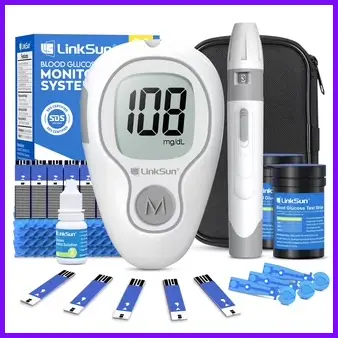
I still remember the day I unboxed the Biancat glucose monitor. Like you, I was looking for something simple, affordable, and dependable.
The packaging looked decent, nothing premium but not terrible either. Inside, I found the meter, a few test strips, lancets, and a manual that wasn’t exactly beginner-friendly.
The first thing I noticed when I started using it was inconsistency. I tested my blood sugar twice within a few minutes—same finger, similar conditions—and the readings were noticeably different.
At first, I thought maybe I made a mistake. So I tried again the next day. Same issue.
That’s when doubt started creeping in.
As someone who understands how critical accurate glucose readings are, this was a big concern. You rely on these numbers to make real decisions—what to eat, when to take medication, how to manage your day. If the device isn’t consistent, it’s not just inconvenient—it’s risky.
Another issue I faced was the strip sensitivity. Sometimes the strips wouldn’t register properly, even when I applied enough blood.
I had to repeat tests more often than I’d like, which meant wasting strips and pricking my finger multiple times. If you’ve ever had to do that, you know how frustrating it gets.
The display itself was clear enough, but the response time felt slower compared to other devices I’ve used.
And occasionally, the device would throw an error without a clear explanation. The manual didn’t help much—it felt vague and generic.
After about two weeks, I tried comparing its readings with another well-known glucose meter. The difference wasn’t small—it was significant enough to make me lose confidence in the Biancat device entirely.
At that point, I stopped relying on it.
What really bothered me wasn’t just one flaw—it was the combination of small issues adding up: inconsistency, unreliable strips, and unclear errors. Together, they made the device feel untrustworthy.
And when it comes to something as serious as blood sugar monitoring, trust is everything.
What The Biancat Glucose Monitor Promises?
On paper, the Biancat glucose monitor sounds appealing. It markets itself as a user-friendly, quick, and affordable blood glucose testing solution. It claims to provide accurate readings in seconds, with minimal blood sample requirements.
It’s also positioned as a convenient at-home option, especially for people managing diabetes daily. The idea is simple: prick, test, and get instant results you can trust.
But Here’s The Problem—What It Promises Doesn’t Fully Align With What You Experience In Real Use.
Pros Of The Biancat Glucose Monitor
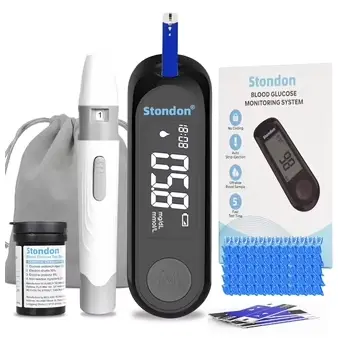
Even though I don’t recommend the Biancat glucose monitor overall, I’ll break down its strengths in a fair and detailed way so you understand exactly what you’re getting before making a decision.
These are the areas where the device tries to be useful, especially for beginners or budget-conscious users.
- Affordability That Makes It Accessible To Beginners
One of the strongest selling points of the Biancat glucose monitor is its low price. When I first compared it with mainstream brands, the cost difference was obvious.
It often comes as part of a low-cost kit that includes strips and lancets, which makes it attractive if you’re just starting blood sugar monitoring.
From a buyer’s perspective, this feels like a low-risk entry point. You don’t need to invest heavily upfront, which can be comforting if you’re unsure about long-term use.
However, while the price is appealing, I quickly realized that affordability doesn’t always translate to reliability.
Still, for someone experimenting or learning basic glucose tracking, the lower cost is the first thing that draws attention.
- Simple Interface That Reduces Confusion
The device is designed with minimal complexity. There are no complicated menus, no app syncing requirements, and no advanced setup steps. You insert a strip, apply blood, and wait for a reading.
When I used it, I noticed that this simplicity actually reduces hesitation. If you’ve never used a glucose monitor before, you won’t feel overwhelmed by technical settings.
The learning process is short, and you can start testing within minutes.
For elderly users or those who prefer straightforward devices, this simplicity can feel reassuring at first. There’s no digital overload—just basic functionality.
That said, simplicity alone isn’t enough if the output isn’t trustworthy, but in terms of usability, it does keep things easy.
- Lightweight And Highly Portable Design
Another advantage is its compact size. The Biancat glucose monitor is small enough to fit into a pocket, handbag, or even a small pouch without adding weight.
When I carried it around, I appreciated how unobtrusive it was. If you travel frequently or need to check your blood sugar outside the home, portability becomes a real advantage.
It doesn’t require a dedicated case or large storage space, which makes it convenient for people who are always on the move.
- Quick Test Process Under Ideal Conditions
Under perfect conditions—fresh strip, clean hands, proper blood sample—the device does deliver results relatively quickly. The waiting time is short, usually within seconds.
When it works properly, the process feels efficient: prick your finger, apply blood, wait briefly, and read the number. There’s no delay or complicated calibration process.
This speed is important for users who want fast feedback, especially in situations where they just need a quick check rather than detailed analysis.
- Minimal Setup And Immediate Usability
Unlike more advanced glucose monitoring systems that require syncing with apps, Bluetooth pairing, or initial calibration, the Biancat monitor is ready to use almost immediately.
I inserted the battery, placed a strip, and it started working without additional steps. That “instant usability” can be appealing, especially if you don’t want to deal with technology setup.
For someone who prefers a traditional, no-frills device, this is one of its more practical aspects.
Cons Of The Biancat Glucose Monitor
Now we come to the more important part—the drawbacks. This is where my experience shifted significantly, and where most of the concerns lie.
These issues are not minor inconveniences; they directly affect reliability and trust.
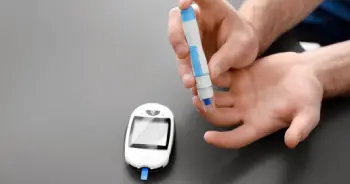
- Inconsistent And Unreliable Readings
This is the biggest problem, and I can’t emphasize it enough. During my use, I noticed fluctuations in readings even when testing under similar conditions within minutes.
For example, I tested twice back-to-back and got noticeably different results. In blood glucose monitoring, that kind of variation is not acceptable because decisions about food, medication, or insulin depend on precision.
What makes this worse is unpredictability. Sometimes it seems accurate, and other times it feels off enough that I wouldn’t rely on it.
This inconsistency creates doubt, and once you start doubting your readings, the device loses its purpose.
- Test Strips That Feel Unreliable And Wasteful
The strips are another weak point. In multiple instances, I had to repeat tests because the strip didn’t register properly or gave an error.
This leads to two problems: frustration and waste. You end up using more strips than necessary, which ironically increases the long-term cost of ownership.
I also noticed that strip performance wasn’t consistent. Some worked fine, others failed under the same conditions. That inconsistency makes it difficult to trust the system as a whole.
- Frequent Error Messages Without Explanation
One of the most frustrating parts of using this device is the lack of clear feedback when something goes wrong.
Instead of telling you exactly what happened—insufficient blood, strip issue, or device error—it often just shows a generic error code or unclear symbol.
As a user, this leaves you guessing. You end up repeating tests without knowing whether the problem was technique, strips, or the device itself.
Over time, this becomes tiring and reduces confidence in the product.
- Accuracy Concerns That Impact Real Decisions
When a glucose monitor is inconsistent, it becomes more than just a technical flaw—it becomes a health risk.
I found myself double-checking readings with another device because I couldn’t trust the Biancat results alone.
This defeats the entire purpose of having a monitoring device. Instead of providing clarity, it creates confusion.
For anyone managing diabetes seriously, this level of uncertainty is not acceptable.
- Build Quality That Feels Basic And Less Durable
While the device is lightweight, it doesn’t feel particularly robust. The plastic casing feels average, and over time it may not withstand heavy daily use.
When I handled it, it didn’t give the same sense of durability I’ve experienced with more established brands. It feels functional but not long-lasting.
For something you rely on daily, build confidence matters—and here, it feels slightly lacking.
- Lack Of Modern Features And Data Tracking
Another limitation is the absence of advanced features. There is no app integration, no trend tracking, and no historical analysis of your blood sugar patterns.
In today’s health-tech world, many users expect more insight into their data. You don’t just want a number—you want to understand patterns over time.
With Biancat, you only get isolated readings. That limits your ability to see the bigger picture of your health.
- Dependency On Perfect Usage Conditions
The device performs best only under ideal conditions—clean hands, correct blood volume, fresh strips, and stable environment.
If even one factor is slightly off, the reading can become unreliable. This makes it less forgiving compared to higher-quality monitors that maintain accuracy across varied conditions.
In real life, conditions are not always perfect. That’s where this device struggles.
Maintenance Tips For The Biancat Glucose Monitor
- Keep Your Hands And Testing Area Extremely Clean
This might sound basic, but with this device, cleanliness matters more than usual.
Before you even touch the meter or strips, wash your hands thoroughly with soap and warm water. Dry them completely—don’t leave any moisture. Even a small amount of residue can interfere with blood sample quality.
When I tested without proper cleaning, I noticed more irregular readings. Things like fruit residue, lotion, cooking oil, or even sweat can distort results.
Also avoid testing right after eating or handling sugary foods unless you specifically want post-meal readings. Even tiny contamination can make a bigger difference with inconsistent devices like this.
Think of cleanliness here as your first layer of “accuracy control.”
- Store Test Strips Properly
The test strips are one of the weakest parts of the Biancat system, so how you store them directly affects performance.
Always keep strips in their original container and close the lid immediately after taking one out. Do not leave the container open even for a few minutes.
Humidity is a major issue—especially in climates like Bangladesh where moisture in the air is common. Exposure to humidity can damage the chemical coating on strips, making them unreliable.
I also learned not to store them in bathrooms, kitchens, or near windows where temperature changes frequently.
A cool, dry place is ideal. If you notice strips giving frequent errors, improper storage is often the first suspect.
- Check Expiration Dates Regularly
This is often ignored, but expired strips are one of the fastest ways to get incorrect readings.
Even if the strips look fine, their chemical sensitivity reduces after expiration. With a device that already struggles with consistency, expired strips make results even more unpredictable.
I made it a habit to check the expiry date every time I opened a new vial. If anything felt off in readings, I would re-check the date before blaming the device.
Never “stretch” strip usage beyond expiry—it’s not worth the risk.
Comparing Biancat With Other Glucose Monitor Brands
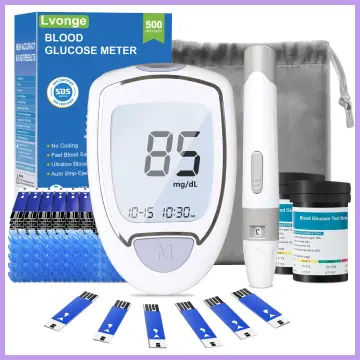
- Biancat With Other Glucose Monitor Versus Accu-Chek Devices
When I compared Biancat to Accu-Chek monitors, the difference was clear.
Accu-Chek devices consistently delivered stable readings and had better strip reliability.
The user experience felt more polished, and the instructions were clearer.
- Biancat With Other Glucose Monitor Versus One Touch Monitors
OneTouch monitors stood out for their accuracy and ease of use.
They also offered better support and more consistent performance.
In contrast, Biancat felt like a basic alternative that didn’t quite meet the same standard.
- Biancat With Other Glucose Monitor Versus Monitor contour next systems
Contour Next devices impressed me with their precision. Even small fluctuations were captured accurately, which is critical for tight glucose control. Biancat simply couldn’t match that level of reliability.
- Biancat With Other Glucose Monitor Versus comparison takeaway
While Biancat may win on price, it loses where it matters most—accuracy and consistency. And when you’re dealing with your health, those are not areas where you should compromise.
Who Should Avoid The Biancat Glucose Monitor?
If you rely on precise glucose readings daily, this device isn’t a good fit. It’s especially risky for people managing diabetes with medication or insulin, where accuracy directly impacts safety.
Even for occasional users, the inconsistency can lead to confusion and unnecessary stress.
Frequently Asked Questions (FAQ)
Brands like Accu-Chek, Contour Next, and OneTouch are widely regarded as some of the most accurate. They undergo rigorous testing and generally provide consistent, reliable results.
The best machine is one that combines accuracy, ease of use, and consistency. Devices from established brands like OneTouch and Contour Next are often preferred for home use due to their reliability.
Some supplements like berberine, alpha-lipoic acid, and chromium have shown potential in supporting blood sugar control. However, you should always consult a healthcare professional before adding any supplement to your routine.
The first drop may contain tissue fluid or contaminants that can affect accuracy. Wiping it away helps ensure the second drop provides a cleaner, more reliable sample.
Final Thoughts
If I’m being completely honest with you—I wouldn’t recommend buying the Biancat glucose monitor. While it looks appealing from a price perspective, the reliability issues outweigh any initial savings.
You deserve a device you can trust, one that gives you consistent and accurate readings without second-guessing every result. In this case, spending a bit more on a proven brand is a much smarter choice.
Recent Posts
● Interactive 5-Zone Interior & Exterior Paint Blueprint Paint Coverage Calculator: Gallons, Primer, Square Footage & Cost Tap any architectural surface zone on the blueprint...
If you want smooth, shiny hair without spending a fortune on a premium styling tool, the Ella Bella hair dryer may be worth considering.In these Ella Bella hair dryer reviews, I’ll look...