
I spent weeks testing both the bObsweep UltraVision and the bObsweep Dustin in my own home to figure out which one actually delivers cleaner floors with less hassle.
My goal here is to give you a clear, practical side-by-side look at their real-world performance so you can decide which robot vacuum fits your space, pets, and daily routine without the marketing fluff.
| Feature | bObsweep UltraVision | bObsweep Dustin |
| Suction Power | 8000 Pa | 4100–5000 Pa (TurboLift) |
| Self-Empty Capacity | 6L (up to 180 days) | 4.6L / ~1 gallon (70–100 days) |
| Runtime | ~170 minutes | 120–150 minutes |
| Navigation | LiDAR + QSLAM with Low-height Object-aware Technology | LiDAR + Quantum SLAM |
| Mopping | Attachable microfiber mop | Attachable passive mop |
| Noise Level | Around 60 dB | Under 60 dB |
| Dust Bag Feature | Activated charcoal for odor control | Activated charcoal for odor control |
| Multi-Floor Maps | Up to 3 | Up to several (stronger multi-map support in some setups) |
| Charging Time | 5–6 hours | Around 4 hours |
| Weight | About 6.5–8 lbs | About 6 lbs |
| Warranty | 2-year limited + 2-year battery + 5-year subsidized repair | 2-year limited with solid support |
Key Differences Between The bObsweep UltraVision And Dustin
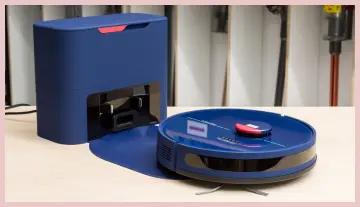
- Suction strength and deep-cleaning ability: The UltraVision pulls harder at 8000 Pa, and I noticed it yanked pet hair and fine grit out of medium-pile carpet better than the Dustin.
The Dustin’s 4100–5000 Pa with TurboLift still handles daily dust and surface pet hair on hard floors without trouble, but it leaves more embedded debris behind on rugs.
- Dust bag size and how long you can ignore the dock: UltraVision’s 6-liter bag with charcoal lining let me go nearly six months between changes in a house with two dogs.
Dustin’s 4.6-liter bag still gave me two to three months of freedom, which is solid, yet it is not quite as set-and-forget.
- Runtime and home size coverage: UltraVision’s longer battery kept it working through my full 2200-square-foot main floor in one go.
Dustin needed a mid-cycle charge more often on the same layout, although it covered medium homes fine.
- Obstacle awareness and getting stuck: UltraVision’s Low-height Object-aware Technology spotted socks, charging cables, and dog toys better.
I watched it slow down and curve around small items that the Dustin sometimes nudged or climbed onto.
- Noise during operation: Dustin runs quieter, so I could leave it going while on a call without people asking about the background hum.
UltraVision is still acceptable, but it grows more noticeable on high suction.
- Mapping flexibility: Both use solid LiDAR and QSLAM mapping.
Dustin felt a bit quicker at building and recalling multiple floor plans when I carried it upstairs, while UltraVision stayed accurate on the main level and handled three maps without issue.
- Self-empty station power: The UltraVision dock uses stronger suction to clear the bin faster, and this reduces leftover dust inside the robot.
The Dustin station works reliably, yet it takes a slightly longer cycle to finish the same job.
- Overall build and weight feel: UltraVision feels a bit more solid when I lift it, while Dustin stays lighter and easier to carry between floors without strain.
Key Features Of The bObsweep UltraVision
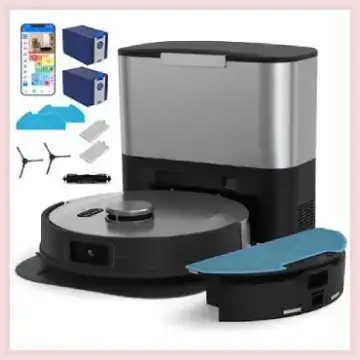
- 8000 Pa suction: This is the number that matters most for carpets and heavy shedding.
I ran it on high after my dogs had a mud-day, and I watched the side brushes and main roller pull hair and dirt that lower-powered units usually leave.
- 6L self-empty station with charcoal bag: The dock sucks the robot’s bin clean with serious force.
The charcoal lining actually cut down the pet smell that used to linger near my old station.
- Low-height Object-aware Technology: Sensors look for low items.
In practice it meant fewer emergency stops, and I spent less time fishing the robot out from under the coffee table.
- QSLAM navigation with real-time computing: Straight-line cleaning paths and quick mapping let the robot resume after a charge without starting over.
The app shows clear room labels, and it lets me draw NoSweep or NoMop zones in seconds.
- Attachable mop pad: I snap on the microfiber pad, fill the small water tank, and it vacuum-mops hard floors in one pass.
It is not a scrubbing powerhouse, yet it lifts light footprints and dust better than vacuuming alone.
- App and voice control: Scheduling, suction levels, and zone cleaning all sit in a straightforward app.
Alexa and Google commands work for start, stop, and dock.
- Multi-surface adaptability: The robot handles hardwood, tile, and medium carpets in the same run without me changing settings.
It keeps steady suction as it moves from one surface to another.
Pros Of The bObsweep UltraVision
- Stronger suction for carpets and pet hair: I saw clearer results on area rugs and the entryway mat after one pass. Hair that used to tangle or get left behind mostly disappeared into the bin.
- Longer runtime and larger dust capacity: Fewer interruptions on bigger cleaning jobs and months between bag changes reduce the mental load of owning a robot.
- Better low-object detection: Fewer stuck moments occurred. I stopped finding the robot wedged against a shoe or toy as often.
- Solid warranty package: Two years on the unit and battery plus the subsidized repair plan gave me peace of mind with the higher price.
- Effective odor control in the bag: The charcoal lining made a noticeable difference in a pet household.
- Reliable resume after charging: The robot picks up exactly where it left off, and this keeps full-house cleans consistent even on large layouts.
Cons Of The bObsweep UltraVision
- Higher noise on max suction: Acceptable overall, but I avoided running it during quiet hours on the strongest setting.
- Longer charge time: Five to six hours means overnight charging is the practical rhythm.
- Mopping is basic: It wipes surfaces well, yet it does not scrub hard stains. I still pull out a regular mop for sticky messes.
- Price sits higher: You pay for the extra suction and capacity. Worth it if you have carpets and pets, less so if you mainly clean hard floors.
- Brush maintenance still needed: Hair wraps around the main roller over time, and I clean it weekly to keep performance steady.
Key Features Of The bObsweep Dustin
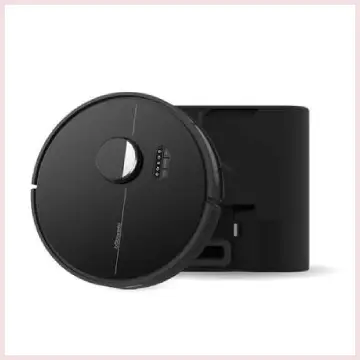
- TurboLift suction up to 5000 Pa: Strong enough for daily pet hair and kitchen crumbs.
I liked the quieter high setting for evening runs.
- 4.6L self-empty dock: Still large enough that I only changed bags every couple of months.
The charcoal bag helps with odor the same way the UltraVision’s does.
- Quantum SLAM and fast mapping: It boots quickly and builds a usable map on the first run.
Multi-floor support felt convenient when I moved it between levels.
- Quiet operation under 60 dB: This became my preferred unit for daytime cleaning when someone was working from home or the baby was napping.
- Attachable mop: Same simple approach as the UltraVision.
Wet the pad, attach, and it handles light mopping while vacuuming.
- Privacy-focused design: No images leave the robot. That detail mattered to me more than I expected.
- Quick room recognition: The robot identifies rooms fast after the first map, and it lets me send it to specific areas without extra setup time.
Pros of the bObsweep Dustin
- Quieter operation: Easier to live with during the day. My dogs barely reacted to it.
- Faster charging: Back on the floor sooner after a partial run.
- Good multi-map handling: Convenient if you regularly move the robot between floors or have a complex layout.
- Solid everyday cleaning on hard floors: Dust, crumbs, and surface pet hair disappear without drama.
- Lighter and easier to carry upstairs: Small difference, but noticeable when you actually move it.
- Simple daily scheduling: The app makes it easy to set recurring cleans, and the robot follows the plan without extra steps from me.
Cons of the bObsweep Dustin
- Weaker suction on carpets: Embedded dirt and heavier pet hair need extra passes or a higher-powered unit.
- Smaller dust bag: You empty more often than with the UltraVision, yet it is still far better than a non-self-emptying robot.
- Obstacle handling is average: It navigates well overall, but it is more likely to nudge or climb small items.
- Mopping remains passive: Same limitation as the UltraVision. Fine for maintenance, not deep cleaning.
- Less power for deep rug cleaning: Fine dust stays in carpet fibers longer, and I sometimes run a second pass to finish the job.
Real-World Performance in My Home
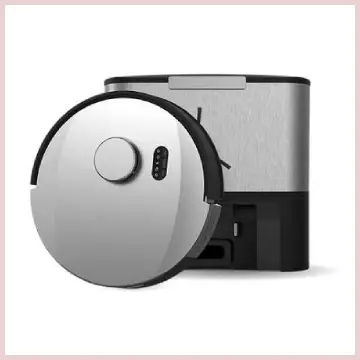
I ran both robots on the same schedule for several weeks: morning vacuum on the main floor, occasional mopping on hard surfaces, and a full-house weekend clean.
My house has mixed flooring—hardwood in the living areas, tile in the kitchen and baths, and a few medium-pile rugs. Two medium-shedding dogs complete the test environment.
The UltraVision consistently left the rugs looking better. Side brushes pushed hair toward the main roller, and the higher suction pulled it in. On hard floors both robots performed close to each other for everyday dust.
The Dustin’s quieter motor made it the one I preferred when I worked from the dining table.
Self-emptying worked reliably on both. The UltraVision’s larger bag simply meant I opened the dock less often. Mapping accuracy was high for both. The UltraVision’s low-object sensors reduced the number of times I had to rescue it from under furniture or around cables.
App experience felt similar. Room division, zone drawing, and scheduling all worked without major glitches after the initial setup. Voice commands through Alexa started and docked both units reliably.
Maintenance stayed simple. I cleaned the main brush and side brushes weekly, wiped sensors, and replaced filters on the recommended schedule. Hair wrap happened on both, though the UltraVision’s stronger airflow seemed to keep the brush a bit cleaner between cleanings.
Who Should Choose Which Model
If your home has significant carpet, heavy pet shedding, or you simply want maximum runtime and the longest possible time between bag changes, the UltraVision is the stronger performer. The extra suction and capacity justify the higher cost in those situations.
If you mainly have hard floors, value quieter operation, move the robot between floors often, or want a slightly more affordable entry into self-emptying robots, the Dustin covers daily needs well and stays less intrusive.
Both robots respect privacy by keeping mapping data local and not sending images. Both come with solid warranties and the same basic app ecosystem. The choice really comes down to how much suction and dust capacity you need versus how much you care about noise and multi-floor flexibility.
Frequently Asked Questions (FAQ)
It depends on your floors and pets. UltraVision wins for carpet and heavy shedding; Dustin is excellent for quieter daily hard-floor cleaning.
Yes. Strong suction, large self-empty bag, and solid navigation make it a reliable daily cleaner, especially in pet homes.
In many real homes yes. Both brands deliver strong self-emptying performance. bObsweep often edges ahead on dust capacity and warranty length, while some Roomba models lead in advanced obstacle AI.
Yes for most households. Quiet, capable mapping, and convenient self-emptying make it a solid choice, particularly on hard floors.
Final Thoughts
After living with both, I keep the UltraVision as my primary robot because my rugs and dogs demand the extra suction and longer runtime. The Dustin still earns regular use on quieter days and upstairs. You will notice cleaner floors and less daily effort with either model. Match the UltraVision to carpet-heavy or high-shed homes and the Dustin to quieter hard-floor living, and you will end up with a robot that actually fits how you live instead of one that just looks good on paper.
Recent Posts
If you're looking for a comfortable mattress that balances pressure relief, support, and affordability, Cocoon by Sealy deserves your attention. I like its straightforward design, convenient...
Stearns and Foster Vs. Saatva: Which Luxury Mattress Actually Fits Your Sleep?
I spent weeks comparing Stearns and Foster mattresses against Saatva models because I needed a clear answer for my own bedroom upgrade and for readers facing the same choice. My goal here is...