
I spent weeks living with both bObsweep and Roborock robot vacuums in a real home full of mixed floors, pet hair, and daily clutter.
My goal is simple: give you a clear, practical comparison so you can decide which one actually fits your floors, lifestyle, and tolerance for maintenance.
| Feature | bObsweep (typical mid-to-upper models) | Roborock (typical mid-to-flagship models) |
| Suction Power | 4,000–8,000 Pa range | 7,000–22,000+ Pa |
| Navigation | LiDAR + SLAM, solid mapping | LiDAR + advanced AI/object recognition |
| Mopping | Basic or DualSpin rotating pads | Active vibrating or dual spinning with auto-lift |
| Self-Empty Dock | Available, often larger bags | Advanced (empty, wash, dry, refill) |
| Noise Level | Often quieter (around 50 dB) | Noticeable on high power |
| Privacy Focus | Strong (local processing on many) | Cloud-connected with robust app |
| Pet Hair Handling | Decent on hard floors, struggles on carpet | Excellent anti-tangle systems |
| Price Positioning | Value to mid-premium | Mid to high-end performance |
| Warranty | Often 2 years parts/labor | Standard 1–2 years, strong support network |
Key Differences Between The bObsweep And Roborock
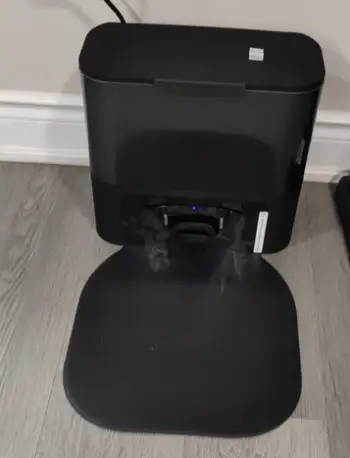
- Suction and debris pickup: Roborock pulls ahead with higher rated power and better real-world results on carpets and embedded dirt.
bObsweep handles everyday dust and larger debris adequately on hard floors, but it loses ground when fine particles or pet hair dig into rugs.
- Navigation and obstacle avoidance: Both use LiDAR for mapping, yet Roborock’s later models add structured light, cameras, and object recognition that reduce bumping and stuck moments.
bObsweep maps reliably and covers rooms thoroughly, but it relies more on basic sensors that can lead to more interruptions.
- Mopping effectiveness: Roborock treats mopping as an active scrubbing job with vibrating pads or dual spinning mops plus automatic lifting on carpets.
Many bObsweep units offer wet mopping or DualSpin systems, but the action is often lighter and requires more manual pad care.
- Maintenance automation: Higher-end Roborock docks empty the bin, wash and dry the mops, and sometimes refill water.
bObsweep self-empty stations shine with larger bag capacity that stretches emptying intervals, though mop care stays more hands-on.
- Privacy and data approach: Several bObsweep models emphasize local processing and minimal cloud dependence.
Roborock leans into a full-featured app ecosystem that benefits from connectivity for multi-floor maps and remote control.
- Build feel and long-term feel: Roborock units generally feel more refined with tighter engineering and better resistance to hair wrap.
bObsweep prioritizes approachable pricing and features like large onboard bins or quieter runs.
- Battery and runtime patterns: Both support medium-to-large homes in balanced modes, yet high-power carpet cleaning shortens sessions more on stronger Roborock units while still allowing automatic resume after docking.
- Price-to-performance balance: bObsweep often delivers core mapping and self-empty features at lower entry points, whereas Roborock asks for more money in exchange for clearer cleaning gains and deeper automation.
These differences shape daily ownership more than any single specification sheet suggests.
In my home the Roborock spent less time needing rescue and left floors cleaner after a single pass, while certain bObsweep traits reduced how often I touched the machine for emptying or privacy concerns.
Also Read: Is Roomba Max 705 Worth It?
Key Features Of bObsweep
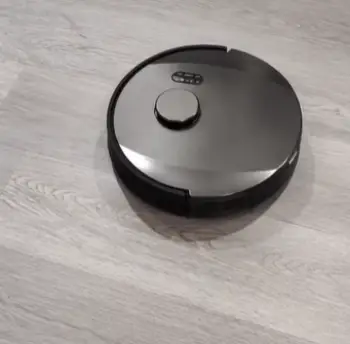
- Large dust capacity options: Many models carry oversized onboard bins or pair with stations holding weeks of debris.
This suits pet owners who hate frequent emptying.
- Quiet operation focus: Several units run at library-quiet levels, and this makes daytime or evening cleaning less disruptive for people and pets.
- Privacy-oriented design: Local mapping and processing on select models keep data closer to the home, which appeals to users who prefer limited cloud involvement.
- Hybrid mopping and UV options: DualSpin rotating mops appear on newer units, and some older or specialized models add UV sterilization claims for hard floors.
- Straightforward app plus remote: Mapping, no-go zones, and scheduling sit alongside physical remote control for internet-independent use.
- Eco-material experiments: Certain lines use bio-based plastics for a greener footprint, and this gives eco-conscious buyers an extra reason to consider the brand.
- Simple scheduling tools: Basic timers and zone settings let you set routines without needing advanced tech skills, and this keeps daily use approachable.
- Decent cliff and edge sensing: Sensors help the robot avoid stairs and follow walls with reasonable consistency on open hard floors.
In practice the large bin and quieter motor made bObsweep feel low-maintenance for light daily upkeep.
The trade-off showed up when carpets needed deep cleaning or when the robot encountered complex obstacle layouts.
Pros Of bObsweep
- Strong value in certain price bands: You often get mapping, self-empty, and mopping without jumping to flagship pricing, and this makes entry into robot cleaning more accessible.
- Larger dust storage: Both onboard bins and station bags reduce how often you deal with debris, and this is a genuine relief in pet homes.
- Quieter running: The lower noise profile works better when people or noise-sensitive pets are home.
- Privacy-friendly options: Local processing appeals if you prefer minimizing cloud data.
- Decent hard-floor coverage: On tile, wood, and vinyl the robots pick up daily dust and larger crumbs reliably.
- Approachable support claims: Two-year coverage on parts and labor appears frequently and includes battery in some packages.
- Remote control convenience: A physical remote offers quick starts and mode changes even when Wi-Fi drops, and this adds flexibility.
- Lower entry barrier for first-time users: Straightforward controls and larger bins help new owners settle in without steep learning curves.
The quiet motor and big capacity made morning and evening runs less noticeable. For apartments or homes that stay mostly hard-floored, these strengths keep ownership simple.
Cons Of bObsweep
- Weaker carpet and fine-debris performance: Embedded sand, pet hair, and fine dust on rugs often remain after a pass.
- Basic mopping action: Pads frequently drag rather than scrub, and stain removal stays limited without extra manual effort.
- Obstacle handling gaps: More frequent bumping or getting stuck occurs compared with camera-assisted rivals.
- Higher ongoing maintenance on brushes: Hair wrap and filter care can feel more frequent in heavy-use homes.
- App experience varies: Functional but less polished than leading competitors for multi-level homes or complex routines.
- Build and longevity perception: Components sometimes feel lighter and may need earlier part swaps under heavy pet hair loads.
- Limited carpet boost intelligence: Many models lack automatic suction increases on rugs, and this reduces cleaning depth on mixed floors.
- More manual mop upkeep: Pads and water tanks usually need hands-on attention after runs, which adds small chores.
I found myself rescuing the robot or re-running rooms more often when carpets or clutter entered the picture. The mopping left me reaching for a traditional mop for sticky spots.
Key Features Of Roborock
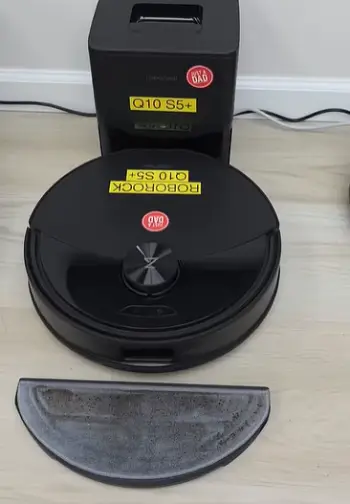
- High suction paired with anti-tangle brushes: HyperForce motors and dual rubber or specialized rollers move fine dust and pet hair without constant hair wrap.
- Advanced multi-sensor navigation: LiDAR combined with Reactive AI, structured light, or 3D sensing lets the robot recognize and avoid common household objects.
- Sophisticated mopping systems: Vibrating pads, dual spinning mops, automatic lifting, and edge-reaching arms deliver actual scrubbing instead of simple damp wiping.
- Comprehensive docks: Many models empty, wash mops with hot water, dry them, and manage water levels for weeks of hands-off operation.
- Mature app ecosystem: Precise room editing, multi-floor maps, custom routines, and voice integration feel polished and responsive.
- Low-profile designs on newer flagships: Retractable sensors allow cleaning under lower furniture, and this expands the reachable area in many homes.
- Carpet detection and boost: Sensors raise suction or lift mops automatically when rugs appear, and this protects both floors and cleaning results.
- Strong multi-floor mapping: The app stores several floor plans and switches between them smoothly when the robot moves levels.
These features turned the Roborock into a set-and-forget machine in my testing. Once mapped, it handled mixed flooring transitions and daily pet hair with fewer interventions than the bObsweep counterparts I ran side by side.
Pros Of Roborock
- Superior overall cleaning: Higher suction and better brush design clear more debris from both hard floors and carpets in fewer passes.
- Excellent pet-hair management: Anti-tangle systems and strong airflow keep brushes cleaner longer.
- Effective active mopping: Real scrubbing power plus automatic carpet avoidance keeps floors looking freshly wiped.
- Advanced navigation reliability: Fewer stuck moments and smarter pathing occur across complex layouts.
- Hands-free dock automation: Emptying, mop washing, and drying cut daily chores dramatically.
- Polished software and mapping: Multi-floor support, precise zoning, and consistent updates feel mature.
- Better edge and corner reach: Extending side brushes or mop arms improve coverage along walls and furniture legs.
- Faster recovery from interruptions: The robot resumes cleaning efficiently after docking or after you clear an obstacle.
Day after day the floors looked better with less effort on my part. The combination of power and smart routing made the machine feel like a genuine upgrade over basic robot vacuums.
Cons Of Roborock
- Higher price for comparable feature sets: Performance comes at a premium that may stretch budgets.
- Louder on max suction: High-power modes become noticeable during quiet hours.
- Smaller onboard bins on some models: Reliance on the dock is greater, and without it you empty more often.
- Cloud-dependent features: Full app capability usually requires connectivity.
- Learning curve on advanced settings: The depth of customization can overwhelm users who want pure simplicity.
- Dock footprint: The multi-function stations take more floor space than basic chargers.
- Occasional software quirks: Map updates or firmware changes sometimes need a second look before routines run smoothly.
- Premium parts costs: Replacement brushes, filters, and bags can add up over years of heavy use.
The cost and occasional noise were the main points that gave me pause, though the time saved usually justified them in a busy household.
Also Read: Comparison Of Kirby Vacuum And Shark
Real-World Ownership Experience
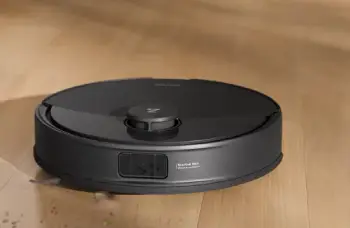
Living with both brands side by side highlighted how specifications translate into actual mornings and evenings.
On hardwood and tile the bObsweep kept surface dust under control and ran quietly enough that I barely noticed it.
When the dog shed heavily or cereal hit the kitchen, the Roborock recovered more material in a single scheduled run.
Carpets exposed the biggest gap: Roborock consistently pulled more embedded grit and hair while the bObsweep left more behind.
Navigation differences appeared most clearly around chair legs, charging cables, and pet toys. The Roborock’s object recognition reduced the number of times I had to free a trapped robot.
Mapping accuracy felt comparable once both completed their first full-home scans, yet the Roborock adapted faster when I rearranged furniture.
Maintenance rhythms diverged too. The larger bags on certain bObsweep stations meant fewer bag changes, a real convenience.
The Roborock’s mop-washing dock, however, eliminated the weekly chore of rinsing dirty pads by hand. Over a month the time difference favored the more automated dock even if bag capacity was smaller.
Battery life supported medium-to-large homes on both sides when run in balanced modes. High-suction carpet runs shortened runtime more noticeably on the higher-powered Roborock units, yet the machines returned to dock and resumed without drama.
Who Should Choose bObsweep?
Choose bObsweep if your home is mostly hard floors, you value quieter operation, you want larger dust capacity between interventions, or privacy features rank high on your list.
Budget-conscious buyers who still want mapping and self-empty will also find appealing options.
Pet owners on primarily hard surfaces can do well provided they accept more frequent brush cleaning.
Who Should Choose Roborock?
Roborock fits homes with mixed flooring, significant carpet, heavy pet hair, or anyone who wants maximum automation and fewer cleaning passes.
If you dislike babysitting a robot or washing mop pads, the advanced docks deliver clear daily relief.
Performance-focused users who measure results by how clean the floors actually look after a run will lean this direction.
Also Read: Is Shark Matrix Self-Emptying Robot Vacuum Worth It?
Frequently Asked Questions (FAQ)
Roborock generally shows stronger long-term consistency in cleaning performance and fewer navigation failures across independent tests and user reports.
A few premium competitors match or exceed it in specific niches such as pure mopping power or specialized obstacle handling, but Roborock remains one of the strongest overall packages for most households.
No single model holds the top spot forever; current flagships from Roborock frequently rank near the top for balanced performance, automation, and real-world results.
It depends on priorities. bObsweep often edges Shark on mapping intelligence and self-empty capacity in comparable price ranges, while Shark may appeal more on brand familiarity and certain budget models.
Final Thoughts
After running both brands through the same daily messes, I came away with a clear preference for Roborock when cleaning results and reduced hands-on time matter most.
The higher suction, smarter avoidance, and active mopping produced noticeably cleaner floors with less effort from me.
That said, bObsweep still earns a place for quieter runs, larger dust capacity, and a more privacy-conscious approach at attractive price points.
Your best choice depends on the floors under your feet, how much pet hair you battle, and how much automation you are willing to pay for.
Measure your actual needs against the strengths each brand delivers, and you will end up with a robot that feels like a genuine helper rather than another gadget that needs babysitting.
I hope this side-by-side experience saves you time and helps you land on the machine that fits your home.
Recent Posts
If you're looking for a comfortable mattress that balances pressure relief, support, and affordability, Cocoon by Sealy deserves your attention. I like its straightforward design, convenient...
Stearns and Foster Vs. Saatva: Which Luxury Mattress Actually Fits Your Sleep?
I spent weeks comparing Stearns and Foster mattresses against Saatva models because I needed a clear answer for my own bedroom upgrade and for readers facing the same choice. My goal here is...