
If you want a computerized sewing machine that gives you plenty of stitches, useful automatic features, and room to grow without immediately moving into expensive professional equipment, I think the Brother XR9550 deserves a serious look.
I see it as a particularly good fit for home sewers, beginners who want more features, quilters, and experienced hobbyists who value convenience.
In this Brother XR9550 sewing machine review, I’ll explain what I like, what I don’t, who should buy it, and whether it still makes sense compared with machines from other brands.
My First Experience With the Brother XR9550
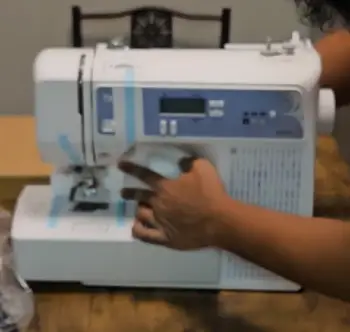
My first impression of the Brother XR9550 is that it feels designed around convenience rather than complexity.
When I sit down at the machine, I don’t have to spend much time figuring out what the manufacturer wants me to do. The controls are straightforward, the LCD display is useful, and the computerized stitch selection makes changing from one stitch to another feel quick and uncomplicated.
What I particularly appreciate is the range of stitches. The XR9550 offers 165 built-in stitches, including utility, decorative, heirloom-style, quilting, and other specialty options.
I don’t necessarily use every stitch, but having that variety gives me flexibility when I’m working on different projects.
The automatic needle threader is another feature I value. It sounds like a small convenience, but after sewing for a while, I appreciate anything that saves my eyes and fingers from unnecessary frustration.
The drop-in bobbin system is similarly user-friendly, especially when I’m switching between projects.
When I use the machine for everyday sewing, the overall experience is fairly smooth. I can work on clothing repairs, basic garments, crafts, home décor projects, and quilting without feeling that the machine is limited to one particular task.
I also like the speed control because it gives me more confidence when handling delicate sections. If I’m sewing slowly around a corner or trying to keep a seam straight, being able to control the sewing speed is genuinely helpful.
That said, I wouldn’t describe the XR9550 as a heavy-duty industrial machine. It is primarily a versatile home sewing machine. If I were regularly sewing very thick layers of heavy canvas, upholstery material, or multiple layers of dense denim, I would look at a machine specifically built for that workload.
Overall, my experience with the XR9550 is best described as convenient, versatile, and beginner-friendly, with enough features to remain interesting as my sewing skills improve.
Pros Of The Brother XR9550
- Large Stitch Selection
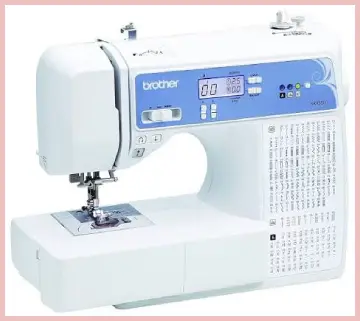
The biggest advantage for me is the stitch variety. With 165 built-in stitches, the XR9550 gives me far more creative options than a basic mechanical machine.
I can use straightforward straight and zigzag stitches for everyday projects, then switch to decorative patterns when I want something more interesting.
The variety is especially useful if I enjoy experimenting rather than making the same type of project repeatedly.
I don’t think everyone needs 165 stitches, but I like having them available. A large stitch library can also make the machine feel more useful as your skills develop.
- Beginner-Friendly Controls
I find the computerized controls approachable. Instead of manually adjusting every setting, I can select a stitch and let the machine guide much of the setup.
For a beginner, that can remove some of the intimidation that often comes with sewing machines. I can concentrate on fabric handling and stitch quality rather than constantly wondering whether I have selected the correct mechanical setting.
- Automatic Needle Threader
This is one of those features that I initially considered a luxury but quickly came to appreciate.
Threading a needle manually is hardly difficult, but doing it repeatedly can become annoying. The automatic needle threader makes the process quicker and more convenient.
If you sew frequently, small conveniences like this add up.
- Speed Control
I consider adjustable sewing speed one of the most useful features for beginners.
When I’m learning a new technique, maximum speed isn’t necessarily my friend. Slowing the machine down gives me greater control, particularly around curves, corners, appliqué, and intricate sections.
More experienced users can also benefit from this feature when precision matters.
- Useful for Quilting
The XR9550 has several features that make it attractive to quilters. The stitch selection, extension table, free arm, and computerized operation give me a reasonable amount of flexibility for home quilting projects.
It isn’t a dedicated long-arm quilting machine, of course. However, for someone who wants one machine for general sewing and occasional quilting, I think the balance is appealing.
- Good General-Purpose Machine
The strongest argument for the XR9550 is probably its versatility.
I can use it for clothing, repairs, crafts, decorative sewing, quilting, and household projects. Instead of purchasing a separate machine for every type of project, I get a reasonably broad collection of capabilities in one machine.
That makes it particularly attractive to hobbyists who don’t yet know exactly where their sewing interests will take them.
- Convenient Bobbin System
The top-loading bobbin system is another feature I appreciate. It makes checking and replacing the bobbin relatively straightforward.
For someone new to sewing, being able to see the bobbin area clearly can make troubleshooting less frustrating.
- Strong Feature-to-Price Proposition
When I consider the number of built-in stitches and convenience features, the XR9550 offers a compelling feature package for home sewing.
I would not judge it purely by its stitch count, though. What matters is whether I will actually use the features. For the right buyer, the combination of computerized controls, automatic threading, speed control, buttonholes, quilting features, and stitch variety creates good overall value.
Cons Of The Brother XR9550
- Not Designed for Heavy-Duty Work
The biggest limitation is that I wouldn’t choose the XR9550 for serious heavy-duty sewing.
If I regularly sew thick upholstery, heavy canvas, leather, or several dense layers of fabric, I would want something designed specifically for that purpose.
The XR9550 is better suited to everyday household and hobby sewing.
- Too Many Stitches for Some Users
Having 165 stitches sounds fantastic, but I can also see it being unnecessary.
If I only make basic alterations, sew straight seams, and occasionally repair clothing, I might never use most of the decorative patterns.
In that situation, a simpler machine could be a better purchase.
- Mostly Plastic Construction
Like many computerized home sewing machines, the XR9550 relies considerably on lightweight materials and plastic components.
That helps keep the machine manageable and affordable, but it also means I wouldn’t expect it to have the same rugged feel as a substantially heavier premium machine.
- Computerized Electronics Add Complexity
I like computerized features, but they also introduce another layer of complexity.
A basic mechanical sewing machine can sometimes be easier to troubleshoot because there are fewer electronic controls involved. With a computerized model, a malfunctioning display or electronic component can be more complicated to address.
- Limited Appeal for Advanced Professionals
If I were running a busy sewing business and using a machine for many hours every day, I would probably look beyond the XR9550.
It makes more sense as a home sewing and hobby machine than as a dedicated professional workhorse.
Maintenance Tips For Brother XR9550
- Clean the Bobbin Area Regularly
One of the easiest things I can do to protect a sewing machine is clean the bobbin area.
Lint, thread fragments, and fabric dust naturally accumulate underneath the needle plate and around the bobbin mechanism. If I let that buildup continue, it can contribute to poor stitching, thread problems, and mechanical resistance.
I make cleaning part of my normal sewing routine rather than waiting until the machine starts acting strangely.
I first turn the machine off and disconnect it from power. Then I remove the bobbin and clean accessible lint using an appropriate small cleaning brush. I avoid forcing debris farther into the machine.
- Change the Needle Frequently
A sewing needle is inexpensive compared with the frustration caused by using a damaged one.
I replace the needle when it becomes dull, bent, or damaged, and I choose the needle type according to the fabric I’m sewing.
For example, lightweight fabric may require a different needle from denim or stretchy material. Using the wrong needle can produce skipped stitches, fabric damage, thread breakage, or inconsistent results.
If I hear unusual popping sounds or notice the needle struggling to penetrate the fabric, I stop and check it rather than continuing.
- Use Good-Quality Thread
Thread quality matters more than many beginners expect.
Poor-quality thread can create excessive lint, break easily, or contribute to inconsistent tension. I prefer reliable sewing thread and match the thread weight to the project.
A sewing machine can only perform as consistently as the materials I give it.
- Keep the Machine Covered
Dust is an easy thing to overlook.
When I’m not using the XR9550, keeping it covered helps prevent dust from settling into the moving areas and around the controls. It also protects the machine from accidental spills and general household debris.
I consider a cover a simple form of preventative care.
- Don’t Pull the Fabric
One habit I avoid is pulling fabric forcefully through the machine.
The feed dogs are designed to move the fabric. My job is mainly to guide it.
If I pull aggressively, I can interfere with stitch formation and potentially place unnecessary stress on the needle or other components. When the machine isn’t feeding correctly, I stop and investigate instead of forcing the fabric.
- Check the Bobbin Correctly
If I suddenly notice loose stitches or thread bunching underneath the fabric, I check the bobbin before assuming the machine has a serious problem.
I make sure the bobbin is inserted correctly and that the thread is following the intended path.
Many apparent machine problems actually come down to incorrect threading or bobbin placement.
- Rethread From the Beginning
When the upper thread behaves strangely, I prefer to completely rethread the machine rather than trying to correct one section of the thread path.
I raise the presser foot and follow the threading path carefully. This allows the thread to seat properly through the tension system.
It is a simple step, but it solves a surprising number of sewing problems.
Comparison Of Brother XR9550 With Other Brands
- Brother XR9550 vs Singer
When I compare the XR9550 with Singer computerized sewing machines, I see a lot of overlap in the target audience.
Singer offers numerous models aimed at beginners and home sewists, while Brother has built a strong reputation for approachable computerized machines.
For me, the XR9550’s combination of stitch variety, speed control, automatic threading, and straightforward controls makes it particularly attractive when versatility is the priority.
Singer can be worth considering if I find a particular model with features that match my projects better.
I would compare the exact machines rather than assuming one brand is automatically superior.
- Brother XR9550 vs Janome
Janome is another brand I would consider seriously if I care about smooth operation and long-term home sewing use.
Many Janome machines have a solid reputation for construction and sewing performance. However, depending on the model, I may not get exactly the same combination of features and stitch variety found on the XR9550.
I would lean toward the XR9550 when convenience and a large selection of computerized functions are important to me. I would consider Janome more closely if I prioritize the feel, construction, and sewing characteristics of a particular model.
- Brother XR9550 vs Juki
Juki is particularly interesting to me when sewing performance and precision are high priorities.
Some Juki machines are especially appealing to serious sewists who want strong fabric handling and a more performance-oriented experience. However, Juki’s lineup varies considerably, so comparing the XR9550 with an individual Juki model is much more useful than comparing the brands generally.
For casual and intermediate home sewing, I find the XR9550’s approachable feature set easier to justify. For demanding sewing projects, I would investigate Juki more carefully.
- Brother XR9550 vs Bernina
Bernina occupies a different position in the sewing-machine market, with many models emphasizing premium construction, advanced features, precision, and customization.
If I have a larger budget and sewing is a serious long-term passion, Bernina becomes much more interesting. But that doesn’t automatically make it the better choice for me.
The XR9550 makes more sense when I want a capable computerized home machine without moving into a significantly higher price category.
Also Read: Comparison Of Poolin And Brother Embroidery Machine
Frequently Asked Questions (FAQ)
There isn’t one universal winner, but Brother’s higher-end computerized and quilting models generally offer more advanced features and construction than entry-level models.
Common issues include incorrect threading, bobbin problems, skipped stitches, thread bunching, broken needles, and lint buildup.
Its price varies considerably by retailer, availability, condition, and whether you’re buying new or used, so I would check the current market price before purchasing.
The XR9550 generally provides more built-in stitches and a broader feature package, while the CS7205 is a somewhat simpler computerized option.
Final Verdict
After considering the features, limitations, maintenance requirements, and alternatives, I see the Brother XR9550 as a versatile home sewing machine rather than a heavy-duty workhorse.
I like its computerized controls, 165 stitches, automatic needle threader, speed control, and general flexibility.
I think you should buy it if you want one approachable machine for everyday sewing, crafts, garments, and occasional quilting. If you need industrial-level strength, choose something more specialized.
For most home hobbyists, though, the XR9550 remains a very practical option.
Recent Posts
I tried Meltoway Hair Dissolving Cream because I wanted a quick way to deal with unwanted body hair without reaching for a razor every few days. If you are looking for a convenient at-home...
If you’re considering a saffron-based supplement to support mood, appetite control, and everyday wellness, Happy Saffron Plus is worth considering.I like that it takes a familiar botanical...