
When a stubborn pimple appears right before an important day, I want a treatment that is simple, affordable, and easy to use.
That is why Clean & Clear Acne Spot Treatment deserves a closer look. Designed to target individual blemishes, it offers a convenient option for people dealing with occasional breakouts and oily skin.
If you want a budget-friendly acne treatment without committing to an expensive skincare routine, I recommend considering Clean & Clear, provided its active ingredients suit your skin and your acne needs.
My First Experience With Clean & Clear Acne Spot Treatment
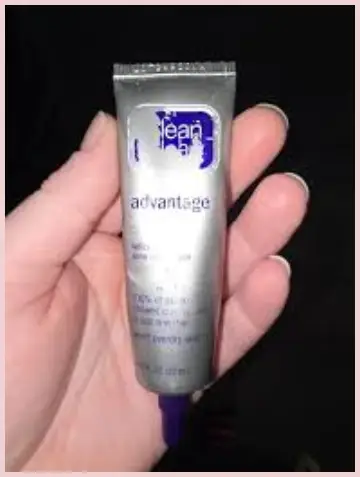
When I evaluate an acne spot treatment, I look beyond its promises.
I want to know whether it targets blemishes effectively, fits comfortably into a daily skincare routine, and offers reasonable value for the money.
Clean & Clear Acne Spot Treatment appeals to me because it focuses on individual breakouts rather than requiring me to apply a heavy product across my entire face.
The first thing I consider is convenience. Acne often appears unexpectedly, and nobody wants to spend several minutes applying multiple products to one small pimple.
A targeted treatment can simplify that process. After cleansing my skin, I can apply a small amount to the affected area, following the product’s instructions, and continue with the rest of my routine.
However, I would not judge a product solely by how quickly it dries or how noticeable it feels on the skin.
A spot treatment needs to do more than create a temporary feeling of dryness. Its effectiveness depends on its active ingredient, the type of acne being treated, and how consistently I use it.
Clean & Clear has offered acne products with different formulations over time, so I would always check the packaging before purchasing. Some spot treatments use benzoyl peroxide, which targets acne-causing bacteria, while others use salicylic acid, which helps unclog pores. These ingredients work differently, and the exact formula matters when deciding whether a particular product is right for me.
I also pay attention to irritation. If my skin feels tight, burns, or becomes unusually flaky after applying an acne treatment, I do not assume that the product is working better. Excessive dryness can make my skin uncomfortable and encourage me to abandon the routine altogether.
Another consideration is the size of the blemish. A small surface-level pimple may respond differently from a deep, painful cyst. I would expect a targeted product to be more useful for occasional pimples than for severe, widespread, or hormonally driven acne.
Overall, I see Clean & Clear Acne Spot Treatment as a practical option worth considering for people who want an affordable way to address individual breakouts. My recommendation is to choose the formulation that matches your skin, start carefully, and give it enough time to assess its effects instead of expecting every pimple to disappear overnight.
Pros Of Clean & Clear Acne Spot Treatment
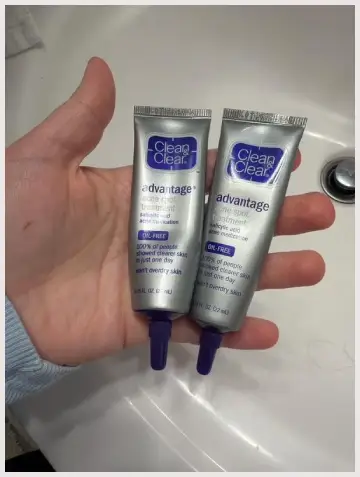
- Affordable for Everyday Skincare Budgets
One of the strongest advantages I see in Clean & Clear is its accessible price positioning.
Acne care can become expensive when I combine cleansers, serums, moisturizers, masks, and specialized treatments.
A spot treatment offers a more focused purchase. Instead of buying several products at once, I can start with one treatment designed for individual blemishes.
This is especially useful if I experience occasional breakouts rather than persistent acne across my face. I may not need an elaborate routine to address one or two pimples each month.
Affordability also makes it easier to maintain a consistent skincare routine.
However, I would compare the amount of product, active ingredient concentration, and formulation before deciding which option provides the best value.
A cheaper product is not automatically a better purchase, but an inexpensive treatment that suits my skin can be a sensible choice.
- Targets Individual Blemishes
I appreciate the targeted approach because different areas of my face may have different needs.
For example, I might experience an occasional pimple on my chin while the rest of my face remains relatively clear. Applying a strong acne treatment everywhere could expose healthy skin to unnecessary irritation.
A spot treatment lets me focus on the affected area. This approach may be particularly convenient when I want to keep the rest of my skincare routine gentle.
Still, targeted application does not mean applying as much product as possible. A thin layer used according to the instructions is generally a better starting point than repeatedly coating a blemish throughout the day.
- Easy to Incorporate Into a Routine
I do not want an acne product that requires complicated preparation or several additional steps.
A spot treatment usually fits into a straightforward routine involving cleansing, treatment, and moisturizing. Depending on the product directions, I can use it at the appropriate point in my routine without changing every other product I own.
This simplicity matters because consistency is often more useful than constantly switching between treatments.
If I use a product irregularly, it becomes difficult to determine whether it is helping. A simple routine makes it easier to monitor my skin’s response and recognize potential irritation.
- Useful for Occasional Breakouts
For someone who experiences an isolated pimple now and then, a targeted treatment may be more practical than an entire acne-focused skincare system.
I would particularly consider this type of product when breakouts are relatively mild and limited to a few small areas.
The active ingredient determines how useful it will be. Salicylic acid may be appropriate for clogged pores and some small blemishes, while benzoyl peroxide may be more suitable for inflammatory acne.
However, deep nodules and cysts are a different matter. These blemishes form farther beneath the skin and may not respond adequately to a product applied only to the surface.
- Offers a Familiar Starting Point for Acne Care
Starting a skincare routine can feel overwhelming when every product promises clearer skin.
Clean & Clear provides a recognizable entry point for people looking for an accessible acne treatment. Rather than beginning with a complicated collection of products, I can evaluate one treatment and decide whether it fits my needs.
I would still check the label carefully, particularly if I have sensitive skin or have reacted to acne ingredients before.
The important advantage is not that a familiar brand guarantees results. It is that a clearly labeled, appropriately selected product can help me build a more structured routine.
- Can Complement a Simple Skincare Routine
A spot treatment works best as part of a balanced approach rather than as a replacement for every other skincare step.
I would pair an appropriate acne treatment with a gentle cleanser, a non-comedogenic moisturizer, and broad-spectrum sunscreen during the day.
This combination helps me address blemishes while protecting the skin barrier.
When skin becomes excessively dry, rough, or irritated, I may feel tempted to add more products. I prefer the opposite approach: keep the routine simple and adjust only when necessary.
- Encourages More Focused Product Use
Another benefit is that targeted application can reduce how much product I use compared with applying the same treatment over my entire face.
This can be useful when I am trying to avoid unnecessary exposure to drying ingredients.
However, I would not assume that spot treatment is always more effective than applying an acne product across a wider acne-prone area. Some treatments work better when used consistently over the areas where breakouts typically develop.
The best application method depends on the formulation and its instructions.
Cons Of Clean & Clear Acne Spot Treatment
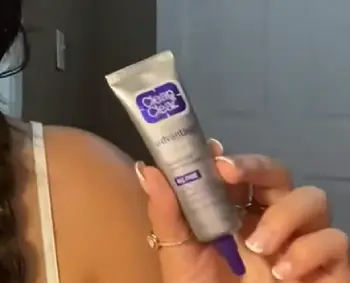
- Results Are Not Immediate
My biggest reservation with any acne spot treatment is the expectation that it will erase a pimple overnight.
A blemish can take several days to improve, and some pimples need considerably longer. Acne products also differ in their effectiveness depending on the underlying cause of the breakout.
I would give the product a reasonable trial period while monitoring my skin, rather than applying more whenever I fail to see an immediate change.
- May Cause Dryness and Irritation
Ingredients such as benzoyl peroxide and salicylic acid can cause dryness, redness, peeling, or stinging.
This is especially relevant if I already use exfoliating acids, retinoids, or other potentially irritating products.
I would begin cautiously, follow the label directions, and avoid combining multiple strong acne treatments without a clear reason.
If irritation becomes persistent or severe, I would stop using the product and seek professional advice when needed.
- Not Every Formulation Suits Every Skin Type
Clean & Clear is a brand, not a single formula. Products sold under the same brand name can contain different active ingredients, concentrations, and supporting ingredients.
A formula that works well for oily skin may feel too drying for someone with a compromised skin barrier.
Likewise, a person with frequent clogged pores may need a different approach from someone dealing mainly with inflamed pimples.
I would always examine the exact product label rather than assuming every Clean & Clear treatment performs identically.
- Limited Benefits for Severe Acne
A spot treatment is not necessarily enough for persistent acne, painful cysts, widespread inflammation, or breakouts that leave scars.
Applying treatment to individual pimples may address some visible blemishes while leaving the underlying pattern of recurring acne unchanged.
If breakouts are severe, painful, or persistent despite consistent care, I would consult a dermatologist rather than repeatedly buying new spot treatments.
- Can Be Overused
It is easy to assume that more product means faster results. Unfortunately, excessive application can increase irritation without making a pimple disappear sooner.
I would follow the stated frequency and avoid layering several acne treatments onto the same area.
The goal is to treat the blemish while keeping the surrounding skin healthy.
- May Not Prevent Future Breakouts on Its Own
Treating one pimple does not necessarily prevent another from appearing nearby.
Recurring acne can be influenced by pore congestion, hormones, genetics, medications, and other factors.
If I experience regular breakouts, I may need a preventive routine rather than relying exclusively on spot treatment.
Maintenance Tips For Clean & Clear Acne Spot Treatment
- Cleanse Gently Before Application
I would start with a gentle cleanser that removes oil, sweat, sunscreen, and everyday impurities without leaving my skin feeling stripped.
Harsh scrubbing is unnecessary. Rubbing a pimple aggressively can increase irritation and make the area more uncomfortable.
After cleansing, I would gently pat my face dry with a clean towel. If the product instructions specify application to dry skin, I would allow the area to dry completely before applying the treatment.
This small step helps me avoid introducing unnecessary friction or moisture-related irritation into my routine.
- Apply a Small Amount
I would apply a thin layer to the affected area, following the directions printed on the package.
Using a large amount does not guarantee better results. It may simply increase the chance of redness, peeling, or discomfort.
I would also avoid applying the product near my eyes, inside my nostrils, or on my lips unless the label explicitly permits it.
If I am using a new formulation, I would start conservatively and observe how my skin responds.
- Avoid Picking or Squeezing Pimples
I know how tempting it can be to squeeze a pimple when it becomes noticeable. However, picking can worsen inflammation, delay healing, and increase the risk of scarring or dark marks.
A spot treatment works best when I give the blemish time to settle.
If a pimple is particularly painful or swollen, I would resist the urge to force it to drain. A dermatologist can recommend more appropriate treatment for deeper lesions.
- Moisturize Consistently
Moisturizer is an important part of acne care, even if my skin is oily.
An appropriate non-comedogenic moisturizer can help reduce dryness and support the skin barrier while I use an acne-fighting ingredient.
I would choose a lightweight formula that feels comfortable and does not leave my skin excessively greasy.
If my face becomes tight or starts peeling, I would reassess how frequently I use the treatment rather than automatically adding more acne products.
- Use Sunscreen During the Day
I would apply a broad-spectrum sunscreen with SPF 30 or higher every morning.
Sun exposure can worsen the appearance of post-acne dark marks, especially in skin that is prone to hyperpigmentation. Some acne treatments can also make skin more vulnerable to irritation.
Sunscreen does not replace acne treatment, but it helps protect my skin while blemishes heal.
I would reapply it as directed, especially after sweating, swimming, or spending extended periods outdoors.
- Avoid Combining Too Many Active Ingredients
One of the easiest ways to make an acne routine unnecessarily harsh is to combine several strong treatments at once.
For example, using a spot treatment alongside exfoliating acids, retinoids, and other drying products may increase irritation.
I would introduce one new active product at a time so that I can identify what helps and what causes problems.
If I use prescription acne medication, I would check with my clinician or pharmacist before adding another active treatment.
- Keep the Container Clean and Properly Stored
I would close the cap tightly after every use and store the product according to its packaging instructions.
Keeping the container away from excessive heat, direct sunlight, and moisture can help preserve the product’s quality.
I would avoid touching the applicator to dirty surfaces or sharing the product with other people.
I would also check the expiration date and discard the product if its texture, smell, or appearance changes unexpectedly.
Comparison Of Clean & Clear Acne Spot Treatment With Other Brands
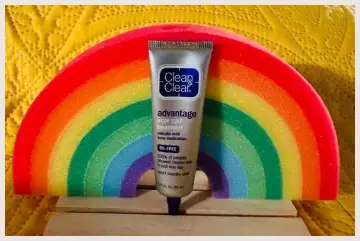
- Clean & Clear vs. Neutrogena
Neutrogena offers a broad range of acne products, including cleansers and treatments with different active ingredients.
I would compare the exact formulations rather than assuming one brand is always superior.
If a Clean & Clear treatment and a Neutrogena treatment contain different active ingredients, their effects may vary considerably.
Clean & Clear may appeal to me when I want a straightforward, budget-conscious option. Neutrogena may offer a more suitable alternative if I find a particular formulation that better matches my skin.
My decision would depend on ingredient concentration, tolerability, price, and the type of acne I experience.
- Clean & Clear vs. Differin
Differin is associated with adapalene, a topical retinoid used to treat acne. Unlike a traditional spot treatment, adapalene is commonly applied across acne-prone areas to help prevent clogged pores and new breakouts.
This makes the comparison particularly important.
If I have one occasional pimple, a targeted Clean & Clear treatment may be a simpler starting point. If I have recurring comedonal acne or frequent breakouts, adapalene may be worth discussing with a healthcare professional or considering according to its approved directions.
Adapalene can cause dryness and irritation, especially when first introduced, and it is not suitable for everyone. People who are pregnant or planning pregnancy should seek medical advice before using topical retinoids.
- Clean & Clear vs. PanOxyl
PanOxyl is known for benzoyl peroxide acne washes and related products. Benzoyl peroxide can be useful for inflammatory acne because it reduces acne-causing bacteria.
If the Clean & Clear formulation I am considering also contains benzoyl peroxide, I would compare its concentration, delivery method, and directions with the PanOxyl option.
A leave-on spot treatment and a wash are not interchangeable. A wash is rinsed off, whereas a leave-on product remains on the skin for longer.
I would choose based on the treatment format I can tolerate and use consistently, rather than assuming a stronger product will necessarily deliver better results.
- Clean & Clear vs. CeraVe Acne Products
CeraVe offers acne products designed around active ingredients such as benzoyl peroxide or salicylic acid, depending on the product.
One factor I would consider is the overall formulation, including moisturizing ingredients and how the product feels on my skin.
If my skin becomes dry easily, I would look for an acne treatment that fits comfortably into a barrier-supportive routine.
Clean & Clear may still be a reasonable choice if its formulation suits me and costs less. CeraVe may be preferable if a specific product offers the combination of acne treatment and skin comfort I need.
Neither brand automatically wins for every skin type.
- Clean & Clear vs. The Ordinary
The Ordinary is known for ingredient-focused skincare, including products containing salicylic acid and other active ingredients.
I would compare the specific products carefully because not every product from either brand is designed to perform the same function.
For occasional blemishes, a ready-to-use spot treatment can be convenient. An ingredient-focused product may appeal to someone who wants to address a broader skincare concern, but it still needs to be selected and used appropriately.
My priority would be avoiding unnecessary overlap. Combining multiple exfoliating products does not guarantee clearer skin and may increase irritation.
Which Brand Would I Choose?
I would choose Clean & Clear when I want an accessible, targeted treatment for occasional blemishes and the specific formulation matches my needs.
I would consider Differin when recurring acne requires a preventive approach, and I would compare benzoyl peroxide products when inflammatory pimples are my main concern.
For sensitive or easily irritated skin, I would pay particular attention to the formula, application frequency, and moisturizing routine.
The best option is not necessarily the most expensive or strongest one. It is the treatment that addresses my type of acne while remaining comfortable enough to use correctly.
Who Should Buy Clean & Clear Acne Spot Treatment?
I would consider this product if I experience occasional mild breakouts, want a targeted treatment, and prefer an affordable skincare option.
It may also suit someone who already has a basic skincare routine and wants to add a product for individual blemishes.
However, I would be more cautious if my skin is highly sensitive, damaged, or prone to significant irritation. I would check the active ingredient and avoid purchasing based on the brand name alone.
People with deep, painful acne, widespread breakouts, or acne that leaves scars may benefit more from professional assessment than from repeatedly trying over-the-counter spot treatments.
Is Clean & Clear Acne Spot Treatment Worth Buying?
For me, the product’s value comes down to three factors: the formulation, the severity of my acne, and how well my skin tolerates it.
Its targeted format and accessible price can make it a practical choice for occasional blemishes. However, it is not a guaranteed overnight solution, and the brand’s name alone cannot tell me whether a specific product will work for my skin.
Before buying, I would confirm the active ingredient, read the application instructions, and consider whether I need a spot treatment or a preventive acne product.
I would also avoid expecting one product to solve every skincare concern. A gentle cleanser, moisturizer, sunscreen, and realistic expectations can make a significant difference in how comfortably I manage breakouts.
Also Read: Is Wet And Forget Shower Cleaner Worth It?
Frequently Asked Questions (FAQ)
It can help with mild acne, depending on the product’s active ingredient and your skin type. Results vary.
Benzoyl peroxide is a useful option for inflamed pimples, while salicylic acid can help unclog pores. The best choice depends on your acne.
Some blemishes may improve within several days, but meaningful improvement can take longer. Results depend on the formulation and severity of the acne.
It offers accessible skincare products, including acne treatments. Whether it is a good choice depends on the specific formula and your skin’s needs.
Wrapping Up
My verdict is that Clean & Clear Acne Spot Treatment is worth considering if you want an affordable, convenient way to manage occasional blemishes.
I would buy it after checking the active ingredient and confirming that it suits my skin. Its biggest advantages are targeted application and simplicity, while the main drawbacks are possible irritation and limited effectiveness for severe acne.
If you want a straightforward starting point for mild breakouts, Clean & Clear may be a sensible option—but consistent use and a skin-friendly routine matter just as much as the product itself.
Recent Posts
Balega Hidden Comfort Running Socks Reviews: Are They Worth Buying?
If you want running socks that prioritize cushioning, comfort, and blister protection, Balega Hidden Comfort running socks deserve a place on your shortlist. I consider them a strong option...
Isntree Hyaluronic Acid Aqua Gel Cream Reviews: Is It Worth Buying?
If you want lightweight hydration without the greasy feeling of a heavy moisturizer, Isntree Hyaluronic Acid Aqua Gel Cream is worth considering.I would recommend it to people with oily,...