
Leather scratches, peeling surfaces, cracks, and worn-out spots can make even expensive furniture, car seats, shoes, and handbags look old.
That’s why products like Cremsy Leather Patch have attracted attention from people looking for convenient repair solutions.
In my assessment, Cremsy may be worth considering if you want an affordable way to address minor leather damage without replacing an entire item.
However, I recommend checking its material compatibility, application instructions, and customer feedback before purchasing.
My First Experience With Cremsy Leather Patch
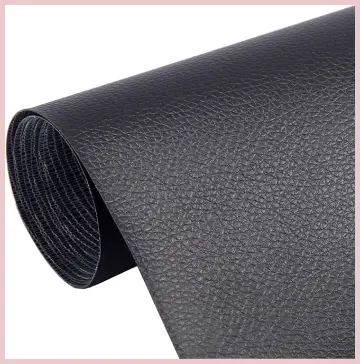
When I evaluate a leather repair product, I look beyond its advertised promises.
What matters most is whether it can make damaged leather look better, remain securely attached, and withstand normal everyday use.
Cremsy Leather Patch is a product that deserves consideration from people who want a practical solution for visible imperfections without committing to expensive professional restoration.
One of the first things I consider is the type of damage a leather patch is supposed to address. A small scratch on a handbag is different from a large tear in a car seat.
Similarly, a peeling synthetic leather sofa requires a different repair approach from a genuine leather jacket. Understanding these differences is important before deciding whether Cremsy is suitable for your particular situation.
My biggest consideration would be application convenience. Most people don’t want a complicated restoration project involving several tools, professional equipment, or hours of preparation.
A repair patch should ideally be straightforward to position and apply. If Cremsy offers a ready-to-use patch format, that could make it appealing to beginners who want to handle minor repairs themselves.
Appearance is another important factor. Nobody wants to fix a damaged leather surface only to create an obvious patch that attracts even more attention.
I would pay close attention to the product’s available colors, texture, dimensions, and flexibility. A good color match can make a considerable difference in the finished appearance.
I would also consider how the patch behaves when applied to curved or frequently used surfaces. Car seats, sofa cushions, and handbag corners experience regular movement.
A repair that looks promising initially may become less attractive if its edges begin lifting after repeated use.
One important distinction is that I wouldn’t automatically treat Cremsy as a complete leather restoration system.
A surface patch generally covers or reinforces damaged areas, while leather conditioners and repair creams address different problems. The exact results depend on the product’s construction and intended use.
Overall, my first impression is that Cremsy is worth investigating for people seeking a convenient repair option. However, I would want clear product specifications and verified customer experiences before making a confident judgment about its long-term performance.
Pros Of Cremsy Leather Patch
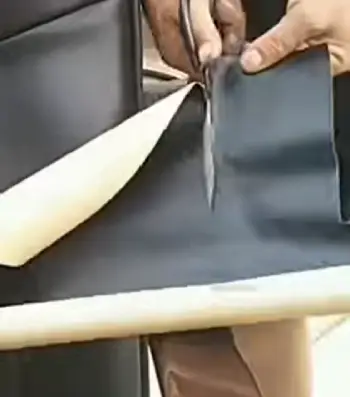
- Convenient Approach to Minor Leather Damage
Convenience is one of the biggest reasons people consider leather repair patches. Replacing an entire leather item because of one damaged section can be expensive and frustrating.
If Cremsy provides a suitable ready-to-apply patch, it could simplify minor repair work. You wouldn’t necessarily need professional restoration equipment or advanced leatherworking knowledge.
For example, imagine noticing a small worn section on your favorite office chair. Instead of immediately shopping for a replacement, you could investigate whether a properly sized repair patch is suitable.
The main advantage is the possibility of extending the useful life of an existing item.
- Potentially More Affordable Than Professional Restoration
Professional leather restoration can involve labor, specialized materials, and color-matching services. The total cost depends on the item’s size and the seriousness of the damage.
For relatively minor surface problems, a repair patch may provide a more economical alternative.
I particularly like the idea of having an accessible repair option for everyday household items. A small damaged section shouldn’t automatically mean that an otherwise functional sofa, handbag, or chair needs replacement.
However, affordability should never be the only purchasing consideration. A cheap patch that repeatedly detaches can become more expensive than a properly completed repair.
- Suitable for Different Everyday Applications
Depending on its actual material compatibility and available sizes, a leather repair patch may be useful for several applications.
Potential examples include:
- Leather furniture with small damaged sections.
- Handbags with worn corners.
- Car upholstery with minor surface imperfections.
- Office chairs showing localized wear.
- Leather accessories with small tears or scratches.
I would still verify the manufacturer’s approved applications before using Cremsy on any particular surface.
- Helps Improve the Appearance of Worn Surfaces
Visible damage can make otherwise attractive leather products look neglected. A well-matched patch may help conceal an affected area and create a cleaner appearance.
Color matching is especially important here. Black, brown, tan, cream, and other leather shades can have subtle variations.
A patch that looks almost identical under indoor lighting may appear noticeably different in natural sunlight.
I would therefore compare the patch against the actual leather surface before applying it permanently.
Cons Of Cremsy Leather Patch
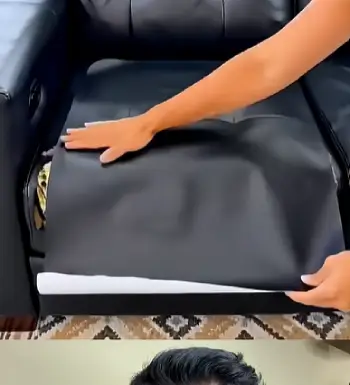
- Product Specifications Need Careful Verification
One concern I would have before purchasing Cremsy is the importance of understanding exactly what the product contains and how it works.
Without verified specifications, I wouldn’t assume its material, adhesive strength, dimensions, or compatibility.
Look for clear information about the product’s construction, application method, and recommended surfaces.
- Color Matching Can Be Difficult
Leather comes in many shades and finishes. Even two black leather surfaces can have different undertones, textures, and levels of shine.
If the patch doesn’t match the original material, the repaired area may remain visible.
This isn’t necessarily a problem with Cremsy alone. It’s a common limitation of adhesive leather repair products.
- Not Ideal for Every Type of Damage
A patch may work for a small localized tear but may not solve extensive cracking, deep structural damage, or widespread peeling.
If the surrounding material is weak, the adhesive may have difficulty staying attached.
For serious damage, professional restoration may be more appropriate.
- Adhesion Depends on Surface Preparation
Dust, oil, moisture, cleaning-product residue, and loose leather coatings can interfere with adhesive performance.
Even a well-designed patch may struggle if the application surface hasn’t been prepared properly.
This means the repair process may require more attention than simply placing a patch over damaged material.
- Long-Term Durability Is Not Guaranteed
I wouldn’t assume a repair patch will remain perfect indefinitely.
Heat, friction, moisture, sunlight, and repeated movement can affect adhesive performance.
This is especially important for automotive upholstery and frequently used furniture.
Without independently verified durability information, I would avoid treating Cremsy’s long-term performance as established.
Maintenance Tips For Cremsy Leather Patch
- Clean the Repaired Area Regularly
I recommend using a soft microfiber cloth to remove dust and surface dirt.
Avoid aggressive scrubbing, especially around the patch edges.
If the manufacturer permits mild leather cleaning products, use them according to their directions.
Regular gentle cleaning helps prevent dirt from accumulating around the repaired area.
- Avoid Excessive Moisture
Leather and adhesive-backed repair materials can respond differently to moisture.
I would avoid soaking the repaired section or using excessive water during cleaning.
For automotive seats and furniture, quickly wipe away spills using an appropriate cleaning method.
If moisture gets underneath an adhesive patch, it could potentially affect its attachment.
- Keep the Surface Away From Excessive Heat
Heat can affect leather coatings and some adhesive formulations.
Try not to expose repaired surfaces to prolonged direct sunlight or excessive heat.
For car interiors, parking in shaded areas when possible may help reduce unnecessary heat exposure.
- Use Compatible Leather Conditioners
Conditioning can help maintain suitable genuine leather surfaces, but not every leather repair patch should be treated with conditioner.
Some adhesive patches have synthetic surfaces that may not respond well to conventional leather conditioners.
I would avoid applying oils, creams, or conditioners directly over the patch unless the manufacturer confirms compatibility.
- Check the Edges Periodically
One maintenance habit I consider particularly important is checking the patch edges.
Look for lifting, curling, bubbling, or separation.
Addressing a small issue early may prevent further deterioration.
Don’t pull at loose edges or attempt to force an unsuitable adhesive underneath them.
- Avoid Excessive Friction
Repeated rubbing can affect the appearance of both leather and repair patches.
Try not to drag sharp objects, rough bags, or abrasive materials across repaired sections.
For frequently used furniture, consider how clothing, belts, and accessories come into contact with the surface.
- Follow the Manufacturer’s Care Instructions
Different repair products have different maintenance requirements.
Some may require special cleaning precautions, while others may tolerate ordinary gentle care.
I would always prioritize the instructions supplied with Cremsy over general maintenance recommendations.
- Store Unused Patches Properly
If the product includes additional patches, store them in their original packaging.
Keep them away from excessive heat, moisture, and dust.
Proper storage can help protect unused adhesive materials until they’re needed.
Comparison Of Cremsy Leather Patch With Other Leather Repair Brands
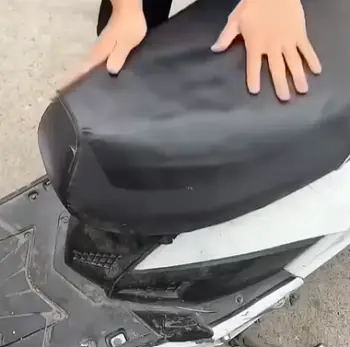
- Cremsy Leather Patch vs. MASTAPLAST Self-Adhesive Leather Repair Patches
Self-adhesive repair patches are popular among people who want a relatively simple way to cover damaged upholstery.
Products from brands such as MASTAPLAST are generally associated with adhesive repair materials designed for covering worn or damaged surfaces.
The main consideration is material compatibility, patch thickness, color availability, and adhesive performance.
When comparing these options, I would focus on whether Cremsy provides a better size or color match for the specific repair.
I wouldn’t automatically assume one brand is more durable without comparable product specifications.
- Cremsy Leather Patch vs. FORTIVO Leather Repair Products
FORTIVO offers leather repair-related products that may appeal to people handling scratches, cracks, and surface imperfections.
The important difference is the type of repair product being compared.
A repair compound or liquid treatment doesn’t necessarily perform the same job as an adhesive patch.
If you’re dealing with a small tear that needs covering, a suitable patch may be more convenient. For certain scratches and surface imperfections, a compatible repair compound may provide a more integrated finish.
I would choose according to the damage rather than brand popularity.
- Cremsy Leather Patch vs. Coconix Leather Repair Kit
<PRIVATE_PERSON> Coconix is another recognizable name in the leather and vinyl repair category.
Its repair kits are generally intended for people who want to address damaged surfaces through a more involved restoration process.
A kit-based approach may provide more flexibility for repairs requiring filling, color adjustment, or finishing.
Cremsy could be more appealing if the particular product is a straightforward adhesive patch that requires fewer materials.
However, I would compare the actual product contents before deciding which option offers better value.
- Cremsy Leather Patch vs. Furniture Repair Tape
Furniture repair tape is another practical option for covering worn upholstery.
Its biggest attraction is convenience. Depending on the material, it may be possible to cut it to size and apply it without complicated preparation.
However, not all repair tapes have the flexibility, texture, or finish required for leather upholstery.
A dedicated leather repair patch may provide a more suitable appearance if its material closely matches the original surface.
Frequently Asked Questions (FAQ)
Its legitimacy cannot be confirmed without independently verified business details. Check seller information, customer reviews, contact details, and refund policies before purchasing.
A flexible, leather-compatible repair patch with a suitable adhesive and matching texture generally works best for minor tears and damaged areas.
Yes, compatible leather repair creams can improve certain scratches, scuffs, and minor surface imperfections. They cannot restore every type of damage.
For light scratches, a suitable leather conditioner or color-matched repair product may help. Deeper scratches may require a specialized repair compound or professional restoration.
Final Verdict
I think Cremsy Leather Patch is worth investigating if you need a convenient solution for minor leather damage.
Its potential appeal comes from the possibility of repairing localized imperfections without replacing an entire item. However, I would only recommend buying after verifying its material compatibility, product specifications, seller legitimacy, and customer feedback.
Choose a repair solution that matches your actual damage rather than relying on advertising promises.
Recent Posts
Trim Taste Cutting Mix has attracted attention as a convenient drink mix for people who want better appetite control, improved energy, and support with weight management. I can see why its...
Virgin Hair Fertilizer Reviews: Does It Really Help Hair Grow?
Virgin Hair Fertilizer is a popular hair care product marketed toward people who want thicker-looking hair, healthier strands, and improved scalp care.But does it actually support hair growth? In...