
If cooking perfect rice every day feels like a chore you never quite master, the CWC Rice Cooker might be the kitchen upgrade you’ve been putting off.
I’ve been using it consistently for months, and I’m here to give you the honest, real-user breakdown you actually need before spending your money. Buy the CWC Rice Cooker from authorized CWC dealers or trusted local electronics retailers across Bangladesh for the best warranty protection.
My Experience With CWC Rice Cooker
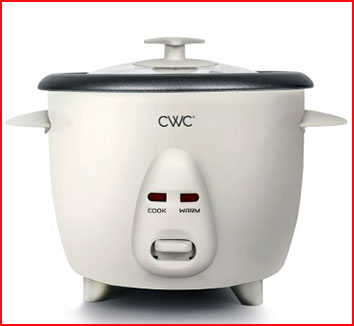
I’ll start with something most reviews skip — the moment before you buy matters just as much as the product itself.
I’d been cooking rice on a gas stove for years, and my results were inconsistent at best. Some days the rice was perfect.
Other days it was overcooked, sticky, or had that stubborn burnt layer at the bottom that takes real effort to scrub off. A colleague at work mentioned she’d switched to a CWC Rice Cooker and hadn’t touched her stovetop for rice since.
That recommendation sat in the back of my mind for about two weeks before I finally walked into a local electronics shop in Dhaka and picked one up.
The build quality was my first pleasant surprise. The outer casing felt solid, not the flimsy plastic feel you sometimes get with budget appliances. The inner pot had a reassuring weight and the non-stick coating looked smooth and even throughout.
My first cook was straightforward — plain white rice for four people. I rinsed the rice, added water using the measurement markings inside the pot, pressed the cook lever, and walked out of the kitchen. About twenty-five minutes later, I heard the click of the warm mode switching on automatically.
When I lifted the lid, the rice was genuinely perfect. Fluffy, well-separated grains, nothing stuck, no burnt bottom. That first result hooked me immediately.
Over the following weeks, I tested it with BR-28, miniket, and aromatic varieties. Every result was consistent. I also used the cooker for khichuri and found it handled the different texture requirements without any issues. The automatic keep-warm function held the rice in great condition for over an hour without any drying out or textural loss.
By the end of the first month, I had completely removed stovetop rice from my daily routine — and I haven’t missed it once.
Read More: My Experience with Red Chef Ceramic Cookware
Pros Of CWC Rice Cooker
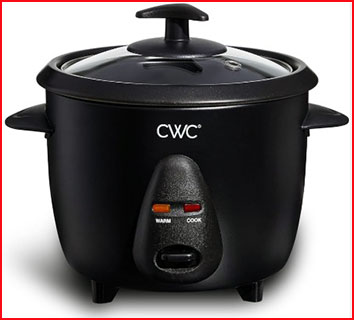
- Consistently Reliable Cooking Results: The CWC produces evenly cooked rice on every single attempt without fail. Consistent performance across different rice varieties makes it an extremely dependable daily kitchen tool.
- Automatic Switch To Keep-Warm Mode: Once cooking completes, the cooker shifts to warm mode without any input required from you. Your rice stays perfectly warm and ready to serve for a comfortable window of time.
- Durable Non-Stick Inner Pot: The inner pot features a quality non-stick surface that prevents rice from sticking and makes post-meal cleanup genuinely quick. A soft sponge and warm water is usually all you need.
- Straightforward One-Touch Operation: There are no complicated menus, programming steps, or settings to figure out. Press the lever, walk away, and come back to perfectly cooked rice every single time.
- Accessible Price Point For Bangladeshi Households: CWC delivers solid, reliable cooking performance at a price that fits practical household budgets in Bangladesh. You’re getting genuine quality without paying premium import brand prices.
- Available In Multiple Capacity Sizes: CWC offers different size configurations so you can match the cooker capacity to your actual household needs — whether you’re cooking for two people or a larger family gathering.
- Efficient Energy Consumption During Daily Use: CWC cookers are designed to use electricity efficiently relative to their output. Daily use won’t dramatically increase your power consumption compared to stovetop alternatives.
- Tight Lid Seal For Effective Steam Retention: The lid fits snugly and keeps steam locked inside the pot throughout the cooking cycle. Proper steam retention is directly responsible for producing fluffy, evenly hydrated rice consistently.
- Handles Local Rice Varieties Reliably: Whether you’re cooking parboiled rice, miniket, BR-28, or kataribhog, the CWC handles local Bangladeshi rice varieties without requiring manual adjustments to cooking technique.
- Stable Base Prevents Movement During Operation: The cooker sits firmly on kitchen surfaces while running. That stability matters when the appliance is operating unattended while you focus on the rest of the meal.
- Strong Local Service And Spare Parts Network: CWC has a solid dealer and service network across Bangladesh. Finding replacement parts or service support is straightforward compared to imported brands with limited local presence.
- Space-Efficient Design For Everyday Kitchen Counters: The compact footprint of most CWC models sits comfortably on a standard kitchen counter without crowding your available workspace or dominating the surface around it.
Cons Of CWC Rice Cooker
- No Advanced Cooking Features Or Presets: CWC doesn’t offer fuzzy logic, multiple cooking programs, or digital timers. If advanced smart-cooking functionality is on your wishlist, this basic model won’t meet those expectations.
- Non-Stick Surface Degrades With Heavy Daily Use: Like all non-stick coatings, the inner pot surface will show wear over extended daily use. Using abrasive cleaning tools or metal utensils accelerates this degradation significantly over time.
- Steam Vent Drips During Active Cooking: Condensation from the steam vent can drip onto the countertop surface during the cook cycle. Placing a small cloth or tray beneath the cooker manages this minor inconvenience easily.
- Keep-Warm Mode Has A Limited Quality Window: The warm function maintains good rice texture reliably for about one to two hours. Beyond that period, the rice can begin to dry out or develop a slightly altered taste.
- No Delay Start Or Timer Programming Function: You cannot program the CWC to begin cooking at a future scheduled time. For users who want rice ready precisely when they arrive home, this absent feature is a real limitation.
- Lid Handle Quality Inconsistent Across Models: On certain lower-priced CWC model tiers, the lid handle feels less robust than the rest of the appliance build. It functions adequately but the quality gap is noticeable on entry-level versions.
Maintenance Tips For CWC Rice Cooker
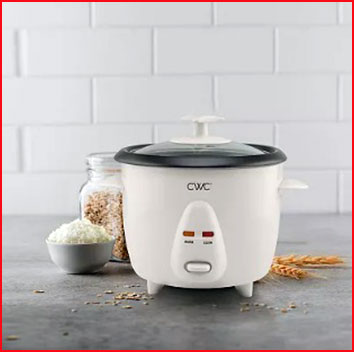
- Clean The Inner Pot After Every Single Use: Remove the inner pot promptly after serving rice, wash it with warm water and mild dish soap, and allow it to dry completely before placing it back inside the cooker body.
- Use Only Soft Sponges For Inner Pot Cleaning: The non-stick coating is the most critical functional surface in the cooker. Always use a soft sponge or cloth — never steel wool, abrasive pads, or rough scrubbers that scratch and degrade the coating.
- Wipe The Outer Body With A Damp Cloth Only: The cooker’s exterior needs only a light wipe-down with a slightly damp cloth after use. Never spray cleaners directly on the body or use soaking-wet cloths near the electrical housing.
- Remove And Wash The Inner Lid Cover Regularly: Most CWC models include a removable inner lid or steam cap. Detach it every few uses and wash it separately with warm soapy water to prevent starch and moisture buildup inside.
- Inspect And Clear The Steam Vent Weekly: Starch particles and mineral deposits can partially block the steam vent over weeks of use. Check it weekly and gently clear any visible buildup using a soft toothpick or lightly damp cotton cloth.
- Never Submerge The Outer Cooker Body In Water: The outer housing contains the heating element and electrical components. Only the removable inner pot and lid parts should ever be washed with water — the body must only be wiped clean.
- Dry All Components Completely Before Reassembly: Moisture trapped between the inner pot and heating plate causes uneven cooking and can damage the heating element gradually. Always ensure every part is fully air-dried before reassembling the cooker.
- Avoid All Metal Utensils Inside The Inner Pot: Use wooden, silicone, or plastic spoons when scooping rice from the pot. Even a single scratch from a metal utensil starts a degradation process in the non-stick surface that compounds with every use.
- Clean The Heating Plate Once A Month: Starch residue and water mineral deposits accumulate on the heating plate over months of daily use. Wipe it gently with a cloth lightly dampened with diluted white vinegar monthly to maintain consistent heat efficiency.
- Store The Cooker With Lid Slightly Open: When storing between uses, leave the lid fractionally open rather than fully closed and sealed. This prevents residual moisture from becoming trapped inside, which eventually causes unpleasant odors.
- Check The Power Cord For Wear Regularly: Inspect the power cord for any fraying, kinking, or visible damage every few weeks. A damaged cord affects cooking performance and creates a household safety concern that should be addressed immediately.
- Always Use The Correct Water-To-Rice Ratio: Consistent use of accurate water measurements keeps the cooking process clean and prevents overflow, which reduces starch buildup on both the heating plate and the exterior surfaces of the cooker.
Comparison With Other Brands
CWC Vs. Miyako Rice Cooker
Miyako is one of the most widely recognized rice cooker brands across Bangladesh and has earned genuine household trust over many years of consistent retail presence.
Both CWC and Miyako target the same everyday household market at comparable price points, and their core cooking performance is legitimately similar. CWC’s inner pot tends to feel slightly more substantial in build quality on equivalent price-tier models.
Miyako benefits from broader retail visibility in smaller towns and districts. For straightforward daily cooking reliability, both are strong choices — but CWC holds a marginal edge in non-stick pot durability at matching price levels.
CWC Vs. Panasonic Rice Cooker
Panasonic carries the confidence of a globally recognized brand and offers models with considerably more advanced features than CWC — including fuzzy logic cooking technology on higher-tier models.
The comparison is direct: Panasonic wins on features and international brand assurance, CWC wins on price accessibility for Bangladeshi household budgets.
If your budget allows for Panasonic’s mid-range SR series, the additional investment delivers more versatility. For reliable, no-fuss daily rice cooking at a practical budget, CWC competes effectively and delivers genuine daily value.
CWC Vs. Vision Rice Cooker
Vision is a Bangladeshi domestic brand that has grown significantly in local market share, competing directly with CWC across similar price segments and household target demographics.
Based on consistent user feedback from local retail platforms and community conversations, CWC tends to produce more reliable cooking results for parboiled and aromatic rice varieties commonly used in Bangladeshi households.
Vision has improved meaningfully over recent years and deserves recognition as a legitimate competitor. However, CWC’s steam retention performance and heat distribution consistency give it a practical functional edge that daily users tend to appreciate over months of regular cooking.
Also Read: My thoughts on Kitchenaid 2 Slice Toaster
Frequently Asked Questions (FAQ)
CWC is a rice cooker brand available in the Bangladeshi appliance market, offering a range of electric cookers built for everyday household rice preparation. CWC models are recognized for their practical build quality, simple one-touch operation, and budget-friendly pricing suited to local household needs across Bangladesh.
Using a CWC rice cooker is genuinely simple. Rinse your rice, place it in the inner pot, add water according to the measurement markings inside the pot, close the lid securely, place the inner pot into the cooker, and press the cook lever firmly downward. The cooker automatically switches to keep-warm mode when rice is fully cooked — no monitoring or adjustments needed.
Several brands perform reliably in Bangladesh’s household market, including CWC, Miyako, Vision, and Panasonic. For everyday budget-conscious cooking, CWC and Miyako are consistently the most recommended options. Panasonic is the preferred choice when budget allows for premium build quality and more advanced cooking functionality beyond basic daily rice preparation.
Globally, Zojirushi and Tiger from Japan are widely recognized as the leading premium rice cooker brands, celebrated for advanced fuzzy logic technology and exceptional cooking precision. Within Bangladesh’s everyday household market, Miyako and Panasonic frequently top local preference surveys, with CWC earning consistent recognition among value-driven buyers who want reliable daily performance without a premium price.
Conclusion
If you want a dependable, easy-to-use rice cooker that handles daily Bangladeshi cooking demands without straining your household budget, the CWC Rice Cooker is genuinely worth it. It cooks consistently, cleans quickly, and completely removes the daily stress of stovetop rice preparation. Purchase from an authorized CWC dealer or a trusted local electronics retailer to ensure you receive a genuine product backed by proper warranty coverage and accessible after-sales support.
Recent Posts
● Interactive 5-Zone Interior & Exterior Paint Blueprint Paint Coverage Calculator: Gallons, Primer, Square Footage & Cost Tap any architectural surface zone on the blueprint...
If you want smooth, shiny hair without spending a fortune on a premium styling tool, the Ella Bella hair dryer may be worth considering.In these Ella Bella hair dryer reviews, I’ll look...