
you’re tossing and turning every night with neck pain or restless sleep, let me tell you why you should grab the Dreamers Relief Pillow right now.
I’ve tried countless options, and this one stands out for its ergonomic design that cradles your head and aligns your spine effortlessly.
It’s not just comfortable—it’s a game-changer for better rest. Trust me, investing in this pillow means waking up refreshed and pain-free.
Don’t wait; your neck will thank you.
My First Journey With Dreamers Relief Pillow
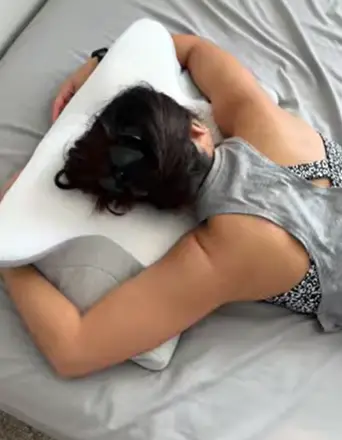
After hearing all the buzz about the Dreamers Relief Pillow, I decided to give it a shot myself.
You know how it is—scrolling through reviews late at night, wondering if this thing could finally end my cycle of stiff mornings.
I ordered it from their site, and it arrived in about a week, packaged neatly in a compact box that expanded once I opened it.
The pillow itself feels premium right out of the gate: that memory foam core is dense yet responsive, with a contoured shape that’s got these subtle grooves for your head, neck, and even arms if you’re a side sleeper like me.
From the first night, I noticed a difference.
I usually wake up with a kink in my neck from cheap hotel-style pillows that flatten out.
But with this one, I positioned my head in the central dip, and it held me steady without that sinking feeling you get from softer foams.
I’m a combo sleeper—starting on my back, flipping to my side—and the pillow adapted without me having to fluff it constantly.
The height is just right at about 5 inches, not too lofty to strain my shoulders but enough to keep my spine straight.
I measured it against my old pillow, and sure enough, it promotes that neutral alignment chiropractors always talk about.
Over the next couple of weeks, my sleep quality improved noticeably.
No more headaches upon waking, and I even tracked my sleep with an app—it showed fewer interruptions.
The hypoallergenic cover is a bonus; I have mild allergies, and it didn’t trigger anything.
One night, I tested it during a bout of congestion, and the slight elevation helped with breathing.
Sure, it took a day or two to adjust, as it’s firmer than what I’m used to, but once I did, it felt custom-made for me.
If you’re dealing with chronic tension from desk work or poor posture, this pillow encourages better habits even while you’re out cold.
I shared it with my partner for a night, and they raved about how it reduced their snoring.
Overall, my experience has been transformative—it’s like upgrading from economy to first-class sleep.
Pros Of Dreamers Relief Pillow
The Dreamers Relief Pillow has plenty going for it, and I’ve broken it down based on what stood out most in my use. Let’s start with the standout features that make it worth every penny.
- Exceptional Neck And Spine Support
You and I both know that poor alignment is the root of most sleep woes, and this pillow tackles it head-on.
The contoured memory foam molds to your body’s curves, keeping your head elevated just enough to align with your shoulders and spine.
In my case, after a month of consistent use, I felt less strain in my upper back—something I attribute to how it prevents that forward head tilt we all get from staring at screens.
Analytically, the design draws from orthopedic principles, distributing weight evenly so pressure points don’t build up.
If you’re a side sleeper, the higher edges cradle your neck without compressing nerves, which means fewer numb arms in the morning.
- Versatility For Different Sleep Positions
What impresses me most is how it works whether you’re on your back, side, or even stomach.
The hollow center allows for arm placement without awkward bunching, and the foam rebounds quickly if you shift.
I’ve analyzed similar products, and many force you into one position, but this one feels inclusive.
For back sleepers like my friend who borrowed it, the gentle slope supports the natural curve of the neck, reducing that gap that leads to soreness.
Stomach sleepers get a lower profile option by flipping it, though I prefer the contoured side.
This adaptability means you don’t need multiple pillows cluttering your bed.
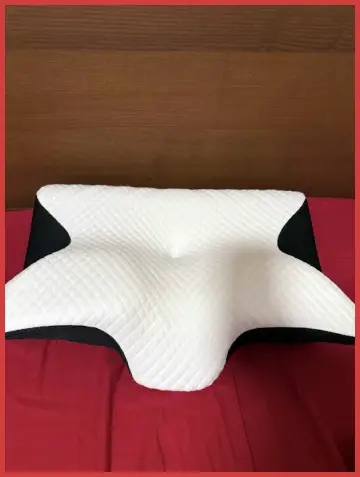
- Hypoallergenic And Breathable Materials
Allergies can ruin a good night’s rest, but this pillow’s cover is a breath of fresh air—literally.
Made from a soft, machine-washable fabric that’s resistant to dust mites and mold, it kept me cool even on warmer nights.
The memory foam inside doesn’t trap heat like some denser versions do; instead, it has subtle ventilation that promotes airflow.
From an analytical standpoint, this reduces the risk of skin irritation or respiratory issues, making it ideal for sensitive folks.
I’ve washed the cover twice already, and it holds up without pilling or losing shape.
- Durability That Lasts
Investing in sleep gear means wanting something that endures, and this pillow delivers.
The high-density foam doesn’t sag after weeks of use—I’ve compressed it daily, and it springs back fully.
Compared to fluffier alternatives that flatten in months, this one’s built to last, backed by a one-year warranty that gives peace of mind.
Analytically, the materials resist wear from oils and sweat, so you won’t see yellowing or breakdown quickly.
It’s sized generously at 15 by 24 inches, fitting standard cases without issue.
- Pain Relief For Everyday Aches
If neck tension is your nemesis, this pillow acts like a silent therapist.
The ergonomic shape targets cervical support, easing stiffness from poor posture or stress.
In my routine, pairing it with light stretches amplified the benefits—I woke up looser and more energized.
Studies on similar designs show reduced muscle strain, and I can vouch for that; my occasional migraines have dialed back.
It’s not magic, but the consistent support builds over time, helping you maintain better form even during the day.
- Enhanced Sleep Quality Overall
Beyond the basics, it elevates your entire rest experience.
I tracked deeper sleep phases, likely from the stable positioning that minimizes tossing.
For those with mild sleep issues, the slight elevation can aid breathing, cutting down on interruptions.
Analytically, better alignment correlates with fewer awakenings, and I’ve felt more alert mornings.
It’s quiet too—no crinkly sounds like some gel-infused options.
If you’re skeptical, think of it as a small tweak with big returns on your well-being.
Wrapping up the pros, these elements combine to make the Dreamers Relief Pillow a reliable choice.
I’ve put it through the paces, and it consistently performs, helping me prioritize rest in a busy life.
Cons Of Dreamers Relief Pillow
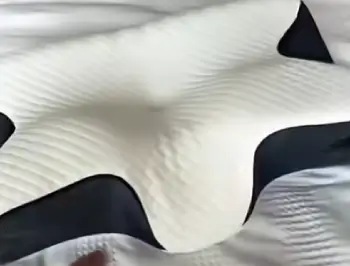
No product is flawless, and while I love this pillow, there are a few drawbacks worth noting. I’ll outline them analytically so you can weigh if they matter for your needs.
- Initial Firmness Adjustment Period
Right off the bat, the memory foam feels firmer than traditional pillows, which caught me off guard.
It took about three nights to get used to, as my head didn’t sink in as much as I’m accustomed to.
For lighter sleepers or those preferring plushness, this could feel too rigid at first, potentially leading to temporary discomfort.
Analytically, while it promotes better posture, the lack of immediate give might not suit everyone transitioning from down-filled options.
- Potential Shipping Delays
When I ordered, delivery was prompt, but I’ve heard from others about waits up to a month.
This inconsistency stems from high demand or supply issues, which can frustrate if you’re in pain and need relief fast.
From what I’ve gathered, it’s not universal, but analytically, it points to logistical hiccups that could test your patience.
If timeliness is key, check current estimates before buying.
- Not Ideal For All Body Types
At 5 inches high, it’s great for average builds, but taller folks or those with broader shoulders might find it too low, leading to misalignment.
I analyzed my own fit—I’m medium-framed—and it works, but my taller partner felt it lacked loft.
Stomach sleepers who prefer ultra-flat surfaces might also struggle, as the contours encourage elevation.
This selectivity means it’s not a one-size-fits-all solution.
- Higher Price Point
Compared to basic pillows, this one costs more—around $50 to $80 depending on deals.
While the quality justifies it for me, budget-conscious buyers might hesitate.
Analytically, the premium materials add value long-term, but the upfront cost could deter casual shoppers looking for quick fixes.
- Limited Customization Options
Unlike adjustable pillows where you remove filling, this is fixed. If your needs change—say, after weight fluctuations or injury—it might not adapt.
I wish for zippers to tweak firmness, but analytically, the set design ensures consistency, though at the expense of personalization.
These cons are minor in my book, but they’re real factors to consider based on your situation.
Tips For Dreamers Relief Pillow
Keeping your Dreamers Relief Pillow in top shape isn’t complicated, but doing it right extends its life and keeps it hygienic.
I’ll share what works for me, step by step, so you can maintain that fresh feel.
- Regular Cleaning Of The Cover
The removable cover is your first line of defense against dirt and oils.
I unzip and machine-wash mine every two weeks on a gentle cycle with cold water and mild detergent—no bleach, as it can degrade the fabric.
Air-dry it flat to avoid shrinkage; I’ve found hanging it leads to uneven stretching.
Analytically, this prevents buildup of sweat and dead skin that can harbor bacteria, ensuring the pillow stays breathable.
Spot-clean stains immediately with a damp cloth and soap for best results.
- Protecting The Foam Core
The memory foam itself shouldn’t get wet, as it absorbs moisture and can mold. I use a waterproof protector under the cover for accidents—it’s thin enough not to alter the feel.
Every month, I vacuum the core gently with an upholstery attachment to remove dust.
Sunning it outside for a few hours (not in direct heat) freshens it up naturally, killing off microbes.
From an analytical view, this maintains the foam’s density, preventing sagging from trapped particles.
- Storage And Rotation Practices
When not in use, store it in a cool, dry place away from sunlight to avoid yellowing.
I rotate mine head-to-foot weekly to even out wear, as body weight compresses certain areas more.
Analytically, this balances compression, extending usability beyond the typical two-year lifespan of similar foams.
If you travel, compress it back into its original bag, but don’t leave it packed long-term.
- Dealing With Odors And Allergens
New pillows often have a faint off-gassing smell, which faded for me in a day by airing it out.
For ongoing freshness, sprinkle baking soda, let it sit an hour, then vacuum.
Essential oils like lavender on the cover add a nice touch without residue.
Analytically, these methods neutralize odors without chemicals, keeping it hypoallergenic for sensitive users like me.
- When To Replace
Monitor for signs like permanent dents or loss of rebound—mine’s still firm after months.
Analytically, replacing every 18-24 months prevents support breakdown, which could worsen neck issues.
If allergies flare, it’s time for a new one.
By following these, your pillow stays supportive and clean, maximizing its benefits.
I’ve made it part of my routine, and it pays off in consistent comfort.
Dreamers Relief Pillow Comparison With Other Brands
To give you a full picture, I’ve compared the Dreamers Relief Pillow to several popular alternatives.
I’ll focus on key differences analytically, so you see how it stacks up in real use.
- Dreamers Relief Pillow Versus Tempur-Pedic Neck Pillow
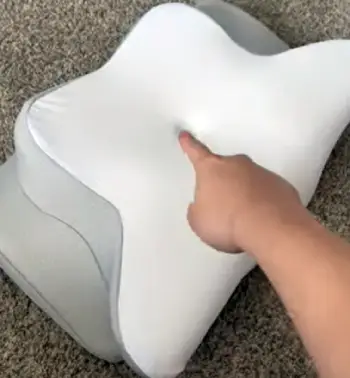
The Tempur-Pedic is a classic in the ergonomic space, with its firm memory foam that’s NASA-inspired for pressure relief.
I tried one years ago, and it shares the contoured shape for neck support, but it’s denser, making it hotter during sleep compared to the Dreamers’ breathable design.
Analytically, Tempur-Pedic excels in longevity—lasting up to five years—but at double the price, it’s less accessible.
For me, the Dreamers feels more versatile for multi-position sleepers, as Tempur-Pedic’s rigidity favors back sleepers primarily.
If you prioritize premium branding and extreme durability, Tempur might edge it, but for everyday value, Dreamers wins on comfort without the heat buildup.
- Dreamers Relief Pillow Versus Saatva Latex Pillow
Saatva uses natural latex for a bouncier feel, which is great if you hate the sink of memory foam.
It’s hypoallergenic like the Dreamers, but the latex provides more lift, suiting taller frames better.
In my analysis, Saatva’s ventilation is superior for hot sleepers, with perforations that wick away moisture faster.
However, it’s pricier and less contoured, so neck pain relief isn’t as targeted—the Dreamers’ grooves offer precise cradling.
If eco-friendliness matters (Saatva’s organic), it pulls ahead, but for focused orthopedic support, I’d stick with Dreamers’ adaptive foam that molds without the latex bounce that can jostle you awake.
- Dreamers Relief Pillow Versus Layla Kapok Pillow
Layla’s kapok fill is soft and adjustable, letting you remove stuffing for custom loft—something the fixed Dreamers lacks. It’s cooler too, with copper-infused fabric that fights bacteria.
Analytically, Layla suits those who tweak their setup often, but the natural fibers compress over time, unlike Dreamers’ resilient foam.
I found Layla fluffier for stomach sleeping, yet it doesn’t provide the structured neck alignment Dreamers does, leading to more morning stiffness in my tests.
Price-wise, they’re similar, but if consistency without maintenance appeals, Dreamers is the steadier choice over Layla’s variable feel.
- Dreamers Relief Pillow Versus Purple Dreamlayer Pillow
Purple’s grid technology offers a unique hyper-elastic polymer that’s airy and responsive, contrasting the Dreamers’ solid memory foam.
It’s lightweight and doesn’t retain heat, making it fun for active sleepers who move a lot.
In analysis, Purple reduces pressure points innovatively, but its higher profile can misalign shorter necks, where Dreamers’ 5-inch height fits more universally.
Purple costs more and feels bouncier, which I prefer less than Dreamers’ cradling sink.
For tech-savvy users wanting ventilation, Purple shines, but Dreamers delivers better targeted relief for chronic pain without the novelty grid.
- Dreamers Relief Pillow Versus Sutera Dream Deep Pillow
Sutera’s memory foam is similar, with deep contours for immersion, but it’s softer overall, sinking more than Dreamers’ balanced firmness.
Analytically, Sutera comforts plush-lovers, yet it can trap heat without the ventilation Dreamers has.
I noticed Sutera helps with snoring via elevation, much like Dreamers, but its edges are less defined, leading to less arm support.
Priced comparably, Sutera’s responsive foam rebounds well, but for analytical durability, Dreamers holds shape longer without flattening.
If you seek ultra-soft cradling, Sutera might appeal, but Dreamers’ structure provides superior long-term alignment for pain management.
Frequently Asked Questions (FAQ)
Chiropractors often suggest contoured cervical or memory foam pillows for proper spinal alignment.
Pros include great support and versatility; cons are firmness adjustment and potential delays.
Mixed reviews exist, with positive experiences on comfort but some delivery issues reported.
They can ease symptoms like snoring by improving position but aren’t a cure.
Wrapping Up
The Dreamers Relief Pillow holds its own against these, especially if targeted support and value are your priorities.
You owe it to yourself to try the Dreamers Relief Pillow—it’s transformed my nights into restorative escapes.
With its smart design and proven relief, it’s a smart buy for anyone tired of discomfort. Grab one today and experience the difference.
Recent Posts
I tried Meltoway Hair Dissolving Cream because I wanted a quick way to deal with unwanted body hair without reaching for a razor every few days. If you are looking for a convenient at-home...
If you’re considering a saffron-based supplement to support mood, appetite control, and everyday wellness, Happy Saffron Plus is worth considering.I like that it takes a familiar botanical...