
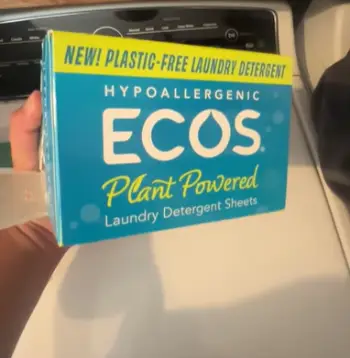
In my search for a simpler, less messy laundry routine, ECOS laundry sheets caught my attention because they promise convenient detergent dosing without the heavy plastic jugs.
I like the idea of keeping laundry supplies compact while making everyday washing easier.
But are these sheets effective enough for sweaty clothes, everyday stains, and fresh-smelling laundry?
In this review, I’ll examine their cleaning performance, convenience, value, and limitations.
If you want a lightweight alternative to traditional detergent, ECOS laundry sheets are worth considering before you make your next purchase.
My First Experience With ECOS Laundry Sheets
When I consider switching laundry products, I look beyond attractive packaging and promises about convenience.
I want something that fits into my routine, handles everyday dirt, and does not make washing clothes more complicated than it needs to be. ECOS laundry sheets appeal to me because they offer a compact alternative to liquid and powdered detergents.
The first thing I appreciate about laundry sheets is their simple format. Traditional detergent requires measuring, pouring, and sometimes cleaning up sticky residue around the bottle cap.
With a sheet-based product, you can take out the recommended amount and place it in the washing machine according to the package directions. There is no heavy bottle to lift and no measuring cup to rinse afterward.
I also like the storage advantage. If you have limited space in a laundry cabinet, a compact package can be easier to manage than a bulky detergent container.
This is especially useful when you live in an apartment, share a laundry room, or prefer keeping your cleaning supplies organized.
However, convenience alone does not make a detergent successful. I would pay close attention to how ECOS sheets perform on normal household laundry, including T-shirts, socks, towels, and bedding.
Lightly soiled clothing is generally easier to clean than garments with ground-in dirt, grease, or heavy perspiration. That distinction matters when deciding whether sheets can replace your regular detergent completely.
I would also consider how well the sheets dissolve. Water temperature, wash-cycle length, machine type, and the way detergent is loaded can influence the result. If a sheet does not dissolve properly, you might notice residue or uneven cleaning. Following the package instructions is therefore important.
Fragrance is another personal consideration. Some people prefer a noticeable laundry scent, while others want their clothes to smell neutral after washing.
Rather than assuming every ECOS sheet offers the same fragrance experience, I would check the specific product variant and its ingredient information before buying.
Overall, I see ECOS laundry sheets as a potentially convenient option for everyday laundry, particularly for people who want less clutter and easier detergent handling.
I would still judge their value by cleaning results, cost per load, and performance on the types of stains my household encounters most often.
Pros Of ECOS Laundry Sheets
- Convenient and Easy to Use
Convenience is one of the biggest reasons I would consider laundry sheets.
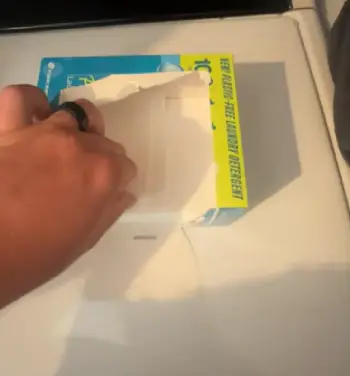
With traditional detergent, you often need to estimate the right amount, pour it carefully, and avoid spilling it on the machine or floor. Sheets simplify that process because you handle a premeasured format instead of pouring liquid.
This can be particularly helpful when you are doing several loads in one day. You can prepare your laundry supplies quickly without repeatedly filling a measuring cap.
Premeasured detergent can also help reduce accidental overpouring. Using too much detergent may contribute to residue, excessive suds, or additional rinsing in some situations.
However, you should still follow the recommended amount. A premeasured sheet does not guarantee that one portion is suitable for every load size or level of dirt.
- Compact Storage
I consider storage a meaningful advantage, especially if your laundry area is small.
A conventional detergent bottle can occupy considerable cabinet space. Large refill containers and powder boxes can also be awkward to arrange alongside fabric softener, stain removers, and other cleaning products.
Laundry sheets generally require less storage space because they are lightweight and compact. You can keep the package in a designated laundry cupboard without rearranging everything else.
This is useful for apartment dwellers, students, people living in shared accommodation, and anyone who wants a tidier laundry area.
Just remember to keep the package dry. Moisture can affect sheet products, causing them to stick together or become difficult to handle.
- Less Mess During Laundry
One thing I dislike about liquid detergent is the residue that can collect around the cap and bottle opening. Eventually, that sticky buildup can transfer to your hands, shelf, or washing machine.
Laundry sheets can help avoid much of that mess because there is no liquid to pour.
They also eliminate the need to rinse a measuring cup after each use. If you wash clothes frequently, these small conveniences can save time and make laundry feel less tedious.
Still, sheets are not completely mess-proof. Wet hands, damp storage conditions, or improper placement can create handling problems.
- Lightweight and Portable
ECOS laundry sheets may be useful if you travel frequently, move between homes, or use a shared laundry facility.
Carrying a compact package is easier than transporting a large detergent bottle. You can take the amount you need without worrying about liquid leaks inside your bag.
They may also be convenient for students who use communal washing machines or for people who want to keep a small laundry kit in a cupboard.
For travel, however, you should keep the sheets in their original packaging or another clearly labeled, moisture-resistant container. Detergent products should always be stored away from children and pets.
- Potentially Useful for Everyday Laundry
Most households wash a mixture of lightly and moderately soiled clothing. Everyday items such as T-shirts, pajamas, casual trousers, and bedding generally do not require the same treatment as heavily stained workwear.
For these routine loads, a properly formulated laundry sheet may offer a practical cleaning option.
I would assess ECOS sheets based on whether they remove ordinary body oils, dust, food residue, and everyday odors without leaving visible detergent residue.
It is important to be realistic, though. No detergent performs equally well on every fabric and stain. Heavily soiled clothing may need pretreatment, a longer cycle, or a different detergent formulation.
- A Possible Alternative to Bulky Detergent Packaging
Laundry sheets can help reduce reliance on large detergent containers, depending on how the product is packaged.
That may appeal to shoppers who want to reduce household clutter and avoid transporting heavy bottles home from the store.
However, I would not assume that every sheet package has a lower overall environmental impact than every liquid detergent. Packaging materials, manufacturing, ingredients, and disposal all matter.
The most useful approach is to compare the specific products available to you rather than relying on broad environmental claims.
Cons Of ECOS Laundry Sheets

- Stubborn Stains May Require Extra Treatment
The biggest question is cleaning performance.
Laundry sheets may handle ordinary dirt adequately, but grease, dried food, grass, makeup, and heavily soiled work clothes can be more demanding. Results depend on the specific formulation and washing conditions.
If you regularly wash sports uniforms or clothes exposed to oily substances, you may need to pretreat stains or use a detergent specifically suited to those cleaning challenges.
This does not necessarily mean ECOS sheets are ineffective. It means you should evaluate them according to your household’s actual laundry needs.
- Dissolving Can Be Inconsistent
A sheet must disperse properly during the wash. If it becomes trapped in a fold of clothing or receives insufficient water circulation, some residue may remain.
Cold-water cycles, tightly packed loads, and certain machine configurations can make detergent distribution more challenging.
To reduce the risk, follow the product’s loading instructions, avoid overfilling the drum, and ensure the sheet is positioned as directed by the manufacturer.
If residue repeatedly appears, review the washing instructions and consider whether another detergent format is better suited to your machine.
- Cost Per Load May Be Higher
A compact product is not automatically an economical product.
When comparing ECOS laundry sheets with liquid or powder detergent, I would calculate the actual cost per load rather than compare package prices alone.
A small package may appear affordable but contain fewer washes than a larger container. Conversely, a higher-priced package could offer better value if it covers more loads.
Promotional discounts, shipping charges, and local availability can also change the calculation.
If your household runs multiple loads daily, even a small difference in cost per wash can add up over a month.
- Not Every Formula Suits Every Household
People have different preferences regarding fragrance, skin sensitivity, fabric care, and cleaning strength.
If you prefer strongly scented laundry, a lightly scented or fragrance-free product may not deliver the result you want. If you have sensitive skin, you should review the full ingredient information and any relevant fragrance or allergy warnings.
The same applies to families washing baby clothes, delicate garments, or specialist fabrics. Check garment labels and product instructions before using a new detergent.
- Environmental Claims Need Context
Laundry sheets are often attractive to shoppers who want a more environmentally conscious routine. Their compact format can reduce packaging bulk and transportation weight.
However, environmental benefits depend on more than product size. You should consider the sheet’s composition, wrapper materials, manufacturing, transport, and disposal.
I would avoid assuming that the entire product is plastic-free, compostable, or harmless to aquatic environments unless the manufacturer provides clear evidence for those specific claims.
Maintenance Tips For ECOS Laundry Sheets
- Store the Sheets in a Dry Place
Moisture is one of the main things I would protect laundry sheets from.
Keep the package in a cool, dry location away from sinks, damp walls, and direct water splashes. If your laundry room regularly becomes humid, consider storing the package in a dry cupboard rather than leaving it beside the washing machine.
Moisture can cause sheets to stick together, soften, or become difficult to separate.
Close the original packaging securely after each use. If you transfer the sheets to another container, use one that is clean, dry, and clearly labeled.
- Follow the Recommended Dosage
One of the advantages of sheets is that they simplify measuring, but you still need to use the correct amount.
Check the packaging for instructions relating to load size, soil level, and water conditions. Do not automatically assume one sheet is sufficient for every load.
A small load of lightly worn clothing may need less detergent than a large load of heavily soiled items, depending on the product’s directions.
Using more detergent than recommended is not necessarily better. Excess detergent can contribute to residue and may make rinsing less effective.
- Load the Sheet Correctly
Follow the manufacturer’s instructions for where to place the sheet. Some products may specify placing it directly in the drum, while others may provide different guidance.
Avoid hiding the sheet inside a tightly rolled garment or packing it between dense items where water circulation may be restricted.
Also, do not overload the washing machine. Clothes need enough room to move so water and detergent can circulate effectively.
If you notice pieces of sheet remaining after a cycle, review the placement instructions and check whether the load is too large.
- Choose an Appropriate Wash Cycle
Your detergent works alongside the washing machine, so cycle selection matters.
For everyday clothing, use a cycle suitable for the fabric and soil level. Heavily soiled items may benefit from a longer cycle or pretreatment, while delicate fabrics may require gentler handling.
Cold-water washing can help reduce energy use in many laundry situations, but the results depend on detergent formulation, stains, and machine performance.
If you frequently wash in cold water, check that the particular ECOS product is intended for your preferred washing conditions. Do not assume every sheet formulation performs identically at every temperature.
- Pretreat Difficult Stains
I would not expect any ordinary detergent to remove every stain without preparation.
For food spills, grease, makeup, or grass marks, treat the stain promptly using a suitable stain remover or fabric-safe pretreatment method.
Follow the instructions on the pretreatment product and test it on an inconspicuous area when appropriate. Avoid applying heat to a stained garment before checking whether the stain has been removed, because heat can make certain stains harder to eliminate.
After pretreatment, wash the item according to its care label and inspect it before drying.
- Keep Your Washing Machine Clean
Even when you use detergent sheets, regular washing-machine maintenance remains important.
Follow your machine manufacturer’s guidance for cleaning the drum, detergent compartments, filters, and door seals. Some machines have a dedicated cleaning cycle that helps manage residue and odors.
Wipe away visible buildup when needed and leave the door or lid open after washing if your machine’s instructions allow it. This helps the interior dry between loads.
If clothes develop a persistent musty smell, do not immediately assume the detergent is responsible. Residue, excess moisture, a dirty machine, and laundry left sitting after a cycle can all contribute.
Comparison Of ECOS Laundry Sheets With Other Brands

- ECOS vs. Tide
Tide is a well-known laundry detergent brand with a broad range of formulations and formats. Depending on the product, its options may appeal to households dealing with everyday dirt, stubborn stains, or demanding laundry loads.
ECOS laundry sheets are more attractive if compact storage and simple handling are your priorities. You may prefer the sheet format when you want to avoid pouring liquid or carrying a heavy bottle.
Tide may be worth considering if you prioritize a particular stain-removal formulation or want to choose from a wider range of specialized detergent products.
I would compare the exact formulations, instructions, price per load, and results on your most common stains before deciding which is better.
- ECOS vs. Seventh Generation
Seventh Generation is another household cleaning brand associated with environmentally conscious product choices. Its laundry offerings vary by product and may include different detergent formats and formulations.
ECOS sheets stand out for their compact format and straightforward storage. Depending on the Seventh Generation product you choose, you may find that a liquid or other detergent format better suits your preferred dosing method or washing needs.
Both brands require product-specific comparisons. Ingredient preferences, fragrance, packaging, cost, and cleaning performance are more useful decision points than the brand name alone.
If you are primarily interested in laundry sheets, confirm that you are comparing equivalent products and not a sheet detergent with a liquid formula intended for different uses.
- ECOS vs. Tru Earth
Tru Earth is particularly relevant to this comparison because it is known for laundry detergent strips.
Both brands appeal to people who want a lighter, more compact alternative to conventional detergent packaging. Their products may be convenient for small homes, travel, and organized laundry storage.
The important differences are the exact formulation, packaging, recommended dosage, price per load, and how well each product performs in your washing machine.
I would not declare one brand the winner without testing comparable products under similar conditions. If environmental considerations are important to you, check the specific ingredient and packaging claims rather than relying solely on a product’s sheet format.
- ECOS vs. Traditional Liquid Detergent
Liquid detergent remains a familiar choice because it is available in many formulations and makes it easy to adjust the dose when the product’s instructions permit.
It can be practical for households that regularly handle heavy soil or want a particular specialized formula. However, liquid detergent can be messy to pour and may require more storage space.
ECOS sheets offer a different experience. They are easier to carry, take up less space, and avoid liquid spills.
The best option depends on what you value most. If your routine involves mainly everyday clothing and you appreciate compact storage, sheets may be appealing.
If you frequently tackle difficult stains, compare their performance against the liquid detergent you already trust.
Also Read: Is Arm & Hammer Detergent Worth It?
Frequently Asked Questions (FAQ)
Tide may suit households prioritizing stain removal, depending on the formula. ECOS sheets may be better for convenient storage and simple handling. The best choice depends on your laundry needs.
Ratings change across retailers and products. Compare recent customer reviews, cleaning performance, ingredients, and cost per load before choosing.
Neither is universally better. Compare the specific products for cleaning performance, ingredients, fragrance, packaging, and price.
Yes. Some may struggle with stubborn stains, dissolve inconsistently under certain conditions, or cost more per load than liquid or powder alternatives.
Wrapping Up
My overall view is that ECOS laundry sheets are worth considering if you want a compact, convenient alternative to traditional detergent.
Their biggest attractions are easy handling, simple storage, and less mess during laundry. However, cleaning performance, stain removal, and cost per load still deserve careful consideration.
I would recommend trying ECOS sheets if your household mainly washes everyday clothing and values convenience, but compare them with your current detergent before making a complete switch.
The best purchase is the one that cleans your clothes reliably and fits your budget.
Recent Posts
If you want a hairstyle that stays in place throughout the day without looking stiff or overly greasy, Layrite Superhold Pomade is worth considering.I like the idea of a styling product that...
If you want brighter-looking eyes, smoother skin, and a more refreshed appearance without adding complicated steps to your skincare routine, the Solawave eye mask may be worth considering.I like...