
I have spent a significant amount of time testing various minimalist wallets, but the choice between the Ekster Cardholder and the Ekster Pro remains a common dilemma for many. My goal with this article is to provide you with an analytical perspective on which model truly reigns supreme for your daily carry needs.
Whether you value a slim profile or expanded capacity, I will guide you through the specific advantages of each. By the end, you will understand exactly which wallet belongs in your pocket.
A Brief Comparison Table
| Feature | Ekster Cardholder | Ekster Pro |
| Material | Space-grade Aluminum | 6061-T6 Aluminum / Carbon Fiber |
| Card Capacity | 1-12 Cards | 1-15 Cards |
| Mechanism | Classic Trigger | Patented Pro Trigger |
| Backplate | Fixed Single Plate | Expandable Backplate |
| Thickness | 0.29 Inches | 0.31 Inches Base |
| Weight | 2.7 Ounces | 3.1 Ounces |
My Experience With Ekster Cardholder
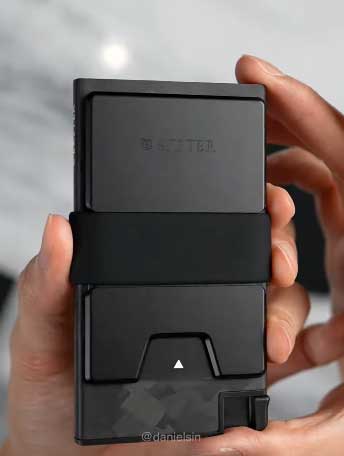
I remember the first time I slid the Ekster Cardholder into my front pocket and felt an immediate sense of relief compared to my old leather bi-fold.
The standard cardholder represents the foundation of what makes this brand successful, offering a tactile trigger mechanism that fans out cards with a satisfying click.
In my daily routine, I found that the minimalist footprint was perfect for quick trips to the coffee shop or commuting on the train where I only needed a few essential cards.
The build quality feels remarkably sturdy for something so light, and the aluminum finish has a premium texture that resists most scratches from my keys.
I noticed that the card ejection is smooth, though it requires a bit of a break-in period before the cards fan out perfectly every single time.
It is a no-frills tool that prioritizes speed and aesthetics over massive storage, making it the ideal choice for someone like me who wants to carry less.
Pros Of Ekster Cardholder
- The Sleek Minimalist Aesthetic: I found that the slim profile of the standard cardholder fits perfectly into any front pocket without creating an unsightly bulge or physical discomfort. This design choice makes it an ideal companion for formal attire or tight jeans where space is at a premium and style is very essential.
- Rapid Card Access Mechanism: The patented trigger system allows me to access my most used cards with a single click, saving time during busy transactions at the grocery store. It eliminates the frustration of fumbling through a traditional wallet, providing a seamless and efficient user experience that feels modern and extremely satisfying.
- Integrated RFID Blocking Technology: This wallet provides me with peace of mind by protecting my sensitive credit card information from electronic pickpockets and unauthorized scanning devices while traveling. The aluminum construction acts as a durable shield, ensuring that my data remains safe and secure in any crowded public environment or high-traffic city area.
- Lightweight And Durable Build: Carrying this wallet feels effortless because it is constructed from space-grade aluminum that offers incredible strength without adding any unnecessary weight to my pocket. It withstands the rigors of daily use, resisting bends and structural damage even when I accidentally drop it on hard concrete surfaces during my commute.
- Affordable Entry Point Price: I believe this model offers the best value for anyone looking to transition into the world of minimalist wallets without spending a small fortune. It provides all the core features of a premium trigger wallet while remaining accessible to budget-conscious users who still demand high-quality materials and reliable everyday performance.
- Secure Card Retention System: The internal friction mechanism ensures that my cards stay firmly in place, even if I shake the wallet upside down or move around quite vigorously. I never have to worry about my important IDs or credit cards sliding out unexpectedly, which provides a high level of confidence during my active outdoor adventures.
Also read: My Thoughts on Hizoo Neck Massager
Cons Of Ekster Cardholder
- Limited Overall Card Capacity: I noticed that if I try to squeeze more than six cards into the main aluminum chamber, the trigger mechanism starts to feel quite tight. This limitation forces me to be extremely selective about which cards I carry, which might be a dealbreaker for individuals who still carry many loyalty cards.
- Lack Of Cash Storage: The standard model does not come with a dedicated cash strap or clip, making it difficult for me to carry paper currency without folding it. If you live in an area where cash is still king, you might find the lack of integrated money storage a bit inconvenient for your daily transactions.
- Fixed Backplate Configuration Issues: Unlike the upgraded versions, the backplate on the standard cardholder is not expandable, meaning you are stuck with the initial slimness of the frame. This lack of modularity prevents me from adding extra cards or tools later on, limiting the long-term versatility of the wallet as my carry needs evolve.
- Potential For Surface Scratches: While the aluminum is strong, I have seen small micro-scratches appear on the finish after keeping it in the same pocket as my metal house keys. While these marks are mostly cosmetic, they can detract from the pristine look of the wallet over time if you do not use a dedicated pocket.
- Trigger Sensitivity Over Time: After several months of heavy use, I found that the trigger mechanism requires a bit more force to actuate compared to when it was new. While it still functions perfectly fine, the change in tactile feedback might be noticeable to users who are sensitive to the mechanical feel of their everyday carry items.
- No Modular Expansion Options: I felt restricted by the fact that I could not add a tracker card or extra storage plates to this specific model after the purchase. This means you must decide exactly how much you need to carry upfront, as there is no way to upgrade the physical capacity of the standard aluminum chassis.
Maintenance Tips For Ekster Cardholder
- Regular Trigger Mechanism Cleaning: I suggest using a can of compressed air every few weeks to blow out any dust or pocket lint that accumulates inside the trigger. Keeping the internal path clear ensures that the mechanical parts move freely and prevents the cards from sticking together during the ejection process for a smooth experience.
- Rotating Your Card Order: I have found that switching the positions of my cards every month helps to prevent the internal tension springs from wearing down in one spot. This simple habit ensures that the fanning effect remains consistent across all cards and extends the overall lifespan of the internal friction strips that hold everything securely.
- Surface Polishing And Care: To maintain the sleek appearance of the aluminum, I occasionally wipe the exterior with a damp microfiber cloth to remove oils and fingerprints. This keeps the wallet looking brand new and prevents the buildup of grime that can eventually lead to permanent staining or dulling of the beautiful metallic finish over time.
- Avoid Overstuffing The Chamber: I always make sure to never force more cards into the aluminum slot than the manufacturer recommends to avoid straining the ejection spring. Overloading the wallet can lead to mechanical failure or bent cards, so it is better to stick to the limit to ensure the trigger works perfectly for many years.
- Checking Internal Friction Strips: I recommend peering inside the card slot occasionally to ensure the silicon friction strips are still intact and providing enough grip on your cards. If they appear worn, a tiny bit of cleaning can restore their tackiness, ensuring that your cards never fall out accidentally while you are on the move or running.
- Dedicated Pocket Placement Strategy: I make it a point to keep my wallet in a pocket separate from my keys or loose change to prevent unnecessary metal-on-metal contact. This simple preventative measure keeps the finish looking flawless and reduces the chances of deep gouges that can occur when the wallet rubs against other sharp objects.
Comparison With Other Brands
- Ekster Versus The Ridge: While the Ridge wallet relies on elastic bands and a thumb notch, I prefer the Ekster because the mechanical trigger is much faster. The Ridge requires you to push and fan cards manually, whereas the Ekster provides a more automated and sophisticated feel that I find much more enjoyable for frequent daily use.
- Ekster Versus Secrid Wallets: Secrid offers a similar lever-action design, but I find that the Ekster looks more modern and has a more ergonomic trigger placement on the corner. Secrid wallets often feel a bit more traditional and boxy, while the Ekster fits the contemporary aesthetic of modern tech enthusiasts and urban professionals who value streamlined designs.
- Ekster Versus Bellroy Wallets: Bellroy focuses heavily on premium leather and traditional folding styles, which I find to be much bulkier than the slim Ekster cardholder. If you are looking to move away from leather and embrace a more industrial, metallic look, the Ekster provides a level of RFID protection and slimness that Bellroy simply cannot match.
- Ekster Versus Cheap Knockoffs: I have tried several budget trigger wallets from online marketplaces, but they often use plastic internal parts that break within a few weeks of use. Investing in an Ekster ensures that you are getting high-quality aluminum and a reliable mechanism that won’t fail you when you are trying to pay for your dinner.
- Ekster Versus Fantom Wallets: The Fantom wallet uses a fanning lever on the top, which I find slightly more awkward to operate with one hand than the Ekster. The Ekster’s bottom-corner trigger allows me to eject cards using my pinky or ring finger while holding the wallet securely, offering a much more natural and intuitive grip during operation.
- Ekster Versus Dango Wallets: Dango wallets are often very tactical and heavy, featuring many integrated tools that I rarely find myself using in a typical office setting. The Ekster Cardholder is much better suited for the average person who wants a professional look without the added bulk and weight of a multi-tool chassis in their front pocket.
My Experience With Ekster Pro
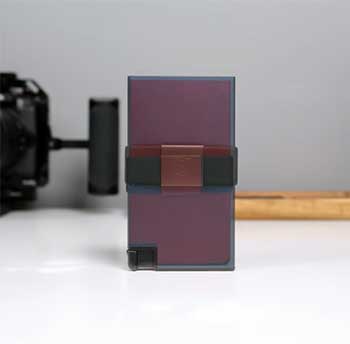
Moving up to the Ekster Pro was a revelation for my carrying habits because it solved the one issue I had with the standard version: capacity.
The Pro model feels like a more refined, tank-like version of the original, featuring a backplate that allows me to carry more than just the basics.
I immediately noticed the improved weight and the “thud” of the premium materials, which made the wallet feel significantly more high-end in my hand during daily use.
The most impressive part of the Pro is the expandable backplate system, which allowed me to carry an extra five cards and some cash without ruining the slim profile.
I used the Pro during a week-long business trip, and it handled everything from corporate credit cards to hotel room keys with ease.
The trigger mechanism also felt slightly more robust, providing a tactile click that felt more intentional and engineered than the standard model.
Pros Of Ekster Pro
- Enhanced Card Capacity Options: The expandable backplate on the Pro model allows me to carry up to fifteen cards comfortably, which is a massive upgrade over the standard version. This makes it the perfect choice for anyone who needs to carry business cards, insurance IDs, and multiple credit cards without compromising on the minimalist design.
- Superior Build Material Quality: I love the use of 6061-T6 space-grade aluminum and optional carbon fiber, which gives the Pro a significantly more premium and rugged feel in my hand. These materials are built to last a lifetime, offering a level of sophistication and durability that clearly distinguishes the Pro model as a top-tier everyday carry essential.
- Modular Backplate Versatility: The ability to add or remove the backplate gives me the flexibility to customize the wallet based on my specific needs for the day ahead. If I am going out for a light evening, I can slim it down, but for workdays, I can expand it to hold everything I might possibly need.
- Improved Trigger Feedback Mechanism: I noticed that the trigger on the Pro model feels smoother and more refined, with a mechanical action that is both snappy and highly reliable. It feels like the engineering has been tuned for a more premium experience, ensuring that the cards fan out with perfect spacing every time the button is pressed.
- Integrated Cash Strap Functionality: The Pro comes with a high-quality elastic strap that allows me to carry several folded bills securely on the back of the wallet frame. This solves the cash storage problem of the standard model, making it a much more versatile tool for people who still like to keep some emergency currency on hand.
- Sleek Carbon Fiber Options: Choosing the carbon fiber version of the Pro adds a layer of modern luxury and incredible strength-to-weight ratio that looks absolutely stunning in any light. It is a conversation starter that performs as well as it looks, providing a high-tech aesthetic that matches perfectly with other modern gadgets and accessories I own.
Cons Of Ekster Pro
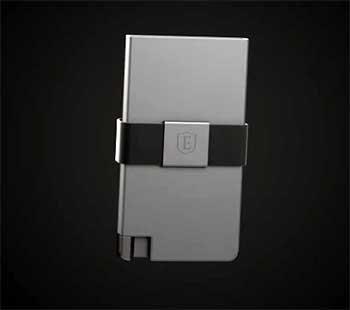
- Increased Physical Weight Profile: Because of the additional metal plates and the expandable backplate, the Pro model feels noticeably heavier in my pocket compared to the standard cardholder. While some users might appreciate the heft, those who are looking for the absolute lightest possible carry might find it a bit too bulky for their specific liking.
- Higher Financial Investment Required: The Pro model comes with a higher price tag, which might be difficult to justify if you only carry a few cards and no cash. You are paying for the modularity and the premium materials, so you have to decide if those extra features are worth the additional cost for your specific daily lifestyle.
- Slightly Thicker In Pocket: Even when it is not fully expanded, the Pro is naturally thicker than the standard version due to the multi-plate construction and the cash strap. If you wear very tight clothing, you might notice a slightly more prominent outline compared to the razor-thin profile of the original Ekster aluminum cardholder model.
- Complexity Of Modular Parts: While the modularity is a pro, it also means there are more parts that could potentially be lost or require adjustment over long-term use. If you prefer a simple, one-piece design, the multi-component nature of the Pro might feel a bit more complicated than necessary for a tool as simple as a pocket wallet.
- Backplate Elastic Wear Concerns: Over several months of expanding and contracting the backplate, I worry that the elastic bands might eventually lose their tension and become loose. While they are built to be durable, any elastic material will eventually fatigue, requiring you to potentially seek out replacements or repairs to maintain the tight grip on your extra cards.
- Learning The Expansion Limits: I found that there is a bit of a sweet spot when loading the backplate; if you add too many cards, it becomes difficult to slide them out. It took me a few days to figure out the optimal number of cards to carry in the expansion slot without making the wallet feel overly cumbersome.
Read More: My Thoughts on Meredith Shirk Metaboost
Maintenance Tips For Ekster Pro
- Inspecting The Elastic Bands: I recommend checking the tension of the backplate elastic every few months to ensure that it is still holding your extra cards tightly. If the bands seem to be overstretched, you can often reset them by removing the cards for a day, allowing the material to contract and regain its original shape and holding power.
- Tightening The Torx Screws: The Pro model uses small screws to hold the plates together, and I suggest checking them occasionally with a precision screwdriver to ensure they are snug. Vibrations from daily movement can sometimes loosen these tiny fasteners, so a quick check every six months will prevent the wallet from feeling rattly or falling apart unexpectedly.
- Cleaning Between The Plates: Because the Pro has a multi-plate design, dust and debris can sometimes get trapped in the gaps between the aluminum and the backplate. I use a thin piece of paper or a soft brush to clear out these crevices, ensuring that the wallet remains hygienic and that no grit scratches the interior surfaces of your cards.
- Lubricating The Trigger Path: Every once in a while, I apply a tiny drop of dry lubricant to the trigger mechanism to keep the action feeling buttery smooth. This prevents any grinding sensations and ensures that the spring-loaded parts continue to function at peak performance, even after thousands of cycles and years of heavy-duty use in the field.
- Conditioning The Cash Strap: If you have the version with a leather or fabric cash strap, I suggest wiping it down to remove salt from sweat or dirt. Keeping the strap clean prevents it from becoming brittle or stained, ensuring that it continues to look professional and remains functional for holding your cash securely against the backplate during travel.
- Deep Cleaning The Carbon Fiber: For those with the carbon fiber model, I found that using a dedicated plastic or composite cleaner helps maintain the deep shine. This prevents the surface from looking cloudy over time due to skin oils, keeping the high-tech weave pattern looking sharp and impressive every time you pull it out of your pocket.
Comparison With Other Brands
- Ekster Pro Versus Trayvax: Trayvax wallets are extremely rugged and outdoor-focused, often featuring heavy steel and leather combinations that feel very bulky compared to the Pro. The Ekster Pro offers a much more refined and “city-friendly” experience while still providing the durability and card capacity that people look for in a heavy-duty minimalist wallet.
- Ekster Pro Versus Aviator Wallet: The Aviator wallet also uses an expansion system, but I find the Ekster’s trigger mechanism to be much more intuitive and faster. The Aviator requires more manual manipulation to get to your cards, whereas the Ekster Pro prioritizes speed and ease of use with its one-handed operation and smooth fanning action.
- Ekster Pro Versus Soulion Wallets: Soulion and other budget brands often copy the look of the Pro, but they lack the RFID shielding effectiveness and the smooth trigger. When I compared them, the Ekster Pro felt significantly more solid, with no rattling parts or cheap plastic sounds, justifying the higher price through its superior engineering and material choices.
- Ekster Pro Versus The Ridge Ti: The Ridge Titanium is a fantastic wallet, but it still lacks the mechanical satisfaction of the Ekster’s card ejection system. If you prefer a “gadget” feel to your accessories, the Ekster Pro provides a level of mechanical interaction that the Ridge simply cannot offer with its static, elastic-driven design and manual card pushing.
- Ekster Pro Versus Secrid Cardslide: Secrid’s Cardslide adds an extra tray for storage, but it makes the wallet much thicker and more plastic-heavy than the Ekster Pro. I prefer the Pro’s metal backplate because it feels more integrated and premium, providing a cohesive metallic aesthetic that doesn’t feel like you have an extra box attached to your wallet.
- Ekster Pro Versus Bellroy Apex: The Bellroy Apex is a beautiful leather-molded wallet, but it is significantly more expensive than the Ekster Pro and lacks the trigger. While the Apex is a work of art, the Ekster Pro is a more functional tool for someone who values technical features like RFID blocking and mechanical card access over traditional leather craftsmanship.
Frequently Asked Questions (FAQ)
The standard Ekster Cardholder is a fixed-capacity aluminum wallet, while the Pro model features an expandable backplate for more cards and a cash strap. The Pro also uses higher-grade materials like 6061-T6 aluminum and offers a more robust trigger mechanism for heavy-duty use.
Yes, the Ekster Pro is worth the investment if you carry more than six cards or frequently use cash. The modularity, improved build quality, and expanded capacity make it a much more versatile everyday carry tool for power users compared to the more basic standard model.
If you value speed and one-handed access, the Ekster is better due to its mechanical trigger system. However, if you want the absolute thinnest wallet possible and don’t mind manually pushing your cards out, the Ridge’s elastic-based design might be a better fit for your needs.
Ekster generally offers a more modern, slim aesthetic and a more ergonomic corner trigger compared to Secrid’s bottom lever. While Secrid is the original pioneer of the mechanism, many users find Ekster’s designs to be more pocket-friendly and visually appealing for a contemporary tech-focused lifestyle.
Conclusion
After analyzing both options, I can confidently say that your choice depends entirely on how much you value expansion versus pure slimness. If you are a minimalist purist who only needs five or six cards, I recommend the standard Ekster Cardholder for its lightweight feel and sleek profile. However, if you are like me and want the flexibility to carry more when needed, you should definitely opt for the Ekster Pro.
Both wallets offer top-tier RFID protection and a satisfying mechanical experience that will change how you interact with your pocket. No matter which one you choose, you are upgrading to a more efficient and stylish way to carry your essentials every day.
Recent Posts
● Interactive 5-Zone Interior & Exterior Paint Blueprint Paint Coverage Calculator: Gallons, Primer, Square Footage & Cost Tap any architectural surface zone on the blueprint...
If you want smooth, shiny hair without spending a fortune on a premium styling tool, the Ella Bella hair dryer may be worth considering.In these Ella Bella hair dryer reviews, I’ll look...