
If you own an RV, you know how brutal the sun, rain, and constant travel can be on your roof. Leaks start small but turn into expensive headaches fast. That is exactly why I recommend you grab Henry TropiCool RV roof sealant right now. This 100% silicone coating creates a tough, reflective barrier that seals everything in one go, cuts down interior heat, and gives you peace of mind for years.In my experience it is one of the smartest upgrades you can make to protect your investment and stay comfortable on the road.
My Experience With Henry Tropicool Rv Roof Sealant
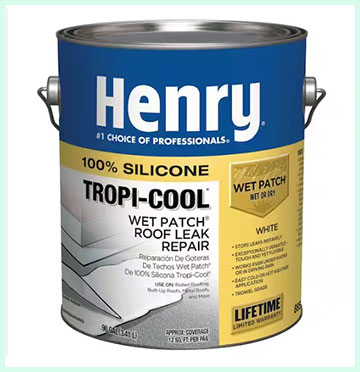
A couple of years back I bought my first travel trailer and quickly realized the roof needed serious attention. The original EPDM membrane had some chalking and tiny cracks around the vents and seams after a few seasons of full-time boondocking.
I spent weeks researching options and kept coming back to Henry TropiCool because so many fellow RVers swore by its silicone formula.
I ordered a 4.75-gallon bucket along with a few tubes of their compatible caulk. The day I started the project the weather was perfect—warm but not scorching, with no rain forecast for 48 hours.
First I climbed up and gave the entire roof a thorough cleaning. I used a mild dish soap solution and a soft brush to remove years of dirt, pollen, and oxidized rubber. It took me about three hours, but the surface looked dramatically better once it dried.
Next I tackled the seams and penetrations. I scraped off old, cracked lap sealant and replaced it with Henry’s own 884 caulk. That stuff sticks like crazy and levels out nicely. Once everything cured for a day I stirred the TropiCool bucket really well.
The consistency feels thick, almost like a heavy paint, but it spreads smoothly with a 9-inch roller. I applied the first coat in long, even strokes, making sure to work it into every crack and around all the roof vents, air conditioner, and antenna mounts.
It went on white and bright, and I could already feel the roof cooling down under my hand where the sun hit it.
I waited about four hours between coats as the manufacturer suggests, then rolled on the second layer. The product self-levels beautifully, hiding minor imperfections and creating a seamless membrane.
Total application time for my 28-foot trailer was around six hours spread over two days. Cleanup was simple with mineral spirits for the tools.
After it cured fully I noticed an immediate difference inside the RV. On hot afternoons the ceiling felt noticeably cooler, and my air conditioner did not have to work as hard.
That first summer we hit several heavy rainstorms during a cross-country trip, and not a single drop made it through. I inspected the roof after each storm and everything looked solid.
Two years later the roof still looks almost new. The white stays bright thanks to the dirt-pick-up resistance technology, and it has not cracked or peeled anywhere.
I walk on it carefully when dry, but I do notice it gets slippery when wet—just something to keep in mind. A light wash with soap and water brings it right back to showroom condition.
No leaks, no sticky residue that collects pine needles like some cheaper coatings I have tried before, and my interior temperatures run several degrees lower than before.
I have talked to other owners who coated their rigs five to seven years ago and still report zero issues. One guy in Florida left his under brutal sun for two full years and said it looked brand new after a simple wash.
That matches what I see on my own trailer. The aggressive chemical bond the silicone creates with the roof surface really does seem to lock everything down permanently.
Of course I was nervous the first time I climbed up after application. Would it hold up to highway vibrations? What about ponding water after a big rain? Every test passed with flying colors.
I even parked under trees for a few weeks and the needles brushed off easily instead of embedding themselves. For anyone who travels a lot or stores their RV outdoors, this coating feels like insurance you can actually count on.
The price tag gave me pause at first, but when I compared the cost of a full roof replacement versus a couple of buckets of TropiCool, the math worked out in my favor by a huge margin.
Plus the lifetime limited warranty gave me extra confidence. If you follow the prep steps and apply it properly, you will probably never need to touch the roof again except for occasional cleaning.
Overall my experience has been overwhelmingly positive. I feel more confident hitting the road knowing my roof can handle whatever Mother Nature throws at it. If you are sitting on the fence about protecting your RV, I can tell you from real use that Henry TropiCool delivers on its promises and then some.
Also Read: My Thoughts on Nuzest Clean Lean Protein
Pros Of Henry Tropicool Rv Roof Sealant
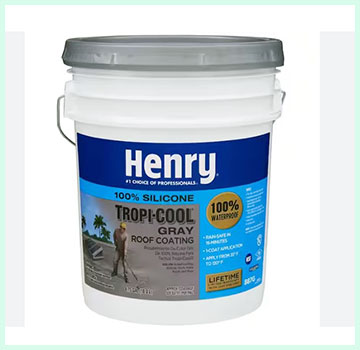
- Superior Heat Reflection: The bright white silicone formula bounces sunlight away so your RV stays cooler inside even on the hottest days. You will notice your air conditioner runs less and your living space feels more comfortable without cranking the unit to maximum.
- Excellent Waterproofing And Ponding Resistance: Once cured this coating creates a permanent barrier against water. It handles standing water without breaking down, which means fewer worries during heavy rains or when your RV sits level for long periods.
- Strong Adhesion To Multiple Surfaces: It bonds aggressively to EPDM, TPO, fiberglass, metal, and even previously coated roofs. You do not need a separate primer in most cases, which saves time and money during application.
- Long-Lasting Durability: Many users report five to ten plus years of protection with minimal maintenance. The UV resistance keeps the material flexible so it expands and contracts with temperature changes without cracking.
- Easy One-Coat Application With Good Coverage: Most roofs need just one thick coat, and the product spreads smoothly with a roller or brush. Rain-safe in as little as fifteen minutes, so you can schedule the job with more confidence in variable weather.
- Dirt Pick-Up Resistance: Newer formulas resist staining and stay whiter longer. A simple wash brings the roof back to bright condition instead of turning gray or dingy over time.
- Energy Savings Over Time: By reflecting heat you reduce strain on your RV’s cooling system. Over several seasons that can add up to noticeable savings on propane or generator fuel when boondocking.
- Versatile Use Beyond Full Roofs: You can patch spots, recoat seams, or even use it on other areas like slide-out tops if needed. The material sticks to itself well for future touch-ups.
- Lifetime Limited Warranty: When applied correctly according to instructions the manufacturer stands behind the product for the life of the roof in many cases. That peace of mind is hard to beat.
- Mold And Mildew Resistance: The silicone base naturally fights biological growth so you avoid black streaks or hidden damage that can happen with other coatings.
Cons Of Henry Tropicool Rv Roof Sealant
- Higher Upfront Cost: A full bucket runs more expensive than basic acrylic or latex options. If you are on a tight budget the initial investment feels steep even though it pays off long-term.
- Slippery Surface When Wet: Once cured the smooth silicone can become very slick in rain or morning dew. You need to use extra caution or non-slip additives if you frequently walk on the roof while it is damp.
- Limited Compatibility With Some Repair Products: After applying TropiCool, traditional lap sealants or certain tapes like Eternabond may not adhere as well. You pretty much commit to using Henry-compatible products for any future repairs or touch-ups.
- Requires Careful Surface Preparation: The coating performs best on a thoroughly clean and dry roof. Skipping the cleaning step or applying over heavy oxidation can lead to poor bonding and premature failure.
- Slightly Tacky Feel During Initial Cure: In some conditions the surface stays a bit sticky for the first few days, which can attract dust or debris if you do not protect the area during drying.
- Not Ideal For Every Climate Without Proper Application: In extremely cold or constantly humid environments you must follow temperature guidelines closely or the cure time and final performance can suffer.
- Potential For Yellowing In Certain Colors: While the white version holds its color well, some users report minor discoloration with tan or gray variants over many years of intense sun exposure.
- Heavier Bucket Weight: The 4.75-gallon size is bulky and heavy to carry up a ladder, so you may need a helper or pulley system for larger rigs.
- Recoating Challenges If Needed: Because the surface is so non-stick, adding another layer years later requires extra cleaning and sometimes light abrasion for best results.
- Availability In Smaller Quantities: Smaller cans exist but the best value comes in larger buckets, which means you might end up with leftover product if your RV roof is on the smaller side.
Maintenance Tips For Henry Tropicool Rv Roof Sealant
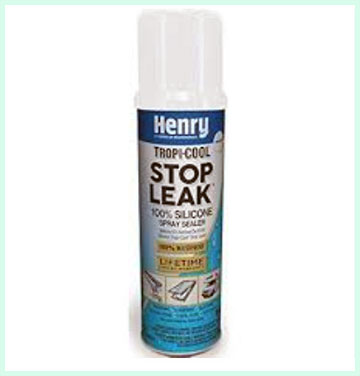
- Perform Regular Visual Inspections: Every three to six months climb up or use binoculars to check for any new cracks, peeling at edges, or damage around vents and seams. Catching small issues early prevents bigger leaks later.
- Clean The Roof Annually Or After Long Storage: Use a mild soap like dish detergent mixed with water and a soft broom or brush. Rinse thoroughly with low-pressure water. Avoid harsh chemicals or pressure washers that could damage the silicone layer. A clean roof maintains its reflective properties and looks fresh longer.
- Remove Debris Promptly: After storms or tree overhang periods sweep off leaves, pine needles, or dirt buildup. Allowing organic material to sit can trap moisture and encourage mildew even on resistant coatings.
- Touch Up Seams And Penetrations As Needed: Keep a tube of Henry 884 caulk on hand. If you notice any separation around roof fixtures, clean the area and apply a fresh bead. The coating bonds well to itself so repairs blend seamlessly.
- Avoid Walking On The Roof When Wet: The surface gets slippery, so schedule any inspections or cleaning during dry weather. If you must go up after rain, wear soft-soled shoes with good grip and move slowly.
- Check For Ponding Water After Heavy Rains: While the product handles standing water, make sure your RV is parked as level as possible so water drains off rather than collecting in low spots for extended periods.
- Reapply A Maintenance Coat Every Seven To Ten Years: Depending on your climate and usage, a fresh top coat can refresh the protection without stripping the original layer. Clean thoroughly first and follow the same application steps.
- Keep Gutters And Edges Clear: Blocked drainage can cause water to back up onto the roof edges. Clean your RV gutters regularly to protect the coating where it meets the side walls.
- Store Your RV Properly When Not In Use: If possible cover the unit or park it under shelter during off-season months. This reduces UV exposure and extends the life of any roof coating significantly.
- Document Your Application And Maintenance: Take photos before and after coating plus during annual checks. This helps you track changes over time and provides proof if you ever need to reference the warranty.
- Use Compatible Cleaners Only: Stick to gentle, non-abrasive products recommended for silicone surfaces. Test any new cleaner on a small inconspicuous area first to ensure it does not affect the finish.
Read More: My Thoughts on Amber Lewis Josie Area Rug
Comparison With Other Brands
Henry Tropicool Versus Dicor Rubber Roof Coating
Henry TropiCool offers a true 100% silicone formula that creates a monolithic membrane with superior UV and ponding water resistance compared to many acrylic-based Dicor products.
While Dicor works well for refreshing existing EPDM roofs and costs less initially, users often report it needs reapplication every three to five years.
TropiCool tends to last longer with less chalking and better heat reflection, though Dicor may feel more flexible on highly contoured surfaces right after application.
Henry Tropicool Versus Eternabond Tape Systems
Eternabond provides an excellent quick-fix tape for seams and tears, but it cannot cover an entire roof like a liquid coating. Henry TropiCool gives you full-surface protection in one or two coats without the labor of cutting and pressing tape everywhere.
Many owners combine the two by using Eternabond first on critical seams then coating over with TropiCool, though adhesion between the two requires testing. Overall TropiCool wins for complete roof restoration while Eternabond remains a strong companion for targeted repairs.
Henry Tropicool Versus Hengs Rubber Roof Coating
Hengs offers a popular acrylic option that many RVers choose for its lower price and ease of use on rubber roofs. However Henry TropiCool’s silicone chemistry provides better long-term waterproofing and dirt resistance.
Hengs may require more frequent recoating in harsh sunbelt climates, whereas TropiCool users frequently report five to ten years or more of solid performance before considering a refresh. The trade-off is TropiCool’s higher cost versus Hengs’ budget-friendly approach.
Henry Tropicool Versus Flex Seal Products
Flex Seal sprays and liquids are marketed heavily for quick fixes, but they contain solvents that can degrade rubber roofs over time and do not hold up well under constant UV and flexing on an RV.
Henry TropiCool is specifically engineered for RV and mobile home roofs with a moisture-cure silicone that remains flexible and reflective. Most experienced owners steer clear of Flex Seal for full roof jobs because it tends to crack and peel faster, while TropiCool maintains integrity far longer.
Henry Tropicool Versus Generic Acrylic Roof Coatings
Generic acrylics are cheaper and easier to find, but they typically lack the aggressive bonding and ponding water resistance of silicone. Henry TropiCool stands out because it cures into a rubber-like yet tough membrane that handles extreme temperature swings without becoming brittle.
Acrylic coatings often need primers and multiple coats, whereas TropiCool frequently succeeds with one thick application when the surface is properly prepared.
Frequently Asked Questions (FAQ)
Yes, Henry TropiCool earns strong praise from many RV owners for its durability, heat reflection, and leak protection. It performs especially well on EPDM and similar roofs when applied correctly, though results depend on thorough surface preparation and following the manufacturer’s guidelines.
With proper application and regular maintenance most users see five to ten years or more of reliable service. Some report even longer performance in milder climates, and the lifetime limited warranty backs the product when installed per instructions.
The best choice depends on your roof type, budget, and how long you plan to keep the RV. Henry TropiCool ranks highly for full-surface silicone protection, while options like Dicor suit lighter refreshes and Eternabond works great for seam repairs. Many full-time RVers prefer TropiCool for its long-term performance and energy-saving benefits.
Conclusion
After living with Henry TropiCool on my own RV roof for years I can confidently say it is worth every penny for most owners who want reliable protection without constant maintenance. The coating delivers on cooling, waterproofing, and longevity while being straightforward to apply yourself. If you are tired of worrying about leaks or hot interiors, give this product a serious look. Your future self—and your wallet—will thank you for taking care of the roof now. Safe travels and happy camping.
Recent Posts
● Interactive 5-Zone Interior & Exterior Paint Blueprint Paint Coverage Calculator: Gallons, Primer, Square Footage & Cost Tap any architectural surface zone on the blueprint...
If you want smooth, shiny hair without spending a fortune on a premium styling tool, the Ella Bella hair dryer may be worth considering.In these Ella Bella hair dryer reviews, I’ll look...