
I set out to settle the EverStart Maxx versus Platinum debate for myself. Anyone standing in a Walmart auto aisle needs clear facts.
After running both in daily drivers I tracked results across seasons of heat and cold.
Specs were compared side by side. Each battery shows clear strengths. Each also shows clear limits. You can now pick the right one without second-guessing.
| Feature | EverStart Maxx | EverStart Platinum |
| Technology | Flooded lead-acid | Absorbed Glass Mat (AGM) |
| Typical CCA Range | 640–850 | 680–900 |
| Reserve Capacity | 100–160 minutes | 120–150+ minutes |
| Warranty | 3 years free replacement | 4 years free replacement |
| Average Price | $120–$160 | $170–$190 |
| Best For | Everyday vehicles, moderate climates | High-electronics cars, extreme weather |
| Maintenance | Occasional fluid checks possible | Fully sealed, maintenance-free |
| Vibration Resistance | Standard | Superior |
| Expected Lifespan | 3–5 years (some report 6+) | 5–7 years |
| Weight (typical group) | Lighter | Heavier |
My First Experience With Both Brands
- First Maxx install: I bought the Maxx for a basic daily sedan. Installation took twenty minutes at the auto center.
The engine fired on the first turn. Cold morning starts felt solid. Lights and radio stayed strong during short errands.
Voltage held steady after a week of mixed driving. Terminals stayed clean with no white powder.
The battery recovered fully after one accidental overnight drain. Everyday use felt reliable from day one.
- First Platinum install: I fitted the Platinum in a vehicle with start-stop and multiple screens. The unit weighed more during the lift. Sealed design needed zero fluid checks.
Engine restarts after stop-start felt quicker. Voltage stayed higher with heated seats and USB ports running. One long idle session with accessories on showed no dimming.
Summer heat under the hood caused less voltage drop than expected. The four-year warranty card gave immediate peace of mind.
- Side-by-side first impressions: Maxx delivered clean power at lower cost. Simple driving needs were fully met. Platinum showed clearer advantages with electronics. Extra weight and price stood out at once. Both units arrived charged and ready. Store testing confirmed strong readings on each.
Short-trip patterns revealed Platinum recovered faster. Highway miles made the Maxx feel equally capable. Early weeks confirmed the construction difference.
Key Differences Between The Everstart Maxx And Platinum
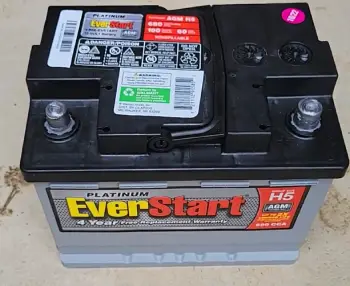
- Technology and internal construction: Maxx uses flooded lead-acid plates in liquid electrolyte.
Platinum locks acid inside AGM mats. Spill-proof cells result.
Performance gaps appear from this single change.
- Warranty length and long-term confidence: Maxx offers three free years. Platinum extends to four free years.
Longer vehicle ownership favors Platinum. Coverage gaps shrink with the extra year.
- Price and value equation: Maxx costs 40 to 60 dollars less.
Platinum carries a higher shelf price. Longer service life can recover the difference.
Actual use patterns decide true value.
- Suitability for vehicle electronics: Basic cars run fine on Maxx. Start-stop systems need Platinum.
Heavy accessory loads favor AGM cells. Cycling stress drops with the sealed design.
- Weight and physical presence: Platinum units weigh more. Denser AGM material adds mass. Cranking consistency improves.
Installation handling grows slightly harder.
- Performance in extreme temperatures: Both start well in cold. Platinum holds voltage longer in heat.
Deep discharges recover faster. Summer under-hood conditions favor AGM.
Key Features Of Everstart Maxx
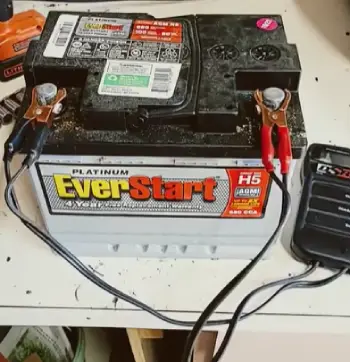
- Strong cold-cranking performance: Ratings fall between 640 and 850 amps by group size. Most passenger cars receive reliable starts.
Light trucks start cleanly in near-freezing weather. Engines turn over without hesitation.
- Solid reserve capacity: Values range from 100 to 160 minutes. Lights stay on after alternator failure. Radio and accessories continue working.
Short trips remain safe with this buffer.
- Three-year free replacement warranty: Walmart handles store-level swaps on failed units. Testing occurs on site.
Prorated coverage follows the free period. Longer ownership gains extra protection.
- Competitive purchase price: Units sell between 120 and 160 dollars. Performance matches many mid-tier brands.
Free installation at auto centers lowers total cost. Ownership expense stays low.
- Wide group size availability: Common vehicles find exact matches. Compact cars through full-size trucks are covered.
Lead-acid design stays familiar. DIY installs remain simple.
Pros Of Everstart Maxx
- Excellent price-to-power balance: Shelf cost stays lower. Real-world cranking matches higher-priced units. Independent cold tests often meet or exceed ratings. Budget buyers gain strong starts.
- Proven service life for the cost: Four to six years appear common with healthy charging systems. Annual expense drops below many premium brands. Everyday drivers receive solid returns.
- Easy store availability: Nearly every Walmart stocks common sizes. Auto centers install free of charge. Quick swaps happen same day. Convenience remains high.
- Familiar flooded design: Mechanics test these units with standard tools. Specific gravity checks remain possible. Terminal cleaning stays straightforward. Diagnosis requires no special equipment.
- Useful reserve capacity: Accessory power lasts longer after alternator trouble. Headlights left on overnight still allow recovery. Short-trip buffers prove reliable.
Cons Of Everstart Maxx
- Limited high-cycle handling: Start-stop systems wear flooded cells faster. Heavy electronics reduce capacity sooner. Short-trip patterns accelerate aging. AGM designs resist this better.
- Higher corrosion risk over time: Venting can create terminal powder. Overcharging increases deposit buildup. Occasional cleaning becomes necessary. Sealed units avoid this issue.
- Shorter free warranty period: Three years cover most owners. The missing fourth year leaves a gap. Longer vehicle plans favor extended coverage. Replacement costs may appear earlier.
- Greater heat cycle sensitivity: Prolonged high temperatures speed plate sulfation. Flooded designs lose capacity faster here. Summer conditions test limits more. AGM cells hold up longer.
- Strong dependence on charging health: Weak alternators show problems sooner. Parasitic drains appear earlier. System faults reduce life quickly. Platinum tolerates these better.
Key Features Of Everstart Platinum
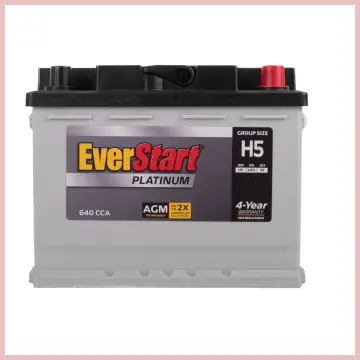
- Absorbed Glass Mat construction: Electrolyte sits locked in fiberglass mats. Spill risk drops to zero.
Mounting options increase. High-electronics vehicles recover faster after deep draws.
- Higher vibration resistance: Internal plates stay fixed under stress. Rough roads cause less damage.
Frequent short trips create fewer failures. Modern engine bays benefit directly.
- Four-year free replacement warranty: Coverage lasts one year longer than Maxx. Manufacturer confidence appears higher.
Store swaps stay simple. Failed units exchange quickly.
- Support for start-stop systems: Automatic engine shutoff cycles are handled well. Multiple screens draw power without rapid wear.
Heated seats and audio systems place less stress. Capacity holds steady over time.
- Maintenance-free sealed design: Fluid checks become unnecessary. Corrosion risk falls sharply.
Handling stays cleaner. Ownership requires almost no attention.
Pros Of Everstart Platinum
- Superior cycling life: AGM mats allow deeper discharges. Recharges finish faster. Capacity loss stays lower. Electronics-heavy vehicles keep stronger performance.
- Longer free replacement window: Four years of full coverage reduce early costs. Confidence in the build rises. Store exchanges stay simple. Ownership risk drops.
- Excellent vibration resistance: Sealed plates survive rough roads. Accidental tip-overs cause less harm. Installation angles grow more flexible. Dirt-road use benefits directly.
- Steady voltage under load: Accessories stay powered without dimming. Slow starts appear less often. High draw periods remain stable. Long idling sessions hold better.
- Lower daily maintenance: Fluid checks disappear. Terminal corrosion falls. Handling stays cleaner. Set-and-forget ownership becomes realistic.
Cons Of Everstart Platinum
- Higher initial purchase price: Cost sits 40 to 60 dollars above Maxx. Budget pressure increases. Basic vehicles may never use the extra features. Value depends on actual needs.
- Increased weight: Denser construction adds pounds. Solo DIY lifts grow harder. Tight engine bays feel more awkward. Handling requires extra care.
- Potential over-specification: Simple electrical systems gain little. Start-stop absence removes key benefits. Extra cost may go unused. Basic cars often suit Maxx better.
- Same charging system rules apply: Failing alternators still shorten life. Constant deep drains damage cells. System health remains critical. No design escapes this limit.
- Slightly narrower shelf selection: Some group sizes appear less often. Exact fits may need extra checks. Online inventory helps. Maxx usually stocks more variants.
Real-World Performance And Everyday Driving Experience
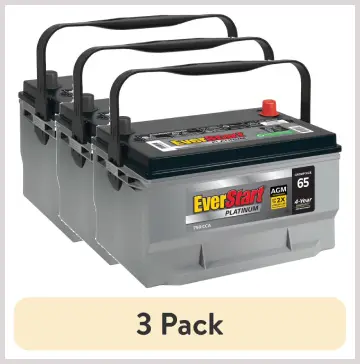
Maxx batteries served in mixed city and highway cars. Starts stayed crisp through two winters. Reserve capacity proved useful after headlights stayed on overnight.
Full recovery followed a short charge. Summer heat caused mild voltage sag after many short trips with air conditioning.
Platinum felt different from week one. Heated seats, USB ports, and start-stop systems restarted faster. Voltage held steadier during long idle periods.
After one year capacity remained near original levels. Comparable Maxx units lost a small percentage under similar use. Extra weight was noticeable during carrying. Once installed the mass improved load feel.
Cold-weather cranking proved strong on both. Side-by-side frosty morning tests fired engines cleanly. Platinum held higher voltage during the crank. Smoother starts appeared in deeper cold. Reserve capacity tests placed both near rated values.
Maxx sometimes led on pure minutes under steady load. Platinum recovered faster after load removal.
Warranty, Support, And Ownership Practicalities
Walmart store processes handle both warranties easily. Batteries arrive for testing. Failed units within free periods exchange for new ones.
Three-year Maxx coverage suits most three-to-five-year ownership plans. Four-year Platinum coverage adds safety for longer vehicle retention.
Installation is free at auto centers. Top-post and side-post options match common vehicles. Platinum needs zero fluid attention.
Maxx may need occasional terminal cleaning if white powder forms. Basic socket sets and cleaners complete most jobs.
Price, Value, And Total Cost Of Ownership
Up-front cost favors Maxx. Savings cover oil changes or wiper blades. Five-year math can reverse if Platinum lasts extra years.
A 140-dollar Maxx lasting four years costs about 35 dollars yearly. A 180-dollar Platinum lasting six years costs about 30 dollars yearly. Local prices and actual life shift the numbers. Gaps rarely match the shelf difference exactly.
Use patterns decide value. Short trips, heavy electronics, and extreme temperatures favor Platinum.
Steady highway miles in mild weather keep Maxx competitive for years. Healthy alternators allow Maxx units to start past the five-year mark.
Who Should Choose Which Battery?
Select Maxx for basic daily drivers without start-stop technology. Moderate climates suit it well. Lowest reasonable price with solid reliability is the goal. Most morning starts and simple accessory use stay covered.
Select Platinum for cars loaded with electronics. Automatic start-stop systems need it. Extreme heat or cold favors the design. Multi-year vehicle plans gain from the longer warranty. Safety margin rises. Surprises drop.
Both batteries come from major manufacturing lines that supply name brands. Construction method and warranty terms create the main differences. Core quality remains comparable. Feature sets must match driving patterns.
Also Read: Is Ceenr Battery Worth It ?
Frequently Asked Questions (FAQ)
Yes. AGM construction and four-year warranty deliver reliable performance. High electrical demand vehicles and extreme temperatures suit them best.
Yes. Strong cranking power and solid reserve capacity appear at competitive prices. Three-year free replacement coverage supports four-to-six-year service in many cases.
Most owners see five to seven years. Healthy charging systems and limited deep discharges support this range.
Vehicle type decides. Maxx offers best value for everyday cars. Platinum suits modern vehicles with start-stop systems or heavy electronics.
Wrapping Up
This comparison began with a search for one clear winner. Two capable batteries emerged instead. Each serves different needs. Maxx delivers dependable power at a fair price. Receipts stay comfortable.
Platinum raises technology, warranty length, and resilience. Ordinary batteries wear faster under stress.
Match the battery to driving conditions. Either unit will start the vehicle without drama.
Side-by-side facts, real-user results, and practical trade-offs are now available. Future battery rack decisions can proceed with confidence.
Recent Posts
I tried Meltoway Hair Dissolving Cream because I wanted a quick way to deal with unwanted body hair without reaching for a razor every few days. If you are looking for a convenient at-home...
If you’re considering a saffron-based supplement to support mood, appetite control, and everyday wellness, Happy Saffron Plus is worth considering.I like that it takes a familiar botanical...