
I’ve spent years navigating the crowded cat food aisle, reading labels late at night, and watching my cats’ energy levels and litter box habits like a hawk.
When it comes to Fancy Feast versus Purina One, I wanted clear answers on which one truly serves my furry companions best.
In this article, I share my experiences, break down the real differences, and help you decide what fits your cat’s needs without the hype.
Whether you’re dealing with a picky eater or focused on long-term health, we’ll cover it all from an analytical lens.
| Aspect | Fancy Feast | Purina One |
| Main Focus | Primarily wet gourmet-style foods | Mix of dry and wet, premium positioning |
| Price per serving | Very affordable | Slightly higher but still budget-friendly |
| Protein Source | Real meats but often by-products | Real chicken/poultry first, some plant proteins |
| Carb Content | Low in wet formulas | Higher in dry due to grains |
| Best For | Picky eaters, variety seekers | Daily nutrition, specific health needs |
| Texture/Appeal | Pâté, chunks, gravy options | Kibble with tender bits, patés |
| Artificial Additives | Present in many recipes | Fewer in some lines |
Key Differences Between The Fancy Feast And Purina One
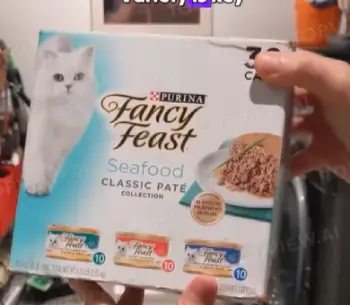
- Food type emphasis: Fancy Feast shines in wet foods that deliver high moisture content cats naturally crave, while Purina One offers more robust dry options for convenience and teeth cleaning.
- Ingredient transparency and quality: Fancy Feast uses more by-products and generic terms like “fish” or “meat by-products,” whereas Purina One often lists specific real meats higher and includes some plant proteins for balance.
- Carbohydrate levels: Wet Fancy Feast keeps carbs very low, mimicking a cat’s natural diet better in that regard; Purina One dry has more grains like corn and rice, raising the carb percentage.
- Price and value: Fancy Feast edges out as cheaper per serving, ideal for multi-cat homes, but Purina One justifies a bit more cost with specialized lines.
- Appeal to picky eaters: Fancy Feast’s gravy and variety often win taste tests in my house, but Purina One’s kibble-tender mixes provide longer-lasting satisfaction.
These differences matter because your cat’s lifestyle—indoor, active, senior—will determine what performs better day to day.
Key Features of Fancy Feast
- Wide variety of textures and flavors: From classic pâtés to morsels in gravy, my cats go wild for the options like chicken, beef, or seafood. It keeps mealtime exciting.
- Real meat as a highlight: Many recipes start with chicken or beef, making it appealing and providing solid animal-based protein.
- Affordable and accessible: You can find it everywhere, and the cans are portion-sized perfectly for single meals.
- Complete and balanced nutrition: Meets basic needs for adult cats with added taurine and essentials.
- Gourmet presentation: The packaging and descriptions make it feel special, which is fun when you want to treat your cat.
I remember switching one of my cats to Fancy Feast during a phase where she refused everything else. The smell and texture won her over instantly, and she cleaned her bowl every time.
That convenience and appeal are hard to beat for busy days.
Pros Of Fancy Feast
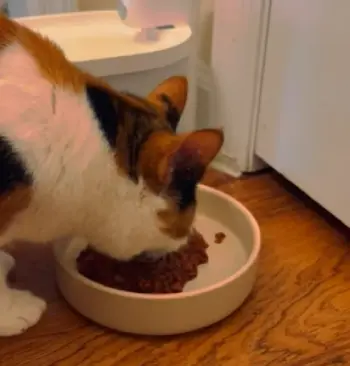
- Excellent hydration support through high-moisture wet formulas: Fancy Feast wet foods typically contain 78-80% moisture, which closely mimics the natural diet of cats who evolved to get most of their water from prey.
In my home, this has proven invaluable for preventing dehydration-related issues like urinary crystals.
After one vet visit where my cat showed early signs of trouble, adding daily Fancy Feast meals noticeably increased her fluid intake without me having to fight with a water fountain.
This makes it especially useful for senior cats or those with kidney concerns who tend to drink less on their own.
- Highly palatable with irresistible flavors and textures that picky eaters love: The range of pâtés, chunks in gravy, flaked, and sliced options, combined with real tastes of chicken, beef, turkey, and seafood, turns mealtime into something my cats actually look forward to.
I’ve dealt with extremely finicky eaters who turned away from expensive brands, but a can of Fancy Feast Classic would get cleaned out every time.
This palatability reduces stress during feeding and ensures consistent calorie intake, which is critical for maintaining weight in older or recovering cats.
- Very affordable and budget-friendly for everyday feeding: At a lower price per serving than many competitors, Fancy Feast allows me to provide complete and balanced nutrition without straining my wallet, especially in multi-cat households.
The small 3-oz cans are perfectly portioned, cutting down on waste and leftovers that spoil quickly.
Over months of tracking my expenses, it consistently saved money while still delivering on basics like taurine and essential nutrients.
- Convenient portion sizing and easy availability: Each can serves as a single fresh meal, making serving quick and mess-free during busy mornings or travel days.
No measuring scoops or worrying about kibble going stale. Plus, it’s stocked in virtually every grocery store and online retailer, so I never run out unexpectedly.
This practicality has made it a reliable staple when life gets hectic.
- Great variety keeps cats interested and prevents food boredom: With dozens of flavors and textures across lines like Gourmet, Naturals, and Classic, I can rotate options to maintain enthusiasm.
This variety has helped my cats stay engaged at mealtimes, improving overall appetite and reducing the risk of them becoming bored with their food, which I’ve seen lead to better long-term eating habits.
Cons Of Fancy Feast
- Heavy use of by-products and vague ingredient descriptions: Many recipes list “meat by-products,” “poultry by-products,” or generic “fish” and “liver,” which lack the specificity of whole named meats.
While these provide some nutrition affordably, they can feel lower quality upon close label analysis.
In my experience, this sometimes resulted in slightly less optimal digestion for one sensitive cat compared to clearer meat-first formulas.
- Presence of artificial colors, flavors, and preservatives in standard lines: Ingredients like added colors, artificial flavors, and sodium nitrite appear in several recipes to enhance appearance and shelf life.
Although generally considered safe, they aren’t my first choice for daily feeding.
I’ve occasionally noticed mild digestive sensitivity or preferred switching to the Naturals line to avoid them altogether.
- Limited high-quality dry food options: While wet shines, the dry kibble varieties don’t stand out in terms of ingredients or appeal.
My cats would eat them but without the same excitement as wet, making Fancy Feast less ideal if you rely heavily on dry for convenience or dental health benefits.
- Potential for variable digestibility in sensitive cats: Some formulas can lead to softer stools or occasional gas, particularly during transitions.
This required careful monitoring and slower introductions in my household, adding a bit of extra effort when trying new flavors.
Fewer specialized health-focused formulas: Compared to brands with extensive lines for weight control, allergies, or seniors, Fancy Feast offers fewer targeted options.
Key Features Of Purina One
- Real meat as the number one ingredient: Chicken leads many formulas, giving a strong protein base that supports muscle maintenance.
- Targeted health formulas: Options for indoor cats, urinary health, sensitive stomachs, and more help address specific concerns.
- Dry and wet options: The kibble provides dental benefits through crunch, while wet adds moisture.
- Added vitamins and minerals: Formulated for visible health differences like shinier coat or better digestion.
- Natural positioning with practical ingredients: Focuses on wholesome elements while keeping costs reasonable.
When I tested Purina One with my crew, the dry version held up well for all-day nibbling, and I noticed fewer hairballs with the sensitive formulas. It felt like a step up for everyday feeding.
mbine it with other foods or supplements to address specific health needs like urinary support beyond basic hydration.
Pros Of Purina One
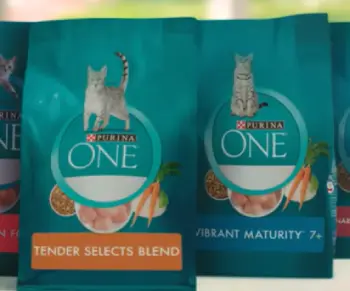
- Strong real meat protein foundation for muscle support: Most formulas lead with chicken or turkey as the primary ingredient, providing solid animal protein levels (often 34%+ in dry).
This has helped my active cats maintain lean muscle and energy during play sessions.
After consistent use, I observed better overall vitality and fewer signs of muscle loss in my middle-aged cat.
- Specialized formulas tailored to common cat health needs: Options for indoor cats, urinary tract health, sensitive digestion, weight management, and more allow precise matching to my cats’ lifestyles.
The Indoor Advantage formula, for example, helped control hairballs and weight in my apartment dwellers through adjusted fiber and calories—a targeted benefit I appreciated after dealing with shedding issues.
- Good balance of dry and wet options for flexible feeding: The kibble offers dental crunch benefits while wet patés add moisture.
Mixing them created satisfying routines that kept my cats full longer and supported both hydration and oral health without extra effort.
- Added nutrients for visible health improvements: Fortified with vitamins, minerals, and taurine, many users (including me) report shinier coats, better digestion, and firmer stools. The 28-day challenge concept encouraged me to track changes, and I did notice positive differences in coat quality and energy after a month.
- Reliable palatability and convenient packaging: The tender-selects blends with crunchy kibble and soft pieces appeal to most cats, and bulk bags make storage easy for larger households.
This combination of taste and practicality made daily feeding straightforward.
Cons Of Purina One
- Higher carbohydrate levels in dry formulas from grains: Ingredients like corn, rice, and wheat can elevate carbs significantly (30%+ in some), which isn’t ideal for carnivorous cats. This contributed to easier weight gain in less active cats if portions weren’t carefully controlled in my trials.
- Inclusion of multiple plant-based proteins: Soybean meal, corn gluten meal, and similar fillers boost protein numbers but may offer lower biological value than pure animal sources. This dilution made me question long-term optimality for meat-dependent cats.
- Slightly higher cost compared to basic wet foods: While still affordable overall, the price per day adds up faster than plain Fancy Feast, especially when feeding multiple cats or using premium specialized formulas.
- Potential monotony with dry kibble texture: Some cats lose interest in plain kibble over time, requiring toppers or mixing to maintain appeal. This was evident when my pickier eater preferred wet options more consistently.
- Parent company recall history and less “clean” ingredients in some recipes: Though ONE has a relatively clean record, broader Purina recalls create caution. Artificial colors or flavors still appear in certain lines, preventing it from feeling like a fully premium choice.
Ingredients Breakdown: What You’re Actually Feeding?
Fancy Feast often lists chicken or beef early but follows with poultry broth, liver, meat by-products, and fish.
Artificial flavors and colors show up, along with guar gum for texture. It’s straightforward for wet food but not the cleanest list.
Purina One starts strong with chicken, then includes rice, corn gluten meal, and by-product meals in dry. Wet versions are cleaner with grain-free choices available.
Analytically, Fancy Feast wins on moisture and simplicity in cans, while Purina One provides more complete daily nutrition in kibble form.
I always check for taurine levels—both deliver, but I supplement if needed for peace of mind.
Nutrition Comparison: Macros And Micronutrients
Wet Fancy Feast typically shows around 45-50% protein on dry matter basis, low carbs under 10%, and good fat. It excels in hydration, crucial for kidney health.
Purina One dry hits 35-40% protein but with 30%+ carbs from grains, which can affect weight. Their wet patés are closer matches.
From my trials, mixing them gives the best of both: moisture from Fancy Feast and sustained energy from Purina One. Watch phosphorus for seniors—both are reasonable but consult your vet for tailored needs.
Also Read: Comparison Of NutriSource And Purina Pro Plan
Frequently Asked Questions (FAQ)
It depends on your cat. Purina One offers more specialized dry options, but Fancy Feast excels in wet variety and affordability.
Many vets see it as acceptable for balanced feeding, especially wet for hydration, though they often suggest rotation with higher-quality choices.
Common recommendations include brands like Wellness, Orijen, Acana, Royal Canin (vet-specific), and Purina Pro Plan for science-backed nutrition.
No, though both are under the Purina parent company. Fancy Feast focuses on gourmet wet, while Purina One is a broader premium line.
In Wrapping This Up
I’ve found real value in both Fancy Feast and Purina One through trial and observation.
You should consider your cat’s preferences, health needs, and your budget to make the call. Mix, match, and monitor—your feline friend will thank you with purrs and play.
What works best might surprise you, just as it did for me and my crew.
Recent Posts
I tried Meltoway Hair Dissolving Cream because I wanted a quick way to deal with unwanted body hair without reaching for a razor every few days. If you are looking for a convenient at-home...
If you’re considering a saffron-based supplement to support mood, appetite control, and everyday wellness, Happy Saffron Plus is worth considering.I like that it takes a familiar botanical...