
If tired, aching feet make it difficult for you to relax after a long day, the Paingone Fllow foot massager may be worth considering.
Unlike traditional foot massagers that rely on kneading or vibration, Fllow uses electrical stimulation designed to activate muscles in your feet and lower legs.
In this review, I’ll explain how it works, its potential benefits, its limitations, and how it compares with other foot massage options.
If you’re looking for a convenient, at-home way to manage everyday foot discomfort, I recommend considering it after checking whether electrical stimulation is suitable for your needs.
My First Experience With The Fllow Foot Massager
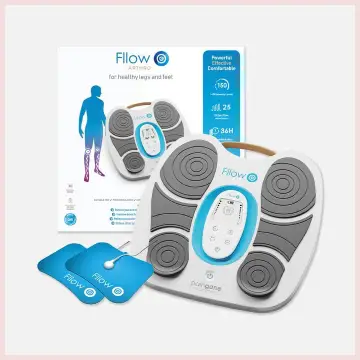
When I evaluate a product like the Paingone Fllow foot massager, I look beyond its promises and focus on what matters in everyday life: ease of use, comfort, practical benefits, and value for money.
I can’t claim personal hands-on testing of this device, so this section takes a realistic user-focused approach based on how the product is designed to work rather than presenting invented results as firsthand experience.
The first thing that makes Fllow different is its approach to foot relief. Many conventional foot massagers use rotating rollers, kneading nodes, air compression, or vibration. Fllow instead uses electrical stimulation to trigger muscle contractions.
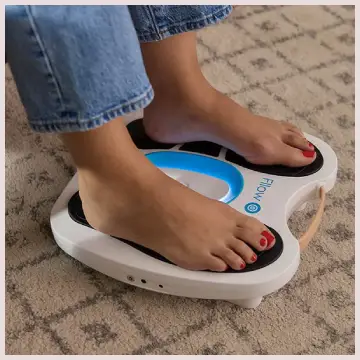
You place your feet on the device’s designated surfaces and select an intensity that feels comfortable, following the manufacturer’s instructions.
For someone who spends hours standing, walks frequently, or experiences tired feet after a demanding workday, this design may be appealing.
You don’t need to knead your feet manually or arrange a massage appointment. The device is intended to make a foot-care routine easier to manage at home.
However, I would keep my expectations realistic. Electrical stimulation feels different from a traditional massage.
If you enjoy the sensation of warm rollers pressing into your arches or a kneading massage around your heels, Fllow may not deliver the experience you expect. Its primary mechanism is electrical stimulation, not mechanical pressure.
Comfort is another important consideration. Some people may find gentle electrical pulses pleasant or useful, while others may dislike the tingling sensation.
Starting at a low intensity and increasing it gradually, if appropriate, is a sensible approach. Stronger stimulation is not automatically better, and you should stop if you experience pain, burning, unusual discomfort, or skin irritation.
I would also distinguish temporary relaxation from treatment. A foot massager may help some people feel more comfortable, but that doesn’t mean it corrects the underlying cause of persistent pain, poor circulation, nerve problems, or swelling.
Overall, Fllow is best evaluated as a specialized home foot-care device rather than a universal solution. Its appeal depends on whether you prefer electrical stimulation over traditional massage and whether its price, operating instructions, and safety requirements fit your needs.
Pros Of The Fllow Foot Massager
- A Different Approach to Foot Relief
The biggest advantage of Fllow is its electrical stimulation mechanism. If conventional foot massagers feel too aggressive or don’t suit your preferences, this technology offers another option.
Instead of relying on rollers pressing against the soles of your feet, electrical impulses stimulate nerves and muscles. That difference may appeal to people who want to experiment with a non-kneading form of foot care.
I wouldn’t assume that this approach is automatically superior to traditional massage. Its value comes down to your comfort, your needs, and how you respond to the sensation.
- Convenient Home Use
Convenience is one of the strongest reasons to consider an at-home foot massager. You don’t have to schedule appointments or travel somewhere whenever you want to incorporate foot care into your routine.
If you spend most of your day working, looking after family, or managing household responsibilities, an at-home device can make self-care easier to organize.
You can establish a consistent routine according to the manufacturer’s directions rather than depending on occasional professional sessions. That convenience may be especially appealing when your feet feel tired at the end of an ordinary day.
Of course, convenience only counts as a genuine advantage if the device is comfortable and easy for you to operate.
- No Manual Kneading Required
Traditional massage requires physical pressure. Even electric roller massagers rely on mechanical contact to manipulate the feet.
Fllow takes a different approach. Its electrical stimulation is designed to activate muscles without needing moving massage heads to knead the soles.
That may appeal to users who dislike the pressure of hard rollers or find deep mechanical massage uncomfortable. However, electrical stimulation produces its own distinct sensation, so people who dislike tingling or muscle contractions may prefer a conventional alternative.
- Adjustable Stimulation May Improve Comfort
With electrical stimulation devices, the intensity setting can make a substantial difference to the experience. A gentler setting may be easier to tolerate than immediately selecting a stronger level.
I would treat adjustability as a practical advantage only when the available controls and instructions allow you to select an appropriate, comfortable setting.
Remember that comfort is more important than intensity. You should never push through unpleasant sensations simply because you think a stronger setting will provide better results.
Follow the device’s instructions, and don’t assume that increasing the intensity will produce greater pain relief.
- Potential Support for a Relaxation Routine
For many people, the value of foot care is partly about creating a relaxing transition between work and rest.
A short, comfortable session with a foot-care device may become part of that routine. You might use the time to sit quietly, unwind after walking, or prepare for the evening.
Fllow may suit this purpose if you enjoy electrical stimulation and find it comfortable. However, relaxation is subjective, and not everyone will enjoy the sensation.
Cons Of The Fllow Foot Massager
A balanced Fllow foot massager review must also examine the drawbacks. The device may appeal to certain users, but it isn’t necessarily the right choice for everyone.
- Electrical Stimulation Isn’t for Everyone
The most obvious limitation is the sensation itself. Electrical pulses can feel unusual, especially if you’ve never used a stimulation device before.
Some people may find the sensation manageable, while others may experience discomfort or simply dislike the feeling of their muscles being stimulated.
If you prefer the familiar pressure of a traditional foot massage, Fllow might not meet your expectations. I would think carefully about this difference before spending money on it.
- Results May Vary
No two people experience foot discomfort in exactly the same way. Your daily activity, footwear, muscle condition, medical history, and the underlying cause of your symptoms can all affect how you respond to foot-care products.
One user might enjoy a device as part of a relaxation routine, while another might notice little benefit.
There is also an important distinction between feeling comfortable during a session and achieving lasting improvement. You shouldn’t assume that a temporary change in sensation means the underlying problem has been resolved.
- It Doesn’t Replace Medical Treatment
This is one of the most important limitations to understand.
Fllow is a consumer foot-care device, not a substitute for diagnosing or treating the cause of persistent foot pain. Electrical stimulation should not be assumed to improve circulation, repair damaged nerves, or cure a medical condition simply because the product is designed to stimulate muscles.
If you have ongoing heel pain, unexplained swelling, numbness, burning sensations, or difficulty walking, seek medical advice instead of depending on a massager.
- Safety Restrictions May Limit Its Suitability
Electrical stimulation isn’t appropriate for everyone. Depending on the device’s design and your medical circumstances, extra caution or avoidance may be necessary.
If you have a pacemaker or another implanted electronic device, a history of seizures, reduced sensation, significant circulation problems, or a condition affecting your feet, consult a healthcare professional before using electrical stimulation.
People who are pregnant should also seek professional advice before using such a device. Follow the product’s specific contraindications, since restrictions can differ between electrical stimulation technologies.
If you cannot reliably feel whether the stimulation is too strong, you may be at greater risk of irritation or injury.
- It May Not Deliver the Traditional Massage Experience
A conventional foot massager can provide physical pressure around the arches, heels, and toes. Some models also incorporate heat, vibration, or air compression.
Fllow’s electrical stimulation works differently. It may not satisfy someone who specifically wants kneading pressure or a warming massage after standing all day.
Before buying, decide what you actually want from the device. If you primarily want mechanical relaxation, a roller-based model may be a better match.
- Value Depends on Price and Usage
Even a well-designed product isn’t automatically good value for every buyer.
If Fllow costs more than a basic foot roller or manual massage tool, you’ll need to decide whether electrical stimulation provides enough additional value for your needs.
I would compare the purchase price, warranty, expected durability, operating requirements, and return policy. Also, check whether replacement components or accessories are required.
A cheaper product that meets your needs may be a better purchase than a more specialized device you rarely use.
Maintenance For The Fllow Foot Massager
- Clean the Contact Surfaces Carefully
After each session, check the surfaces that come into contact with your feet. Sweat, dust, and ordinary residue can accumulate over time.
Clean the device only according to the manufacturer’s instructions. If the instructions permit wiping the surfaces with a soft, slightly damp cloth, make sure the device is disconnected from its power source first.
Avoid soaking the unit, spraying liquids directly onto electrical components, or using abrasive cleaning products unless expressly permitted.
Allow any cleaned surfaces to dry completely before using the device again.
- Inspect the Device Before Use
Before each session, take a moment to check the unit for visible damage.
Look for cracked housing, damaged cables, loose connections, unusual discoloration, or contact surfaces that appear worn. Don’t use the device if you notice damage that could affect safe operation.
Electrical products should never be used with damaged wiring or exposed internal components. If something appears faulty, contact the manufacturer or an authorized service provider.
A quick inspection takes little time and may help you identify a problem before it becomes more serious.
- Store It in a Dry Place
Moisture and electrical equipment are a poor combination.
Store Fllow somewhere clean, dry, and protected from excessive heat. Avoid leaving it in a damp bathroom, near a sink, or in direct sunlight for extended periods.
Keep it away from children and pets, and don’t place heavy objects on top of it.
If the device has detachable accessories, store them according to the supplied instructions so they don’t become lost or damaged.
- Follow the Recommended Session Duration
Longer sessions are not necessarily better.
Use the duration and frequency specified in the manufacturer’s instructions. Don’t extend a session or increase the intensity because you’re hoping to speed up the results.
Pay attention to your body’s response. Stop immediately if you experience pain, burning, persistent tingling, skin irritation, dizziness, or another unexpected symptom.
If discomfort continues after you stop, seek appropriate medical advice.
- Keep Your Feet Clean and Dry as Directed
Follow the manufacturer’s guidance about skin preparation and foot placement.
If the instructions require clean, dry feet, make sure your feet meet those conditions before using the unit. Don’t apply creams, oils, or other products to the contact areas unless the instructions explicitly permit them.
Inspect your feet periodically for irritation or changes in the skin. If you have diabetes, reduced sensation, or a history of foot wounds, seek professional guidance before using electrical foot stimulation.
- Protect the Power Components
If your model uses a power adapter or rechargeable battery, follow the supplied charging and handling instructions.
Use only compatible charging equipment and avoid exposing electrical components to water. Don’t pull the cable to disconnect a plug, and don’t wrap cords tightly around the unit if doing so could damage them.
If the device becomes unusually hot, produces a burning smell, or behaves unexpectedly, discontinue use.
Comparison Of Fllow Foot Massager With Other Brands
- Fllow vs. Renpho Foot Massagers
Comparison based on product types and commonly offered features; specifications vary by model.
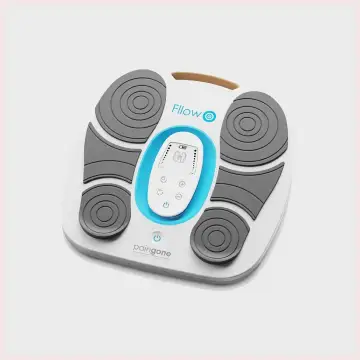
Designed around electrical stimulation rather than conventional mechanical kneading. It may appeal to people interested in muscle stimulation without the pressure of massage rollers.
Many Renpho foot massagers use kneading, compression, and sometimes heat. They may be a better fit if you want a traditional massage sensation around your soles and arches.
I would choose Fllow if electrical stimulation is specifically what interests me. If I wanted a mechanical massage after standing for hours, I would look more closely at a Renpho model with the functions I need.
- Fllow vs. HoMedics Foot Massagers
HoMedics offers foot-care products across different price points, including models focused on vibration, mechanical massage, or heat. The exact experience depends on the model.
HoMedics may be a better option if your priority is straightforward relaxation with physical massage. Fllow offers a different experience through electrical stimulation.
When comparing them, consider whether you want pressure against your feet or electrical impulses that stimulate muscles. Those are different sensations, and choosing the right one matters more than picking a brand based on popularity alone.
- Fllow vs. MedMassager
MedMassager products include vibration-based devices designed to provide repetitive mechanical movement. Some are intended for people looking for a more pronounced vibration experience.
This comparison is particularly useful if you’re interested in muscle stimulation but aren’t sure which technology you prefer. Vibration and electrical stimulation aren’t interchangeable, and neither guarantees relief from a particular medical condition.
I would compare the specific device instructions, safety restrictions, and intended uses before deciding.
- Fllow vs. a Manual Foot Roller
A simple roller lets you apply physical pressure to your soles by moving your feet over its surface. It requires no electrical stimulation and usually involves minimal setup.
A manual roller is worth considering if you want an inexpensive, straightforward way to massage the soles of your feet. You can control the pressure by adjusting how much weight you apply.
Fllow may be more appealing if you’re specifically interested in electrical stimulation. However, the manual option may offer better value if your goal is simply to relax your feet after a busy day.
Also Read: Is Rejuvacare Foot Massager Worth It?
Frequently Asked Questions (FAQ)
There isn’t one best choice for everyone. Renpho and HoMedics offer options for conventional massage, while Fllow targets users interested in electrical stimulation.
Some podiatrists may recommend massage for suitable cases of foot discomfort, but the advice depends on the diagnosis and the device. Ask your podiatrist if you have an underlying condition.
A foot massager may help some people relax or temporarily ease discomfort. Results vary, and no consumer foot massager is guaranteed to treat the underlying cause of pain.
Potential concerns to investigate include the unusual electrical sensation, variable results, comfort, price, and suitability. I can’t verify a current consensus of customer reviews or complaints here.
Wrapping Up
My verdict on the Paingone Fllow foot massager is that it may be worth considering if you want to explore electrical stimulation as part of your home foot-care routine.
Its main appeal is its alternative approach to conventional massage, but comfort and results can vary. Before buying, compare its features, price, warranty, and safety instructions with other options.
If electrical stimulation suits your needs and you have no contraindications, Fllow may be a reasonable purchase; if you prefer kneading or heat, consider a traditional foot massager instead.
Recent Posts
My take on Everything Fertility by Himiko is cautious, especially for anyone hoping to improve their chances of conception with an herbal tea.Although fertility teas may appeal to people seeking...
REV Energy Gum is worth considering if you want a convenient way to feel more alert without preparing coffee or opening an energy drink. I like the idea of portable energy that fits into a...