
I have spent years battling my frizzy, wavy hair every morning, switching between blow dryers and straighteners that left my strands feeling dry and damaged. When I discovered the GHD Duet Styler and Dyson Airstrait, both promising to take hair from wet to straight in one step, I knew I had to test them side by side.My main intent with this article is to share my honest, real-user experience comparing these two high-end wet-to-dry stylers so you can decide which one suits your hair type, routine, and budget better. I focus on key features like airflow technology, heat levels, styling results, and long-term hair health.After weeks of testing on my own medium-thick, color-treated hair, here is what stood out.
A Brief Comparison Table
| Feature | GHD Duet Styler | Dyson Airstrait |
| Technology | Heated plates with airflow (AIRFUSION) | Pure directional airflow (no heated plates) |
| Heat Settings | Fixed lower temps (plates ~248°F, air ~302°F) with Shine Shot mode | Multiple precise settings (wet: 80°C/100°C/140°C, dry mode options) |
| Styling Finish | Poker-straight, ultra-sleek with high shine | Natural straight with movement and volume |
| Speed | Effective but slower (around 7-8 minutes for full head) | Faster results (often half the time) |
| Hair Damage Claim | No thermal damage with up to 4 passes | Virtually no heat damage due to airflow only |
| Versatility | Good for straight styles, limited waves in Shine Shot | Excellent for wet or dry use, smoothing flyaways |
| Weight & Design | Heavier, wider plates | Slimmer and longer but still weighty |
| Price Point | Generally lower (around $399-$450 range) | Higher premium (around $499-$700 depending on region) |
| Best For | Those wanting flat, shiny salon-like straightness | Users prioritizing hair health and natural finish |
My Experience With Ghd Duet Styler
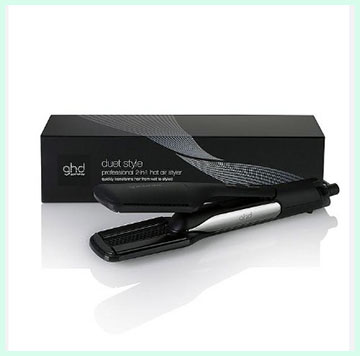
I first unboxed the GHD Duet Styler on a rushed Monday morning with damp hair from my shower. The tool felt solid and professional in my hand, though noticeably heavier than my old straightener.
I sectioned my hair, clamped a medium piece near the roots, and glided slowly downward. The warm air flowed steadily while the plates smoothed, and within a few passes my section dried completely with a sleek finish.
The shine impressed me right away—my usually dull color-treated hair looked healthier and glossier. Over the next weeks I used it three to four times weekly.
It handled my wavy texture well, taming frizz without that fried feeling. The Shine Shot mode became my favorite for quick touch-ups, adding extra polish to ends.
On thicker days it required patience with extra passes, but results stayed consistent. My hair felt soft afterward, not stripped.
The only real drawback was arm fatigue from the weight during longer sessions, and getting close to my scalp took practice.
Overall, it simplified my routine and boosted my confidence in quick styles. I still reach for it when I want that polished straight look.
Pros Of Ghd Duet Styler
- Time-saving convenience: I love how the GHD Duet Styler cuts my routine in half by drying and straightening simultaneously, so I no longer juggle two separate tools on busy mornings.
- Shiny, sleek finish: The combination of heated plates and airflow seals the cuticle beautifully, giving my hair that high-shine salon result that lasts through the day even in humid weather.
- Claimed low damage in wet-to-style mode: GHD designed it with controlled lower temperatures that remove surface moisture while preserving internal hydration, and my hair felt soft rather than brittle after regular use.
- Shine Shot mode for extra polish: Switching to this mode turns off the strong airflow but keeps gentle heat, letting me perfect ends or add subtle movement without over-drying.
- Familiar straightener feel: If you already know how to use flat irons, the motion comes naturally, making it easy to section and glide without a big adjustment period.
- Energy efficiency: It reportedly uses less power than some traditional dryers while delivering strong performance, which matters when I style frequently.
- Wide plates for efficiency: Larger surface area covers more hair per pass, helping me finish medium-length hair quicker than expected.
- Frizz control: My wavy sections lay flat with less poof, and the results hold up better than air-only drying methods I tried before.
- Consistent results across passes: Up to four passes per section deliver the promised smooth look without the crispiness I sometimes get from hotter tools.
- Build quality and durability: The tool feels premium and well-made, with a professional aesthetic that matches other GHD products in my collection.
- Good value relative to performance: For the price, it offers strong straightening power and shine that rivals separate dryer-plus-iron routines.
- Quiet operation compared to some dryers: The motor hum is noticeable but not overwhelming, allowing me to listen to podcasts while getting ready.
Cons Of Ghd Duet Styler
- Heavier design: The wider body makes my arm tired after styling my full head, especially when holding it at certain angles for roots.
- Limited versatility for curls or waves: While Shine Shot helps a bit, it does not create bouncy styles as easily as dedicated tools, so I still reach for other options when I want texture.
- Wider plates challenge short hair or fringes: Getting close to my scalp or tackling baby hairs requires extra care, and precision suffers compared to slimmer tools.
- Slower drying on very thick hair: Some sections needed more passes than advertised, extending my total time beyond what I hoped.
- Fixed temperature settings: Lack of granular heat adjustments means less customization if my hair feels particularly fragile on certain days.
- Potential for overuse damage: Although marketed as low-damage, exceeding recommended passes could still affect hair health, so I stay disciplined.
- Bulkier storage: It takes more space in my drawer than sleeker options, and the cord feels standard rather than specially designed.
Maintenance Tips For Ghd Duet Styler
- Unplug and cool completely first: I always wait several minutes after use before cleaning to avoid burns or damage to internal parts.
- Wipe exterior with damp cloth: A soft microfiber cloth removes fingerprints and residue without scratching the finish.
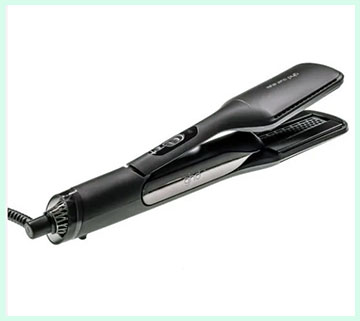
- Clean the rear filter regularly: Using the supplied brush or a soft one, I gently remove dust and hair to keep airflow strong and prevent overheating.
- Avoid abrasive cleaners: I stick to mild soap and water on the cloth—never harsh chemicals that could degrade the housing.
- Check air vents often: Clearing any buildup from the outlets ensures consistent performance over months of use.
- Store in a dry place: I keep it upright in its box or a dedicated spot away from humidity to protect electronics.
- Do not wrap cord tightly: Loose coiling prevents internal wire strain that could shorten the tool’s lifespan.
- Inspect plates after each use: Wiping away any product residue while warm helps maintain smooth gliding.
- Use heat protectant spray: Even with low-damage claims, I apply a light mist to safeguard my hair and reduce buildup on the tool.
- Test filter cleanliness weekly: If airflow seems weaker, a quick brush clean restores full power quickly.
- Avoid immersing in water: The design is not waterproof, so I never risk liquid near the motor.
- Schedule deep clean monthly: Removing the filter if possible and brushing thoroughly keeps everything running like new.
- Monitor for unusual noises: Any change in motor sound prompts me to check vents and clean immediately.
- Use original accessories: The cleaning brush provided works best for tight spots around plates.
- Keep away from direct sunlight: Prolonged exposure can affect plastics and internal components over time.
Also Read: Comparison of Cocofloss And Cocolab
My Experience With Dyson Airstrait
Switching to the Dyson Airstrait felt like a different world. Its slimmer profile and LCD screen made controls intuitive from the first use. I selected wet mode and a moderate heat setting, then glided through damp sections. The powerful airflow pushed my hair straight as it dried, with no plates clamping down.
Results came faster—my full head finished noticeably quicker. The style looked natural with subtle movement and good volume at the roots, which I appreciated for everyday wear. Flyaways smoothed beautifully, and my hair felt incredibly soft and healthy after repeated uses.
I tested it on dry hair too for quick smoothing, and the auto-pause feature when set down added safety and convenience. The tool is weighty, and reaching upper sections required some angling, but the gentler approach left my hair less flat and more bouncy. For me, it excels when I want low-effort, damage-minimizing styling with a lived-in finish. Both tools earned spots in my routine depending on the desired look.
Pros Of Dyson Airstrait
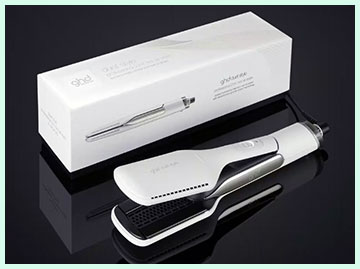
- Gentle on hair with airflow technology: The Dyson Airstrait uses powerful directed air instead of hot plates, so my hair feels noticeably softer and less stressed after styling compared to traditional tools.
- Faster drying and straightening: On busy mornings I finish my full head in roughly half the time it takes with the GHD Duet Styler, which makes a real difference when I am running late for work.
- Natural straight finish with movement: Unlike super flat results, the Airstrait leaves my wavy hair looking straight yet bouncy with subtle volume, perfect for everyday looks that do not scream “just styled.”
- Multiple precise temperature controls: The LCD screen lets me choose exact heat levels for wet or dry mode, giving me confidence that I am not overheating my color-treated strands on sensitive days.
- Auto-pause safety feature: When I set the tool down it stops airflow automatically, reducing accidental heat exposure and giving me peace of mind during multi-tasking.
- Excellent flyaway control: The strong airflow smooths those annoying baby hairs and frizz around my face without needing extra passes or products.
- Works on both wet and dry hair: I can use it right after washing or for quick mid-day touch-ups, making it more versatile than tools limited to one starting condition.
- Preserves hair health long-term: After weeks of regular use my ends look less split and my overall texture feels stronger, which I attribute to the reduced direct heat contact.
- Sleek and modern design: The slim profile feels premium and the digital display makes it easy to see settings even in low bathroom light.
- Strong consistent airflow: The motor delivers reliable power that pushes hair straight efficiently without weak spots that leave sections damp.
- Good root lift potential: By angling the tool properly I can create volume at the crown while still achieving smooth lengths, something harder with clamping stylers.
- Innovative engineering: Dyson’s focus on intelligent airflow creates results that feel like a professional blowout combined with smoothing in one simple step.
Cons Of Dyson Airstrait
- Higher price point: The Dyson Airstrait costs noticeably more than the GHD Duet Styler, which makes me pause when budgeting for beauty tools even though the performance justifies it for some users.
- Heavier than expected: Despite the slim look, holding it for a full head of hair causes arm fatigue, especially when reaching the back sections or working on thicker areas.
- Requires technique for best results: I had to practice the gliding angle and speed to avoid uneven drying, and beginners might find it less intuitive than a simple clamp-and-pull motion.
- Less poker-straight shine: If you crave glassy flat hair like from traditional irons, the Airstrait gives a softer finish that sometimes needs extra polishing for formal events.
- Limited root closeness: Getting right to the scalp without burning skin takes careful positioning, and I sometimes miss smoothing very short hairs at the hairline.
- Bulkier storage needs: The longer arms take up more space in my drawer compared to compact straighteners, and the cord is sturdy but not the most flexible.
- Learning curve for wet-to-dry use: On very soaked hair it can take longer than advertised unless I pre-towel dry well, extending total time on wash days.
- No traditional clamping action: Some days I miss the satisfying press of plates that force super sleek results in one pass.
- Potential for flyaways if misused: If I glide too quickly in humid conditions, a few strands can puff up, requiring a quick dry-mode touch-up.
- Premium maintenance expectations: The filters and vents need regular attention to keep performance optimal, adding a small ongoing chore.
- Less effective on extremely thick coarse hair: My medium texture works great, but friends with denser hair report needing more passes for full straightness.
- Digital screen can feel gimmicky: While useful, it adds complexity when I just want to grab and go without thinking about settings.
- Higher power consumption feel: Though efficient, the strong motor drains faster during long sessions compared to simpler tools.
- Occasional static in dry weather: The airflow can create light static on finer ends, which I solve with a quick serum but still notice.
Maintenance Tips For Dyson Airstrait
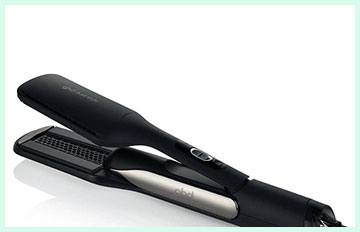
- Clean the filter regularly: I remove and brush the rear filter every week with the provided tool to prevent dust buildup that could reduce airflow power over time.
- Wipe exterior gently: A soft damp cloth keeps the sleek body looking new without scratching the premium finish or damaging the digital display.
- Check air vents daily: After each use I quickly inspect and clear any loose hairs from the outlets to maintain strong consistent performance.
- Avoid water near electronics: I never spray cleaner directly on the tool and always ensure it is completely dry before storing to protect the motor.
- Store upright in cool place: Keeping the Airstrait standing prevents stress on the arms and protects it from humidity common in my Sylhet bathroom.
- Do not wrap cord tightly: I coil it loosely to avoid internal wire damage that could affect long-term reliability.
- Use original cleaning accessories: The Dyson brush works best for tight spots around the airflow gap and LCD area.
- Monitor for reduced airflow: If drying slows I know it is time for a deeper filter clean rather than ignoring the warning signs.
- Apply protectant before use: Even with gentle tech, a light heat protectant spray reduces residue that could build up inside the tool.
- Unplug after every session: I make it a habit to disconnect power to extend the life of internal components.
- Avoid dropping or impacts: The engineering is precise, so I handle it carefully to prevent misalignment in the airflow system.
- Deep clean monthly: I spend extra time brushing all accessible vents and wiping the arms thoroughly under good light.
- Keep away from direct heat sources: Storing near hairdryers or sunlight can affect plastics and sensors, so I choose a shaded drawer spot.
- Test functionality after cleaning: A quick dry run on low setting confirms everything works smoothly before my next styling session.
- Follow Dyson care guidelines: Their instructions emphasize gentle handling, which has kept my unit performing like new after months of frequent use.
Comparison With Other Brands
Versus traditional flat irons and dryers: The GHD Duet Styler outperforms separate tools by combining steps, saving time and reducing total heat exposure compared to my old routine of drying then ironing.
Against Dyson Airwrap: While the Airwrap offers more styling versatility with attachments, the Duet focuses purely on straight results with simpler operation and often better shine for my straight-hair goals.
Compared to Shark or other wet-to-dry tools: GHD edges out in build quality and shine, though some competitors feel lighter; the controlled temps give me more confidence in daily use.
With high-end ceramic straighteners: The airflow integration makes the Duet gentler on wet hair than pure hot-plate irons that can cause more sizzle and dryness.
Versus Revair or similar airflow straighteners: GHD adds physical plates for sleeker results, while pure air options stay gentler but sometimes leave less polished finishes.
Against budget hot air brushes: The premium motors and sensors in GHD deliver far superior smoothness and longevity of style without the frizz I experienced with cheaper models.
In the context of GHD’s own lineup: It complements my existing GHD straightener perfectly for days when I want speed without switching tools.
Relative to Dyson Supersonic dryer: The Duet integrates styling better for straight looks, though the Supersonic remains king for volume and rough drying.
Compared to Babyliss or Remington multi-stylers: GHD feels more precise and damage-conscious, justifying the higher cost with consistent professional results.
Against emerging smart tools with sensors: The Duet’s moisture-aware tech holds its own, though Dyson’s LCD interface offers more visible customization.
With professional salon equipment: For home use, it closely mimics what stylists achieve but in less time and with built-in drying.
Versus multi-function Airwrap competitors: Focused design means fewer attachments to lose, making it simpler for straight-hair devotees.
In broader market of heatless options: It provides reliable heat styling with claimed protection that heatless methods cannot match for sleekness.
Against older GHD models: The Duet modernizes the experience with wet-to-dry capability, feeling like a clear upgrade.
Relative to luxury beauty tech overall: It stands strong in the premium segment for users who prioritize straight, shiny hair without excessive damage.
Read More: Comparison of Nugenix Maxx And Nugenix Ultimate
Frequently Asked Questions (FAQ)
It depends on your priorities. The Dyson Airstrait often wins for gentler airflow, faster drying, and natural straight styles with less potential damage. The GHD Duet excels if you prefer ultra-sleek, high-shine poker-straight results and a more traditional straightener feel.
Not necessarily across the board. The GHD Duet can feel better for those wanting maximum shine and flatness at a slightly lower price, while Dyson generally offers more temperature control and a healthier long-term feel for many users.
GHD claims no additional thermal damage with up to four passes in wet-to-style mode compared to air-drying naturally, thanks to controlled lower temperatures. Real results vary by user technique, hair type, and consistent use of protectant—my hair stayed healthy but I never exceed recommended passes.
Conclusion
After testing both extensively, I can tell you there is no single winner between the GHD Duet Styler and Dyson Airstrait—it comes down to what you value most in your hair routine.If you crave that glassy, poker-straight salon finish with noticeable shine and do not mind a tool that feels like an upgraded straightener, you will likely love the GHD Duet Styler as much as I do on polished days.
Its ability to dry and smooth simultaneously saves precious time while delivering reliable results that hold up well.On the other hand, if protecting your hair long-term matters most and you prefer a softer, more natural straight look with movement and volume, the Dyson Airstrait might suit you better. Its pure airflow approach feels gentler, often works faster, and leaves my strands softer and healthier overall.You should consider your hair type, how much time you have each morning, and whether you prioritize shine or gentleness.
I keep both now because they complement each other perfectly—GHD when I want drama and sleekness, Dyson when I want effortless health and speed.Whichever you choose, invest in quality heat protectant and listen to your hair. Both tools represent exciting advances in styling technology that make getting ready less stressful and more effective. Try them if you can, or start with the one whose finish matches your ideal look. Your hair will thank you for the upgrade either way.
Recent Posts
● Interactive 5-Zone Interior & Exterior Paint Blueprint Paint Coverage Calculator: Gallons, Primer, Square Footage & Cost Tap any architectural surface zone on the blueprint...
If you want smooth, shiny hair without spending a fortune on a premium styling tool, the Ella Bella hair dryer may be worth considering.In these Ella Bella hair dryer reviews, I’ll look...