
I have spent a lot of time testing at-home hair color options and talking with people who color their own hair regularly.
My main intent here is to give you a clear practical side-by-side look at IGK Hair Color and Madison Reed so you can decide which one fits your hair goals lifestyle and budget without the usual guesswork.
| Aspect | IGK Hair Color | Madison Reed |
| Ammonia-Free | Yes | Yes |
| Typical Longevity | 6-8 weeks | 4-6 weeks |
| Gray Coverage | Strong especially on processed hair | Excellent often marketed as 100% on resistant grays |
| Key Conditioning Agents | Squalane orchid extract bamboo | Keratin argan oil ginseng root |
| Application Style | Cream formula often requires mixing | Cream or tube many kits need little to no mixing |
| Shade Focus | Vibrant dimensional fashion-forward options | Natural-looking luminous classic tones with wide range |
| Approximate Cost per Kit | $26–$29 | Around $26 |
| Post-Color Feel | Noticeably softer and shinier for many users | Soft nourished finish with less breakage reported |
| Best For | Shine seekers and already color-treated hair | Reliable gray coverage and first-time or sensitive users |
Key Differences Between The IGK Hair Color And Madison Reed
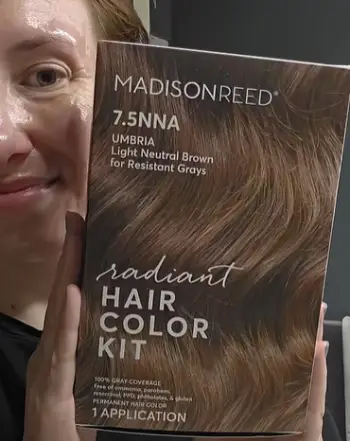
- Formula Philosophy: IGK focuses on salon-developed performance. It prioritizes shine. Softness follows after coloring.
Results aim for dimensional finish. Madison Reed removes common harsh ingredients. It delivers predictable natural-looking results at home.
The approach stays consistent across kits.
- Color Longevity and Fade Pattern: IGK color holds longer.
Noticeable fade starts after six to eight weeks. It lightens while staying true to tone.
Maintenance intervals stretch further. Madison Reed lasts four to six weeks. It fades gradually into softer natural tones.
Root growth shows sooner for some users.
- Application Experience: IGK cream formulas provide good control. Mixing often occurs. Even distribution becomes easier with practice.
Madison Reed kits use ready-to-use or simple tube applicators.
They feel less messy for beginners. Cleanup stays quick after use.
- Ingredient Priorities: IGK highlights squalane. Botanical extracts add moisture. Strength builds during the process.
Hair feels conditioned afterward. Madison Reed emphasizes keratin for structure. Argan oil and ginseng support softness.
Scalp comfort increases for many people.
- Target User Feel: IGK suits people who already color their hair. They seek vibrant dimension.
Healthier-looking strands result afterward. Fashion options expand choices. Madison Reed appeals to those prioritizing gray coverage.
A gentler reputation draws first-time users. Reliability ranks high in feedback.
- Shade Variety Approach: IGK offers vibrant options. Dimensional effects stand out. Trend shades appear alongside classics.
Madison Reed provides a wide natural range. Cool warm and neutral families cover most needs. Classic tones dominate the lineup.
Key Features Of IGK Hair Color
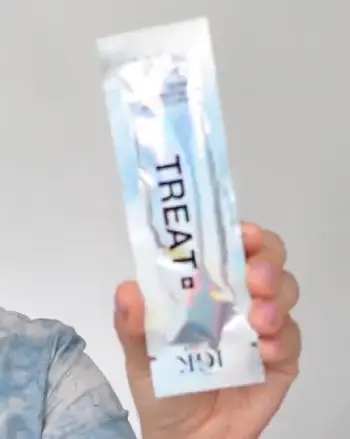
- Salon-Inspired Permanent Kits: Stylists developed these kits. They aim for dimensional color. Results look intentional rather than flat.
Many users notice richer multi-tonal effects right after rinsing. The finish often appears more expensive.
- Squalane-Driven Conditioning: The formula includes squalane. Orchid extract joins bamboo extracts. Hair feels softer.
It looks shinier than many traditional permanent dyes. Moisture levels improve during processing.
- Ammonia-Free and Clean Positioning: No ammonia reduces harsh odor during processing. The brand positions itself as vegan.
Cruelty-free status matters to many buyers. Clean claims support daily confidence.
- Gray Coverage Capability: Performance stays solid on most hair types. Previously processed strands respond well.
Some coarser gray hair may need careful application for full saturation. Timing adjustments help complete coverage.
- Fashion and Classic Shade Range: Options include everyday neutrals. Trend-driven tones appear too.
Flexibility grows if you switch between natural and expressive looks. Seasonal changes become simpler.
- Post-Color Strength Claims: Clinical data supports reduced breakage. Softness increases after use. Shine multiplies compared to untreated hair.
Users report manageable texture lasting several washes.
Pros Of IGK Hair Color
- Impressive Shine and Softness: Clinical claims support user reports. Hair often appears significantly shinier. Smoother texture follows after use. This stands out if current color leaves strands dull or rough. Light reflection improves noticeably.
- Longer Wear Time: Color lasts closer to two months. Fewer touch-ups result. Convenience adds real value over a year of coloring. Appointment gaps stretch further for busy schedules.
- Dimensional Modern Results: The finish tends to look layered. One-note appearance decreases. Color appears more expensive and salon-like. Depth holds through multiple washes.
- Suitable for Already Treated Hair: Conditioning agents help. Extra damage stays minimal on hair with previous chemical processing. Recovery feels quicker between sessions.
- Stylish Brand Aesthetic: Packaging feels current. Shade names match. The whole experience becomes more enjoyable for people who care about that. Visual appeal supports repeated purchases.
- Buildable Intensity Option: Longer processing times deepen results. Users control the final tone. Customization grows with practice. Flexibility suits changing preferences.
Cons Of IGK Hair Color
- Higher Price Point Relative to Drugstore Options: Kits cost roughly twenty-six to twenty-nine dollars. This exceeds many mainstream box dyes. Bulk packs help. Single-use cost still registers. Budget planning becomes necessary.
- Mixing Steps Can Feel Extra: Some kits require combining components. Beginners sometimes prefer fully ready formulas. Extra time adds to the process. Practice reduces the learning curve.
- Variable Gray Results on Very Coarse Hair: Coverage stays generally good. Extremely dense white hair may need a second pass. Careful timing supports complete saturation. Extra product helps stubborn areas.
- Limited Lightening Power: Permanent at-home colors rarely lift previously dyed hair dramatically. Major lightening still requires professional help or dedicated bleach. Starting level limits final outcome.
- Shade Availability Fluctuations: Popular fashion tones occasionally sell out. Consistent routines can face interruption. Planning ahead reduces delays. Alternatives may require shade adjustments.
- Learning Curve for Even Application: Cream consistency demands attention. Uneven spots appear without careful sectioning. Experience improves results over time. First uses may need corrections.
Key Features Of Madison Reed
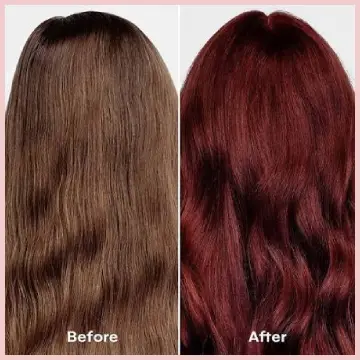
- Smart 8-Free Formula: Permanent color skips ammonia. It avoids PPD resorcinol parabens phthalates gluten SLS and titanium dioxide.
This list forms a core part of the brand’s gentler at-home messaging. Transparency builds trust over time.
- Keratin Argan Oil and Ginseng Blend: These ingredients support strength. Softness builds during coloring.
Many people report hair that feels conditioned rather than stripped. Scalp comfort rises for sensitive users.
- Strong Emphasis on Gray Coverage: Specific shades use higher pigment loads. Resistant white hair covers fully.
This remains one of the most frequently praised aspects in user feedback. One application often suffices.
- User-Friendly Application Tools: Many kits come with no-drip tubes. Simple systems reduce mess.
The process feels approachable even for first-time users. Instructions stay clear throughout.
- Broad Shade Selection and Support Products: Over fifty shades cover cool warm and neutral families.
Reds and blondes appear as well. Root pens glosses and prep products extend the system beyond a single kit. Maintenance becomes easier.
- Italian Craft Standards: Formulas follow strict European guidelines. Consistency holds across batches.
Quality control supports predictable results. Users notice reliable performance month after month.
Pros Of Madison Reed
- Reliable Full Gray Coverage: Many users with resistant grays report complete coverage. One application often suffices. Reliability keeps people with the brand. Results stay consistent across sessions.
- Gentle Marketing and Ingredient Transparency: The 8-free list builds trust. Italian-made claims add peace of mind. People wary of traditional dye chemicals respond positively. Label clarity supports informed choices.
- Easy Low-Mess Application: Tube applicators simplify work. Clear instructions lower the barrier. First-timers or anyone who dislikes drips benefit. Cleanup finishes quickly after rinsing.
- Nourished Post-Color Feel: Keratin and oils leave hair soft. Manageable texture appears for a large share of users. Breakage reduction gets frequent mentions. Daily styling becomes easier.
- Supportive Product Ecosystem: Root touch-up tools help. Glosses and prep products simplify ongoing maintenance. Gaps between full applications shrink. System approach extends color life.
- Wide Accessibility: Kits appear in major retailers. Online ordering stays straightforward. Shade matching tools guide selection. Availability supports spontaneous purchases.
Cons Of Madison Reed
- Shorter Average Longevity: Color often starts fading closer to the four-to-six-week mark. More frequent reapplication becomes necessary for some people. Root growth shows earlier. Maintenance frequency rises.
- Past Legal Scrutiny: Class-action claims alleged hair loss. Irritation linked to the formula and marketing language. Some cases faced dismissal or private settlement. The history remains part of public discussion.
- Premium Pricing: Cost sits above basic drugstore brands. Value depends on how much the cleaner ingredient profile matters to you. Long-term spending adds up. Comparison shopping helps.
- More Subtle Natural Finish: The luminous but softer result may feel less dramatic. Bold high-impact color seekers notice the difference. Dimension stays quieter. Trend shades appear limited.
- Results Can Vary with Hair History: Previously colored or highly porous hair sometimes needs extra product. Adjusted timing supports even coverage. Porosity testing improves outcomes. Experience guides better choices.
- Occasional Scalp Sensitivity Reports: Some users note mild irritation. Individual reactions differ. Patch testing remains essential. Formula adjustments may help sensitive scalps.
How The Two Brands Perform In Real Use?

When I tested both on my own hair I compared notes with friends who have different textures and gray percentages. Clear patterns emerged.
IGK consistently delivered that post-color glow. Hair felt softer under my fingers. It caught light in a way that made the color look richer.
The longer wear time meant I could stretch appointments further. Money and bathroom time saved over months.
Madison Reed handled my friend’s stubborn grays with impressive evenness. The application felt less fussy.
The finished color blended so naturally that no one guessed it came from a box. The conditioning effect proved real. The fade arrived a bit sooner than with IGK.
Cost ends up comparable on a per-kit basis. The difference shows up in repurchase frequency. Multi-packs affect overall value.
Both brands sit in the premium at-home category. Neither competes on pure cheapness. Better ingredients appear. More predictable results beat many drugstore options.
Hair type matters. Fine or previously lightened hair often responds beautifully to IGK’s moisture focus.
Coarse gray-heavy hair frequently prefers Madison Reed’s pigment strength. Sensitive scalps benefit from the ammonia-free formulas of both. Classic burning sensation drops. Individual reactions still vary. A patch test remains essential.
Choosing Based On Your Priorities
Maximum shine longer intervals between coloring and a modern dimensional look top some lists. IGK aligns well in those cases.
People who already maintain color-treated hair want strands to feel better after each session. They often land here.
Complete gray coverage straightforward application and a formula marketed around fewer harsh chemicals matter most to others.
Madison Reed makes strong sense. First-time home colorists and those with resistant white hair frequently report higher satisfaction with this brand.
Budget plays a smaller role between the two. Prices sit close together. Lifestyle factors decide the winner more often. Washing frequency root visibility and preference for mixing versus grab-and-go kits guide the choice.
Also Read: Is V&Co Curly Hair Shampoo Worth It?
Frequently Asked Questions (FAQ)
Yes. Many users praise the shine softness and lasting color especially on already treated hair.
IGK sits in a similar premium at-home permanent category with ammonia-free formulas and conditioning focus.
Yes. Past class-action cases alleged hair loss and marketing issues. Some were dismissed or settled privately.
Recommendations vary by need. Madison Reed often ranks high for gray coverage. IGK earns praise for shine and feel.
Wrapping Up
After weighing the formulas real-user feedback and how each brand performs day to day I see both as solid upgrades from basic box dyes.
You now have the details to match your hair’s needs with the option that will actually work for you.
Whether you choose the glossy longevity of IGK or the reliable coverage and ease of Madison Reed the right pick should leave your hair looking intentional.
It should feel better than it did before.
Recent Posts
Isntree Hyaluronic Acid Aqua Gel Cream Reviews: Is It Worth Buying?
If you want lightweight hydration without the greasy feeling of a heavy moisturizer, Isntree Hyaluronic Acid Aqua Gel Cream is worth considering.I would recommend it to people with oily,...
Simple Spectrum Supplements Reviewed: What Buyers Should Know?
Simple Spectrum supplements may appeal to people looking for nutritional support for themselves or a family member with specific dietary needs.Before buying, I would look closely at the...