
If you want a sun-kissed glow without spending hours in the sun, Jergens Sun Drops may be worth considering.
These tanning drops are designed to help you build a customized-looking tan at home, making them appealing if you prefer a gradual glow over a dramatic color change.
I like the idea of mixing tanning drops into a regular skincare routine because it offers more control than applying a traditional self-tanner.
If you want a convenient way to achieve a natural-looking tan, Jergens Sun Drops are worth considering, provided you choose the right formula for your skin and follow the directions carefully.
My First Experience With Jergens Sun Drops
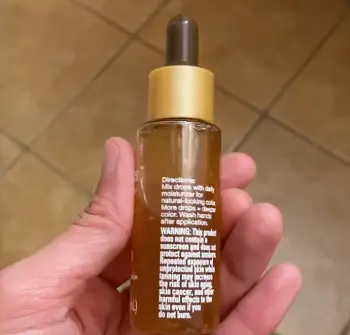
When I consider a product like Jergens Sun Drops, I look beyond the promise of a golden glow.
I want to know whether the formula is easy to use, whether the color looks believable, and whether the product fits comfortably into an everyday skincare routine.
Jergens is a familiar name in the self-tanning category, particularly for products designed to create a gradual, sun-kissed appearance.
However, one important distinction matters here: Jergens has offered different self-tanning products over time, and a product described as “Sun Drops” may not be the same as its established gradual tanning lotions.
I would verify the exact product name and ingredient list before purchasing.
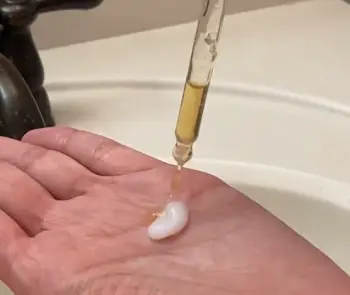
What appeals to me most about tanning drops is the flexibility. Instead of applying a thick layer of tanning lotion across my entire body, I can use a drop-based formula as directed and adjust the application to suit the desired result.
This format can be especially useful if you already have a moisturizer that works well for your skin.
Rather than replacing your existing skincare products, a compatible tanning concentrate may allow you to combine hydration with a gradual color-enhancing effect.
However, I would never assume that every tanning concentrate can be mixed with every moisturizer. Some formulas are designed specifically for mixing, while others have different application instructions. Following the product label is essential for achieving an even result.
I would also pay attention to how easily the product spreads. A self-tanner that distributes evenly is generally easier to work with than one that dries too quickly or leaves concentrated patches around the nose, hairline, or jaw.
Pros Of Jergens Sun Drops
- Potential for a Natural-Looking Glow
One of the biggest attractions of gradual tanning products is the opportunity to create a subtle, believable glow.
I prefer the idea of building color gradually because it gives you time to evaluate the result. Rather than committing to a deep shade immediately, you can start conservatively and decide whether you want additional color on a later application.
This can be particularly helpful if you have fair skin or are trying self-tanning products for the first time.
A natural-looking result still depends on proper application. Too much product around the ankles, elbows, knees, or hairline can make even a good formula look artificial.
- Flexible Color Intensity
Tanning drops are attractive because their format can offer more control over the final appearance.
With a product explicitly designed to be mixed with moisturizer, you may be able to adjust the intensity within the manufacturer’s recommended limits. That flexibility can help you aim for a light glow during the first few applications and a more noticeable tan later.
I would resist the temptation to add extra drops beyond the instructions. More product does not automatically mean a better result, and excessive application can create uneven color.
- Convenient for a Regular Skincare Routine
A drop-based product can be convenient if it works with the moisturizer you already use.
You may not need to replace your entire skincare routine or apply a separate full-body tanning lotion, depending on the product’s intended use.
This can make gradual tanning feel less complicated. However, compatibility matters. If the label specifies a particular mixing method, follow it rather than improvising with serums, facial oils, or active skincare treatments.
- No Need for Intentional UV Tanning
I consider this one of the most meaningful benefits of self-tanning products.
You can create a temporary tanned appearance without deliberately exposing yourself to UV radiation to darken your skin.
That does not make every tanning product risk-free, but it offers a different approach to achieving a bronzed look.
Remember that a self-tanner does not reliably protect against sunburn. Sunscreen, protective clothing, and sensible sun exposure remain important.
- Potentially Less Mess Than Traditional Tanning Lotion
A concentrated drop format may be easier to incorporate into a routine than a large amount of tanning lotion, especially when the product is designed for controlled application.
However, convenience depends on the formula and directions. Drops can still stain fabrics, nails, or hands, and an uneven application can produce visible patches.
I would use the product carefully, wash my hands thoroughly when instructed, and allow it to dry before dressing.
Cons Of Jergens Sun Drops
- The Exact Product May Be Difficult to Identify
My first concern is verifying the product itself.
A search for Jergens Sun Drops may bring up similarly named tanning lotions, other brands’ tanning concentrates, or products that are no longer readily available.
I would not assume a product is authentic or officially associated with Jergens just because the name appears in a listing. Check the packaging, manufacturer information, ingredient list, and seller details.
If the exact product cannot be verified, I would choose a clearly identified self-tanner instead of risking money on a confusing listing.
- Results Are Not Immediate
Tanning drops generally require time for the color to develop.
If you expect a visible tan within minutes, a gradual formula may disappoint you. The result can also vary depending on your skin, the amount applied, and how evenly the product is distributed.
I would plan applications ahead of important occasions rather than trying a new tanning product on the day of an event.
- Uneven Color Is Possible
Patchiness is one of the most common frustrations associated with self-tanning.
Dry skin, uneven application, sweat, and friction can all affect the appearance of the finished tan.
Areas such as the knees and elbows can become darker than surrounding skin because their surface texture and dryness differ. A careful application and sensible skin preparation can reduce this problem, but they cannot guarantee a flawless result.
- Potential Skin Irritation
Self-tanning products can contain ingredients that do not agree with every skin type.
If you have reactive skin, eczema-prone areas, or a history of irritation from cosmetic products, I would be particularly careful.
Test the formula on a small area according to the product instructions. Stop using it if you develop persistent redness, itching, burning, or swelling.
Avoid applying a product to broken or irritated skin, and seek medical advice if a reaction is severe or does not improve.
- It Requires Maintenance
A self-tan fades as the outer layer of your skin naturally sheds.
That means your results are temporary, and maintaining an even appearance usually requires periodic reapplication.
You also need to pay attention to hydration, exfoliation timing, and application consistency. If you want a completely maintenance-free tan, tanning drops may not meet your expectations.
Maintenance Tips For Jergens Sun Drops
- Prepare Your Skin Before Application
Start with clean skin and remove any leftover makeup, sunscreen, or body products that could interfere with even application.
If exfoliation is appropriate for your skin, do it before tanning rather than immediately afterward. This helps remove loose dead skin cells that can contribute to an uneven finish.
Avoid aggressive scrubbing. Over-exfoliating can irritate your skin and make self-tanning less comfortable.
I would also pay attention to areas that tend to become dry, especially the knees, elbows, ankles, and hands.
- Moisturize Dry Areas Carefully
Dry skin can cause tanning products to develop unevenly.
Before applying a self-tanner, use moisturizer as appropriate for the product’s instructions. Some tanning drops are designed to be mixed into a moisturizer, while others have different directions, so do not assume that the same preparation method works for every formula.
Pay particular attention to rough areas, but avoid creating a heavy layer of incompatible skincare products.
The goal is to create a comfortable, reasonably even surface rather than saturating your skin with multiple products.
- Follow the Correct Mixing Instructions
If your chosen tanning drops are designed to be mixed with moisturizer, follow the exact amount and method specified on the label.
Mix only as directed, and avoid adding tanning drops to an entire container of moisturizer unless the manufacturer explicitly permits it.
I would prepare only the amount needed for that application. This makes it easier to control the dose and avoids uncertainty about whether a stored mixture remains suitable for use.
Do not mix the product with sunscreen as a substitute for proper sun protection. Apply sunscreen separately according to its instructions.
- Apply the Product Evenly
Work methodically rather than rushing through the application.
Use smooth, consistent movements and pay attention to the transition between different areas of skin. Avoid leaving thick concentrations around the wrists, ankles, elbows, or knees.
For facial application, use only a product that is suitable for the face and follow its specific directions. Avoid contact with the eyes, lips, and other sensitive areas.
Wash your hands thoroughly after application, especially around the nails and between the fingers, unless the instructions specify another method.
- Allow the Product to Develop Properly
Give the formula the recommended amount of time to develop.
Avoid washing the treated area prematurely if the product instructions require a development period. At the same time, do not ignore instructions about rinsing or other post-application care.
Choose loose clothing if friction or tight garments could disturb the finish while the product dries.
I would also avoid trying to speed up the process with excessive heat or repeated applications. Patience is usually more helpful than applying more product before the first application has developed.
- Keep Your Skin Hydrated
Moisturizing regularly can help keep the skin comfortable and support a more even-looking fade.
Dry, flaky skin often makes a tan appear less uniform. A suitable moisturizer can help reduce that dry appearance, although it cannot prevent the natural shedding of the outer skin layer.
Choose a moisturizer that agrees with your skin and does not conflict with the self-tanner’s instructions.
If your skin feels irritated or unusually dry, pause tanning until it has recovered rather than continuing to apply the product.
Comparison Of Jergens Sun Drops Other Tanning Brands
- Jergens vs. Tan-Luxe The Face
Tan-Luxe The Face is a facial tanning concentrate designed to provide a customizable-looking glow.
The main attraction of a facial concentrate is the ability to incorporate tanning into a skincare routine according to the manufacturer’s directions. This may appeal to someone who wants a facial product rather than a traditional tanning lotion.
I would compare the ingredient lists, price per application, fragrance, and shade options before choosing between a verified Jergens drop product and Tan-Luxe.
If facial tanning is your priority, make sure the product is specifically intended for that use. A body tanning formula should not automatically be treated as a facial alternative.
- Jergens vs. Isle of Paradise Self-Tanning Drops
Isle of Paradise offers self-tanning drops intended to be mixed with moisturizer according to the product instructions.
This makes the brand a relevant alternative if your main priority is controlling the intensity of a gradual tan.
When comparing it with Jergens, I would look at the shade range, recommended number of drops, skin compatibility, and overall cost.
The better choice is not necessarily the product with the most dramatic marketing. It is the one whose instructions, ingredients, and shade options best suit your needs.
- Jergens vs. St. Tropez Self-Tanners
St. Tropez offers several self-tanning formats, including mousses and other products designed for different tanning preferences.
A mousse may be more suitable if you prefer a dedicated tanning product that you spread directly over your skin. Drops may be more appealing if you want a concentrate that fits into a compatible skincare routine.
The formats also differ in application technique. A mousse may require more attention to blending over larger body areas, while drops require careful measuring and mixing when specified.
I would choose according to convenience rather than assuming that one format always produces a better tan.
- Jergens vs. Bondi Sands Self-Tanners
Bondi Sands offers tanning products in formats such as lotions, foams, and facial products.
If you are comparing tanning drops with a conventional self-tanning lotion, think about where you want to apply the product and how much time you are willing to spend.
A lotion may be convenient for larger areas, while a drop-based concentrate can provide flexibility when the formula is designed for mixing.
Shade availability, drying time, fragrance, and the ease of correcting uneven application are all worth considering.
- Jergens vs. Gradual Tanning Moisturizers
A gradual tanning moisturizer is another practical alternative.
Rather than measuring drops, you apply the product as directed, allowing color to build over repeated use. This can be attractive if you prefer a straightforward routine.
The trade-off is that you may have less control over concentration with each application than you would with a product specifically designed for customizable mixing.
If simplicity matters more to you than adjusting the color intensity, a gradual tanning moisturizer may be the better fit.
Also Read: Is Glucovita Pure Drops Worth It?
Frequently Asked Questions (FAQ)
Most DHA-based self-tanners begin developing color within a few hours, with results often becoming clearer over approximately 4–8 hours. Check the exact product instructions.
A self-tan commonly lasts around 5–7 days, depending on the formula, skin preparation, bathing habits, and natural skin shedding.
Tan-Luxe The Face and Isle of Paradise Self-Tanning Drops are established options to compare. The best choice depends on your skin type, desired shade, and application preferences.
Feedback can vary by formula and seller. Look for verified-purchase reviews discussing color development, patchiness, skin irritation, and how evenly the tan fades.
Wrapping Up
Jergens Sun Drops may appeal to anyone who wants a customizable, sun-kissed appearance without intentional UV tanning.
I would consider buying them only after verifying the exact formula and confirming that its application instructions suit my skincare routine.
If you want gradual color and are prepared to maintain your skin properly, tanning drops can be a convenient option.
Compare established alternatives, patch-test your chosen formula, and remember that a cosmetic tan never replaces sunscreen.
Recent Posts
When safety is my priority, I want a GPS tracker that offers more than a simple location dot on a map. AngelSense is designed for caregivers who want to monitor a loved one's whereabouts,...
A corduroy bean bag can be a smart choice if you want comfortable seating that looks stylish without taking up the visual space of a traditional armchair.I like the idea of combining soft, ribbed...