
If you’re trying to fix a patchy lawn or want that deep green, professional-looking yard that actually holds up through heat, cold, and foot traffic, I genuinely think this is where Jonathan Green Black Beauty Ultra grass seed comes into play.
I’ve seen people struggle with weak lawns for years, and this is one of those mixes I’d suggest buying from trusted garden centers or verified online retailers rather than random sellers, just to make sure you’re getting the real formula.
In this review, I’m sharing what I’ve personally observed, how it performs in real conditions, and whether it’s actually worth your money.
My First Experience With Jonathan Green Black Beauty Ultra Grass Seed
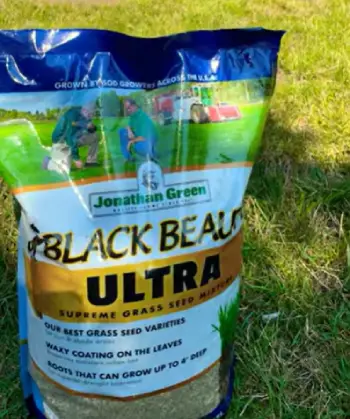
When I first decided to try Jonathan Green Black Beauty Ultra, I wasn’t expecting miracles. I had a lawn that was uneven, thin in certain spots, and honestly looked tired.
I live in an area where the weather swings between hot sun and sudden rain, so I needed something resilient rather than fancy.
What stood out immediately was how the seed looked and felt compared to regular blends I had used before.
It wasn’t dusty or overly processed. It felt like a premium mix, and that gave me a bit of confidence even before planting.
I prepared my soil the usual way—loosening the top layer, removing debris, and lightly leveling the area. I then spread the seed evenly and kept it consistently moist.
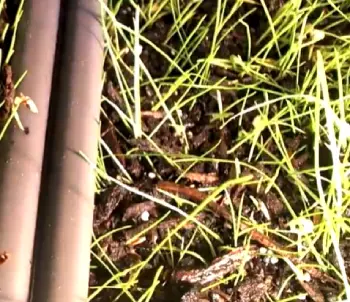
The first thing I noticed wasn’t just germination speed, but consistency. I didn’t get random patchy growth like I had experienced with cheaper brands. Instead, the sprouts came up fairly evenly across the seeded area.
Within about two weeks, I started seeing a noticeable green layer forming. It wasn’t thick turf yet, but it was promising.
By week four, the lawn had a much fuller appearance, and what surprised me most was the color. It wasn’t a pale green like I was used to—it had a deeper, richer tone that made the yard look healthier overall.
One thing I personally appreciated was how it handled sunlight. In spots where my lawn usually burns out quickly, this blend held its color better than expected. Even during hotter days, it didn’t fade as fast as previous seed mixes I tried.
Of course, it wasn’t completely maintenance-free. I still had to water consistently, especially during early growth.
But compared to other grass seed experiences I’ve had, this one felt more stable and forgiving. If you miss a watering cycle or two, it doesn’t collapse immediately.
Overall, my experience felt like I had finally upgraded from “just growing grass” to actually building a lawn that looks intentional and cared for.
What Makes Jonathan Green Black Beauty Ultra Different?
The first thing I realized is that this isn’t just a single type of grass seed. It’s a blend designed to improve resilience, color depth, and adaptability. The idea is to create a lawn that can handle different environments without constantly needing reseeding.
Compared to basic seed mixes, this one feels more engineered. It focuses on darker green coloring, which is something many homeowners want but rarely achieve with standard seed bags.
Another noticeable difference is root development. From my observation, the grass doesn’t just grow upward—it establishes itself deeper into the soil. That plays a big role in how well it handles stress later.
Performance Breakdown: Germination, Growth, And Durability
One of the biggest questions I had before using it was simple: does it actually grow faster or better than others?
Germination time was fairly consistent. It didn’t feel dramatically faster than all competitors, but what stood out was uniformity. Instead of uneven sprouting, I got a much more synchronized growth pattern.
Once established, the grass showed strong resistance to light foot traffic. I wouldn’t say it’s indestructible, but it holds up better than many low-cost blends.
Durability during seasonal changes also impressed me. During warmer stretches, it maintained moisture better than I expected. During cooler nights, it didn’t thin out as quickly.
Pros Of Jonathan Green Black Beauty Ultra Grass Seed
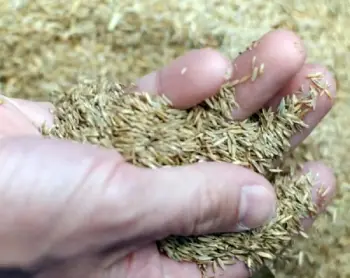
- Deep, Rich Green Color That Actually Stands Out
One of the first things I noticed—and what most users consistently mention—is the color. It’s not just “green grass.” It’s a deep, almost velvety green that makes a yard look professionally maintained.
Compared to typical big-box seed, the difference is obvious once it matures. Even neighbors noticed my lawn looking more uniform and healthier without me changing anything else in my routine.
- Strong Germination Pattern and Consistent Growth
The germination window is generally around 7–14 days, which is fairly standard, but what impressed me more was consistency. Instead of random patches sprouting unevenly, the growth came in a more balanced way.
From what I observed and others also report, this seed tends to “fill in” better over time rather than leaving thin or empty spots everywhere.
- Excellent Root Development and Lawn Strength
This is where the product feels more advanced than standard seed mixes. The root system develops deeper than average cool-season grasses, which directly improves stability.
Once established, the lawn feels firmer underfoot. It doesn’t tear up easily and recovers well from normal backyard use like walking, kids playing, or pets running around.
Some reports even suggest strong drought tolerance due to deep rooting, and I’ve personally seen it hold moisture better during hot spells than cheaper blends.
- Good Heat, Cold, and Shade Flexibility
One thing I appreciated is how adaptable it is. My yard doesn’t get uniform sunlight—some areas are full sun, others are partially shaded.
This seed handled both reasonably well. It didn’t completely fail in shaded patches, and it didn’t burn out quickly in hotter sections either. That balance is something many cheaper seeds struggle with.
- Thick, Dense Lawn Appearance Over Time
This isn’t an overnight transformation, but after a few weeks of steady growth, the lawn becomes noticeably denser.
Instead of thin blades scattered across soil, you get a more carpet-like feel. This density also helps reduce weed intrusion over time because the grass naturally fills gaps.
- Strong Wear and Traffic Resistance
If you have kids, pets, or even frequent outdoor activity, this is where the seed shows value.
Once established, it doesn’t flatten permanently or die off easily from moderate foot traffic. It’s not indestructible, but it clearly performs better than entry-level grass seed mixes.
Cons Of Jonathan Green Black Beauty Ultra Grass Seed
- Higher Price Compared to Standard Grass Seed
Let’s be honest—the biggest downside is cost.
This seed sits in a premium category, often costing 2–3 times more than basic store brands. For large lawns, that difference becomes noticeable quickly.
You’re paying for quality genetics and performance, but it’s still a barrier for budget-focused users.
- Requires Proper Soil Preparation
This is not the kind of seed you can just scatter over hard ground and expect miracles.
If the soil is compacted, uneven, or poorly prepared, results can be disappointing. I’ve seen cases where people blamed the seed when the real issue was lack of soil prep.
It performs best when you actually invest time in loosening soil, leveling, and ensuring good seed-to-soil contact.
- Needs Consistent Watering in Early Stage
During germination and early growth, this seed is demanding.
You need frequent, light watering to keep the soil consistently moist. If you miss watering cycles too often, germination can become uneven or delayed.
Once established, it becomes easier, but the early stage requires attention.
- Not the Fastest Full Coverage Lawn
Even though germination starts in about a week or two, full lawn coverage takes time.
It doesn’t instantly create a thick lawn. Some areas may take longer to fill in completely, especially if conditions are not ideal.
This can feel slow compared to quick-growth seed mixes that prioritize speed over long-term quality.
- Texture May Not Suit Everyone
The grass blades are slightly wider and more natural-looking compared to ultra-fine ornamental turf.
If someone is aiming for a golf-course-style, perfectly fine-bladed lawn, this might not fully satisfy that aesthetic preference.
- Occasional Inconsistent Results in Poor Conditions
In less ideal soil or neglected lawns, results can vary.
I’ve seen cases where growth becomes patchy if preparation is skipped. It’s not unreliable—but it does expect a certain level of care from the user.
Tips For Jonathan Green Black Beauty Ultra Grass Seed
- The Most Important Step You Can’t Skip
When I first used this seed, I underestimated watering discipline. That was a mistake I corrected quickly.
During germination, the soil should stay consistently moist—not soaked, not dry. I found that light watering two to three times a day works far better than heavy watering once daily.
The goal is to keep the top layer from drying out, because young seedlings are extremely sensitive at this stage.
Once the grass starts establishing (after about 3–4 weeks), I gradually reduced watering frequency but increased depth.
Instead of frequent light watering, I shifted to deeper watering sessions a few times per week. This encourages roots to grow downward instead of staying shallow, which makes the lawn stronger in the long run.
If you skip watering during early growth, even for a couple of days in hot weather, you may see uneven patches that take weeks to recover.
- Keep the Foundation Healthy
Even after seeding, soil condition continues to matter.
I make it a habit to occasionally check for compacted areas, especially after rain. If water starts pooling or soil feels hard, I lightly aerate those spots. This helps oxygen reach the roots and prevents weak growth zones from forming.
Adding a thin layer of compost or topsoil in thin areas also helps maintain soil quality. It’s not something you need to do constantly, but small seasonal improvements keep the lawn healthy long-term.
- Don’t Rush the First Cut
One mistake many people make (and I almost did too) is mowing too early or too short.
I waited until the grass reached a stable height and had strong root anchoring before the first cut. When I finally mowed, I avoided cutting more than one-third of the blade height.
Keeping the mower blades high is important. Cutting too short stresses the grass and exposes soil, which can lead to weed growth and thinning patches.
I also make sure mower blades are sharp. Dull blades tear grass instead of cutting it cleanly, which can weaken the lawn over time.
- Feed Smart, Not Heavy
With Black Beauty Ultra, more fertilizer does not mean better results.
I follow a light and balanced feeding schedule. After the lawn is fully established, I apply fertilizer seasonally rather than frequently. This helps maintain the deep green color without pushing overly aggressive growth.
Too much nitrogen early on can actually make the grass grow too fast and weak, which leads to thinning later. I learned that slow, steady feeding creates a stronger lawn structure.
Organic compost or slow-release fertilizers tend to work best for long-term health.
- Timing Matters More Than Chemicals
In the early stages, I avoid strong weed killers completely because young grass is sensitive.
Instead, I focus on prevention. A thick lawn naturally blocks most weeds, so encouraging density is the best defense.
If weeds appear early, I remove them manually. Once the lawn is mature (usually after 8–10 weeks), light selective weed control can be used safely if needed.
The key is patience—once Black Beauty Ultra fills in properly, weed pressure naturally decreases.
Comparison Of Jonathan Green Black Beauty Ultra Grass Seed With Other Brands
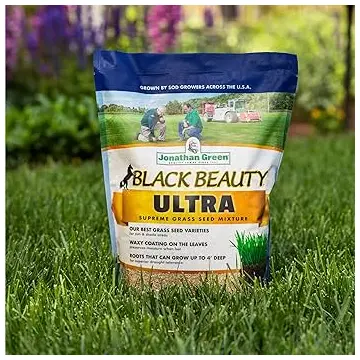
- Jonathan Green Black Beauty Ultra vs Scotts Turf Builder
When I compare this with Scotts Turf Builder, the biggest difference I noticed is color depth and texture.
Scotts tends to grow quickly, which is great if you want fast coverage, but sometimes that speed comes at the cost of density and long-term richness.
With Black Beauty Ultra, I felt the lawn developed a deeper green tone and a slightly thicker structure over time.
Scotts is often easier for beginners because it’s widely available and very forgiving in general conditions.
However, if your goal is a more premium-looking lawn, Black Beauty Ultra has an edge in appearance and resilience once fully established.
- Jonathan Green Black Beauty Ultra vs Pennington Grass Seed
Pennington blends are known for affordability and decent performance in average conditions. I’ve used them before, and they do the job for basic lawns.
But when I switched to Black Beauty Ultra, the difference was noticeable in density.
Pennington lawns often look fine from a distance but can feel uneven up close. Black Beauty Ultra, on the other hand, tends to create a more uniform surface once fully grown.
The trade-off is cost and patience. Pennington might give quicker initial satisfaction, but Black Beauty Ultra feels more like a long-term investment in lawn quality.
- Jonathan Green Black Beauty Ultra vs Generic Store Brands
This is where the gap becomes very obvious. Generic seed mixes often focus on price rather than performance. I’ve seen patchy growth, inconsistent coloring, and weak recovery after stress with those.
Black Beauty Ultra behaves more predictably. It establishes stronger root systems and maintains color better through environmental changes.
If you’ve ever been frustrated with lawns that look good for a few weeks and then decline quickly, this is where you’ll notice the difference most.
Frequently Asked Questions (FAQ)
Yes, it’s known for strong color, durability, and consistent growth performance.
It usually starts germinating in about 7–14 days under proper conditions.
Ultra is a more advanced blend with improved resilience, density, and color performance.
Scotts grows faster initially, but Jonathan Green often delivers better long-term lawn quality and appearance.
Wrapping Up
From my experience, Jonathan Green Black Beauty Ultra grass seed is worth considering if you want a lawn that looks rich, holds up well, and grows more uniformly than standard blends.
It does require proper care, but the results feel more premium and long-lasting compared to many alternatives.
If you’re serious about upgrading your lawn, this is one of those seeds I’d confidently recommend trying.
Recent Posts
● Interactive 5-Zone Interior & Exterior Paint Blueprint Paint Coverage Calculator: Gallons, Primer, Square Footage & Cost Tap any architectural surface zone on the blueprint...
If you want smooth, shiny hair without spending a fortune on a premium styling tool, the Ella Bella hair dryer may be worth considering.In these Ella Bella hair dryer reviews, I’ll look...