
When I shop for a washing machine, I want dependable cleaning, reasonable water and energy use, and a design that makes laundry less stressful.
Kenmore washing machines are worth considering if you want practical features without automatically paying premium-brand prices.
In my view, a Kenmore washer can be a smart buy for households that choose the right model, check its service history, and understand its maintenance needs.
Before you purchase one, though, it is important to compare its cleaning performance, durability, repair costs, and available service support with competing brands.
My First Experience With Kenmore Washing Machines
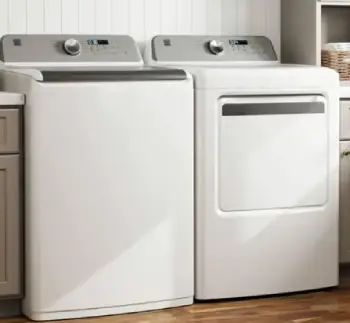
When I evaluate a washing machine, I look beyond its appearance and advertised features.
I want to know whether it can handle everyday laundry, clean heavily soiled clothes, protect delicate fabrics, and operate reliably over time.
Kenmore washing machines have traditionally appealed to homeowners who want practical appliances with familiar controls and useful wash cycles.
One thing I appreciate about the Kenmore range is its variety. Depending on the model and production period, you may find top-load washers, front-load machines, high-efficiency designs, and models with different drum capacities.
This variety makes it easier to look for a machine that suits your household rather than adjusting your laundry habits to fit a single design.
For example, if I were choosing a washer for a busy family, I would prioritize drum capacity, reliable spin performance, and cycles that can handle towels, bedding, and everyday clothing.
If I lived alone or washed smaller loads, I would focus more on efficiency, compact dimensions, and ease of use.
Kenmore models can also offer practical wash settings for different fabrics and soil levels. However, features vary considerably across generations, so I would never assume that every Kenmore washer has the same capabilities.
Cleaning performance is another important consideration. A properly functioning Kenmore washer should remove ordinary dirt, sweat, and everyday stains when I use an appropriate detergent, load the drum correctly, and select the right cycle. Still, performance depends on the particular model, its condition, and how well it has been maintained.
I would pay particular attention to noise and vibration. A washer that shakes excessively during the spin cycle can be frustrating, especially if it sits near a bedroom or living area. Uneven flooring, an unbalanced load, worn suspension components, or installation problems can contribute to this issue. I would not automatically blame the brand without checking these factors.
My biggest consideration would be long-term reliability. Kenmore is a brand name used across appliances manufactured by different companies over the years. That means two Kenmore washers can have different internal components, designs, and repair requirements. Knowing the model number and manufacturing history is more useful than relying on the brand name alone.
Overall, I would consider Kenmore a practical option, particularly when the price, condition, and local repair support make sense. However, I would inspect an older machine carefully before buying it rather than assuming that a familiar brand guarantees years of trouble-free operation.
Pros Of Kenmore Washing Machines
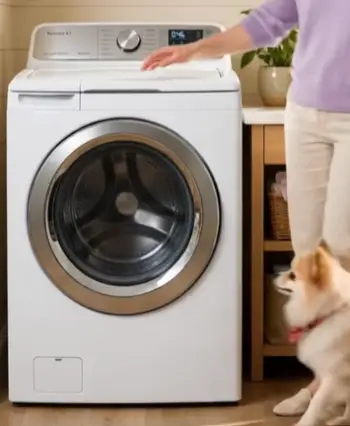
Kenmore washers have several potential advantages, although the value of each one depends on the specific model.
- Practical Everyday Cleaning
My first priority is whether a washer cleans ordinary laundry consistently. Kenmore machines are designed for everyday household washing, and a well-maintained model with suitable cycles should handle routine loads effectively.
I would expect it to clean shirts, trousers, towels, bedding, and other common items when I use the correct detergent and avoid overloading the drum.
For stubborn stains, I would pretreat the affected fabric rather than expect the washing machine to solve every problem on its own.
- A Variety of Models
One advantage of the Kenmore name is its long history across different appliance categories and washer designs.
Depending on availability, shoppers may encounter traditional top-load machines, front-load models, and different generations of high-efficiency washers. This gives me more options when comparing price, capacity, and convenience.
However, I would check the exact model before deciding that a particular feature is available. Product specifications can vary significantly between older and newer machines.
- Potentially Competitive Purchase Prices
Kenmore washers can be attractive to shoppers looking for practical performance without paying extra for a premium appearance or a long list of advanced features.
Older machines may also be available through secondhand sellers, appliance resellers, or refurbished-appliance stores.
I would be especially careful when evaluating used machines. A low purchase price is only worthwhile if the washer operates correctly and does not require expensive repairs shortly afterward.
Before buying, I would test the filling, agitation or tumbling, draining, and spin functions. I would also check for leaks, unusual noises, damaged hoses, and signs of corrosion.
- Familiar and Straightforward Controls
Some Kenmore models use conventional dials, buttons, and clearly labeled wash cycles. I appreciate this approach because I can select a setting quickly without navigating complicated menus.
For households where several people share laundry duties, straightforward controls can make the machine easier to use.
Of course, more advanced models may include electronic controls and additional functions, so this advantage depends on the design.
- Useful Capacity Options
A washer that accommodates my typical load size can save time by reducing the number of cycles I run.
For a larger household, a suitable high-capacity model may handle more towels or clothing in one load. For a smaller household, a more compact machine can be easier to fit into a laundry area.
I would choose based on actual needs rather than paying for unnecessary capacity.
Cons Of Kenmore Washing Machines
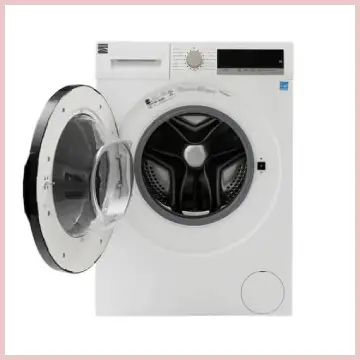
- Reliability Varies by Model
My biggest concern is the assumption that every Kenmore washer has the same reliability record.
Because Kenmore-branded appliances have been produced by different manufacturers over time, their construction, components, and known problems can vary.
A positive experience with one model does not guarantee that another model will perform equally well.
I would investigate the specific machine’s age, service history, and known failure points before making a purchase.
- Repairs Can Become Expensive
A washer can develop problems with its drain pump, motor, suspension, bearings, lid lock, water inlet valve, or electronic controls.
The cost depends on the failed component, parts availability, labor rates, and the machine’s design. An older washer with several worn components may not be worth repairing.
If the repair estimate approaches the cost of a suitable replacement, I would compare the expected remaining lifespan of the existing machine with the price of a new one.
- Older Models May Lack Modern Features
Some older Kenmore washers offer limited cycle customization, fewer efficiency features, or less sophisticated controls than newer competitors.
That does not automatically make them poor machines. A simple washer may still be perfectly adequate for basic household laundry.
However, if I wanted modern convenience features, I would compare the exact specifications rather than assume that a Kenmore model includes them.
- Parts Availability Is Not Guaranteed
Replacement parts can be easy to locate for some models and difficult to find for others.
This is particularly important when buying a discontinued washer. Even if the machine currently works, a future failure may be challenging to fix if the required part is no longer manufactured or stocked.
I would confirm the availability of essential components before purchasing an older model.
- Noise and Vibration Can Be Frustrating
A washer that vibrates during spinning can disturb a household, especially in a small home.
Some vibration is normal, but excessive shaking may indicate an uneven floor, incorrect leveling, an unbalanced load, worn suspension components, or other mechanical problems.
If I were buying a used Kenmore machine, I would run a spin cycle before committing to the purchase whenever possible.
- Front-Load Models Need Consistent Cleaning
Front-load machines can develop musty odors if moisture, detergent residue, and debris accumulate around the door gasket or detergent drawer.
This is not a Kenmore-specific problem, but it is something I would consider when choosing a front-load washer.
Leaving the door open after washing, cleaning the gasket, and following the recommended cleaning schedule can help prevent unpleasant smells.
Maintenance For Kenmore Washing Machines
- Clean the Washer Regularly
I would follow the cleaning schedule in the owner’s manual and use the machine’s designated cleaning cycle when available.
If the washer has a tub-cleaning program, I would run it as directed. Otherwise, I would use a cleaning method approved for that particular model.
I would avoid mixing cleaning chemicals, especially bleach and acidic products, because doing so can release dangerous gases.
Regular cleaning helps reduce detergent residue, odors, and buildup that can interfere with the washing experience.
- Inspect the Door Gasket and Detergent Drawer
For a front-load Kenmore washer, I would inspect the rubber door gasket after washing.
Hair, lint, coins, and moisture can collect in its folds. I would gently wipe the gasket with an appropriate cloth and check for tears or trapped objects.
I would also remove and clean the detergent drawer according to the manual. Residue from detergent and fabric softener can accumulate over time.
After cleaning, I would leave the door and drawer slightly open when safe and practical, allowing the interior to dry.
For top-load models, I would focus on the lid area, dispenser compartments, and any other places where residue tends to accumulate.
- Use the Correct Detergent
I would always check whether my Kenmore washer requires high-efficiency detergent.
Using too much detergent can leave residue on clothing and inside the machine. Excess suds may also interfere with rinsing and, on some models, affect draining or spinning.
I would measure detergent according to the product instructions, load size, and soil level rather than automatically filling the cap to the top.
If my water is relatively soft, I may need less detergent than I would with hard water. The manufacturer’s guidance should take priority.
- Avoid Overloading the Drum
Overloading is one of the easiest mistakes to make when I want to finish laundry quickly.
Clothes need enough room to move through the wash water. If I pack the drum too tightly, the washer may struggle to clean and rinse the load properly.
Large items such as comforters and heavy blankets also need sufficient space to move without creating an unbalanced load.
I would follow the capacity recommendations and divide unusually bulky loads when necessary.
- Check the Hoses for Leaks and Damage
I would inspect the water supply hoses periodically for cracks, bulges, leaks, and deteriorating connections.
A damaged hose can cause significant water damage, so I would replace questionable hoses promptly with compatible replacements. I would also follow the manufacturer’s guidance regarding hose replacement intervals and installation.
The drain hose deserves attention too. It should be correctly positioned and free from kinks or obstructions.
If I notice water around the machine, I would stop using it until I can identify the cause safely.
Comparison Of Kenmore Washing Machines With Other Brands
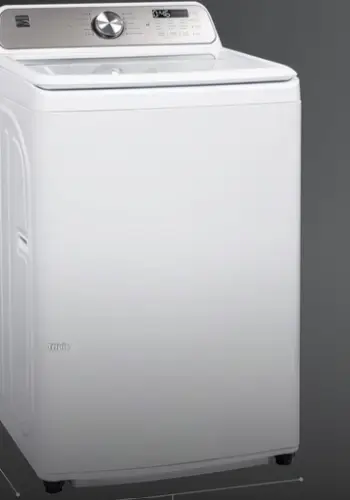
- Kenmore vs. Maytag
Maytag is a natural comparison for shoppers considering a practical household washer.
I would compare both brands on cleaning performance, spin effectiveness, capacity, cycle options, and the cost of common repairs. Maytag has offered several washer designs aimed at everyday household use, including models with agitators.
Kenmore may be attractive when I find a well-maintained machine at a competitive price. Maytag may be more appealing when a particular model offers the features, warranty, and service support I want.
My decision would depend on the individual models rather than a blanket claim that one brand is always more durable.
- Kenmore vs. Whirlpool
Whirlpool is another useful comparison because both names have a long history in household laundry appliances, and some Kenmore models have shared manufacturing or component relationships with other appliance makers.
However, that relationship does not mean all Kenmore and Whirlpool washers are identical.
I would compare the model numbers, available parts, cycle performance, warranty coverage, and local repair options. If I were buying a used machine, I would give the actual condition more weight than the brand badge.
- Kenmore vs. LG
LG is worth considering if I want a newer washer with modern controls and a range of convenience features.
Depending on the model, LG washers may offer features such as specialized wash programs, smart connectivity, and advanced cycle controls.
Kenmore may still be a sensible choice for someone who prefers a simpler design or finds a well-maintained model at a lower price.
I would also compare repair availability and the cost of electronic components before deciding. More advanced features are useful only when they provide value that justifies their cost and complexity.
- Kenmore vs. Samsung
Samsung offers washing machines with a broad range of designs and convenience features, depending on the market and model.
If I were choosing between Samsung and Kenmore, I would look at capacity, water efficiency, controls, noise, warranty, and the availability of local technicians.
A newer Samsung model might be more suitable for someone who wants modern features, while a straightforward Kenmore washer could appeal to a shopper focused on basic laundry needs.
Neither option is automatically better for every household.
- Kenmore vs. GE
GE washing machines provide another alternative for shoppers comparing familiar household appliance brands.
I would examine the exact models for cycle options, cleaning performance, reliability information, parts availability, and warranty terms.
If service access is particularly important, I would check which brand has qualified technicians and replacement parts available in my area.
That practical consideration may matter more than a small difference in advertised features.
Who Should Buy A Kenmore Washing Machine?
I would consider a Kenmore washer if I wanted a practical machine and could verify that the model suited my needs.
It may be a good fit for someone replacing an older washer on a budget, a household that prefers conventional controls, or a buyer who finds a well-maintained used machine with accessible replacement parts.
However, I would be more cautious about buying an older model with an unknown service history. A cheap washer can quickly become expensive if it needs a motor, pump, control board, or bearing replacement.
Before buying, I would check the model and serial numbers, inspect the machine for damage, run a complete cycle when possible, and confirm that parts and qualified repair services are available.
I would also compare the purchase price with the total expected cost of ownership, including delivery, installation, water and electricity use, and likely repairs.
If you want a modern washer with a strong selection of advanced features, I would compare current alternatives carefully. If you simply want a dependable machine for everyday laundry, a suitable Kenmore model may be worth considering.
Also Read: Is Affresh Washing Machine Cleaner Worth It?
Frequently Asked Questions (FAQ)
Yes, some Kenmore washers offer dependable everyday performance and good value. Reliability depends on the specific model, its age, maintenance, and repair history.
A well-maintained washer may last around 10–13 years, although some fail sooner and others last longer. Model quality and usage make a difference.
Common issues can include drainage failures, leaks, excessive vibration, spinning problems, worn components, and electronic control faults. The exact problems depend on the model.
Neither is always better. Compare specific models for cleaning performance, durability, repair costs, warranty coverage, and available service support.
Wrapping Up
My verdict is that Kenmore washing machines are worth considering when the model, price, and condition are right.
I would recommend buying one if it meets your laundry needs, has a solid service history, and can be repaired affordably.
Before purchasing, compare it with Maytag, Whirlpool, LG, and Samsung alternatives.
A carefully chosen Kenmore washer can offer practical everyday value, but checking the exact model is the smartest way to avoid an expensive mistake.
Recent Posts
The Zojirushi EC-YSC100 coffee maker looks appealing if you want a large-capacity brewer for your home, office, or family gatherings. However, its reported customer dissatisfaction makes me...
If you want thicker-looking hair, stronger strands, and a healthier scalp, MaryRuth’s Hair Growth Max may be worth considering.I believe this supplement is most appealing to people who want to...