
If you’re dealing with knee pain, instability, or recovery after strain, you already know how much it affects your daily life.
I decided to try the Kgoi knee brace when walking, climbing stairs, and even sitting for long hours started feeling uncomfortable.
If you’re in that same situation, this might be one of those supports worth considering. I personally found it helpful for stability and comfort, especially during movement-heavy days.
In this review, I’ll share my experience, compare it with other popular braces, and help you decide if it’s right for you.
My First Experience With The KGOI Knee Brace
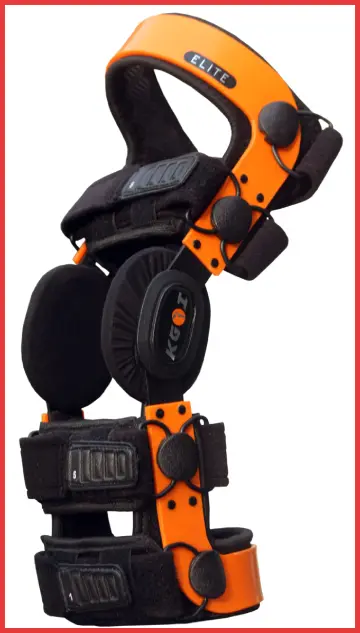
When I first opened the KGOI knee brace, I immediately noticed it looked more structured than many basic elastic supports I had used before.
The stitching felt firm, and the material had a balanced mix of flexibility and compression. It wasn’t overly bulky, which mattered a lot because I didn’t want something that would make my leg feel restricted.
The first time I wore it, I used it during a long walk. I remember thinking, “Okay, this actually feels supportive without squeezing my knee too hard.”
That balance is rare. You know how some braces feel like they’re either too loose or too tight? This one sat right in the middle for me.
After a few days, I started using it during more active tasks—house chores, errands, and even while sitting at my desk for long hours.
What I noticed most was the reduction in that “wobbly knee” feeling. If you’ve ever had mild instability, you’ll know exactly what I mean. It doesn’t magically cure pain, but it helps you move more confidently.
Another thing I appreciated was breathability. I live in a warm climate, and sweat buildup is usually a problem with braces.
With this one, I didn’t feel like I needed to take it off every hour. It stayed relatively comfortable even after extended use.
However, I’ll be honest—it’s not perfect. If you expect medical-grade rigid support for serious injuries, this isn’t a replacement for orthopedic treatment. It’s more of a supportive aid than a clinical immobilizer. But for everyday knee strain, mild arthritis discomfort, or recovery support, it does its job quite well.
Overall, my experience felt practical rather than dramatic. It quietly supports you in the background, which is exactly what a good knee brace should do.
What Makes The KGOI Knee Brace Stand Out?
The KGOI knee brace doesn’t try to overcomplicate things. Instead, it focuses on a few key areas that matter most in daily use: compression, comfort, and stability.
The compression is consistent, meaning it doesn’t loosen up too quickly during movement. That alone makes a big difference if you’re active. The stitching around the knee cap area also helps guide movement, which gives a more secure feeling when bending or squatting.
Another standout feature is how lightweight it feels compared to older bulky braces. You can wear it under loose clothing without it being too obvious. That’s something many people care about more than they admit.
Pros Of KGOI Knee Brace
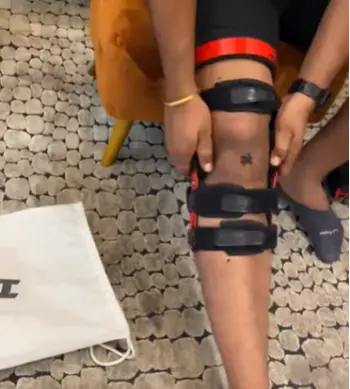
When I talk about the KGOI knee brace, I’m not just repeating marketing claims—I’m basing this on how it actually feels in real daily use and what stands out over time.
The pros are not just surface-level benefits; they show up in movement, comfort, and how your knee behaves during stress.
- Strong and consistent knee support
One of the first things I noticed is how stable my knee feels while wearing it. It doesn’t just “hug” the knee like a soft sleeve—it actually guides movement in a controlled way.
That matters when you’re walking on uneven ground, climbing stairs, or standing for long periods. The support reduces that slight wobble or insecurity that often comes with weak or tired knees.
What makes this better is that the support doesn’t fade quickly. Even after hours of use, the structure still feels dependable rather than stretched out or loose.
- Noticeable pain and pressure relief
The biggest reason most people try a knee brace is pain, and this is where KGOI performs well for everyday users.
The compression helps reduce pressure around the joint, especially if you deal with mild arthritis, overuse strain, or post-activity soreness.
In my experience, the relief isn’t dramatic like a “pain disappears instantly” effect, but it is steady. The knee feels less irritated during movement, and after removing the brace, there’s usually less fatigue than usual.
- Comfortable for long wear
A lot of braces fail here—they support well but become unbearable after a few hours. KGOI is different in that it balances compression with wearability.
I could wear it during errands, work, and even while sitting without constantly adjusting it.
The inner material also helps reduce irritation. Even during warmer weather, it didn’t feel like my knee was trapped in heavy fabric. That alone makes it more realistic for daily use.
- Better mobility confidence
This is a subtle but important advantage. The brace doesn’t just physically support your knee—it mentally changes how you move.
I found myself walking more normally instead of hesitating on stairs or uneven surfaces.
That confidence matters more than people realize. When your brain trusts your knee again, your movement naturally improves.
- Lightweight and easy to manage
Compared to bulkier orthopedic braces, KGOI feels relatively lightweight. That makes it easier to wear under clothing without feeling restricted.
It also means putting it on or taking it off doesn’t become a daily struggle.
For people who dislike complicated straps or heavy supports, this simplicity is a real advantage.
- Suitable for multiple everyday situations
Another strong point is versatility. I used it while walking, working at a desk, and doing light physical tasks. It adapts well across different routines instead of being limited to “sports use only.”
That flexibility makes it more practical for general users who just want everyday knee relief.
Cons Of KGOI Knee Brace
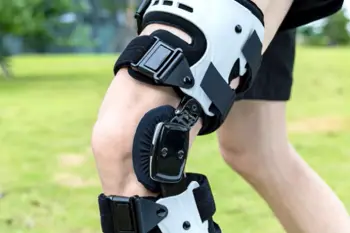
No knee brace is perfect, and KGOI is no exception. While it performs well in many areas, there are realistic limitations you should understand before relying on it.
- Not a medical-grade immobilizer
This is probably the most important limitation. The KGOI knee brace is supportive, but it does not fully immobilize the knee like advanced orthopedic or post-surgical braces.
If you have severe ligament tears or are recovering from surgery, this brace alone won’t replace medical-grade stabilization. It’s more of a supportive aid than a clinical treatment device.
- Fit sensitivity matters a lot
One thing I learned quickly is that sizing is critical. If the fit is slightly off, the performance drops noticeably. A loose fit reduces stability, while a tight fit can create discomfort during long wear.
This means you really have to pay attention to measurements rather than guessing your size.
- Not ideal for high-performance sports
For intense athletic activity—like competitive basketball, football, or heavy impact sports—the brace may not provide enough rigid protection.
It works better for light-to-moderate activity, but athletes who need maximum lateral knee protection might find it lacking compared to specialized sports braces.
- Durability is good but not premium-level
Over time, especially with daily use, the elasticity and tightness can gradually reduce. It doesn’t fall apart quickly, but it’s not built like high-end medical braces that last for years under heavy strain.
Proper care helps extend its life, but it still has a moderate durability range.
- Heat buildup during extended wear
While it’s more breathable than many stiff braces, long continuous use can still create warmth around the knee. This isn’t extreme, but on hot days or during long outdoor activity, it becomes noticeable.
Taking short breaks can help reduce this issue.
- Limited correction for severe knee conditions
If your knee issue is structural or advanced (like bone-on-bone osteoarthritis), the brace can only provide partial comfort. It won’t correct underlying joint damage or fully restore movement ability.
In those cases, which helps preserve the material strength.
Maintenance Tips For KGOI Knee Brace
- Keeping the Brace Clean and Fresh
If you want your KGOI knee brace to last longer, cleaning it regularly is essential.
I usually hand wash it with mild soap and cold water. Avoid harsh detergents because they can damage the elasticity.
After washing, I let it air dry naturally instead of using heat, which helps preserve the material strength.
- Wearing It the Right Way
One mistake I initially made was not aligning it properly with my kneecap.
Once I adjusted it correctly, the support improved significantly.
You want the center portion to sit right over your knee joint so it can distribute pressure evenly.
Also, don’t overtighten it. More pressure doesn’t always mean better support. It should feel secure but not restrictive.
- Rotating Usage for Durability
If you use it daily like I did, it helps to rotate usage or give it rest periods.
Continuous wear without breaks can reduce elasticity faster.
Having a second brace or using it only during high-activity periods can extend its lifespan.
- Storage Matters
When you’re not using it, store it in a cool, dry place. Avoid folding it tightly for long periods because that can affect its shape. I usually lay it flat in a drawer, which keeps it ready for the next use.
- Listening to Your Body
This might sound simple, but it’s important. If you feel discomfort, adjust the brace or take a break. A knee brace should support you, not create new pressure points.
I learned that small adjustments make a big difference in comfort.
it should be seen as supportive—not corrective.
Comparison Of Kgoi With Other Knee Brace Brands
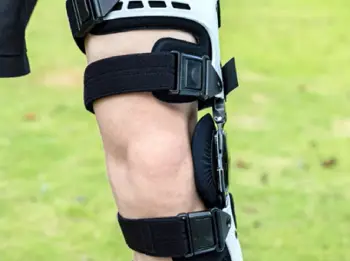
To understand where KGOI stands, I compared it with other well-known knee support options I’ve personally used or researched through real-world feedback.
- KGOI vs Mueller Knee Braces
When comparing KGOI with Mueller knee braces, the first difference I noticed is material density. Mueller braces often feel more rigid and sport-focused, especially for athletes.
They offer strong compression, but sometimes at the cost of comfort during long wear.
KGOI, on the other hand, leans more toward all-day comfort. If you’re doing light to moderate activity, KGOI feels easier to live with.
Mueller might be better if you need stronger athletic-level support, but KGOI wins in everyday usability.
- KGOI vs Bauerfeind Knee Support
Now, comparing KGOI with Bauerfeind feels like stepping into a more medical-grade category.
Bauerfeind products are known for orthopedic precision and high-end engineering. The support level is extremely refined, especially for chronic knee conditions.
But here’s the reality—Bauerfeind is significantly more expensive. KGOI doesn’t reach that medical sophistication, but it offers a much more accessible option.
If your condition is moderate and not severe, KGOI gives you solid support without the heavy investment.
- KGOI vs ACE Knee Braces
With ACE braces, the focus is simplicity and affordability. ACE products are widely available and provide basic compression. However, they often lack long-term durability and structured support.
KGOI feels like a step above ACE in terms of build quality and knee stabilization. If ACE is your entry-level option, KGOI sits comfortably in the mid-range category with better comfort and support balance.
- KGOI vs DonJoy Knee Braces
DonJoy is often associated with advanced orthopedic support, especially for injury recovery and post-surgery use. Their braces are highly structured and designed for serious conditions.
Compared to that, KGOI is far less rigid but also far more wearable for daily routines. DonJoy is what you’d use for recovery under guidance, while KGOI is more of a daily-life support system.
Also Read: Is Footrenew Triple Method Massager Worth It?
Frequently Asked Questions (FAQ)
Bauerfeind knee braces are often considered among the highest rated for medical-grade support.
Yes, well-fitted compression and structured braces like KGOI, Mueller, and DonJoy can effectively support knee stability.
Orthopedic surgeons commonly recommend DonJoy or Bauerfeind for serious injuries and post-surgery recovery.
Yes, they can help reduce pressure on the kneecap and support conditions like patellar tendon discomfort.
Wrapping Up
After using the KGOI knee brace consistently, I see it as a reliable everyday support option rather than a medical-grade device.
It offers comfort, stability, and practicality for daily movement without feeling restrictive. If you need balanced knee support for walking, work, or mild strain recovery, this is worth considering.
For severe injuries, you may need stronger clinical alternatives, but for general use, it fits well into daily life.
Recent Posts
● Interactive 5-Zone Interior & Exterior Paint Blueprint Paint Coverage Calculator: Gallons, Primer, Square Footage & Cost Tap any architectural surface zone on the blueprint...
If you want smooth, shiny hair without spending a fortune on a premium styling tool, the Ella Bella hair dryer may be worth considering.In these Ella Bella hair dryer reviews, I’ll look...