
If you’re constantly battling pet hair on your couch, car seats, or clothes like I am, you’ve probably considered buying the Kivori Pet Hair Remover.
I’ll be upfront—while it looks like an affordable and convenient solution, my experience and suggests you should think twice before spending your money on it.
There are better alternatives out there that actually deliver consistent results. Stick with me, and I’ll walk you through exactly why.
My Personal Experience Using The Kivori Pet Hair Remover
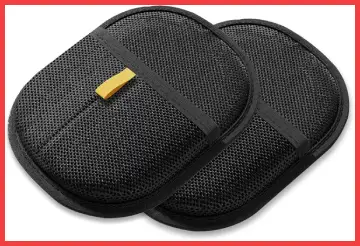
I went into this with realistic expectations. I didn’t expect magic—I just wanted something that could quickly pick up pet hair without needing batteries or sticky tape.
Like many of you, I deal with stubborn fur from shedding pets that sticks to everything: fabric sofas, rugs, and especially car interiors.
When I first got the Kivori Pet Hair Remover, I was actually impressed by how simple it looked. It’s a manual roller-style device, which usually means less maintenance and no need for refills.
I liked the idea of just rolling it over surfaces and collecting hair in a compartment.
At first use, it worked… somewhat. On flat surfaces like cushions, I did notice it picking up hair, but not efficiently.
I had to go over the same area multiple times, applying pressure, and even then it missed finer hairs. That’s where my frustration started building.
Then I tried it on slightly textured surfaces like my car seats and a fabric rug. That’s when things really went downhill.
The roller struggled to grip the hair, and instead of collecting it, it just moved it around. I found myself switching back to my old lint roller because it was faster—even though it meant using disposable sheets.
Another issue I noticed was the internal compartment. It filled up quickly, but emptying it wasn’t as smooth as advertised.
Hair tended to get stuck inside, requiring me to manually pull it out, which defeats the purpose of a “mess-free” tool.
Over time, the performance didn’t improve. If anything, it became less effective. The roller seemed to lose its grip, and I had to work harder for worse results.
At that point, I realized this wasn’t going to be a reliable solution for regular use.
What really stood out to me was the inconsistency. Sometimes it picked up a decent amount of hair, but other times it barely worked at all.
That unpredictability made it hard to rely on, especially when I needed quick cleanups before guests arrived.
In short, my experience felt like a cycle of hope followed by disappointment. And judging from other user feedback I came across later, I wasn’t alone.
Pros Of The Kivori Pet Hair Remover
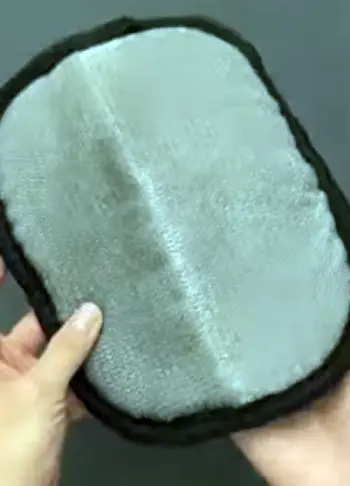
- Simple and Manual Design
One thing I did appreciate is the simplicity. You don’t need batteries, charging, or replacement parts. You just roll it back and forth, and theoretically, it collects hair.
That makes it appealing if you prefer low-maintenance tools.
For someone who dislikes dealing with electronic devices or ongoing costs, this can feel like a practical option—at least on paper.
- Reusable Concept
The idea of a reusable pet hair remover is great. Compared to disposable lint rollers, this kind of tool is meant to save money over time and reduce waste. I liked that I wouldn’t need to keep buying refills.
If it worked consistently, this would have been one of its strongest selling points.
- Lightweight and Portable
The device is light and easy to carry around. I could quickly grab it and try to clean a spot without much effort. It’s also compact enough to keep in a car or drawer.
For quick access, that’s definitely a plus.
- No Sticky Residue
Unlike adhesive rollers, this doesn’t leave behind any sticky residue on fabrics. That’s useful when dealing with delicate materials where glue-based rollers might cause issues.
However, this benefit only matters if the tool actually removes the hair effectively—which, in my experience, it often didn’t.
Cons Of The Kivori Pet Hair Remover
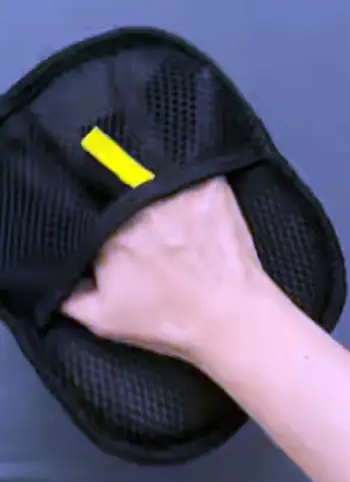
- Inconsistent Performance
This was the biggest issue for me. Sometimes it worked okay, but more often, it didn’t. You shouldn’t have to guess whether a cleaning tool will work each time you use it.
Consistency is key, and this product just doesn’t deliver it.
- Struggles on Certain Fabrics
It had a particularly hard time with textured surfaces like carpets, car seats, and thicker upholstery. Ironically, these are the exact areas where pet hair tends to accumulate the most.
If a pet hair remover can’t handle these surfaces, it severely limits its usefulness.
- Requires Repeated Effort
Instead of saving time, I found myself spending more of it. I had to go over the same spot again and again, often pressing harder than I’d like.
At that point, it stops being convenient and becomes frustrating.
- Poor Hair Collection System
The internal compartment isn’t as user-friendly as advertised. Hair gets stuck inside, and cleaning it out can be messy.
This defeats the purpose of having a “clean” and reusable solution.
- Durability Concerns
After some use, the roller didn’t seem as effective as when I first tried it. That drop in performance made me question its long-term durability.
You want a tool that lasts—and maintains its performance—not one that fades quickly.
- Not Worth the Price
Considering its performance, I don’t think it justifies the cost. There are better-performing tools available at similar or even lower prices.
When a product underdelivers like this, even a low price can feel like too much.
Maintenance Tips For Kivori Pet Hair Remover
Let me be real with you—if you already have the Kivori Pet Hair Remover, you can squeeze some value out of it, but only if you use it strategically.
The difference between frustration and “okay, this works sometimes” comes down to how you use and maintain it.
- Use the Back-and-Forth Motion Properly
One mistake I made early on was rolling it in just one direction. These tools are designed to work with a push-and-pull motion.
From what I’ve learned , the back-and-forth movement is what actually lifts and traps hair inside the chamber.
If you just roll forward like a lint roller, you’re basically wasting your effort.
- Work on Dry Surfaces Only
Moisture is your enemy here. If the fabric is even slightly damp, pet hair sticks harder and becomes more difficult to lift.
I noticed significantly worse performance when trying to clean slightly humid upholstery. Stick to dry surfaces for the best chance of success.
- Clean the Chamber After Every Use
This one is non-negotiable.
If you let hair build up inside the compartment, the roller loses efficiency quickly. It starts pushing hair around instead of collecting it.
Even with better brands, regular emptying is key to maintaining performance and hygiene.
- Use Short, Controlled Strokes
Long, lazy strokes don’t work well. Instead, I found that short, quick motions give better results—especially on stubborn areas like corners or seams.
Think of it like scrubbing gently rather than sweeping.
- Pre-Loosen the Hair for Better Results
Here’s a trick that actually made a difference for me:
Before using the roller, lightly rub the surface with a rubber glove or a slightly damp cloth. This helps loosen embedded hair so the tool can pick it up more easily.
This technique is commonly recommended in cleaning guides because friction helps lift hair from fabric fibers.
- Don’t Rely on It for Deep Cleaning
This is where you need to adjust expectations.
Even the best rollers aren’t meant to replace vacuums or heavy-duty tools. If you try to use Kivori as your only solution, you’ll be disappointed.
Use it for quick maintenance—not full cleaning sessions.
- Store It Properly
Keep it in a clean, dry place and avoid putting pressure on the roller head. If the internal mechanism gets misaligned or clogged, performance drops even further.
Comparison Kivori Pet Hair Remover With Other Brands
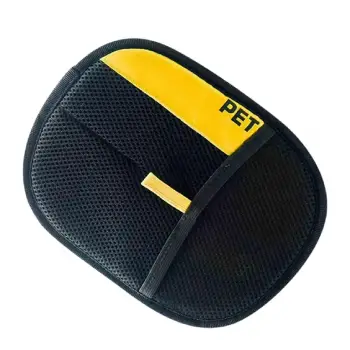
Let’s talk honestly. Kivori isn’t competing in a vacuum—there are some seriously effective alternatives out there. And when you compare them side by side, the gaps become obvious.
- ChomChom Roller vs Kivori
The ChomChom Roller is often considered one of the most reliable reusable pet hair removers—and after trying similar tools, I understand why.
What makes it different is its nylon bristle system, which actively pulls hair from deep within fabric instead of just rolling over the surface.
In my experience, tools like this feel more “grippy,” meaning fewer passes are needed.
Kivori, on the other hand, lacks that strong pickup mechanism. It tends to glide rather than grab, which is why you end up going over the same spot repeatedly.
Also, the self-cleaning chamber on better rollers is smoother and easier to empty, whereas Kivori’s tends to clog.
Bottom line: If you want consistency, ChomChom-style rollers are a safer bet.
- Lilly Brush Vs Kivori
Now, this is where the difference becomes even more obvious.
Lilly Brush-type tools are designed specifically for deep cleaning—especially in places like car interiors and carpets. They use a scraping edge that pulls out embedded hair that rollers can’t reach.
Kivori simply doesn’t have the power for this.
If you’ve ever struggled with hair stuck in car सीट fabric, you’ll immediately notice how much more effective a brush-style tool is.
In real-world use, this means:
- Fewer passes
- Less effort
- Better results on tough surfaces
Kivori just isn’t built for that level of performance.
- Traditional Lint Rollers Vs Kivori
This one surprised me.
Even though lint rollers are basic and require refills, they are incredibly reliable. They pick up hair instantly—no technique required.
With Kivori, I often had to work for results. With lint rollers, it’s just press and lift.
So while lint rollers aren’t eco-friendly, they still outperform Kivori in terms of consistency and ease of use.
- Rubber Brushes and Gloves vs Kivori
This is the underrated category.
Rubber tools create friction that naturally pulls hair out of fabric. It’s simple physics—and it works.
Honestly, I’ve had better results using a basic rubber glove than with the Kivori roller on certain surfaces.
That says a lot.
Also Read: Is Muenster Dog Food Worth It?
Frequently Asked Questions (FAQ)
Yes, Kivori appears to be a legitimate company in the sense that it sells real products and fulfills orders. However, legitimacy doesn’t always equal quality. Based on my experience and many user reviews, the product itself doesn’t live up to expectations.
The best tool depends on your needs, but generally, high-quality reusable rollers like ChomChom or specialized brushes tend to perform better. For quick fixes, traditional lint rollers are still very reliable.
Professional detailers often use rubber brushes, pumice stones, or specialized vacuum attachments. These tools are designed to pull hair out of fabric rather than just move it around.
“Fur Daddy” is a branded pet hair removal tool that uses a combination of brush and suction mechanisms. It’s marketed as a more advanced solution, though like any product, results can vary depending on usage.
Final Verdict
After using the Kivori Pet Hair Remover and comparing it with other tools, I can’t recommend it. While the idea behind it is good, the execution falls short.
You’ll likely end up frustrated, spending more time and effort than necessary, and eventually replacing it with something better.
If you’re serious about keeping your home and car free of pet hair, you’re better off investing in a more reliable option from the start.
It’ll save you time, energy, and ultimately money.
Recent Posts
● Interactive 5-Zone Interior & Exterior Paint Blueprint Paint Coverage Calculator: Gallons, Primer, Square Footage & Cost Tap any architectural surface zone on the blueprint...
If you want smooth, shiny hair without spending a fortune on a premium styling tool, the Ella Bella hair dryer may be worth considering.In these Ella Bella hair dryer reviews, I’ll look...