
If you want a reliable fountain pen that combines modern design, comfortable handling, and everyday practicality, the Lamy Safari Charcoal deserves your attention.
I like its understated appearance, lightweight construction, and dependable writing experience, especially for journaling, note-taking, and daily work.
It is not the cheapest fountain pen available, but its thoughtful design and replaceable nib make it appealing to beginners and experienced writers alike.
If you want a durable, stylish pen that encourages you to enjoy handwriting, I would recommend considering the Lamy Safari Charcoal.
My First Experience With The Lamy Safari Charcoal
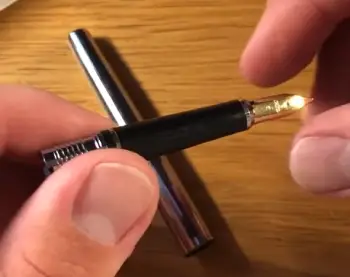
The first thing I notice about the Lamy Safari Charcoal is its distinctive appearance.
Rather than relying on glossy finishes or decorative details, it uses a muted charcoal-gray body that looks professional without being boring.
The color has enough character to stand out from ordinary black pens, yet it remains subtle enough for classrooms, offices, and personal use.
I appreciate this balance because a fountain pen should feel like a practical writing tool rather than something you only bring out for special occasions.
The charcoal finish suits almost any setting, whether you are writing meeting notes, maintaining a journal, or signing documents.
The Safari’s lightweight plastic construction also makes it easy to carry. I would not want a heavy pen weighing down my pocket or making my fingers tired during long writing sessions.
Its sturdy ABS plastic body feels designed for everyday handling, although it does not offer the premium sensation of a metal-bodied fountain pen.
The triangular grip is another feature that deserves attention. Its shape encourages you to position your fingers in a particular way, which some writers find comfortable and helpful.
If you are new to fountain pens, this can make holding the instrument feel more natural. However, if you already have a firmly established grip, you might need time to decide whether the molded shape suits your hand.
Writing performance is equally important. The Safari is available with different nib sizes, including extra-fine, fine, medium, and broader options depending on the specific market and model. Choosing the right nib matters because it affects line thickness, ink flow, and the overall sensation of writing.
I would lean toward a fine nib for everyday notes and smaller handwriting, while a medium nib may appeal to someone who prefers smoother, more expressive lines. Neither option is automatically better; your handwriting style and paper quality should guide your choice.
Another practical advantage is the ink window. You can check the remaining ink without removing the cartridge or converter. This small detail becomes especially useful when you depend on your pen throughout a busy day.
Overall, the Lamy Safari Charcoal stands out because it focuses on the details that make everyday writing enjoyable. Its appearance is understated, its construction is practical, and its replaceable nib system offers flexibility. Still, I would not call it perfect. Grip comfort is personal, and the plastic body may disappoint anyone expecting a luxurious writing instrument.
Pros Of The Lamy Safari Charcoal
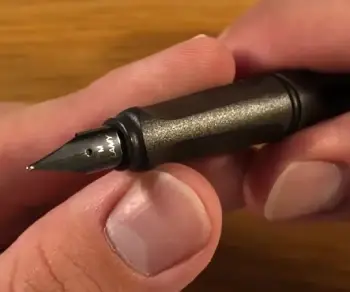
- A Timeless, Understated Design
The charcoal finish is one of the pen’s strongest selling points. It looks modern without depending on flashy colors, metallic accents, or complicated decoration.
If you work in an office, attend classes, or frequently write in public, the understated appearance fits naturally into different environments. You can use it with professional stationery or a simple notebook without feeling that it looks out of place.
I also appreciate that the Safari design has a recognizable identity. The molded grip, sturdy clip, and angular body give it character without making it visually complicated.
For anyone who wants a fountain pen that looks distinctive but remains practical, this is a compelling combination.
- Comfortable for Everyday Writing
The pen’s relatively light construction makes it suitable for routine writing tasks. Whether you are making a shopping list, taking lecture notes, or writing several pages in a journal, you do not have to manage the weight of a heavy metal body.
Comfort depends on more than weight, of course. The grip shape, nib size, writing angle, and paper surface all influence how the pen feels.
If the triangular grip fits your fingers, it may help you maintain a relaxed hold. That can make writing more enjoyable, especially if you use a fountain pen regularly.
However, I would recommend trying the grip before committing if you have strong preferences about pen ergonomics.
- Beginner-Friendly Fountain Pen Design
The Safari is often considered a suitable starting point for people who want to explore fountain pens. It offers a recognizable design, a replaceable nib, and straightforward cartridge-based ink filling.
You do not need to master complicated filling mechanisms to begin writing. Insert a compatible cartridge, allow the ink to reach the nib, and test the pen on suitable paper.
This simplicity reduces the number of things you need to manage at the beginning. You can focus on writing technique, ink choice, and nib width instead of worrying about an elaborate mechanism.
I also like that the pen remains useful after you become more experienced. A beginner-friendly fountain pen does not have to become obsolete when your preferences develop.
- Replaceable Nib Options
One of the most practical benefits is the ability to change the nib. If you initially choose a fine nib and later decide you prefer thicker handwriting, you can explore a different compatible nib rather than replacing the whole pen.
This flexibility can also help you troubleshoot writing preferences. A nib that feels too broad for your notebook may be replaced with a finer option.
Remember, though, that changing nib width will not solve every problem. Scratchiness, inconsistent ink flow, and skipping can sometimes indicate alignment or maintenance issues rather than an unsuitable nib size.
Choose a replacement nib compatible with your specific Safari model and follow the manufacturer’s instructions when fitting it.
- An Ink Window for Convenience
The small ink window is easy to overlook, but I consider it genuinely useful. It lets you monitor the remaining ink before an important meeting, class, or writing session.
Without an ink window, you may discover that your cartridge is nearly empty only after the writing starts to fade. Checking the level beforehand makes the pen more predictable.
This is especially helpful if you carry the Safari as your primary writing instrument rather than keeping it at home for occasional journaling.
- A Practical Everyday Clip
The sturdy clip helps secure the pen to a notebook cover, shirt pocket, or suitable organizer. That makes it easier to carry the Safari without letting it disappear among loose stationery.
A dependable clip is particularly valuable for students and professionals who move between locations throughout the day.
I would still avoid forcing the clip over thick materials or using it to pull the pen from a tightly packed pocket. Reasonable handling helps preserve its shape and attachment.
Cons Of The Lamy Safari Charcoal
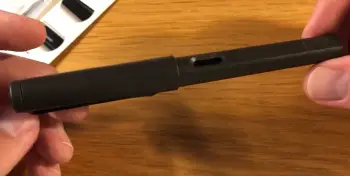
- The Grip May Not Suit Every Hand
The triangular grip is both a defining advantage and a possible drawback. If you naturally place your fingers in a different position, the molded shape can feel restrictive.
You might find your fingers repeatedly settling against the edges or feel that the pen forces you into an uncomfortable angle.
This does not necessarily mean the design is poor. It means the grip is more prescriptive than the rounded grip found on many traditional pens.
If ergonomic comfort is your main concern, try holding the Safari before buying whenever possible.
- The Plastic Body Feels Less Premium
The ABS plastic body keeps the pen light and practical, but it does not have the substantial feel of a metal fountain pen.
If you expect a premium object with considerable weight, a brushed-metal finish, or a luxurious hand feel, the Safari might disappoint you.
Its price is better understood in terms of design, functionality, and nib flexibility rather than expensive body materials.
- Nib Performance Can Vary
Steel nibs can deliver excellent writing, but individual nibs may differ in smoothness and ink flow. Paper, ink formulation, writing pressure, and nib alignment can also influence performance.
If your pen skips or feels scratchy, do not immediately assume every Safari has the same problem. Check whether the nib is aligned properly, whether the feed is receiving ink, and whether the paper is suitable.
A defective or poorly adjusted nib may require replacement or professional attention.
- Cartridge and Converter Compatibility Requires Attention
The Safari uses Lamy-compatible ink cartridges and filling accessories. Standard international cartridges are not automatically compatible with every Lamy pen.
That matters if you already own fountain pen supplies from another brand. You may need to purchase separate cartridges or a compatible converter, adding to the initial cost.
Before ordering accessories, verify the exact filling system and compatibility of the product you intend to use.
- Not Ideal for Everyone’s Handwriting
A fine nib is useful for small handwriting, but its line may appear too thin for people who prefer bold strokes. A medium nib creates broader lines, but it may be less suitable for small notebook spaces or paper that feathers easily.
There is no universally perfect nib size. Choosing the wrong one can make the pen feel less satisfying even when its underlying design is sound.
Maintenance Tips For The Lamy Safari Charcoal
- Clean the Pen When Changing Ink
If you change ink colors or notice inconsistent flow, flushing the pen with clean, room-temperature water can help remove residual ink.
Remove the cartridge or converter according to the pen’s instructions. Rinse the appropriate ink-contact components carefully, allowing water to pass through the feed and nib until it runs reasonably clear.
Avoid hot water, harsh detergents, solvents, and abrasive cleaning tools. These can damage components or leave residues that interfere with writing.
After cleaning, allow the parts to drain and dry appropriately before refilling. You do not need to disassemble the pen completely for routine cleaning.
- Choose the Right Ink
Ink choice affects the way your Safari performs. Fountain pen ink is specifically formulated for fountain pens, so avoid using India ink, calligraphy ink intended for dip pens, or other products that can clog the feed.
If you use bottled ink, choose a compatible converter and a fountain pen ink from a reputable manufacturer.
I would also avoid experimenting with unusually thick or heavily pigmented inks until you understand the pen’s maintenance needs. Some specialty inks require more frequent cleaning than ordinary dye-based formulations.
When you find an ink that flows consistently and suits your paper, keeping it in regular rotation can make the writing experience more predictable.
- Store the Pen With the Cap Securely Closed
When you finish writing, replace the cap securely. This helps limit evaporation and prevents the nib from drying out prematurely.
If you use the pen every day, keeping it capped between writing sessions is an easy habit to maintain. If you plan to leave it unused for an extended period, follow the manufacturer’s guidance for storage and cleaning.
Avoid leaving the pen exposed to direct sunlight, excessive heat, or environments where it may be crushed or damaged.
- Use Suitable Paper
Not all paper works equally well with fountain pens. Thin or highly absorbent paper may allow ink to feather through the fibers or show through to the reverse side.
For the best results, try paper designed for fountain pen use or a smooth notebook that handles liquid ink well.
If your writing looks too broad or messy, the problem may not be the pen itself. The combination of nib size, ink flow, and paper absorption can dramatically change the appearance of each line.
Testing a few paper types helps you identify the combination that suits your handwriting.
- Handle the Nib Carefully
A fountain pen nib is designed to glide across paper rather than withstand heavy pressure. Pressing hard can damage the nib or alter the alignment of its tines.
Use a relaxed grip and allow the ink to flow naturally. If the pen skips, check the ink supply and clean the feed before applying more pressure.
When changing nibs, follow the manufacturer’s procedure. Do not twist, bend, or force the nib into place.
If you notice persistent scratchiness or uneven flow, consider having the nib inspected rather than attempting aggressive adjustments yourself.
- Keep the Cap, Clip, and Body Clean
Dust, dried ink, and fingerprints can accumulate around the cap and grip. Wipe the body with a soft, slightly damp cloth when necessary.
Avoid abrasive pads and strong chemical cleaners, particularly if you want to preserve the charcoal finish.
Inspect the clip occasionally for looseness or damage. If the cap becomes difficult to close, check for debris instead of forcing it.
These small habits keep the pen looking presentable without requiring much time.
- Monitor Ink Levels Before Important Writing
The ink window makes it easy to check how much ink remains. I would make this a routine before examinations, meetings, travel, or any situation where you need uninterrupted writing.
If the cartridge is nearly empty, replace it before the next session. If you use a converter, refill it carefully and wipe away any excess ink.
This simple check can prevent frustrating interruptions and reduce the chance of ink getting onto your fingers or notebook.
- Store It Properly When Not in Use
If you will not use your Safari for an extended period, clean it according to the manufacturer’s instructions and allow it to dry before storage.
Keep the pen somewhere cool and dry, away from direct sunlight and excessive heat. Avoid storing it loose beside keys, coins, or other objects that might scratch the plastic body.
With sensible storage, regular cleaning, and careful handling, the Safari can remain a dependable writing companion for a long time.
Comparison Of Lamy Safari Charcoal With Other Fountain Pen Brands
- Lamy Safari Charcoal vs. Lamy AL-Star
The Lamy AL-Star shares much of the Safari’s recognizable design but uses an aluminum body rather than the Safari’s ABS plastic.
If you like the Safari’s triangular grip and general shape but want a more substantial metallic appearance, the AL-Star is worth considering. Its aluminum construction gives it a different tactile character while maintaining a practical everyday format.
The Safari, however, remains appealing if you prefer a lighter plastic pen and a simpler, more understated design.
I would choose the Safari for straightforward daily use and the AL-Star if the metal body is a meaningful part of what you want.
- Lamy Safari Charcoal vs. Pilot Metropolitan
The Pilot Metropolitan is a popular alternative for people entering the fountain pen hobby. Its metal body and more traditional rounded grip create a different experience from the Safari.
If you prefer a compact, understated pen with a metal exterior, the Metropolitan may feel more substantial. Its nib can also appeal to writers who prefer Pilot’s characteristic line widths and writing feel.
The Safari has an advantage in its distinctive triangular grip and readily interchangeable nib design. It also offers a more recognizable modern shape.
Neither pen is automatically better. The Metropolitan suits those who prefer a traditional profile, while the Safari may be a stronger fit for people who appreciate ergonomic guidance and a lightweight body.
- Lamy Safari Charcoal vs. Platinum Plaisir
The Platinum Plaisir stands out for its aluminum exterior and clean, conventional design. It is another practical choice for people who want a fountain pen for regular writing rather than occasional display.
One important consideration is cap design. Platinum’s Slip and Seal mechanism, used on compatible models such as the Plaisir, is designed to help prevent ink from drying out during storage.
The Safari offers a more distinctive grip and a broad range of body colors across its product family. The Plaisir may appeal more to someone who values a rounded grip, a metallic finish, and ink-storage convenience.
If you frequently leave a pen unused for days, cap performance may be an important factor in your decision.
- Lamy Safari Charcoal vs. Kaweco Sport
The Kaweco Sport takes a compact approach to fountain pen design. Its short body makes it easy to carry in a pocket, particularly when capped, and its traditional shape appeals to people who like minimalist stationery.
The Safari is longer and provides a different grip experience. It may be more comfortable for writers who prefer a full-size pen for extended sessions, while the Sport is especially attractive for portability.
Both models offer multiple nib and body options, but their overall character is different. The Safari looks contemporary and functional, whereas the Kaweco Sport has a compact, classic appeal.
I would favor the Safari for regular desk work and longer writing sessions, provided its grip suits your hand. The Kaweco Sport makes sense if pocket-sized portability is your main priority.
- Lamy Safari Charcoal vs. TWSBI ECO
The TWSBI ECO is particularly appealing to writers who enjoy bottled ink and want a piston-filling fountain pen.
Unlike the Safari’s usual cartridge-based setup, the ECO has an integrated piston-filling mechanism that draws ink directly into its reservoir. That offers substantial ink capacity and makes bottled ink central to the experience.
The Safari is generally simpler to approach if you prefer cartridges, straightforward refilling, and an interchangeable nib system. It may also be more convenient if you want to carry spare cartridges rather than a bottle of ink.
The ECO is a compelling option for people who enjoy exploring ink colors and filling mechanisms. The Safari remains a practical choice for everyday convenience and easy nib experimentation.
Is The Lamy Safari Charcoal Worth The Money?
The Safari Charcoal offers value through practical design rather than luxury materials. Its lightweight construction, replaceable nib, ink window, and distinctive appearance make it a versatile option for everyday writing.
However, value depends on your expectations. If you want a fountain pen that feels heavy, luxurious, or handcrafted, there are alternatives that may better suit your preferences. If you want a dependable pen that is easy to carry and adaptable to different writing styles, the Safari makes a stronger case.
I would evaluate the total cost, including compatible cartridges or a converter, replacement nibs, and ink. The initial purchase is only part of owning a fountain pen, although routine supplies can remain manageable.
For a beginner who wants a useful pen rather than a decorative object, the Safari Charcoal is a sensible choice. Experienced writers may also appreciate it as a reliable everyday instrument, even if they own more expensive pens.
Also Read: Is Gravizer Engraving Pen Worth It?
Frequently Asked Questions (FAQ)
The main differences are the finish and overall appearance, depending on the exact models being compared. Check the product specifications because similarly named dark editions may have different finishes or materials.
Yes. It offers a lightweight body, replaceable nibs, practical features, and dependable everyday usability, making it a strong option for many fountain pen users.
The Lamy Safari is a popular all-rounder, while the AL-Star suits those who prefer an aluminum body. The best model depends on your grip, budget, and writing preferences.
Neither brand is universally better. Kaweco is known for compact designs such as the Sport, while Lamy offers practical everyday pens such as the Safari with a distinctive triangular grip.
Wrapping Up
I recommend the Lamy Safari Charcoal if you want a practical fountain pen with understated style, a comfortable weight, and the flexibility to change nibs.
Its triangular grip will not suit everyone, and its plastic body lacks the feel of a premium metal pen, but its everyday usefulness makes it a compelling option.
If you value functional design over luxury materials, the Safari Charcoal is worth buying for note-taking, journaling, studying, and daily writing.
Recent Posts
I know how frustrating it can be to keep a shower clean when soap scum, hard-water stains, and stubborn grime keep coming back.That is why Wet and Forget Shower Cleaner caught my attention. Its...
Duralast Platinum Vs. Platinum Elite: Which Battery Actually Lasts Longer?
I set out to settle the debate between Duralast Platinum and Platinum Elite batteries after my own vehicle started showing signs of electrical strain.My goal is to give you a clear, practical...