
If you’re looking for a convenient way to support skin health, muscle recovery, and everyday wellness, Lifepro red light therapy devices may be worth considering.
I like the idea of having a non-invasive wellness tool that can fit into a regular home routine without complicated treatments.
Lifepro offers different red light therapy options, making it easier to find a device that suits your needs.
If you want to explore at-home light therapy, I recommend considering Lifepro, provided its features, specifications, and price match your expectations.
My First Experience With Lifepro Red Light Therapy
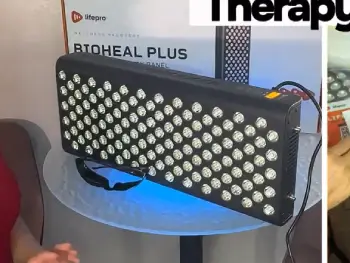
When I evaluate a home wellness device, I look beyond attractive packaging and impressive marketing claims.
I want to know whether the product is practical, comfortable to use, and suitable for everyday routines. That’s the approach I take when examining Lifepro red light therapy products.
Lifepro is known for producing home fitness and wellness equipment, including recovery-focused products.
Its red light therapy offerings are designed for people who want to incorporate light-based wellness treatments into their homes rather than regularly visiting professional facilities.
One thing I find appealing about this category is its convenience. Depending on the Lifepro model, you may be able to target particular areas of your body, such as your face, shoulders, back, legs, or other muscle groups.
Different device formats serve different purposes, so I wouldn’t assume every Lifepro red light therapy product provides identical coverage or performance.
I also pay attention to the wavelengths used. Red light commonly falls within the approximately 630–660 nm range, while near-infrared light often falls within the 810–850 nm range.
These wavelengths are frequently used in photobiomodulation research. However, the exact specifications depend on the device, and not every product necessarily includes both types of light.
Another consideration is ease of use. I prefer wellness equipment that doesn’t require a complicated setup or take up too much time.
A home red light therapy device should be relatively straightforward to position, operate, and store. Features such as adjustable settings, treatment timers, and suitable coverage can make a meaningful difference.
However, I wouldn’t automatically assume that using a red light device guarantees better skin, faster recovery, or pain relief.
Results can vary considerably depending on the individual, device specifications, treatment schedule, and underlying concern.
Overall, Lifepro is an interesting brand to consider if you want to explore red light therapy at home.
My main priority would be choosing the right model instead of purchasing simply because the brand advertises multiple wellness benefits.
What Is Lifepro Red Light Therapy?
Lifepro red light therapy refers to the brand’s light-based wellness equipment designed for at-home use. These devices use specific wavelengths of visible red light, near-infrared light, or a combination of both, depending on the model.
Red light therapy is also known as photobiomodulation. It involves exposing tissues to particular wavelengths of light that may influence cellular activity.
The central idea involves mitochondria, which are structures inside cells responsible for producing much of the energy cells use. Researchers have investigated whether certain light wavelengths can influence mitochondrial activity and cellular signaling.
This is one reason red light therapy has attracted attention in skincare, sports recovery, and general wellness.
Unlike ultraviolet light, red light therapy doesn’t rely on UV exposure to produce its intended effects. However, that doesn’t mean every red light device is automatically risk-free or effective.
I think it’s important to understand that the technology itself has scientific research behind it, but evidence varies depending on the condition being studied.
Pros Of Lifepro Red Light Therapy
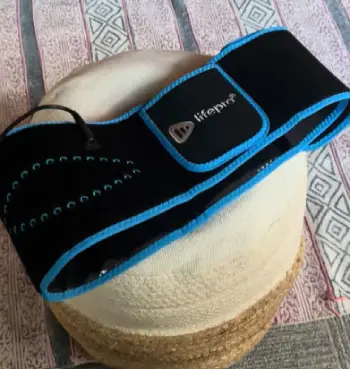
- Convenient At-Home Treatments
One of the biggest advantages I see with Lifepro red light therapy is the convenience of having a device at home.
Many people struggle to maintain wellness routines because appointments, transportation, and busy schedules get in the way. A home device can make it easier to incorporate light therapy into an existing routine.
Depending on the model, you may be able to use it while relaxing at home rather than arranging a separate appointment.
For me, convenience is an important consideration because even an interesting wellness product becomes less useful when it’s difficult to operate regularly.
However, convenience shouldn’t replace proper treatment instructions. I would always follow the manufacturer’s recommended exposure time and distance.
- Non-Invasive Wellness Approach
Another potential advantage is that red light therapy is non-invasive.
It doesn’t involve needles, surgery, or intentionally damaging the skin. Instead, it uses specific wavelengths of light to interact with biological tissues.
This makes it an appealing option for people who prefer exploring non-invasive wellness approaches.
Some research suggests that photobiomodulation may help with certain types of pain, inflammation, and tissue recovery. Nevertheless, the strength of evidence differs across applications.
I appreciate that this technology offers another option to discuss with a healthcare professional, particularly when someone wants to explore supportive treatments alongside established care.
- Potential Skin Health Benefits
Skin health is one of the most popular reasons people become interested in red light therapy.
Research has investigated whether red light exposure can influence collagen-related processes, skin appearance, and signs of photoaging.
Collagen is an important structural protein that helps maintain skin firmness and elasticity. As we age, natural collagen production changes, contributing to wrinkles and reduced skin elasticity.
Some clinical studies have reported improvements in certain skin characteristics following repeated red light treatments.
This is encouraging, but I wouldn’t expect immediate results.
If you’re considering Lifepro for facial skincare, I would check whether the specific device is designed for facial use. A large-body panel and a dedicated facial device aren’t necessarily interchangeable.
- May Support Muscle Recovery
Another reason I find red light therapy interesting is its potential application in exercise recovery.
After an intense workout, your muscles may feel tired, uncomfortable, or temporarily weakened. Researchers have studied photobiomodulation for its possible effects on muscle performance, recovery, and exercise-related soreness.
Some findings are promising, although results aren’t consistent across all studies and treatment protocols.
For people who regularly exercise, a suitable Lifepro device might be worth considering as a complementary recovery tool.
I would still prioritize proper nutrition, hydration, sleep, and appropriate rest. Light therapy shouldn’t replace these fundamentals.
- Easy to Incorporate Into a Routine
A wellness product should fit into everyday life without requiring a complete lifestyle adjustment.
Depending on the device, Lifepro red light therapy may be relatively straightforward to incorporate into a morning or evening routine.
I would choose a consistent time, follow the recommended treatment schedule, and avoid extending sessions simply because I want faster results.
Consistency matters, but more exposure doesn’t necessarily mean better outcomes.
- No UV-Based Tanning
Red light therapy is different from tanning beds and ultraviolet treatments.
Its intended wavelengths are not UV tanning wavelengths. This makes it a different category of light-based treatment.
However, I wouldn’t confuse the absence of intentional UV exposure with an absence of possible side effects.
Eye sensitivity, skin irritation, excessive exposure, and interactions with certain medications are still considerations.
Cons Of Lifepro Red Light Therapy
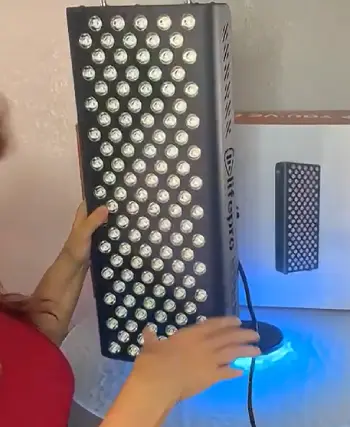
- Results May Take Time
One downside I would consider is that red light therapy isn’t an instant solution.
Even when someone responds positively, improvements may develop gradually with repeated treatments.
People expecting dramatic changes after one or two sessions may become disappointed.
I would approach this as a potential long-term wellness tool rather than something that promises overnight results.
- Effectiveness Depends on Device Specifications
Not all red light therapy devices deliver the same treatment.
Wavelength, irradiance, distance, exposure duration, and treatment coverage can all influence how much light reaches the intended area.
This is why I wouldn’t purchase a Lifepro device based solely on the phrase red light therapy.
I would check the technical specifications and determine whether they match the purpose for which I want to use it.
- Initial Purchase Cost
Another possible disadvantage is the upfront investment.
Depending on the model, red light therapy equipment can represent a considerable purchase compared with ordinary skincare products or basic recovery accessories.
I would compare the cost with the features, warranty, expected lifespan, and alternative devices before making a decision.
- Requires Consistency
Red light therapy isn’t something I would purchase expecting to use once and forget about.
Most treatment approaches involve repeated sessions over a period of time.
That means you need to establish a routine and follow the recommended instructions.
If you struggle to maintain regular wellness habits, the device might end up sitting unused.
- Not Suitable for Every Medical Concern
Although red light therapy has been studied for several applications, it isn’t a universal treatment.
It shouldn’t replace prescribed medication, medical procedures, dental treatment, or professional evaluation.
People with photosensitivity, relevant eye conditions, or medications that increase sensitivity to light should seek medical advice before using a device.
Maintenance For Lifepro Red Light Therapy
- Clean the Device Regularly
The first maintenance habit I would establish is regular cleaning.
Dust, fingerprints, and other surface contaminants can accumulate on a device over time, particularly when it’s used frequently.
Before cleaning, I would switch off the device and disconnect it from its power source if the manufacturer’s instructions require that.
I would use a soft, dry microfiber cloth to remove dust and fingerprints.
If the manufacturer permits a slightly damp cloth, I would follow its specific cleaning instructions. I would never spray liquid directly onto the device or allow moisture to enter electrical openings.
I would also avoid abrasive cleaners because they may damage the outer surface or optical components.
- Store It in a Suitable Location
Storage is another important part of maintaining wellness equipment.
I would keep my Lifepro device in a clean, dry location away from excessive humidity, direct sunlight, and extreme temperatures.
A dedicated shelf, storage cabinet, or protective case can help prevent accidental scratches and impacts.
If the device includes cables, attachments, or protective accessories, I would store them together to avoid losing important components.
Proper storage also makes it easier to access the device when I want to use it.
- Follow the Recommended Treatment Duration
I wouldn’t experiment with longer treatment sessions just because I want better results.
Every device may have different operating instructions, treatment distances, and recommended exposure periods.
I would follow the instructions for the exact Lifepro model rather than relying on general advice from unrelated red light therapy products.
Excessive exposure doesn’t guarantee improved outcomes and may increase discomfort or irritation.
- Protect Your Eyes
Eye safety deserves particular attention.
Although red and near-infrared light aren’t the same as UV light, intense light sources can still cause discomfort or potential eye-related problems.
I would follow the manufacturer’s eye protection instructions carefully.
If protective eyewear is recommended, I would use suitable eyewear rather than ordinary sunglasses.
I would also avoid staring directly into powerful LED arrays.
Anyone with an eye condition or increased light sensitivity should discuss appropriate precautions with an eye-care professional.
- Inspect the Power Cable and Connections
Electrical safety should never be overlooked.
Before using the device, I would occasionally inspect its power cable, plug, connectors, and housing.
If I noticed fraying, exposed wires, unusual heat, or damaged connectors, I would stop using it until the issue was addressed.
I would also avoid pulling the cable to disconnect the device.
These simple habits can help reduce unnecessary wear and prevent avoidable electrical problems.
- Keep the Device Away From Moisture
Red light therapy equipment is generally intended for controlled indoor use unless the manufacturer specifically states otherwise.
I wouldn’t operate or store it near a bathtub, shower, sink, or other source of water.
Moisture can damage electrical components and create safety concerns.
If I wanted to use the device in a bathroom or another humid environment, I would first check whether the particular model is rated for that setting.
Comparison Of Lifepro Red Light Therapy With Other Brands
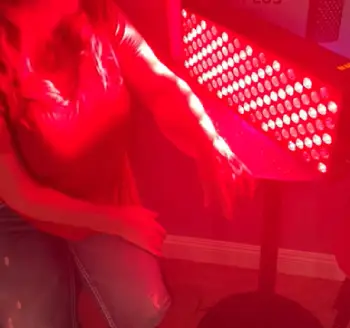
- Lifepro vs Hooga
Hooga is a recognizable name in the home red light therapy market.
<PRIVATE_PERSON> offers products in different formats, including panels designed for people who want targeted or broader light exposure.
I would compare Hooga and Lifepro based on their actual wavelengths, irradiance measurements, treatment coverage, controls, and warranty terms.
Lifepro may appeal to shoppers already interested in its broader wellness equipment range, while Hooga is worth considering when comparing dedicated red light therapy equipment.
Neither brand should automatically be considered superior without evaluating the particular models.
- Lifepro vs PlatinumLED
PlatinumLED is another brand associated with specialized red light therapy panels.
Its products are aimed at people who want to explore more extensive light therapy setups.
When comparing it with Lifepro, I would pay particular attention to panel size, available wavelengths, power specifications, and coverage.
PlatinumLED may be more appealing to buyers researching larger, specialized systems. Lifepro may be more suitable for shoppers comparing different home wellness equipment options.
The best choice depends on the intended application and available budget.
- Lifepro vs Mito Red Light
Mito Red Light focuses on red and near-infrared light therapy products.
I would compare its devices with Lifepro by looking at wavelength combinations, irradiance information, treatment area, construction, and available accessories.
For someone primarily interested in light therapy rather than general fitness equipment, Mito Red Light is a brand worth investigating.
However, I wouldn’t assume that a higher price or more advanced-looking panel guarantees better results.
The specifications and quality of the individual product matter more than the brand name alone.
- Lifepro vs Joovv
Joovv is another established name in the red light therapy category.
Its product range is associated with home-use light therapy systems designed for different treatment needs.
When comparing Joovv with Lifepro, I would consider the device dimensions, available treatment modes, setup requirements, and overall ownership cost.
Joovv may interest people looking for a dedicated light therapy system, while Lifepro may attract those who want to compare light therapy with other home wellness products.
I would also examine the warranty and customer support arrangements before deciding.
Who Should Consider Lifepro Red Light Therapy?
I think Lifepro red light therapy may be worth exploring for several types of consumers.
People interested in home skincare routines may want to investigate whether a suitable device can complement their existing products and treatments.
Fitness enthusiasts may also find the technology interesting because photobiomodulation has been studied for muscle recovery and exercise-related discomfort.
People who prefer convenient home wellness equipment may appreciate having a device that doesn’t require regular appointments.
However, I wouldn’t recommend purchasing one without first identifying the specific purpose.
Someone interested in facial skincare needs to consider different features from someone looking for a larger device to target their back or legs.
Likewise, anyone hoping to treat a medical condition should speak with a qualified healthcare professional rather than relying on product advertisements.
Is Lifepro Red Light Therapy Worth It?
After considering its potential applications, advantages, and limitations, I think Lifepro red light therapy deserves consideration from people interested in home-based wellness equipment.
Its appeal comes from the convenience of exploring light therapy without depending entirely on professional appointments.
However, I wouldn’t judge the brand by its marketing claims alone.
The actual device specifications, intended treatment area, safety instructions, and warranty are much more important.
I would also keep my expectations realistic. Red light therapy may offer benefits for certain applications, but scientific evidence isn’t equally strong for every advertised use.
If you choose the right model and use it responsibly, Lifepro could be a worthwhile addition to your wellness routine.
Also Read: Is BestQool Red Light Therapy Worth It?
Frequently Asked Questions (FAQ)
Lifepro is worth considering for home wellness equipment. However, evaluate the specific device’s wavelengths, irradiance, safety features, and warranty before purchasing.
There isn’t one universally best brand. Lifepro, Hooga, Mito Red Light, PlatinumLED, and Joovv are options worth comparing.
Potential downsides include inconsistent results, treatment costs, the need for regular sessions, and possible skin or eye discomfort.
There is limited evidence that photobiomodulation may support certain aspects of gum healing, but it cannot reliably regrow lost gum tissue or replace periodontal treatment.
Wrapping Up
I consider Lifepro red light therapy worth exploring if you want convenient, non-invasive wellness equipment for home use.
Its potential applications in skincare and recovery make it interesting, but results aren’t guaranteed.
I recommend buying a suitable Lifepro model only after checking its specifications, safety instructions, and warranty.
For the right buyer, it could be a useful addition to an established wellness routine.
Recent Posts
If you want longer, fuller-looking eyelashes without extensions or daily mascara, Babe Lash Essential Serum is worth considering. I like its appeal as an easy addition to a beauty...
The Logitech G203 Lightsync is an affordable gaming mouse that delivers reliable performance, customizable RGB lighting, and a comfortable design without demanding a premium price. I...