
If you’re thinking about buying Lumino Teeth Whitening Powder, I get it—you want a brighter smile without spending a fortune at the dentist.
I’ve tried it myself and researched what others are saying, and while it may look appealing at first glance, you should think twice before purchasing.
In this review, I’ll walk you through my real experience, the pros and cons, and whether it’s actually worth your money.
My Personal Experience With Lumino Teeth Whitening Powder
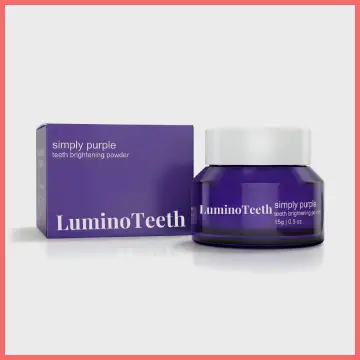
When I first got Lumino Teeth Whitening Powder, I was genuinely excited. The packaging looked clean and modern, and the promise of a brighter smile using a “natural” powder felt like a safer alternative to chemical-heavy whitening kits.
Like you, I was looking for something easy to add to my routine—just dip your toothbrush, brush, and expect results.
The first thing I noticed was the texture. It’s a very fine powder, almost like activated charcoal-based products, though Lumino markets itself a bit differently.
When I started brushing, it felt slightly gritty—not painfully abrasive, but definitely not as smooth as regular toothpaste. That was my first small concern.
The taste was… neutral but not particularly pleasant. It didn’t have the refreshing minty feel you’re probably used to, which made brushing feel less satisfying. If you’re someone who associates oral care with that clean, fresh taste, you might find this lacking.
After using it consistently for about two weeks, I started paying close attention to my teeth in different lighting.
At first, I thought I saw a slight improvement, but the more I compared before-and-after photos, the less convinced I became.
The whitening effect was minimal at best. It seemed more like a surface-level polish rather than actual stain removal.
Another thing I noticed was sensitivity. Around the third week, my teeth started feeling a bit more sensitive to cold drinks.
It wasn’t extreme, but it was noticeable enough to make me question whether the powder was too abrasive for daily use.
Over time, I also realized that it didn’t replace my regular toothpaste effectively. I had to use both, which made the routine feel inconvenient.
Instead of simplifying my oral care, it added an extra step without delivering strong results.
What really made me step back was checking reviews from other users. Many people shared similar experiences—initial excitement followed by disappointment. Some even reported gum irritation, which made me even more cautious.
By the end of a month, I stopped using it. Not because it was terrible, but because it simply didn’t live up to its claims.
When you’re investing time and money into a product, you expect visible results—and Lumino didn’t quite deliver that for me.
Pros Of Lumino Teeth Whitening Powder
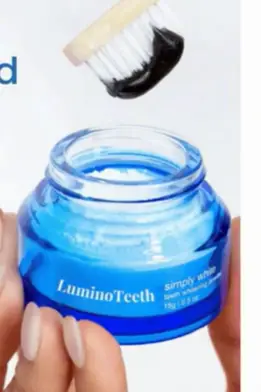
- Simple, No-Fuss Application That Fits Any Routine
One thing I genuinely liked—and you probably will too—is how ridiculously easy it is to use.
There’s no setup. No trays. No waiting around for 30 minutes like whitening strips. You literally just dip your toothbrush into the powder and brush. That’s it.
If you’re someone like me who hates complicated routines, this feels refreshing. You don’t need to change your lifestyle or carve out extra time. It slips right into your existing brushing habit without resistance.
And honestly, that ease of use is a big reason why products like this go viral. It feels like a smart, low-effort upgrade.
- Peroxide-Free Formula Feels Gentler
Lumino uses PAP+ (a peroxide-free whitening agent), which is marketed as a gentler alternative to traditional whitening chemicals.
If you’ve ever tried whitening strips that made your teeth zing with sensitivity, this sounds like a dream.
In the beginning, I actually appreciated this. There was no burning sensation, no sharp discomfort, and nothing that made me want to stop mid-brush.
For people with sensitive teeth, this can feel like a safer entry point into whitening—even if the long-term effectiveness is questionable.
- Works Decently for Surface-Level Stains
Let’s be fair—this product can make your teeth look slightly cleaner.
If your stains are mild (like light coffee or tea discoloration), you might notice a small improvement. This is because powders like this work by polishing the surface of your teeth.
Even some user feedback suggests it can “lift daily stains” from common sources like coffee or wine.
But here’s the catch—you’re not getting deep whitening. You’re getting surface cleaning that looks like whitening.
- Compact and Travel-Friendly Design
This is one of those underrated perks.
The small jar makes it super easy to carry around. Whether you’re traveling or just want something portable, it doesn’t take up space like bulky whitening kits.
If you’re someone who likes minimalism in your bathroom or travel bag, you’ll appreciate this.
- Marketing Appeal Feels Premium and Modern
Let’s be honest—presentation matters.
Lumino does a great job making the product feel high-end. Clean branding, simple messaging, and bold claims like “whiter smile instantly” make it feel like you’re buying something advanced.
And if you’re like most people, that first impression can be very convincing.
Cons Of Lumino Teeth Whitening Powder
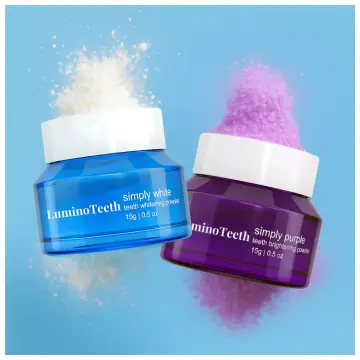
- Whitening Results Are Minimal or Misleading
This is the biggest issue—and you need to take it seriously.
Despite bold claims like users seeing “remarkable transformation instantly,” the actual results tend to be underwhelming.
From my experience—and echoed by many others—you’re not getting real whitening. You’re getting:
- Slight surface polishing
- Temporary brightness
- No deep stain removal
Even dental discussions online point out that powders mainly remove surface stains, not the actual color of your enamel.
So if you’re expecting noticeable, dramatic whitening… you’ll likely be disappointed.
- Abrasive Texture Can Damage Enamel Over Time
This is where things get a bit concerning.
That gritty texture you feel while brushing? That’s abrasion. And while it helps remove surface stains, it can also wear down your enamel if overused.
A dentist on Reddit put it bluntly:
“It will remove stains but also abrade enamel… leading to sensitivity.”
And here’s the scary part—enamel doesn’t grow back.
So while your teeth might look slightly brighter at first, long-term use could actually make them more sensitive and even more yellow as dentin becomes exposed.
- No Fluoride = Weak Protection Against Cavities
This is something many people overlook.
Lumino powders are typically fluoride-free, which means they don’t protect your teeth from cavities the way regular toothpaste does.
So if you’re thinking of replacing your toothpaste with this—don’t.
You’ll still need a proper fluoride toothpaste, which makes this product feel more like an extra step rather than a replacement.
- Doesn’t Deliver a “Clean Mouth” Feeling
This might sound minor—but it matters more than you think.
After brushing with Lumino, I didn’t get that fresh, minty, just-cleaned feeling. It felt… incomplete.
Some users describe similar experiences—like a lack of foam, freshness, or deep clean sensation.
So even after brushing, you may feel like you still need toothpaste afterward.
- Results Are Temporary and High Maintenance
Even if you do notice a slight improvement, it doesn’t last long.
The effect fades quickly, especially if you drink coffee, tea, or eat staining foods—which most of us do daily.
That means you have to keep using it regularly just to maintain a very subtle effect.
And at that point, you have to ask yourself—is it really worth the effort?
- Not a Complete Oral Care Solution
This isn’t a replacement for toothpaste. It doesn’t freshen your breath effectively, and it doesn’t provide the same level of cleaning.
Instead of simplifying your routine, it adds another step—and for me, that extra effort didn’t feel justified.
- Mixed and Often Negative User Reviews
When I looked beyond my own experience, I found that many users felt the same way. Complaints about minimal results, sensitivity, and overall disappointment were common.
That kind of consistency in feedback is something you shouldn’t ignore when making a buying decision.
Tips For Lumino Teeth Whitening Powder
- Don’t Overuse the Powder
If you decide to try Lumino anyway, the first thing I’d tell you is not to overuse it.
Using it once a day—or even a few times a week—is safer than brushing with it multiple times daily.
Overuse increases the risk of enamel wear and sensitivity, which can lead to bigger dental issues down the line.
- Always Pair It with a Fluoride Toothpaste
Since Lumino doesn’t provide cavity protection, you should always follow up with a fluoride toothpaste. This ensures your teeth are still getting the protection they need.
Think of the powder as an optional add-on, not your main oral care product.
- Use a Soft-Bristled Toothbrush
Because the powder itself can be abrasive, using a soft-bristled toothbrush is essential. This helps reduce the risk of damaging your enamel and gums.
Brushing gently is just as important—don’t scrub aggressively thinking it will improve results.
- Monitor Tooth Sensitivity
Pay attention to how your teeth feel. If you start noticing sensitivity to hot or cold foods, it’s a sign that the product might be too harsh for you.
In my case, that was one of the main reasons I stopped using it.
- Maintain Realistic Expectations
This is key. Don’t expect dramatic whitening results. If you go in with realistic expectations—thinking of it as a mild polishing product—you’ll be less likely to feel disappointed.
- Focus on Overall Oral Hygiene
Whitening products are just one small part of oral care. Regular brushing, flossing, and dental checkups matter far more than any powder or kit.
If your goal is a healthier, brighter smile, those basics will always give you better long-term results.
Comparison Lumino Teeth Whitening Powder With Other Teeth Whitening Options
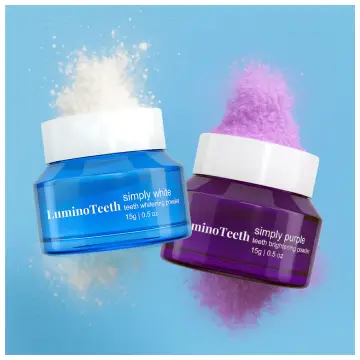
- Whitening Powders vs Whitening Toothpaste
When I compare Lumino to regular whitening toothpaste, I actually find toothpaste to be more practical. It combines cleaning, protection, and mild whitening in one step.
With Lumino, you’re adding an extra step without getting significantly better results. For most people, a good whitening toothpaste will be more convenient and just as effective—if not more.
- Whitening Powders vs Whitening Strips
Whitening strips are a completely different category. They typically contain peroxide, which actively breaks down stains rather than just polishing the surface.
In terms of visible results, strips tend to outperform powders by a wide margin. If your goal is noticeable whitening, strips are a much stronger option.
- Whitening Powders vs Professional Treatments
Professional whitening treatments are obviously more expensive, but they deliver real, measurable results.
Compared to that, Lumino feels more like a cosmetic add-on rather than a serious whitening solution. If you’re looking for a significant transformation, professional options are far more reliable.
- Whitening Powders vs Natural DIY Methods
Some people turn to baking soda or other DIY solutions for whitening. While Lumino is more refined than those, the underlying concept is similar—surface-level cleaning.
The difference is that Lumino is marketed as a premium product, which raises expectations that it doesn’t fully meet.
Frequently Asked Questions (FAQ)
Yes, but only to a limited extent. Whitening powders can help remove surface stains, but they don’t penetrate deeper stains the way peroxide-based products do. So while you might see slight improvement, the results are usually subtle.
There isn’t a clear “best” option because powders generally have similar limitations. Some may be gentler or better formulated than others, but overall, powders are not the most effective whitening method compared to strips or professional treatments.
Since the whitening effect is minimal, it doesn’t “last” in the same way as stronger treatments. Any slight improvement you see can fade quickly, especially if you continue consuming stain-causing foods and drinks like coffee or tea.
Most dentists prioritize products that protect enamel and prevent cavities. While some may acknowledge that powders can help with surface stains, they usually don’t recommend them as a primary whitening solution—especially if they’re abrasive or lack fluoride.
Final Thoughts
If you’re considering Lumino Teeth Whitening Powder, I’d suggest holding off.
While it’s easy to use and has a clean, simple appeal, the results just don’t justify the effort or cost.
You’re better off investing in a more effective whitening method or sticking with a quality toothpaste.
Your smile deserves something that actually delivers noticeable results—and this isn’t it.
Recent Posts
I spent months comparing budget options against established names after my last set of tires wore out sooner than expected.My goal here is to share what I learned from putting Dextero and...
AquaTru Carafe Vs. Classic: Which Is Actually Fits Your Kitchen?
I decided to write this comparison after months of testing both the AquaTru Carafe and the Classic in my own kitchen. Tracking covered daily use.Taste stayed consistent. Refill frequency...