
I set out to settle the Maldon sea salt versus Celtic sea salt debate once and for all because I kept switching between the two in my own cooking and could never decide which one truly delivered better flavor, texture, and everyday value.
My goal here is simple: give you a clear, side-by-side look so you can pick the salt that fits how you actually cook and eat.
| Feature | Maldon Sea Salt | Celtic Sea Salt |
| Origin | Essex, England | Brittany, France (and similar coastal areas) |
| Color & Appearance | Pure white, pyramid-shaped flakes | Light grey to soft grey, moist crystals |
| Texture | Light, crisp, delicate crunch | Slightly moist, coarser, denser feel |
| Flavor Profile | Clean, bright, mild salinity | Richer, more complex, mineral-forward |
| Moisture Content | Very dry | Naturally higher moisture |
| Mineral Content | Lower, mostly sodium chloride | Higher in trace minerals |
| Best Use | Finishing salt, salads, grilled meats, chocolate | Everyday cooking, seasoning during cooking, roasting |
| Harvest Method | Solar evaporation in shallow pans | Traditional hand-raking from clay beds |
| Price Point | Mid to premium | Mid-range, often slightly lower per ounce |
| Storage | Airtight container, stays free-flowing | Airtight to prevent drying out |
Why I Started Comparing These Two Salts?
I used to grab whatever salt sat on the shelf and call it done. Then I noticed how differently dishes tasted when I finished a steak with Maldon flakes versus when I cooked vegetables with Celtic sea salt.
One gave me that satisfying crunch and clean pop of salt. The other seemed to deepen the overall flavor of the food itself.
That contrast pushed me to test both side by side across weeks of cooking, baking, and even simple snacks.
I wanted to know which one earned a permanent spot on my counter and which one worked better for specific jobs.
Key Differences Between Maldon Sea Salt And Celtic Sea Salt
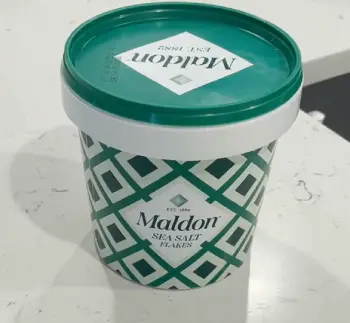
- Crystal structure and mouthfeel: Maldon forms those signature pyramid flakes that shatter lightly between your teeth and create a delicate pop, while Celtic stays denser and slightly damp so it dissolves more slowly and coats the tongue in a fuller way.
- Mineral composition: Celtic retains more of the ocean’s natural minerals because of its gentler harvesting process, whereas Maldon ends up closer to pure sodium chloride after its controlled evaporation.
- Moisture level: Maldon feels bone-dry and free-flowing right out of the box, but Celtic holds a natural moisture that keeps the crystals softer and can affect how precisely you measure by volume.
- Flavor intensity and character: Maldon delivers a sharp, clean salt hit that disappears quickly and leaves a bright finish, while Celtic brings a rounder, almost earthy salinity that lingers and supports other ingredients more noticeably.
- Visual impact on the plate: Those bright white Maldon pyramids look elegant and intentional when scattered over dark chocolate or rare steak, whereas Celtic’s soft grey tint blends in more naturally and suits everyday dishes where you do not want the salt to stand out.
- How they behave under heat: Maldon performs best when added after cooking so the flakes stay intact and deliver their signature crunch, while Celtic holds up well when you season meat or vegetables before they hit the pan or oven.
- Dissolving speed on the tongue: Maldon melts in quick, clean bursts that feel precise, but Celtic takes a few extra moments and spreads a more sustained mineral note across the palate.
- Suitability for volume measuring: Dry Maldon flakes measure more consistently by the teaspoon, while the natural dampness of Celtic can lead to slight variations if you scoop without weighing.
Key Features Of Maldon Sea Salt

- Pyramid flake shape: The unique hollow structure comes from controlled solar evaporation in the shallow pans of the Blackwater estuary and gives the salt its famous light, shattering crunch.
- Consistent mild salinity: Because the process removes most trace minerals, the flavor stays predictable and bright without unexpected bitterness or metallic notes that sometimes appear in less refined salts.
- Low moisture and free-flowing nature: You can pinch it easily even with slightly damp fingers, and it stays crisp in humid kitchens as long as the container seals well.
- Clean, almost sweet finish: Many people notice a subtle sweetness after the initial salt hit, which pairs especially well with ripe tomatoes, creamy avocado, and simply grilled fish.
- Visual appeal as a finishing salt: Chefs and home cooks reach for it when they want the salt itself to become part of the presentation rather than disappear into the dish.
- English coastal origin with a long history: The same family has produced it for generations using methods that still rely heavily on wind and sun instead of heavy industrial machinery.
- Light weight per pinch: A small amount covers a large surface area, so a little goes further than denser salts when you are finishing a plate.
Pros Of Maldon Sea Salt
- Outstanding finishing texture: Nothing else gives quite the same delicate, crystal-clear crunch that stays intact on the surface of food and adds a satisfying contrast to soft or rich ingredients.
- Predictable and clean taste: You always know exactly how much saltiness you are adding, which makes it reliable for delicate dishes like fresh salads, soft-boiled eggs, or lightly dressed greens.
- Beautiful presentation: Those white flakes look intentional and appetizing, turning a simple plate of tomatoes or a grilled steak into something that feels more considered and restaurant-like.
- Easy to control dosage: Because the flakes are large and light, a small pinch goes a long way and you can see exactly where the salt lands before it melts.
- Long shelf life with minimal clumping: Once the container is sealed, it stays free-flowing for months without needing rice or other anti-caking tricks that some salts require.
- Pairs exceptionally with sweet and rich foods: Chocolate, caramel, roasted nuts, and fatty cuts of meat all benefit from the bright contrast Maldon provides without muddying the other flavors.
- Quick visual feedback while seasoning: You can spot the flakes easily and stop at the right moment instead of over-salting by accident.
- Minimal aftertaste: The clean finish disappears politely and leaves the star ingredients in the spotlight.
Cons Of Maldon Sea Salt
- Not ideal for general cooking: If you try to use it the way you would table salt during the cooking process, the flakes dissolve unevenly and you lose the signature texture that makes it special in the first place.
- Higher price relative to everyday salts: You pay a premium for the unique shape and clean flavor, so using it by the tablespoon for boiling pasta or seasoning a large pot of soup feels wasteful.
- Lower mineral content: If you choose sea salt partly for the trace minerals, Maldon offers less of that benefit than less-processed options that keep more of the ocean’s original makeup.
- Can feel too mild for some palates: People who prefer a stronger, more complex saltiness sometimes find Maldon almost too refined or one-dimensional compared with mineral-rich alternatives.
- Fragile flakes that break down with moisture: Once they get wet they lose their structure quickly, so humid environments or wet hands can turn a beautiful flake into a small damp lump.
- Limited usefulness in long-cooked dishes: The special texture disappears entirely if the salt spends too much time in liquid or under prolonged heat.
- Packaging can feel less practical for heavy daily use: The boxes or jars are often sized more for finishing than for scooping large amounts during meal prep.
Key Features Of Celtic Sea Salt
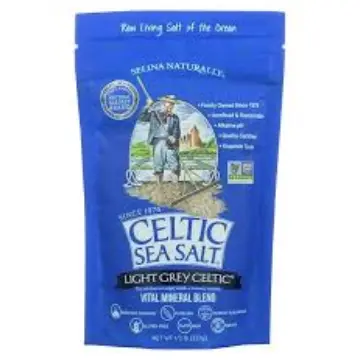
- Natural grey color and mineral richness: The clay beds where it is harvested leave behind magnesium, potassium, and other trace elements that give the salt both its soft grey hue and its fuller, more complex taste.
- Slight natural moisture: The crystals never fully dry out the way industrial salts do, which helps preserve the mineral content and creates a softer, more pleasant texture on the tongue.
- Hand-harvested tradition: Workers still rake the salt by hand from shallow clay ponds, a method that has changed little over centuries and keeps the product closer to its ocean origins.
- Broader flavor profile: Beyond pure saltiness you get a mild oceanic depth that many describe as more alive than refined table salt or even many other commercial sea salts.
- Versatility in cooking: Because it dissolves more gradually, it works well when you season food early in the process rather than only at the very end of cooking.
- Connection to traditional French coastal practices: The salt reflects the mineral makeup of the Atlantic waters off Brittany and nearby regions, giving it a character that feels tied to place.
- Soft dissolve rate: It melts steadily without the sharp initial burst some people find too aggressive in drier salts.
- Steady performance across temperature ranges: It seasons evenly whether you are using it in cold preparations or high-heat roasting.
Pros Of Celtic Sea Salt
- Higher natural mineral content: The presence of magnesium, calcium, and potassium gives both nutritional interest and a more rounded flavor that many find more satisfying than pure sodium chloride.
- Excellent for cooking from start to finish: You can season meat before searing, toss vegetables before roasting, or salt water for pasta and still get consistent, well-integrated results.
- Distinctive and complex taste: The mineral notes add depth without overpowering, making simple roasted potatoes or grilled chicken taste more complete and intentional.
- Traditional harvesting supports a more natural product: Minimal processing means the salt stays closer to its ocean origins, which appeals to people who prefer less refined ingredients in their daily cooking.
- Good value for everyday use: Because it works so well as an all-purpose salt, you can buy larger quantities and use it freely without feeling like you are wasting a specialty product.
- Soft texture that dissolves pleasantly: It melts on the tongue more gradually than pure dry crystals, which some people prefer for table use and for seasoning throughout a meal.
- Reliable performance in both wet and dry applications: It seasons soups and stews evenly while still working well as a final sprinkle when you want mineral depth rather than crunch.
- Steady flavor contribution across different cuisines: It supports everything from simple vegetable dishes to richer braises without clashing with other seasonings.
Cons Of Celtic Sea Salt
- Moisture can make measuring less precise: The natural dampness means a teaspoon of Celtic may contain slightly less actual salt by weight than a teaspoon of dry salt, so recipes can turn out inconsistent if you switch between brands without adjusting.
- Grey color may not suit every dish: On light-colored foods or when you want pure white crystals for visual reasons, the soft grey tint can look a bit muddy or less elegant.
- Less dramatic finishing crunch: If you sprinkle it on top of a finished dish, you get solid saltiness but not the same light, shattering texture that Maldon delivers so reliably.
- Can taste stronger or more mineral than expected: Some people notice a slight earthy or briny note that takes getting used to, especially if they are accustomed only to pure white refined salts.
- Requires careful storage: Left open or in a humid spot, it can clump more readily than fully dried salts, and once it dries out completely it loses some of its characteristic softness.
- Slightly slower dissolve rate in cold preparations: On chilled dishes or fresh salads the crystals take a bit longer to melt fully compared with drier flake salts.
- Visual subtlety can feel underwhelming for presentation-focused plates: When the look of the salt matters as much as the taste, the grey crystals simply do not stand out the way bright white flakes do.
How I Use Each Salt In Real Cooking?
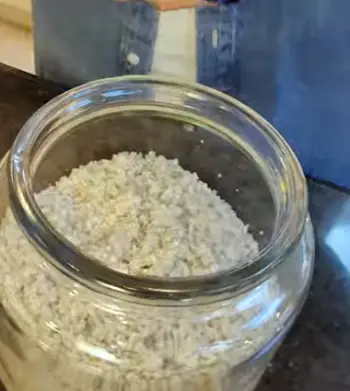
When I roast a chicken I reach for Celtic sea salt early.
I rub it under the skin and over the surface so the minerals and moisture help the seasoning penetrate while the bird cooks.
The result tastes deeper and more complete than when I used only refined salt. For a quick weeknight steak, though, I still finish with Maldon.
The moment the meat comes off the heat I scatter a few large flakes across the top. That final crunch and clean salt hit make the difference between a good steak and one that feels restaurant-level.
Salads get Maldon almost every time. The flakes stay visible and add texture without turning the leaves watery.
When I make scrambled eggs or soft polenta I prefer Celtic because it dissolves evenly and the mineral notes play nicely with the richness of the eggs or the corn.
Baking is another area where I notice differences. In chocolate chip cookies a light sprinkle of Maldon on top before baking creates little pockets of crunch that contrast the soft cookie.
Celtic works better mixed into doughs or into the water for boiling bagels because it distributes more evenly.
I also tested both on simple snacks. Sliced avocado with Maldon tastes bright and almost sweet. The same avocado with Celtic tastes more savory and grounded. Tomato and mozzarella responds the same way: Maldon highlights the fruitiness of the tomato, while Celtic makes the whole combination taste more like a composed dish.
Flavor Testing Across Different Foods
I lined up identical portions of the same foods and seasoned one with each salt. On grilled asparagus the Maldon stayed on the surface and gave sharp bursts of salt with every bite.
Celtic melted into the spears and made the vegetable itself taste more intense. With dark chocolate the difference was dramatic. Maldon created a clean contrast that made the chocolate taste sweeter.
Celtic added a mineral edge that some people loved and others found slightly distracting.
Fish showed another clear split. Delicate white fish finished with Maldon felt light and precise.
The same fish cooked with Celtic in the pan tasted richer and more oceanic, almost as if the salt amplified the natural flavor of the fish rather than sitting on top of it.
Even something as basic as buttered toast changed character. Maldon on warm buttered sourdough gave a satisfying crackle. Celtic made the toast taste more substantial and savory.
Texture And Mouthfeel In Everyday Use
Texture is where the two salts diverge most clearly for me. Maldon’s flakes are so light that they almost float on the tongue before dissolving.
That quality makes them perfect when you want salt to be a textural element rather than just a flavor. Celtic feels denser and more substantial.
It coats the mouth more thoroughly and dissolves in a slower wave. Neither is better in absolute terms; they simply serve different purposes.
I noticed that people who like a lot of salt on their food often prefer Celtic because the mineral complexity keeps the saltiness interesting even when you use a generous amount.
Those who prefer lighter seasoning tend to reach for Maldon because a few flakes deliver a clear hit without overwhelming the dish.
Who Should Choose Maldon Sea Salt?
If you care about presentation and that final textural contrast, Maldon is the clear winner.
People who cook a lot of simple, high-quality ingredients—good olive oil, ripe tomatoes, carefully cooked proteins—will notice the difference immediately.
It also suits anyone who prefers a clean, predictable salt taste without additional mineral notes. Home bakers who like to finish cookies, brownies, or caramel with a sprinkle of salt will find Maldon hard to beat.
Who Should Choose Celtic Sea Salt?
If you want one salt that works for almost everything from boiling water to seasoning a roast, Celtic makes more sense.
Cooks who appreciate a more complex, mineral-driven flavor and who use salt throughout the cooking process rather than only at the end will get more daily value from it.
People who prefer less refined products and like the idea of higher natural mineral content often settle on Celtic as their house salt.
Cost And Value Over Time
Maldon costs more per ounce, yet a little goes a long way when you use it only as a finisher. Celtic costs less and you use more of it, so the overall monthly spend ends up similar in my kitchen.
The real value calculation depends on how you cook. If most of your salt goes on at the table or as a final garnish, Maldon delivers more satisfaction per pinch.
If you salt early and often, Celtic gives better results for the money.
Also Read: Comparison Of Celtic Sea Salt And Baja Gold
Frequently Asked Questions (FAQ)
It depends on the use. Maldon is better as a finishing salt for texture and clean flavor. Celtic is better for everyday cooking and mineral complexity.
No single salt is universally better. Maldon offers superior finishing crunch and visual appeal, while other options like Himalayan or pure flake salts may suit different preferences.
It is among the best for finishing dishes where texture and mild, clean saltiness matter. It is not the best all-purpose cooking salt.
Celtic sea salt generally retains more natural trace minerals due to minimal processing, making it a common choice for those seeking higher mineral content.
Final Thoughts
After weeks of side-by-side cooking I stopped treating the question as a contest with one winner. Maldon and Celtic simply excel at different jobs.
Maldon shines when texture and clean brightness matter most. Celtic shines when you want depth, mineral complexity, and reliable performance throughout the cooking process.
Your own habits will tell you which one you reach for more often. Once you notice the difference in how each salt behaves, you will start choosing deliberately instead of grabbing whatever is closest.
You now have a clear picture of what each salt offers and where each one falls short. Try both in the ways I described and pay attention to the texture and the way the flavor settles on your tongue.
That personal experience will settle the debate for your kitchen faster than any comparison chart.
Recent Posts
I tried Meltoway Hair Dissolving Cream because I wanted a quick way to deal with unwanted body hair without reaching for a razor every few days. If you are looking for a convenient at-home...
If you’re considering a saffron-based supplement to support mood, appetite control, and everyday wellness, Happy Saffron Plus is worth considering.I like that it takes a familiar botanical...