
I can’t recommend Midwest Legacy Beef enough if you’re looking to upgrade your dog’s meals.
As a dog owner who’s tried countless foods, this raw beef blend stands out for its fresh, high-quality ingredients that keep my pup energetic and healthy.
You owe it to your furry friend to switch—it’s affordable, nutritious, and they’ll thank you with endless tail wags. Trust me, once you see the difference, you’ll wonder why you waited.
My First Experience With Midwest Legacy Beef
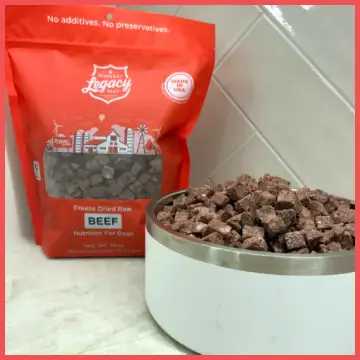
Let me take you back to when I first decided to try Midwest Legacy Beef for my golden retriever, Max.
I’d been hearing about raw diets for dogs and how they mimic what canines would eat in the wild, so I figured it was time to give it a shot.
Max had been on kibble for years, and while he was okay, his coat was a bit dull, and he seemed sluggish after meals.
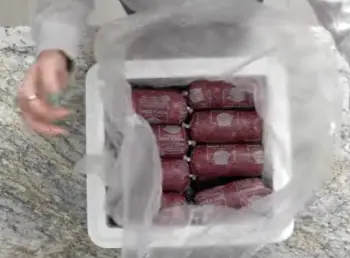
I ordered a 30-pound box of their Legacy BLT blend— that’s beef, liver, and tripe with ground bone—straight from their site, and it arrived frozen solid in insulated packaging.
The unboxing was straightforward; I appreciated the clear instructions on thawing and serving.
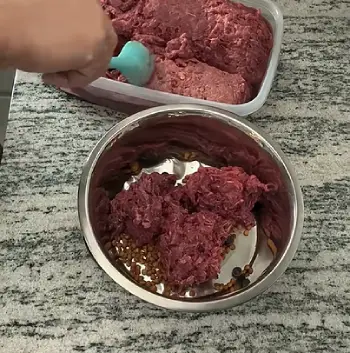
The first time I portioned it out, I thawed a roll in the fridge overnight. It has this rich, meaty aroma that’s pungent but not off-putting if you’re used to handling raw meat.
Max went nuts the moment I put it in his bowl—he devoured it faster than anything else I’d given him. Over the next few weeks, I noticed real changes.
His energy spiked; we’d go on longer walks without him tiring out. His coat started shining like never before, and his stools were firmer and smaller, which made cleanup a breeze.
I mixed it with some veggies at first to transition him slowly, but soon he was on full raw.
One thing that surprised me was how versatile it is. I used the freeze-dried version as treats during training sessions, and Max responded better than with store-bought biscuits.
We traveled once, and the freeze-dried packs were perfect—no mess, lightweight, and just rehydrate with water.
But it wasn’t all smooth; the initial cost felt high compared to kibble, though it evened out since he ate less and stayed healthier, cutting vet bills. I also had to get used to safe handling to avoid any bacteria risks, like using separate cutting boards.
Overall, after three months, Max’s vet checkup showed improved weight management and better joint mobility.
If you’re on the fence, start small like I did. You’ll see your dog thrive, and that bond deepens when you know you’re feeding them something close to nature. It’s been a game-changer for us, and I bet it will be for you too.
Pros Of Midwest Legacy Beef
- Nutritional Powerhouse for Your Dog’s Health
You know how sometimes you feed your dog and wonder if they’re really getting what they need? With Midwest Legacy Beef, I never have that doubt.
This stuff is packed with high-quality proteins from fresh beef cuts, organs like liver and tripe, and even ground bone for natural calcium.
It’s like giving your pup a meal straight from the farm, and I’ve seen the benefits firsthand. Max’s muscles stayed lean, and his immune system seemed stronger—he shook off a minor cold quicker than usual.
The blends meet AAFCO standards for complete nutrition, especially for growing pups, so you can feel good about ditching synthetic additives.
We all want our dogs to live long, vibrant lives, and this raw approach delivers essential amino acids and fats that kibble often skimps on.
- Convenience That Fits Your Busy Life
I lead a hectic schedule, and you probably do too, but Midwest Legacy Beef makes raw feeding doable.
The frozen rolls thaw easily in the fridge, and portioning is simple—just slice what you need.
Their freeze-dried options are a lifesaver for travel or quick treats; no refrigeration required until rehydrated.
I love how it ships directly to my door in 3-5 days, always fresh-frozen. No more lugging heavy bags from the store.
Plus, the smaller stool output means fewer cleanups during walks, which saves time and hassle.
If you’re like me and hate complicated meal prep, this product’s straightforward design lets you focus on enjoying time with your dog instead of stressing over food.
- Affordability Without Sacrificing Quality
Let’s talk money because that’s a big factor for all of us. Midwest Legacy Beef isn’t the cheapest out there, but when you break it down, it’s a steal.
I pay around $1.79 per pound for bulk cases, which is way better than some premium brands charging double.
Since Max eats less of this nutrient-dense food, a 15-pound bag lasts longer than equivalent kibble. Over time, I’ve saved on vet visits because his health improved—no more allergy meds or digestive aids.
You get 100% American-sourced beef without fillers, so every bite counts. If you’re budgeting for your dog’s well-being, this gives you bang for your buck, making raw accessible without feeling like a luxury only for the wealthy.
- Palatability That Keeps Tails Wagging
Have you ever watched your dog turn up their nose at dinner? Not with this. The coarse grind and fresh taste drive Max wild—he licks the bowl clean every time.
The blends like Beef & Organs add variety, keeping meals exciting without boredom setting in. Even picky eaters in my friends’ homes have converted after trying samples.
It’s the pure, unprocessed flavor that hooks them, and as a bonus, it supports dental health with the natural chewing action.
We both look forward to mealtime now; it’s rewarding to see your dog so enthusiastic about something good for them.
- Ethical Sourcing You Can Trust
I care about where my dog’s food comes from, and you should too.
Midwest Legacy Beef sources from Midwest farms, ensuring humane practices and no 3D or 4D meat— that’s dead, dying, diseased, or disabled animals.
Everything is fresh-ground and frozen immediately, preserving nutrients without preservatives.
This transparency builds trust; I know I’m not feeding Max mystery meat. Supporting American farmers feels right, and the high customer ratings—around 4.9 out of 5—back it up.
If ethical eating matters to you, this brand aligns with values that make you proud as a pet parent.
Cons Of Midwest Legacy Beef

- Strong Odor During Preparation
One thing I have to mention is the smell—it’s intense.
When thawing or portioning, that raw beef and organ aroma fills the kitchen, which might turn you off if you’re sensitive.
Max doesn’t mind, but I’ve had guests comment on it.
You get used to it over time, but it’s not as neutral as kibble.
- Higher Initial Cost Barrier
Switching to raw like this hit my wallet at first.
A starter box runs $100 or more, and if you’re not buying in bulk, it adds up.
Compared to cheap store brands, it’s pricier, though the long-term savings help.
If you’re on a tight budget, easing in slowly is key.
- Handling and Safety Concerns
Raw food means dealing with potential bacteria, so you need to be vigilant. I always wash hands and surfaces thoroughly, but it’s extra work.
If you forget, there’s a risk, especially with kids or immunocompromised folks around. It’s manageable, but not as foolproof as cooked options.
- Limited Variety for Special Diets
While the beef blends are solid, options are mostly beef-focused.
If your dog needs fish or poultry for allergies, you’ll look elsewhere.
I wish they had more rotations, but for beef lovers, it’s fine.
- Storage Space Requirements
Those frozen rolls take up freezer room. If your space is limited like mine was initially, it’s a juggle. The freeze-dried helps, but bulk orders mean planning ahead.
Tips For Midwest Legacy Beef
- Proper Thawing Techniques to Keep It Fresh
You want to thaw this stuff right to maintain its quality and safety. I always pop the rolls in the fridge for 24 hours—never on the counter, as that invites bacteria.
If you’re in a rush, seal it in a bag and submerge in cold water, changing every 30 minutes.
Once thawed, use it within two days. This keeps the nutrients intact and prevents spoilage.
Trust me, doing it this way ensures your dog gets the freshest meal possible, and you’ll avoid any tummy issues.
- Storage Solutions for Long-Term Freshness
Freezer organization is crucial here. I store unopened rolls in the back of my freezer at 0°F or below, where they last up to a year.
Label with dates so you rotate stock. For opened portions, use airtight containers or resealable bags to prevent freezer burn.
The freeze-dried packs are easier—keep them in a cool, dry pantry for months. If space is tight, consider a dedicated mini-freezer; it changed my game.
Proper storage means less waste and consistent quality for your pup.
- Portioning Guidelines Based on Your Dog’s Needs
Figuring portions took me a bit, but it’s straightforward. I calculate 2-3% of Max’s body weight daily—for his 70 pounds, that’s about 1.5-2 pounds split into two meals.
Puppies or active dogs might need more, seniors less.
Use a kitchen scale for accuracy, and adjust based on activity and weight changes.
I pre-portion weekly into containers, thawing one at a time. This prevents overfeeding and keeps things efficient. Monitor your dog’s condition; if they slim down too much, tweak it up.
- Safe Handling Practices to Avoid Risks
Raw meat demands respect. I designate a cutting board just for this, sanitizing with hot soapy water after each use.
Wear gloves if you’re squeamish, and wash hands for 20 seconds. Keep it away from human food prep areas. After feeding, clean bowls immediately—dishwasher safe ones are best.
If your dog doesn’t finish, discard leftovers after 30 minutes. These habits minimize salmonella or E. coli risks, keeping everyone safe. I’ve never had an issue following this routine.
- Transitioning Your Dog Smoothly to Raw
Don’t switch cold turkey; I learned that the hard way with mild diarrhea at first. Start by mixing 25% raw with 75% old food for a week, gradually increasing.
Watch for signs like loose stools or lethargy, and slow down if needed. Add probiotics if your vet suggests. Hydrate the freeze-dried for easier digestion.
Patience pays off—Max transitioned fully in two weeks, and his gut thanked me with better health.
- Cleaning and Hygiene After Meals
Post-meal cleanup is non-negotiable. I rinse bowls with hot water and vinegar, then dishwasher cycle. Wipe feeding areas with pet-safe disinfectant.
For outdoor feeders, hose down mats. This prevents bacterial buildup and odors.
If using placemats, wash them weekly. Keeping things tidy makes the whole raw experience enjoyable, not a chore.
Comparison Midwest Legacy Beef With Other Brands
- Midwest Legacy Beef Stacks Up Against Dr. Marty’s Nature’s Blend
I’ve tried Dr. Marty’s Nature’s Blend alongside Midwest Legacy Beef, and while both offer freeze-dried raw options, the differences are noticeable.
Dr. Marty’s uses a mix of turkey, beef, salmon, and duck with fruits and veggies, aiming for a broader nutrient profile.
It’s vet-formulated and convenient, but I found it pricier—often double per ounce.
Midwest Legacy focuses on pure beef blends, which suited Max’s preferences better, delivering that meaty satisfaction without extras.
Nutritionally, both are solid, but Midwest’s affordability and simpler ingredients won me over for everyday feeding.
If your dog needs variety, Dr. Marty’s edges out, but for beef-centric diets, Midwest feels more straightforward and cost-effective.
- Midwest Legacy Beef Versus Stella & Chewy’s Freeze-Dried Raw
Stella & Chewy’s is another heavyweight in freeze-dried raw, with patties boasting 95% meat, organs, and bone plus organic produce.
I appreciated their grain-free focus and how easy the patties rehydrate. Compared to Midwest Legacy, Stella’s has more flavor options like chicken or lamb, which is great if your pup gets bored.
However, Midwest’s coarser grind gave Max more chewing satisfaction, aiding dental health.
Price-wise, Stella’s runs higher, especially for larger bags, while Midwest offers better bulk deals.
Both promote shiny coats and energy, but Midwest’s pure beef emphasis felt more primal and less processed to me.
- Evaluating Midwest Legacy Beef Next to Instinct Raw Boost Mixers
Instinct’s Raw Boost Mixers are toppers I used to enhance kibble, made with freeze-dried beef and veggies for added nutrition.
They’re versatile and pathogen-free via high-pressure processing. Against Midwest Legacy’s full meals, Instinct feels supplementary rather than standalone.
I liked Instinct’s affordability for mix-ins, but Midwest provides complete balanced blends without needing extras.
Texture-wise, Instinct’s finer pieces mix easier, but Midwest’s chunks encouraged slower eating.
For full raw commitment, Midwest outperforms in protein density, though Instinct wins for beginners dipping toes into raw.
- Midwest Legacy Beef Compared to Open Farm Freeze-Dried Raw
Open Farm’s grass-fed beef morsels emphasize ethical sourcing, much like Midwest, but with added superfoods like cranberries.
Their transparency with farm origins is impressive, and the morsels store easily.
I found Open Farm’s taste milder, which Max enjoyed, but Midwest’s organ-rich blends packed more punch nutritionally.
Cost is similar, but Midwest’s larger portions suit bigger dogs better. Both avoid fillers, yet Midwest’s focus on Midwest farms gives a local vibe I prefer over Open Farm’s global sourcing.
If sustainability is your top priority, Open Farm shines, but for robust beef flavor, Midwest holds the edge.
- Midwest Legacy Beef Versus Primal Pet Foods Raw Formulas
Primal’s raw nuggets include beef with veggies and supplements, frozen for freshness. They’re AAFCO-balanced like Midwest, but Primal adds more plant-based elements for fiber.
I noticed Max’s digestion was steady with both, but Primal’s nuggets thawed quicker. However, Midwest’s no-veggie pure beef appealed more for a carnivore diet.
Primal costs a tad more, especially for organic lines, while Midwest keeps it simple and wallet-friendly.
Variety is Primal’s strength with proteins like venison, but for consistent beef quality, Midwest’s heritage blends feel more reliable and user-friendly.
Also Read: Is Valu Pak Dog Food Worth It?
Frequently Asked Questions (FAQ)
Yes, it provides high-protein nutrition from raw beef, supporting energy, coat health, and digestion.
It sources from American Midwest farms, using fresh, humane-raised beef.
Yes, Legacy blends offer balanced raw nutrition trusted for over 35 years.
Yes, it’s a reputable vet-formulated brand with quality ingredients and positive reviews.
Wrapping Up
In the end, Midwest Legacy Beef transformed how I feed Max, boosting his vitality without fuss.
You won’t regret trying it—your dog deserves this level of care.
Give it a go; the results speak for themselves.
Recent Posts
● Interactive 5-Zone Interior & Exterior Paint Blueprint Paint Coverage Calculator: Gallons, Primer, Square Footage & Cost Tap any architectural surface zone on the blueprint...
If you want smooth, shiny hair without spending a fortune on a premium styling tool, the Ella Bella hair dryer may be worth considering.In these Ella Bella hair dryer reviews, I’ll look...