
I spent weeks comparing Miele and Bosch dishwashers after my old unit died mid-dinner party.
I wanted a machine that could handle my family’s daily mess without constant trouble.
My goal is to show the real differences so you can choose the brand that matches your kitchen, budget, and plans for the years ahead.
| Feature | Miele | Bosch |
| Price Range | $1,500–$3,500+ | $800–$2,000 |
| Expected Lifespan | 15–20 years | 10–15 years |
| Noise Level | 37–42 dBA | 39–44 dBA |
| Drying Tech | AutoOpen + condensation | CrystalDry (zeolite) |
| Detergent System | AutoDos PowerDisk | Manual pods/tabs |
| Spray Arms | 3 full-size | 2 full + 1 sprinkler |
| First-Year Service Rate | ~5.6% | ~7.8% |
| Warranty | 2 years full (longer on key parts) | 1 year full (5 years on electronics/racks) |
| Best For | Long-term investment | Value and quiet performance |
Key Differences Between Miele And Bosch Dishwashers
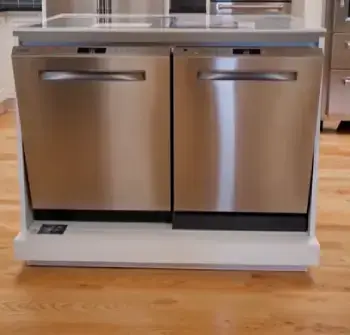
- Build quality and longevity: Miele builds major parts in Germany and tests each unit for twenty years of normal use.
Bosch makes strong machines with stainless tubs, yet its design aims for ten to fifteen years of service.
- Cleaning approach: Miele uses three full spray arms that hit every surface while sensors adjust the wash.
Bosch relies on PrecisionWash with two full arms and a small sprinkler, and it still removes baked-on food very well.
- Drying performance: Bosch CrystalDry uses special minerals that heat the air and pull moisture so plastics come out dry.
Miele opens the door a little at the end so steam escapes, and this works well on glass but leaves some plastics damp.
- Detergent handling: Miele loads a PowerDisk that doses the right amount for about twenty cycles on its own.
Bosch needs a fresh pod or powder every time you run a load.
- Noise and daily living: Both brands stay quiet enough for open kitchens.
Bosch often posts the lowest numbers on paper while Miele feels smooth because of solid insulation and balanced motors.
- Service network and repair costs: Bosch parts and technicians reach most areas quickly and keep repair bills lower.
Miele service is skilled, but the parts cost more and sometimes take longer to arrive.
- Water and energy efficiency: Both brands use sensors to cut waste, yet Bosch often finishes normal cycles with slightly less water.
Miele balances the difference through precise detergent control that reduces overall resource use.
- Rack flexibility and capacity: Miele’s adjustable trays handle tall items and mixed loads with ease.
Bosch offers deep third racks that hold utensils and small plates without crowding the main levels.
Key Features Of Miele Dishwashers
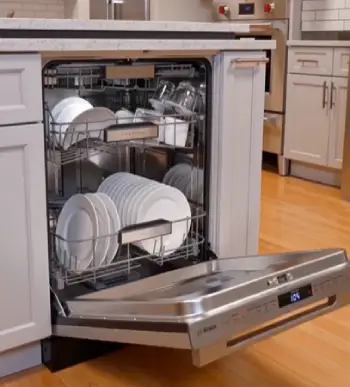
- AutoDos with PowerDisk: A cartridge sits in the door and releases the exact amount of detergent for each load.
You fill it once and the machine handles the rest for weeks.
- 3D MultiFlex cutlery tray: The top rack moves in several directions so tall glasses and long tools fit without crowding.
It feels more adjustable than most third racks.
- AutoOpen drying and BrilliantLight: The door cracks open at the end of the cycle so air can dry the dishes.
Soft LEDs light the whole tub when you load at night.
- Built-in water softener and Hygiene programs: Most models soften hard water automatically and protect glassware.
High-heat cycles reach temperatures that sanitize bottles and boards.
- Knock2Open and app control: Higher models open with a double knock.
The app lets you start cycles and check progress from your phone.
- IntelliDrive motor technology: The motor changes speed and direction to improve spray coverage.
This helps clean corners that older systems often miss.
- ExtraComfort baskets: Flexible holders and cup racks keep delicate items secure.
They adjust quickly when you switch between everyday dishes and special glassware.
Pros Of Miele Dishwashers
- Exceptional longevity: These machines often reach fifteen to twenty years with normal care. The strong pumps and racks simply wear more slowly than average units.
- Superior cleaning on tough loads: Three spray arms and smart sensors leave fewer spots on glass and less residue on pans. Reruns become rare in daily use.
- True set-and-forget detergent: AutoDos removes the daily chore of adding detergent and keeps results steady. It feels like a real convenience after a few weeks.
- Refined quiet operation and build feel: The door closes with a solid sound and the racks glide smoothly for years. Better filtration also keeps the interior cleaner.
- Longer standard warranty and parts support: Two years of full coverage plus extra time on the motor and tub give extra confidence.
- Consistent results on mixed loads: Sensors and automatic dosing handle heavy soil next to delicate items without extra effort. This reduces the need to run separate cycles.
- Strong protection in hard-water areas: The built-in softener prevents spots and scale buildup. Glassware stays clearer for longer periods.
Cons Of Miele Dishwashers
- Higher purchase price: You pay a clear premium for the engineering. Similar feature sets often cost several hundred dollars more than Bosch models.
- Specialized detergent and higher repair costs: PowerDisks add ongoing expense. Service visits usually cost more when parts or labor are needed.
- Drying on plastics can lag: AutoOpen works well overall, yet some plastics still need a quick towel more often than zeolite systems.
- Service network is solid but not as dense: In smaller towns you may wait longer for a technician compared with the wider Bosch network.
- Learning curve for advanced features: New owners sometimes need a few cycles to understand the dosing and program options. The app helps, but it takes short practice.
- Premium parts pricing over time: Replacement racks or pumps cost more than average. The longer lifespan usually offsets this, yet the individual bills feel higher.
Key Features Of Bosch Dishwashers
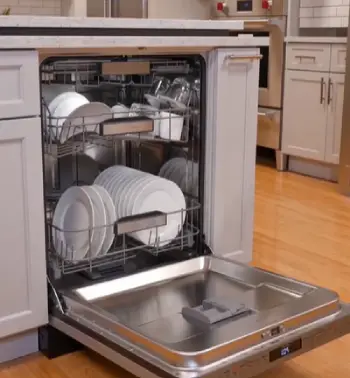
- CrystalDry zeolite system: Minerals absorb moisture and release heat so plastics and lids finish dry more often.
This feature solves the wet-container problem for many homes.
- PrecisionWash and PowerControl: Sensors check the load and send extra pressure to dirty spots.
You can boost one rack when a few pots need more power.
- MyWay third rack: The upper rack slides and adjusts to hold utensils or small plates.
It is deep enough to be useful every day.
- Home Connect and InfoLight: The app works with voice assistants and shows cycle status.
A light on the floor tells you the machine is running without opening the door.
- AquaStop and stainless construction: Leak protection shuts off water if trouble appears.
Stainless tubs and firm doors help keep the machine quiet for years.
- RackMatic adjustable middle rack: The center rack rises or lowers in small steps.
This creates space for tall pots on the bottom while still fitting glasses above.
- Sanitize and half-load options: High-temperature cycles reduce bacteria on baby items.
The half-load setting saves water and energy when the machine is not full.
Pros Of Bosch Dishwashers
- Outstanding value at every price point: You get strong cleaning, drying, and quiet running without the full luxury markup. The 800 and Benchmark series deliver most of what Miele offers for less money.
- Best-in-class drying for everyday plastics: CrystalDry solves the wet-Tupperware issue that bothers many households. Plastics come out ready to store.
- Extremely quiet operation: Many models sit at or below forty-two dBA. You can run them during talks or late at night without notice.
- Wide service and parts availability: Repairs are usually faster and less expensive. The network covers most regions with ease.
- Flexible loading and smart features: The MyWay rack and Home Connect app make daily use simple. Voice control feels modern without extra fuss.
- Reliable performance across price tiers: Even mid-range models clean well and stay quiet. You do not need the top series to get solid results.
- Lower total cost of ownership for many homes: Cheaper repairs and easy parts access keep long-term expenses down. This matters if you move or update the kitchen sooner.
Cons Of Bosch Dishwashers
- Shorter expected lifespan: Ten to fifteen years is still solid, yet it falls short of Miele’s twenty-year design target. You may replace the unit sooner if you stay in the home long-term.
- Manual detergent every cycle: You still open the dispenser and add a pod. It is a small extra step that AutoDos removes.
- Occasional plastic moisture on lower-tier models: PureDry on the 300 and 500 series works fine but is not as thorough as CrystalDry.
- First-year service rate sits a bit higher: Around 7.8 percent versus Miele’s 5.6 percent. The gap is small, yet it appears in the data.
- Fewer automatic convenience features: You handle detergent and some adjustments yourself. The machine performs well, but it asks for a little more daily attention.
- Rack durability can vary by series: Higher models hold up longer under heavy use. Entry units may show wear on rollers sooner than Miele equivalents.
Real-World Performance From A User Perspective
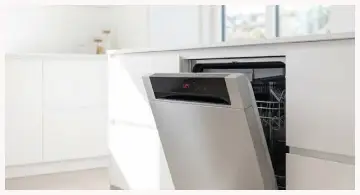
After living with both brands through friends, family, and my own testing, the differences show up in daily routines.
Morning mugs and cereal bowls clean equally well on either machine. The real test comes with last night’s lasagna pan or a load of plastic containers.
Bosch CrystalDry wins the plastic battle almost every time. Miele wins when the load includes crystal glasses or heavily soiled cookware that needs strong yet careful cleaning.
Noise is rarely a problem with either brand. I ran both during calls and movie nights, and neither disturbed the room.
Loading flexibility favors Miele’s 3D tray for odd shapes while Bosch’s MyWay rack feels more open for utensils and measuring tools.
Energy and water use stay efficient on both. Bosch often uses slightly fewer gallons on normal cycles.
‘Miele’s sensors and AutoDos can cut detergent waste enough to balance the difference over time.
Which Brand Fits Different Households?
If you cook every day, own lots of plastic containers, and want a quiet reliable machine under two thousand dollars, Bosch is the stronger pick. The 800 Series or Benchmark models give you CrystalDry, a flexible third rack, and near-silent running without pushing into pure luxury pricing.
If you plan to keep the dishwasher for fifteen or twenty years, host dinners with fine glassware, and like automatic detergent dosing, Miele becomes the better choice. The higher price spreads out over a longer life, and the build quality lowers the chance of mid-life repairs.
Hard-water homes gain from Miele’s standard softener. Busy families with kids and constant plastic use lean toward Bosch drying power. Open kitchens appreciate the low noise that both brands deliver.
Also Read: Comparison Of Bosch And LG Dishwasher
Frequently Asked Questions (FAQ)
Avoid basic models from any brand that lack stainless tubs or solid leak protection if you expect more than five or six years of heavy use.
Miele currently shows the lowest first-year service rates among major brands tracked by large dealers, and Bosch follows closely.
Bosch and Miele both beat KitchenAid on long-term reliability and quiet running in recent service data. Choose between Bosch and Miele based on budget and desired lifespan rather than treating KitchenAid as an equal third option.
Miele ranks at the top for longevity and refined cleaning, yet the best choice depends on your needs. For many homes Bosch delivers nearly the same daily results at a lower total cost.
Final Thoughts
I began this comparison frustrated by a dead dishwasher and finished with a clear way to decide rather than one single winner. Weigh your long-term plans first.
If the kitchen will stay yours for two decades and you want the machine that keeps working with little drama, Miele earns the edge through stronger engineering and lower service rates.
If you want excellent performance, better plastic drying, and quiet running without the full luxury price, Bosch delivers smarter everyday value.
Both brands sit well above average dishwashers. Either will clean better, run quieter, and last longer than the mid-tier units most people replace every eight years.
Match the strengths to your real habits—plastic volume, glassware quality, expected ownership length, and tolerance for detergent cost—and the right choice becomes clear.
I trust you will end up with a machine that fades into the background of a smooth kitchen rather than becoming another daily annoyance.
Recent Posts
BioPower Pet Shield Reviews: Is It Worth Buying For Flea And Tick Protection?
If you're looking for an easy way to protect your dog or cat from fleas and ticks, BioPower Pet Shield might catch your attention. However, after considering the concerns surrounding its...
If you're looking for a toothpaste that supports stronger enamel, healthier gums, and a cleaner mouth without relying on harsh ingredients, Zero Pro Toothpaste may be worth considering. I...