
I put together this comparison because I kept running into the same question when choosing quartz for jewelry, home décor, and energy work: is milky quartz or clear quartz the better fit?
After handling both stones side by side for years, I want to share what actually sets them apart so you can decide with confidence.
| Aspect | Milky Quartz | Clear Quartz |
| Appearance | Cloudy white to translucent, soft and diffused | Transparent, glass-like clarity |
| Clarity | Low to moderate, often opaque | High to perfect transparency |
| Hardness (Mohs) | 7 | 7 |
| Common Uses | Calming décor, gentle energy work, everyday jewelry | Amplification, focus tools, high-end jewelry, tech |
| Energy Association | Soothing, nurturing, emotional balance | Amplifying, clarifying, high-vibration |
| Price Range (raw) | Lower to moderate | Moderate to higher for flawless pieces |
| Durability | Excellent, resistant to scratches | Excellent, same mineral strength |
| Rarity of Quality Pieces | Common in milky form | High-clarity pieces less common |
Key Differences Between The Milky Quartz And Clear Quartz
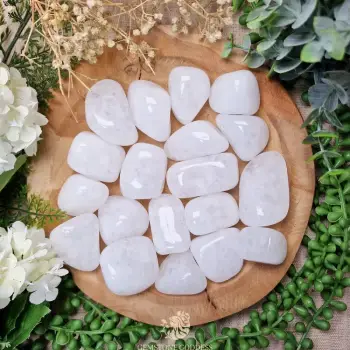
- Visual transparency and light interaction: Clear quartz lets light travel through unobstructed, and this creates sparkle and brilliance that catches the eye quickly.
Milky quartz scatters light instead, so it produces a gentle even glow that never feels sharp.
I notice this most when sunlight hits a piece on a windowsill because the clear version throws rainbows while the milky version softens the entire corner of the room.
- Internal structure and inclusions: Clear quartz aims for a near-perfect crystal lattice with minimal interruptions, which gives it that empty glass-like look.
Milky quartz is defined by those interruptions, and the tiny inclusions give every piece its own soft white texture.
Under a loupe the contrast becomes obvious because one looks almost empty while the other is filled with natural character.
- Metaphysical and energetic feel: I approach energy work as an observer rather than someone who follows absolute rules, yet the contrast stays consistent across many users.
Clear quartz feels bright and directed, so it supports focused attention. Milky quartz feels rounded and steady, and many people reach for it when they want to settle after a long day.
- Price and availability patterns: High-clarity clear quartz commands higher prices because perfect transparency is harder to source in larger sizes.
Milky quartz remains more accessible in substantial pieces, and that practical difference matters when you are furnishing a space or building a collection without overspending.
- Suitability for different applications: Clear quartz works well in optical instruments, precision jewelry, and any setting where transparency is the main goal.
Milky quartz shines in statement décor and everyday wear, and it creates pieces that feel approachable rather than formal.
Key Features Of Milky Quartz
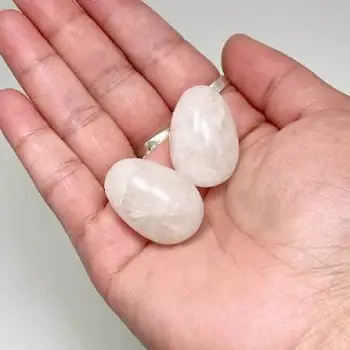
- Soft diffused white color: The color ranges from nearly opaque to gently translucent, and it never feels clinical.
It sits comfortably in both modern and rustic interiors because the soft tone blends rather than dominates.
- Same hardness rating as clear quartz: At Mohs 7 it resists everyday scratches, and it holds up well in rings and bracelets when given proper care.
You do not lose physical strength by choosing the cloudy version.
- Abundance of natural internal texture: Those inclusions create unique patterns in every specimen, so no two pieces look identical under close inspection.
Collectors who enjoy character often prefer this variety for that reason alone.
- Mild steady presence in intentional practices: Users often describe it as supportive rather than intense, and I find it useful when the goal is emotional steadiness instead of sharp clarity.
The softer feel lowers the barrier for beginners.
- Lower average cost for larger decorative pieces: You can place substantial milky quartz in a living room without the investment required for equivalent clear material, and this makes it practical for bigger statement objects.
Pros Of Milky Quartz
- Creates a calm visual presence: The soft white works well in high-traffic living spaces because it does not demand attention the way a sparkling clear point does. Guests notice it gradually, and the effect feels settled rather than dramatic.
- Feels approachable for beginners: The gentler character lowers the barrier for people who find intense stones overwhelming. Many new users start here and later expand their collection once they understand their own preferences.
- Offers unique internal landscapes: Every piece shows its own pattern of inclusions, and collectors who value character over perfection often prefer milky specimens for that reason. The variation keeps the material interesting over years of ownership.
- Maintains the same physical durability: You do not sacrifice strength when you choose the cloudy version, since both rate the same on the Mohs scale. Everyday wear remains practical for either type.
- Remains budget-friendly for statement sizes: Large spheres, freeforms, and clusters stay within reach for most households, and this accessibility makes it easier to place meaningful pieces without stretching the budget.
Cons Of Milky Quartz
- Lacks the sparkle and brilliance: If flash and light play are priorities, milky pieces can feel understated because the cloudiness softens rather than intensifies reflected light. Jewelry buyers who want high visual impact may look elsewhere.
- May appear less premium in formal settings: Some buyers still associate transparency with higher quality, and this perception can affect how the stone is received in more formal environments or resale situations.
- Limited use in applications requiring optical clarity: Scientific, technical, or high-end jewelry designs often specify clear material, so milky quartz is simply not suitable for those specialized needs.
- Can show more surface wear visibility: The soft white surface makes fine scratches slightly more noticeable than on clear crystal, although proper care still keeps the stone looking good for a long time.
Key Features Of Clear Quartz
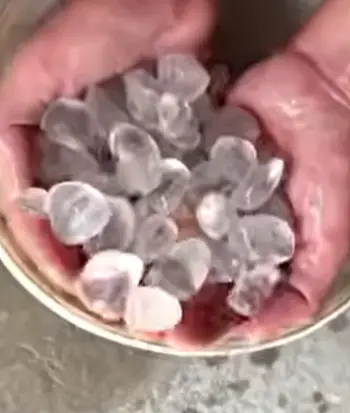
- Exceptional transparency that can approach optical quality: The best pieces look like frozen water, and light plus color move through them with almost no obstruction.
This quality makes the stone highly versatile across many settings.
- Strong reputation as an energy amplifier: In crystal communities it is treated as a neutral tool that intensifies whatever intention is set near it.
Practitioners who want to strengthen other stones often start here.
- High versatility across jewelry, décor, and technical uses: From fine pendants to crystal oscillators, clear quartz appears in more contexts than almost any other variety.
The same mineral serves both decorative and practical purposes.
- Clean modern aesthetic that pairs with minimalist design: The stone disappears into glass and metal settings while still catching the eye, and it ages well with changing trends.
Both minimalist and maximalist rooms can accommodate it without conflict.
- Potential for higher value in flawless specimens: Size and clarity together drive price more dramatically than in the milky variety, so carefully selected pieces can hold stronger resale interest over time.
Pros Of Clear Quartz
- Delivers maximum light transmission: A well-cut clear piece can transform the way light moves in a room or on the body, and the visual impact is immediate. This quality makes it a favorite for statement jewelry and focal décor.
- Functions as a reliable amplifier: Practitioners who want to strengthen other stones or focus mental energy often start here because the stone has a long-standing reputation for that role. The effect feels bright and directed.
- Commands respect in decorative and technical markets: The same mineral serves fine jewelry and precision instruments, so it carries value across very different fields. This dual usefulness supports long-term interest in quality pieces.
- Offers a clean timeless look: Minimalist and maximalist designs both accommodate clear quartz without conflict, and the aesthetic holds up as trends shift. The stone remains relevant across many interior styles.
- Provides higher potential return on carefully selected specimens: Flawless large pieces retain value better than most milky equivalents when size and clarity are both strong. Collectors who treat the stones as investments often favor this variety.
Cons Of Clear Quartz
- Higher price for quality material: Perfect clarity is not the most common occurrence in nature, and the market reflects that reality especially in larger sizes. Buyers must weigh the extra cost against their actual needs.
- Can feel energetically intense: People who are sensitive to strong stimulation sometimes prefer the softer milky alternative because the clear version feels brighter and more directed. Individual response varies widely.
- Shows inclusions and flaws more readily: Any internal mark becomes obvious against the transparent background, and this visibility can lower perceived value even when the stone remains structurally sound.
- Demands more careful placement in décor: Too many clear pieces in one space can create a cold or clinical atmosphere, so balance with softer textures or warmer tones often becomes necessary.
How The Stones Perform In Everyday Use?

I keep both types in regular rotation. A milky quartz freeform sits on my desk because the soft white softens the hard edges of screens and metal.
A clear quartz point lives near my workspace for moments when I need sharper focus. The difference is practical rather than mystical.
One supports a settled state, and the other supports directed attention.
In jewelry the contrast becomes even clearer. Milky quartz beads or cabochons create quiet wearable pieces that suit casual and professional settings equally.
Clear quartz facets catch light and draw comments. Neither is superior. They simply solve different problems.
For home décor the choice often comes down to the existing palette. Warm textured rooms welcome milky quartz.
Cool minimalist spaces benefit from the clean lines of clear material. I have seen both succeed and both fail depending on the surrounding elements.
The key is matching the stone to the atmosphere you already have rather than forcing a look that does not fit.
Practical Considerations For Buyers
Durability is equal. Both rate 7 on the Mohs scale and resist everyday abrasion. Care routines stay the same.
Use mild soap, lukewarm water, and a soft cloth. Avoid ultrasonic cleaners if the piece contains fractures or heavy inclusions, which is more common in milky material.
Size and shape matter more than variety for most users. A large milky sphere can dominate a shelf in a way a small clear point cannot.
Conversely, a precise clear generator serves focused work better than a bulky milky chunk. Think first about the space or the purpose, then choose the form that matches.
Authenticity is rarely an issue with either. Both are common enough that synthetic versions exist mainly for industrial use rather than the collector market. Still, I examine any new piece under good light and, when possible, a loupe. Natural milky quartz shows irregular cloudiness. Glass imitations tend to look too uniform and lack the soft internal variation.
Choosing According To Intention
If your goal is emotional steadiness or a quiet visual presence, milky quartz usually fits. If your goal is clarity, amplification, or striking light play, clear quartz tends to perform better.
I have watched people switch between the two as their needs change. There is no permanent ranking that applies to everyone.
Some collectors keep both and rotate them. That approach has worked well for me. The stones remain tools rather than trophies.
You can place one on the desk for focus and the other in the living room for calm, and both serve their roles without conflict.
Frequently Asked Questions (FAQ)
Milky quartz supports calm environments and gentle emotional balance. People use it in living spaces, everyday jewelry, and practices focused on steadiness rather than intensity.
Anyone who finds high-stimulation environments or strong energetic tools overwhelming may prefer to start with milky quartz instead. Sensitivity varies widely between individuals.
Yes. Quality pieces hold decorative and collector value, though prices generally sit below those of high-clarity clear quartz of similar size.
No. Milky quartz is relatively common. Exceptionally large or attractively patterned specimens are less frequent but still more available than perfect clear material.
Final Thoughts
I started this comparison because I wanted a clear answer for my own collection and for the questions I kept hearing from others.
After handling both stones across jewelry, décor, and intentional use, I see them as complementary rather than competing.
Milky quartz brings softness and accessibility. Clear quartz brings brilliance and focus. You can choose one, or you can keep both and let each serve the moments when it fits best.
The decision becomes easier once you handle them in person and notice which one actually feels right in your hand and in your space.
Meta description variations:
- Compare milky quartz and clear quartz side by side. Learn key differences, pros, cons, and which stone fits your needs for jewelry, décor, and daily use.
- Milky quartz vs clear quartz explained in plain language. Discover appearance, energy feel, price factors, and practical tips for choosing the right one.
- Not sure whether to buy milky or clear quartz? This detailed comparison covers features, strengths, drawbacks, and real-world performance of both.
- Get a straightforward look at milky quartz versus clear quartz. Find out which offers better value, calm presence, or sparkling clarity for your collection.
- Explore the real differences between milky quartz and clear quartz. Pros, cons, key features, and guidance to help you pick with confidence.
Title variations:
- Milky Quartz vs Clear Quartz: Which One Actually Fits Your Needs?
- Clear Quartz or Milky Quartz? A Practical Side-by-Side Comparison
- Choosing Between Milky and Clear Quartz: Features, Pros, and Real Differences
Recent Posts
Virtue Flourish Shampoo For Thinning Hair Reviews: Does It Really Work?
If you're dealing with thinning hair, a weak-looking hairline, or excessive shedding, finding the right shampoo can feel frustrating.In my opinion, Virtue Flourish Shampoo is worth considering if...
9 Elements Laundry Detergent Reviews: Is This Plant-Based Cleaner Worth Buying?
If you want a laundry detergent that cleans everyday clothes without relying on an overwhelming amount of ingredients or heavy fragrances, 9 Elements Laundry Detergent deserves your...