
I have spent more time than I care to admit fighting moisture problems in my home. Musty odors, occasional water spots on walls, and that uncomfortable sticky feeling in the air kept coming back no matter what I tried with smaller portable units.
That is why I finally sat down and compared Moiswell and Alorair dehumidifiers side by side. In this piece I walk you through everything I learned from research, real user feedback, and my own experiences so you can make a smart choice for your space.
My main goal here is to give you a clear, practical guide that highlights performance, everyday usability, and long-term value without hype.
By the end you will know which brand aligns better with your needs for better moisture control, mold prevention, and overall home comfort.
| Feature | Moiswell | Alorair |
| Capacity (PPD AHAM) | Up to 145 pints | 55-90 pints |
| Coverage Area | Up to 6,000 sq ft | 1,300-2,600 sq ft |
| Low Temp Performance | Good, with auto defrost | Excellent, down to ~34°F |
| Drainage | Pump + gravity, long hose | Pump on select models + gravity |
| Noise Level | Around 55-58 dB | 52-58 dB, can feel louder |
| Energy Star | Yes | Yes |
| Build & Warranty | Sturdy, newer brand, 5-year support | Durable coils, 5-year warranty |
| Price Range | More affordable | Premium |
| Best For | Large spaces on budget | Cold crawl spaces, reliability |
Key Differences Between The Moiswell And Alorair
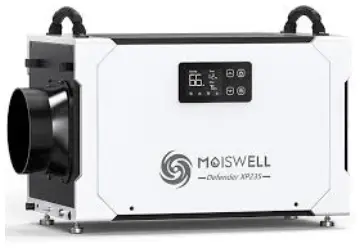
- Capacity and Coverage: Moiswell stands out when you need to handle larger volumes of air quickly.
Their higher pint ratings mean the unit can extract more water per day, which I found particularly useful in expansive basements where humidity creeps in from multiple sources like foundation walls or poor grading outside.
In contrast, Alorair models deliver steady, consistent performance that matches well with mid-sized crawl spaces or targeted zones.
You might not need the absolute maximum capacity if your problem area is more contained, and Alorair avoids overkill that could drive up energy costs unnecessarily.
- Low-Temperature Operation: Crawl spaces and unfinished basements often stay cooler, especially during shoulder seasons.
Alorair units keep operating effectively at lower temperatures thanks to robust defrost cycles and design choices that prevent coil freezing.
This reliability gave me confidence during winter months when other units might cycle off or struggle.
Moiswell performs adequately with its own auto defrost, but it shines brighter in milder or warmer damp conditions where raw extraction power matters most.
- Build Quality and Durability: Both brands use commercial-style construction, yet Alorair incorporates specialized corrosion-resistant materials on key components like evaporator coils.
That extra protection helps the unit withstand constant exposure to moist air over years without losing efficiency.
Moiswell feels solidly built and heavy-duty right out of the box, offering great initial strength, though some longer-term owners note the need to monitor seals and moving parts more closely as a newer brand.
- Ease of Drainage and Setup: Continuous operation is a must for me, and both deliver here. Moiswell often includes strong internal pumps and longer hoses that let you route condensate upward or over longer distances to a suitable drain.
This flexibility saved me from awkward positioning. Alorair provides similar options on pumped versions and pairs well with gravity setups when a floor drain is nearby.
Installation for both is straightforward with basic tools, but plan your hose routing and power access ahead of time.
- Noise and Energy Use: You will hear these units working, especially on higher fan speeds. Moiswell runs with a predictable hum that blends into background noise in utility areas.
Alorair can sometimes seem a bit more prominent under heavy load, though many users adapt quickly.
On the energy side, both carry Energy Star ratings that help control monthly bills, but actual consumption depends on runtime, ambient conditions, and how aggressively you set the humidistat.
I track mine with a simple plug meter to stay on top of costs.
Key Features Of Moiswell Dehumidifiers
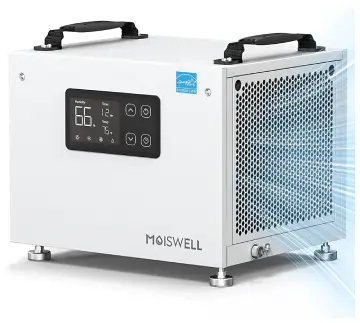
- High-capacity moisture removal: Units such as the Defender series can pull impressive amounts of water daily, making them effective at tackling stubborn humidity pockets fast.
I appreciated how quickly the relative humidity dropped in test runs, often showing visible progress on hygrometers within the first full day.
- Compact crawl-space design: The lower height profile allows these to slide into tighter joist spaces where taller residential models simply will not fit.
This design consideration opens up placement options that keep the unit out of the way while still circulating air effectively.
- Built-in pump and long drain hose: Automatic condensate removal takes the daily chore out of ownership.
The pump handles vertical lifts well, and the included hose length gives you routing flexibility around obstacles like beams or plumbing.
- Auto defrost and restart: These safety and convenience features ensure the unit keeps running smoothly through temperature fluctuations or brief power interruptions.
No need to reset manually every time something flickers.
- Digital controls and humidistat: The interface is intuitive with clear readouts for current humidity, target settings, and operating modes.
You can fine-tune to maintain that sweet spot around 45-55% without constant adjustments.
- Energy Star certification: This helps balance performance with reasonable electricity draw, important when the unit may run for weeks continuously during humid seasons.
- Portability options: Handles and wheels on certain models make initial positioning or seasonal repositioning manageable, even if the units are on the heavier side.
These elements combine to create a practical tool that focuses on results rather than extras.
Pros of Moiswell Dehumidifiers
- Excellent value for capacity: Moiswell units, like the Defender MP70 145-pint model, deliver impressive moisture removal at a price that undercuts many competitors, letting you tackle large basements or crawl spaces without spending a fortune.
In my case, I got commercial-level power for hundreds less than expected, which meant I could address my entire 2,000+ sq ft damp area effectively while staying within budget.
- Powerful built-in condensate pumps: Many models offer a strong pump with up to 16.5 feet of vertical lift, making continuous drainage straightforward even if your drain is uphill or far away.
This feature eliminated the daily bucket-emptying chore I hated with older units and kept the system running hands-free for weeks.
- Compact and crawl-space friendly design: The lower height profile allows these units to fit into tight spots between floor joists or low-clearance areas where bulkier dehumidifiers simply won’t go.
This practicality saved me from major installation headaches and made placement quick.
- Fast humidity reduction and air circulation: With strong airflow fans, Moiswell dehumidifiers quickly lower relative humidity, often showing visible results like reduced condensation on walls and pipes within days.
The improved air quality also cut down on musty odors, making the basement feel usable again for storage and family activities.
- Energy-conscious performance on many models: Several Moiswell options are Energy Star rated or efficient enough that running them seasonally doesn’t cause a huge spike in electricity bills.
I noticed reasonable power draw during heavy operation, balancing performance with cost savings over time.
- Straightforward controls and auto features: Digital panels are intuitive with auto-defrost, auto-restart after outages, and reliable humidistats that maintain your set level without constant fiddling.
This set-and-forget reliability is perfect for busy homeowners who don’t want another appliance demanding daily attention.
- Responsive customer support in many experiences: Users frequently report quick help with setup, troubleshooting, or warranty claims, which builds confidence, especially when stepping up to a higher-capacity unit for the first time.
Cons Of Moiswell Dehumidifiers
- Newer brand with some long-term reliability questions: Since Moiswell is relatively new to the market, there are understandable concerns about how units hold up beyond the initial warranty period, with occasional reports of parts availability becoming an issue years later.
I appreciate the performance now but wonder about support a decade down the road.
- Occasional component issues like refrigerant leaks: Some users, including in reviews of multiple units, have experienced slow leaks or pump failures after heavy continuous use, though many get resolved under warranty.
This highlights the importance of proper installation and monitoring in the first year.
- Heavier weight for larger models: At 60-90+ pounds, these commercial-style units can be challenging to maneuver into tight crawl spaces alone, requiring help or careful planning during initial setup and any future relocation.
- Extra cost for convenient accessories: Remote controls or advanced smart features often come at an additional price, meaning you might need to invest more to get the full convenience package compared to brands where they’re included standard.
- Noise levels on higher settings: While manageable in isolated basements, the fan and compressor can reach 55-57 dBA or more at top speed, which might disturb nearby living areas or light sleepers if the unit isn’t fully enclosed.
- Humidity sensor calibration needs: In varying temperature and humidity conditions, the built-in sensors sometimes read a bit off, requiring occasional manual adjustments or external hygrometers for precise control.
- Variable quality control reports: As with any growing brand, some units arrive with minor cosmetic or functional quirks, though overall build quality is solid for the price; thorough inspection upon delivery is recommended.
Key Features Of Alorair Dehumidifiers
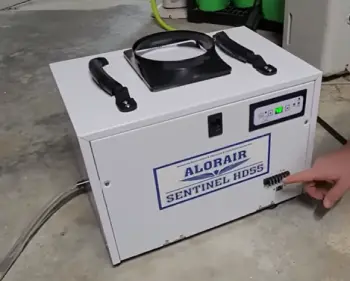
- Low-temp expertise: Designed to maintain performance in cooler environments common to crawl spaces and basements, with effective defrost systems that keep coils clear.
- Corrosion-resistant coils: Special materials extend component life by fighting rust and buildup that can degrade standard units over time.
- Compact and ductable options: Smaller footprints plus ducting potential allow integration into tighter or more complex layouts.
- Built-in pump on premium models: Supports true set-and-forget operation with reliable water removal to distant drains.
- Energy Star and efficient performance: Optimized for good moisture removal per kilowatt, helping manage operational costs.
- Remote humidistat compatibility: Gives you the ability to monitor and adjust settings from more convenient locations.
- Robust warranty and support: Longer coverage periods and dedicated service options provide reassurance for continuous-use scenarios.
Alorair focuses on engineering details that support longevity and specialized conditions.
Pros Of Alorair
- Strong reputation for durability in tough conditions: Alorair units, especially the Sentinel and Storm series, are built with corrosion-resistant components like rare earth alloy tubes, making them reliable performers in humid, demanding environments such as water-damaged restorations or chronically damp crawl spaces.
Many users report years of consistent service with fewer breakdowns than consumer-grade alternatives.
- Excellent energy efficiency: Most models carry Energy Star certification and deliver high moisture removal per kilowatt-hour, which keeps operating costs lower over long seasons of use.
This efficiency was noticeable in real-world testing where the unit maintained humidity without excessive power draw.
- Versatile installation and drainage options: With built-in pumps on many models (lifting 14-19+ feet), long hoses, ducting compatibility, and stackable designs, Alorair units adapt easily to different home layouts, floor drains, or even professional setups.
This flexibility made planning my drainage simple and future-proof.
- Effective low-temperature operation: Auto-defrost features and solid performance in cooler basements or crawl spaces (down to around 33°F) mean the unit keeps working when others might ice up or shut down, providing reliable year-round protection.
- User-friendly digital controls with smart options: Clear interfaces, memory restart, and available remote or app monitoring on select models allow precise humidity management from anywhere. The set-and-forget nature reduces daily involvement significantly.
- Proven performance in high-moisture scenarios: High airflow (often 130-350+ CFM) and capacities like 55-90 PPD AHAM quickly dry out spaces after floods or during humid summers, with users noting rapid drops in mustiness and mold risk.
- Generous warranty coverage: Many units come with 5-year warranties, offering better peace of mind for a bigger upfront investment and demonstrating confidence in build quality.
Cons Of Alorair
- Higher price point: Alorair’s premium positioning means you pay more for comparable or slightly lower raw capacity than some Moiswell models, which can feel steep if you’re budget-conscious and don’t need every advanced feature.
- Noticeable operating noise: Compressors and fans can produce 52-58 dBA or higher during heavy cycles, making them less ideal near bedrooms or finished living spaces without proper isolation.
- Mixed customer service experiences: While some praise quick responses, others report delays with warranty claims, parts, or technical support, especially during peak seasons, which can be frustrating if issues arise.
- Heavier and bulkier on larger models: Units often weigh 70+ pounds with rugged builds, requiring extra effort or assistance for installation and movement, particularly in confined crawl spaces.
- Potential for occasional pump or sensor issues over time: Like most dehumidifiers, some users encounter failures after 1-3 years of heavy use, though the robust design generally mitigates this better than cheaper options.
- May be overkill for smaller spaces: Higher-capacity models can run less efficiently or cost more than necessary if your damp area is modest, leading to unnecessary energy use or expense.
- Limited standard smart features: Not every model includes Wi-Fi or app control out of the box, requiring add-ons or choosing specific variants, which adds to the total cost for modern convenience.
Performance Comparison In Real Use
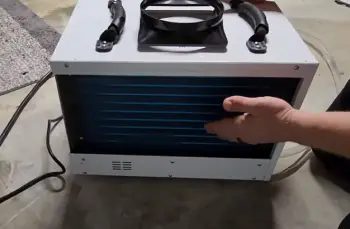
Thinking back to my own basement, Moiswell’s higher capacity models delivered satisfyingly fast results when I needed to dry out after a particularly humid stretch.
The unit pulled measurable water and brought readings down steadily, giving the space a fresher feel sooner.
Alorair, meanwhile, impressed me with its ability to hold stable humidity levels over extended periods without large swings, which is valuable for prevention rather than just correction.
In colder climates or unheated areas, the low-temp advantage became clear as Alorair continued working when conditions dropped.
Energy consumption stays reasonable for both thanks to modern components, but I recommend monitoring your first month to establish a baseline.
Noise is present but manageable in non-living spaces. Drainage setups worked reliably across both brands when properly installed, though Moiswell’s longer standard hoses offered a bit more flexibility in my layout.
Over multiple seasons, Alorair’s corrosion resistance may reduce maintenance frequency, while Moiswell provides strong initial performance that suits budget-conscious homeowners who plan periodic checks.
Installation, Maintenance, And Long-Term Ownership
Setting either unit up involves finding a level spot with good airflow, access to power, and a drainage path.
I always elevate slightly for safety and test the humidistat against a separate meter for accuracy. Routine maintenance includes cleaning the filter regularly, inspecting hoses for clogs, and wiping exterior surfaces. Both brands benefit from occasional coil checks to keep efficiency high.
In terms of cost over time, factor in purchase price, electricity, and potential repairs. Moiswell often wins on initial savings, allowing you to address larger areas sooner.
Alorair’s durability can lower replacement frequency. I weigh these against my specific humidity load, space size, and how much I value minimal future hassle.
Seasonal use varies too – heavier runtime in summer means planning for higher bills, but the comfort payoff is worth it.
Sizing Advice And Mold Prevention Benefits
Measure your space accurately and consider insulation, ventilation, and sources of moisture. Oversizing slightly helps handle spikes, while undersizing leads to constant running and frustration.
Proper dehumidification does more than remove water; it discourages mold growth, protects wooden structures, improves air quality, and reduces allergens.
I noticed fewer musty smells and better overall feel after consistent use. Pairing with basic ventilation and sealing improvements amplifies results dramatically.
You will find that choosing the right model transforms how you experience your lower level. Whether tackling occasional dampness or chronic issues, these units provide tools that deliver tangible home health benefits.
As someone who has lived with recurring moisture challenges, I can tell you the right dehumidifier makes daily life noticeably better.
You gain peace of mind knowing your investment protects your property and family comfort. Consider your priorities around capacity, temperature conditions, budget, and desired longevity, then match them to what each brand does best.
Both Moiswell and Alorair offer capable solutions, but the perfect fit depends on your unique situation. I hope this detailed breakdown helps you move forward confidently toward a drier home.
Frequently Asked Questions (FAQ)
Yes, Moiswell offers strong value and performance for high-capacity needs, especially for basements and crawl spaces, though it is a newer player.
Absolutely – they are well-regarded for durability, low-temp operation, and reliability in tough environments.
Alorair often edges out for established longevity and warranty support, but both are solid; check specific models and user feedback for your use case.
Moiswell earns positive mentions for value and capacity in various reviews, performing well against expectations in real-world tests.
Wrapping Up
I’m glad I researched Moiswell versus Alorair instead of settling for another short-lived unit.
You deserve a dry, healthy home—pick based on your space size, budget, and priorities, and you’ll breathe easier.
What’s your biggest humidity headache? Share in the comments if you’ve tried either—I’m always learning from fellow homeowners.
Recent Posts
I tried Meltoway Hair Dissolving Cream because I wanted a quick way to deal with unwanted body hair without reaching for a razor every few days. If you are looking for a convenient at-home...
If you’re considering a saffron-based supplement to support mood, appetite control, and everyday wellness, Happy Saffron Plus is worth considering.I like that it takes a familiar botanical...