
If your car’s exterior plastic has turned gray, chalky, or faded, I think Mother’s Back-to-Black Trim Restorer is worth considering before you spend money replacing the trim.
I like it as a simple, affordable option for restoring the appearance of faded black plastic, vinyl, and rubber surfaces.
You should buy it if your main goal is improving the look of weathered trim without complicated tools or professional detailing.
However, if your trim is severely damaged or you want extremely long-lasting restoration, you may need something more durable.
My First Experience With Mother’s Back To Black Trim Plastic Restorer
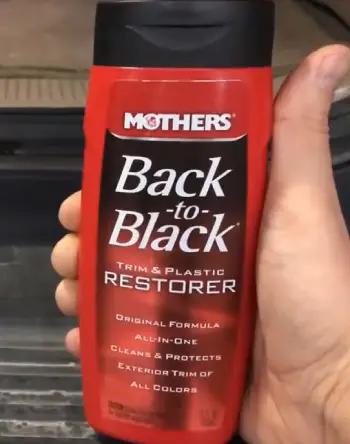
The first thing I noticed about a product like Mother’s Back-to-Black is how straightforward the idea is. Exterior trim can make an otherwise clean vehicle look old surprisingly quickly.
You can wash, wax, and polish your car all day, but faded door moldings, mirror housings, bumper trim, and plastic panels can still make it look neglected.
That is exactly where I see the appeal of Back-to-Black.
Instead of treating the product like a permanent repair, I look at it as a trim appearance restorer. The goal is simple: make faded black surfaces look darker, cleaner, and more refreshed.
When I apply a trim restorer, I first wash the vehicle thoroughly because dirt, road film, dust, and old dressing can interfere with the finish.
I let the surface dry and then work with a small amount of product rather than flooding the plastic. That approach gives me much better control.
The visual difference can be noticeable, particularly on moderately faded black trim. Surfaces that have developed that unattractive gray or washed-out appearance can look considerably darker after treatment.
What I appreciate most is the simplicity. I don’t need specialized equipment, polishing machines, or complicated preparation. For a weekend car-care project, that matters.
However, I wouldn’t expect miracles. If plastic has been badly oxidized for years, has developed cracks, or has suffered permanent UV damage, a dressing or restorer can’t magically make the material new again. It can improve the appearance, but there is a difference between cosmetic restoration and actual material repair.
I also pay attention to excess product. If I apply too much, I can end up with an overly shiny or uneven surface, particularly around textured plastic. A controlled application followed by wiping away excess gives a much cleaner result.
Another thing I consider is durability. Back-to-Black can restore the darker appearance, but the finish isn’t something I would assume will remain unchanged for months regardless of weather. Sun exposure, rain, washing, and repeated contact all affect longevity.
Overall, I see Mother’s Back-to-Black as a practical cosmetic treatment rather than a permanent restoration system. For someone who wants an inexpensive way to freshen up tired-looking exterior trim, that’s a reasonable proposition.
What Is Mother’s Back To Black Plastic Restorer?
Mother’s Back-to-Black is designed to improve the appearance of faded exterior automotive surfaces, particularly black plastic, vinyl, and rubber trim.
Over time, UV exposure and environmental contamination can cause black trim to lose its original appearance. Instead of looking deep black, it starts looking gray, dull, or dusty even after washing.
A trim restorer works by enhancing the surface appearance and helping the material look darker and more conditioned.
That’s why I wouldn’t compare it directly with a conventional car wax. Wax is generally associated with painted surfaces, while a product such as Back-to-Black is aimed at unpainted trim and similar materials.
Common areas where you might consider using a trim restorer include:
- Exterior plastic trim
- Black bumper sections
- Door moldings
- Mirror housings
- Plastic grille components
- Rubber trim
- Vinyl exterior surfaces
The exact suitability depends on the particular surface, so I always recommend testing a small inconspicuous area first.
Pros Of Mother’s Back To Black Trim Restorer
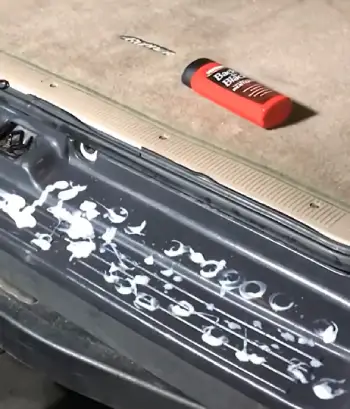
- It Can Dramatically Improve Faded Appearance
The biggest advantage is obvious: appearance.
If your black trim has simply lost its dark appearance, a restorer can make a noticeable difference. The darker finish can make the entire vehicle appear cleaner and better maintained.
I particularly like this effect on older cars because exterior trim can make an otherwise decent vehicle look much older than it actually is.
- Simple Application
Another major positive is convenience.
You don’t need a machine polisher or complicated detailing setup. For most basic applications, you can work by hand.
That makes the product approachable for someone who isn’t a professional detailer.
If you’re new to automotive detailing, that’s important. You want a product that doesn’t turn a simple trim treatment into an afternoon-long project.
- Useful for Multiple Exterior Surfaces
One reason I consider Back-to-Black versatile is that it can be used on different types of black exterior materials.
Instead of buying a separate product for every small plastic component, one trim restorer can potentially handle several areas around your vehicle.
That makes it useful for routine exterior detailing.
- Helps Older Cars Look Fresher
I think this is where the product makes the most sense.
If your vehicle is several years old, faded plastic can become one of the most obvious signs of age. Refreshing that trim can make the vehicle look better without requiring expensive bodywork.
You might be surprised by how much visual improvement comes from something as simple as restoring black trim.
- Affordable Alternative to Replacement
Replacing faded exterior trim can become expensive, particularly if multiple pieces are involved.
A restoration product gives you an inexpensive option to improve the appearance before considering replacement.
Of course, badly cracked or structurally damaged trim may still need replacement. But for cosmetic fading, I think trying a restorer first is sensible.
- Convenient for DIY Detailing
I like products that let me handle routine maintenance myself.
If you already wash your vehicle at home, adding a trim restoration step isn’t difficult. You can work section by section and concentrate on the areas that need the most attention.
That makes Back-to-Black a practical addition to a home detailing routine.
- Can Improve Overall Vehicle Presentation
Here’s something I think people underestimate: trim condition affects the whole vehicle.
Fresh-looking black trim can create a sharper contrast against the paint. Even if the paint isn’t professionally polished, restored trim can make the vehicle look more cared for.
For someone preparing a vehicle for sale, this cosmetic improvement may also be worthwhile.
Cons Of Mother’s Back To Black Trim Restorer
- Results Depend on the Condition of the Plastic
This is probably the biggest limitation.
If the trim is lightly or moderately faded, you have a better chance of getting an attractive improvement.
If the plastic is severely oxidized, brittle, cracked, or permanently damaged, the result may be much less impressive.
I wouldn’t expect any surface dressing to reverse physical deterioration.
- Durability Can Vary
The restored appearance doesn’t necessarily remain identical forever.
Exterior trim experiences constant exposure to sunlight and weather. Frequent washing can also gradually reduce the effect.
You may need to reapply the product periodically depending on your climate and vehicle use.
- Too Much Product Can Look Uneven
More isn’t necessarily better.
If you apply excessive product, you may get streaking, an unnecessarily glossy appearance, or residue around textured surfaces.
I prefer using a small amount and adding more only where necessary.
- It Isn’t a Permanent Repair
This is worth emphasizing. Mother’s Back-to-Black is primarily about appearance.
isn’t going to repair broken plastic, restore missing material, or permanently reverse deep UV degradation.
Anyone expecting a permanent factory-new restoration could be disappointed.
- Preparation Matters
If you apply the product over dirty plastic, you aren’t giving it a clean surface to work with.
Dust and grime can create uneven results. That’s why I consider washing and drying the trim an important part of the process rather than an optional extra.
Maintenance Tips For Mother’s Back To Black Trim Plastic Restorer
- Clean the Trim Before Application
I always consider cleaning the most important first step.
Wash away dirt and road grime and make sure the surface is dry. If the trim has stubborn contamination, clean it appropriately before applying a restorer.
A clean surface generally gives you better control over the finished appearance.
- Use a Small Amount
Start conservatively. Apply a modest amount to an applicator rather than pouring a large quantity directly onto the vehicle.
Work it into the trim evenly. If an area still looks faded, you can add another small amount.
This approach helps prevent excessive buildup.
- Work in Small Sections
I prefer treating one section at a time. For example, you can work on one bumper section, inspect it, and then move to the next area.
This makes it easier to notice streaks or uneven coverage before the product spreads everywhere.
- Wipe Away Excess
After application, inspect the surface carefully. If you see excess residue, use a clean microfiber towel to remove it.
This is especially useful around textured plastic, seams, badges, and panel edges where product can accumulate.
- Avoid Getting It on Glass
When working around windows and mirrors, I try to keep the product precisely where it belongs.
If residue gets onto glass, remove it promptly rather than allowing it to sit and spread.
Good application technique is often more important than simply using more product.
- Protect Treated Trim From Unnecessary Contamination
Once you’ve restored the trim, don’t immediately cover it with dust, mud, or road grime if you can avoid it.
Giving the treatment time to settle according to the product directions is a sensible part of the process.
- Wash Gently
Regular washing is important, but aggressive cleaning can shorten the life of cosmetic treatments.
I prefer using appropriate automotive washing products and avoiding unnecessary harsh scrubbing on treated trim.
- Reapply When the Appearance Fades
There’s no reason to wait until the trim becomes extremely gray again.
When you notice the finish gradually losing its restored appearance, another application may help maintain the look.
I view trim restoration as part of ongoing vehicle care rather than a one-time permanent repair.
- Store the Product Properly
After using the product, close the container securely and store it according to the manufacturer’s instructions.
Keeping the container clean and sealed also makes future applications easier.
Comparison Of Mother’s Back To Black With Other Brands
- Mother’s Back to Black vs Meguiar’s Ultimate Black
When I compare Mother’s Back-to-Black with Meguiar’s Ultimate Black, I see two products aimed at a very similar problem: restoring the appearance of faded exterior plastic and trim.
Meguiar’s Ultimate Black has a strong reputation among DIY detailers and is often considered when someone wants a dedicated trim-restoration product.
Mother’s has an advantage in simplicity and familiarity. If you’re already comfortable with Mother’s detailing products, Back-to-Black fits naturally into that routine.
Meguiar’s can be appealing if your priority is a dedicated trim treatment with a finish you specifically prefer.
Ultimately, I wouldn’t declare one universally superior. The condition of your plastic, desired finish, application technique, climate, and expectations all matter.
- Mother’s Back to Black vs Chemical Guys Trim Restorer
Chemical Guys offers several products aimed at exterior detailing and plastic restoration.
Compared with Mother’s, the biggest difference for me is the overall product ecosystem and the type of finish you prefer.
If you enjoy experimenting with detailing products and want different dressing options, Chemical Guys gives you plenty of choices.
Mother’s Back-to-Black is more straightforward for someone who simply wants to address faded black trim without turning the job into a complicated detailing session.
- Mother’s Back to Black vs Meguiar’s Black Plastic Restorer
Meguiar’s products often appeal to people who want a more specialized automotive detailing solution.
When I compare the two, I focus less on the brand name and more on the actual condition of the trim.
For moderately faded surfaces, either type of dedicated trim restorer can potentially produce a noticeable cosmetic improvement. For severely deteriorated plastic, neither should automatically be treated as a permanent fix.
Your preferred finish is also important. Some drivers want a natural black appearance, while others prefer more visual gloss.
- Mother’s Back to Black vs Professional Trim Restoration
A professional detailer has access to more specialized products, tools, and restoration techniques.
That can produce more sophisticated results, particularly when trim has significant oxidation or deterioration.
But professional service costs considerably more.
For everyday faded trim, I think a DIY product such as Back-to-Black makes sense if you’re comfortable doing the work yourself.
If the vehicle is valuable, the trim is heavily damaged, or you’re preparing a car for a major sale, professional restoration may be worth considering.
Is Mother’s Back To Black Worth It?
For the right situation, I think it is. If you’re staring at gray exterior plastic and thinking the only solution is replacement, I’d try a dedicated trim restorer first.
The strongest case for Mother’s Back-to-Black is convenience. You can address multiple faded areas without specialized equipment, and the cosmetic improvement can be significant.
But expectations matter. I wouldn’t buy it believing it will permanently restore severely damaged plastic to factory condition.
That’s simply not what a cosmetic trim restorer should be expected to do.
Instead, I see it as a practical maintenance product that can help keep an older vehicle looking fresher.
Who Should Buy Mother’s Back to Black?
I think this product makes the most sense for several types of vehicle owners.
If you have an older car with faded black exterior trim, it’s worth considering.
If you’re preparing your vehicle for sale and want an inexpensive cosmetic improvement, it can also make sense.
It’s useful for DIY detailers who prefer handling their own maintenance instead of paying for professional services.
And if your trim is only moderately faded rather than physically damaged, you are more likely to appreciate the results.
On the other hand, if the plastic is cracked, peeling, severely brittle, or structurally damaged, I’d spend my money on actual repair or replacement rather than expecting a restorer to solve the underlying problem.
Frequently Asked Questions (FAQ)
Yes, it can noticeably improve the appearance of faded black plastic, vinyl, and rubber trim.
Both can work well; the better choice depends on the finish, trim condition, and durability you prefer.
Yes, it’s a convenient option for refreshing faded exterior automotive trim.
Durability varies with weather, sunlight, washing frequency, and the condition of the trim.
Wrapping Up
If your vehicle’s black trim has gone gray and dull, I think Mother’s Back-to-Black is a sensible product to try before spending considerably more on replacement or professional restoration.
You should buy it if you want an easy DIY solution that can noticeably improve faded plastic and trim. Just keep your expectations realistic: it’s a cosmetic restorer, not a permanent repair.
For routine vehicle detailing and refreshing moderately faded trim, I think it offers a useful balance of simplicity, affordability, and visual improvement.
Recent Posts
I tried Meltoway Hair Dissolving Cream because I wanted a quick way to deal with unwanted body hair without reaching for a razor every few days. If you are looking for a convenient at-home...
If you’re considering a saffron-based supplement to support mood, appetite control, and everyday wellness, Happy Saffron Plus is worth considering.I like that it takes a familiar botanical...