
If you want brighter, more even-looking skin, Obagi Vitamin C Arbutin may catch your attention. However, I wouldn’t automatically recommend buying it without considering its price, ingredients, skin compatibility, and alternatives.
Although the combination of vitamin C and alpha arbutin sounds promising, the results may not justify the investment for everyone.
In this review, I’ll examine its potential benefits, drawbacks, application tips, and competing brands to help you decide whether it’s worth purchasing.
My First Experience With Obagi Vitamin C Arbutin
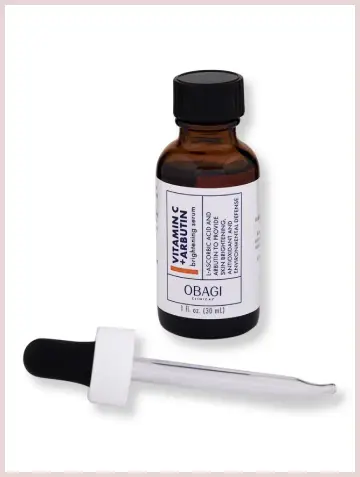
When I evaluate a brightening serum like Obagi Vitamin C Arbutin, I look beyond attractive packaging and impressive ingredient claims.
What matters most is whether the formula offers meaningful benefits, feels comfortable on the skin, and provides enough value to justify its price.
Obagi is a recognizable name in professional skincare, particularly among people interested in addressing uneven skin tone, dark spots, and visible signs of aging.
Its vitamin C products have attracted attention because vitamin C is a well-established antioxidant ingredient. Alpha arbutin is another popular skincare ingredient, commonly included in formulas designed to improve the appearance of discoloration.
At first glance, combining these ingredients seems sensible. Vitamin C helps protect the skin against oxidative stress, while alpha arbutin works on processes associated with excess melanin production. Together, they may support a more consistent-looking complexion.
However, I wouldn’t confuse an interesting ingredient combination with guaranteed results.
One of my biggest considerations is how well a serum performs across different skin types. Someone with oily skin may appreciate a lightweight brightening formula, while someone with dry or sensitive skin might experience tightness, irritation, or discomfort depending on the formulation.
I also consider the overall experience of incorporating a product into a daily routine. A serum shouldn’t become another complicated step that makes skincare unnecessarily expensive. Ideally, it should complement your cleanser, moisturizer, and sunscreen without creating additional problems.
Another consideration is the price. Obagi products generally occupy a higher-priced segment of the skincare market. That means I expect more than an appealing ingredient list. I want consistent quality, comfortable application, clear formulation information, and a reasonable balance between cost and performance.
Unfortunately, the concerns surrounding customer satisfaction and negative shopping experiences make me hesitant to recommend this product without qualification. Disappointing reviews can reflect different issues, including individual skin reactions, packaging problems, expectations, or dissatisfaction with the price.
I would pay particular attention to repeated complaints rather than treating every negative review as proof that a product is ineffective.
Overall, my impression is that Obagi Vitamin C Arbutin has an interesting skincare concept, but I wouldn’t consider it an automatic purchase. If you’re primarily interested in affordable, straightforward brightening skincare, comparing alternatives before spending your money makes more sense.
Pros Of Obagi Vitamin C Arbutin
- Combines Two Popular Brightening Ingredients
One of the most noticeable advantages is the combination of vitamin C and alpha arbutin.
Instead of purchasing separate products containing these ingredients, a combination formula may simplify your skincare routine.
This can be useful if you prefer fewer application steps. You don’t necessarily want to layer several different serums every morning, particularly when you’re already using moisturizer, sunscreen, and other skincare products.
The ingredients also have complementary purposes. Vitamin C provides antioxidant benefits, while alpha arbutin is included to address the appearance of uneven pigmentation.
However, I would still examine the actual ingredient concentrations and formulation details before deciding whether the combination offers sufficient value.
- May Help Improve the Appearance of Dull Skin
Dullness is a common concern, especially when your skin looks tired or lacks its usual brightness.
Vitamin C is frequently used in skincare products designed to improve the appearance of dull complexions.
With an appropriate formula and consistent application, vitamin C may help your skin look more radiant.
I particularly appreciate that brightening skincare doesn’t always need to involve aggressive exfoliation. An antioxidant-based serum can provide another approach for people who want to improve their complexion gradually.
Nevertheless, the results shouldn’t be exaggerated. A brightening serum won’t automatically transform your natural skin tone or eliminate every discoloration.
- Supports a Routine Targeting Dark Spots
Dark spots can develop for several reasons, including sun exposure, acne-related inflammation, hormonal changes, and aging.
Alpha arbutin is attractive because it targets a biological process involved in melanin production.
For people concerned about post-acne marks or uneven pigmentation, an ingredient like this may be worth considering.
I also like the idea of combining pigmentation-focused ingredients with daily sunscreen. Protecting your skin from ultraviolet exposure is essential when you’re trying to prevent existing discoloration from becoming more noticeable.
- Offers Antioxidant Benefits
Environmental stressors can affect your skin over time.
Vitamin C provides antioxidant protection, making it a useful ingredient in morning skincare routines.
I consider this an important advantage because skincare shouldn’t focus exclusively on visible imperfections. Maintaining the skin’s overall appearance and protecting it from environmental damage also matter.
However, vitamin C serum doesn’t replace sunscreen. You still need broad-spectrum SPF 30 or higher during the daytime.
- May Fit Into a Simple Skincare Routine
If the formula is compatible with your skin, using a combination serum could reduce the number of individual products you need.
For example, you may be able to use one serum instead of purchasing separate vitamin C and alpha arbutin products.
This can make your routine easier to organize.
However, simplicity is only an advantage when the product performs comfortably and doesn’t cause unnecessary irritation.
Cons Of Obagi Vitamin C Arbutin
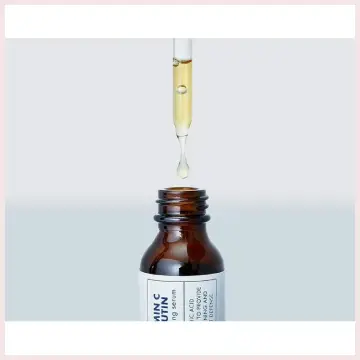
- The Price May Not Justify the Results
One of my biggest concerns is affordability.
Obagi is positioned as a premium skincare brand, and its products can require a noticeable investment.
That wouldn’t necessarily be a problem if the performance consistently justified the cost.
However, consumers have plenty of alternatives containing vitamin C, alpha arbutin, or similar brightening ingredients.
If you’re working with a limited skincare budget, spending more doesn’t automatically mean you’ll receive better results.
I would rather choose a well-formulated, affordable product that suits my skin than spend extra money simply because a brand has a professional reputation.
- Customer Reviews Can Be Disappointing
Customer feedback is particularly important when evaluating an expensive skincare product.
Negative reviews across shopping platforms can raise questions about overall satisfaction, packaging, individual experiences, and perceived value.
Some customers may be disappointed because they expected faster improvements in dark spots. Others may experience irritation or find that the formula doesn’t suit their skin.
It’s important to recognize that skincare results vary considerably.
Still, when I see repeated complaints about a product, I don’t ignore them. I would examine the nature of those complaints and compare them with positive experiences before purchasing.
For a premium serum, I expect a satisfactory overall experience rather than relying entirely on brand reputation.
- Vitamin C Can Irritate Sensitive Skin
Vitamin C is beneficial for many people, but it isn’t universally comfortable.
Depending on its form, concentration, and formulation, vitamin C may cause temporary stinging, redness, dryness, or irritation.
If you already have sensitive skin or a compromised skin barrier, introducing a new vitamin C product requires caution.
I wouldn’t recommend immediately applying a new serum every morning and evening.
Start with a patch test and gradually introduce the product if your skin tolerates it.
- Results Require Consistency
If you’re expecting dark spots to disappear within a few days, you may become disappointed.
Brightening skincare generally requires consistent use over several weeks or longer.
The timeline depends on the type of pigmentation, its depth, your skin’s response, and whether you’re protecting your skin from sunlight.
Even a promising formula cannot guarantee dramatic results.
- The Formula May Not Suit Everyone
Your skin type matters.
Oily, dry, combination, and sensitive skin can respond differently to the same product.
A formula that feels comfortable on one person’s skin may feel irritating or insufficiently moisturizing to another.
I would also consider other products in your routine. Using multiple active ingredients simultaneously may increase the likelihood of irritation.
- It Cannot Replace Sunscreen
This is an important limitation.
Although vitamin C offers antioxidant benefits, it doesn’t provide adequate protection against ultraviolet radiation.
If you are targeting dark spots, skipping sunscreen can undermine your progress.
You need a separate broad-spectrum sunscreen with SPF 30 or higher.
Maintenance Tips For Obagi Vitamin C Arbutin
- Start With a Clean Face
Always begin with a clean face.
Use a gentle cleanser to remove excess oil, sweat, dirt, and leftover skincare products.
I prefer avoiding harsh cleansers because they can leave the skin feeling tight or uncomfortable.
After cleansing, gently pat your face dry with a clean towel.
You don’t need to scrub aggressively. Your goal is simply to prepare your skin for the next step.
- Perform a Patch Test
Before applying a new serum across your entire face, test a small amount on an inconspicuous area.
Follow the product’s instructions and observe your skin for irritation.
Look for redness, itching, burning, swelling, or unusual discomfort.
If you experience a reaction, discontinue use rather than trying to force your skin to tolerate the formula.
People with sensitive skin or a history of allergic reactions should be particularly cautious.
- Introduce the Serum Gradually
I wouldn’t immediately add a new active ingredient to your routine every day.
Begin with a lower frequency, such as two or three applications per week, provided the product instructions allow it.
If your skin tolerates the serum comfortably, you can gradually increase frequency.
There is no advantage to irritating your skin by using too much product too quickly.
Consistency and tolerance are more important than aggressive application.
- Apply an Appropriate Amount
Using excessive serum doesn’t necessarily improve results.
Follow the manufacturer’s recommended amount and application instructions.
Spread the product gently over the areas you want to address.
Avoid direct contact with your eyes, lips, and irritated skin unless the product specifically indicates otherwise.
I also recommend washing your hands after application.
- Follow With a Moisturizer
Moisturizer helps support the skin barrier and reduce moisture loss.
If your skin feels dry after using an active serum, a suitable moisturizer can make your routine more comfortable.
For oily skin, choose a lightweight, non-comedogenic moisturizer.
For dry skin, look for moisturizing ingredients such as glycerin, ceramides, and hyaluronic acid.
You don’t need an unnecessarily complicated moisturizer. Choose one that suits your skin.
- Never Skip Sunscreen
This is probably the most important maintenance tip.
Use broad-spectrum sunscreen with SPF 30 or higher every morning.
Apply enough to cover your face, neck, and other exposed areas.
Reapply approximately every two hours when outdoors, and more frequently when swimming or sweating according to the sunscreen instructions.
Sun exposure can worsen pigmentation, making it harder to achieve a more even-looking complexion.
Remember that vitamin C serum and sunscreen serve different purposes.
Comparison Of Obagi Vitamin C Arbutin With Other Skincare Brands
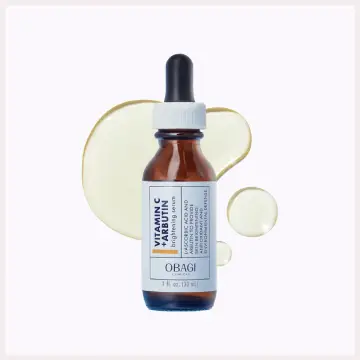
- Obagi vs. The Ordinary Alpha Arbutin
Its straightforward ingredient positioning may appeal to consumers who prefer targeted skincare without paying for a premium brand name.
Obagi’s appeal comes from its professional skincare positioning and combination-ingredient approach.
However, if your main concern is affordability, The Ordinary deserves consideration.
I would choose based on your ingredient priorities, skin compatibility, and budget rather than assuming that the more expensive option will automatically deliver better results.
- Obagi vs. La Roche-Posay Vitamin C Serum
The brand is particularly popular among consumers looking for dermatologist-associated skincare and everyday formulations.
Obagi occupies a more premium professional-skincare position.
I would compare the specific vitamin C form, supporting ingredients, fragrance, packaging, and suitability for sensitive skin before deciding.
If you’re trying to control spending, La Roche-Posay may be worth investigating.
- Obagi vs. TruSkin Vitamin C Serum
<escape>TruSkin Vitamin C Serum</escape> is another option frequently considered by shoppers looking for affordable brightening skincare.
Its appeal is largely its accessible price positioning and combination of skincare ingredients.
Obagi may attract people who prefer premium skincare brands, but that doesn’t automatically make it the better purchase.
I would compare ingredient transparency, packaging quality, product freshness, and your individual skin response.
For budget-conscious consumers, TruSkin may be an alternative worth researching.
- Obagi vs. Paula’s Choice
<escape>Paula’s Choice</escape> offers several targeted skincare formulas addressing concerns such as discoloration, uneven texture, and visible aging.
Its product range gives consumers different options depending on their primary skincare goals.
Obagi’s vitamin C and arbutin approach may appeal if you specifically want those ingredients together.
However, Paula’s Choice could be more suitable if you’re interested in exploring different brightening ingredients and targeted treatments.
The best option depends on the exact product formulation rather than the overall brand name.
Who Should Consider Obagi Vitamin C Arbutin?
I would divide potential buyers into a few groups.
People with uneven-looking skin tone may find the ingredient combination interesting because vitamin C and alpha arbutin serve complementary skincare purposes.
Those concerned about post-acne marks may also want to investigate alpha arbutin-based products, particularly when their skin is no longer actively inflamed.
People interested in antioxidant skincare may appreciate the inclusion of vitamin C.
However, I would be more cautious if you have highly sensitive skin, an irritated skin barrier, or a history of reacting to active skincare ingredients.
Budget-conscious shoppers should also compare alternatives before making a purchase.
If you’re expecting a serum to eliminate deep pigmentation or replace professional dermatological treatment, this product may not meet your expectations.
For persistent melasma, significant discoloration, or unexplained dark patches, professional assessment is a better starting point.
Is Obagi Vitamin C Arbutin Worth Buying?
My assessment is that the ingredient combination has potential, but the product isn’t an automatic recommendation.
The combination of vitamin C and alpha arbutin makes sense for people interested in antioxidant protection and improving the appearance of uneven pigmentation.
However, several factors make me hesitant.
The premium price, varying customer experiences, possible irritation, and availability of more affordable alternatives all deserve consideration.
I also wouldn’t purchase it simply because Obagi is a recognizable professional skincare brand.
Instead, I would examine the actual formulation and compare it with other products offering similar ingredients.
If you’re comfortable spending more and the formula suits your skin, it may be worth investigating. But if you want dependable value, I would explore other options before committing to this serum.
Frequently Asked Questions (FAQ)
It depends on your budget, skin concerns, and tolerance. Obagi offers premium skincare positioning, but affordable vitamin C alternatives may provide better value for some consumers.
Yes. They target different processes associated with uneven pigmentation. Vitamin C provides antioxidant benefits, while alpha arbutin helps reduce melanin production.
Neither is automatically better. SkinCeuticals C E Ferulic focuses on antioxidant protection, while your choice of Obagi product should depend on its specific formulation and your skincare goals.
Some dermatologists recommend selected Obagi products depending on a patient’s skin concerns. However, recommendations vary according to individual needs and product formulations.
Final Verdict
I wouldn’t recommend rushing into purchasing Obagi Vitamin C Arbutin.
Although vitamin C and alpha arbutin are promising skincare ingredients, the premium price, mixed customer experiences, and availability of more affordable alternatives make me cautious.
If you’re interested in brightening skincare, compare the formulation carefully and prioritize products that suit your skin and budget.
You deserve a product that offers genuine value rather than paying extra for brand recognition alone.
Recent Posts
If you want a stylish handbag that combines feminine designs, practical storage, and an affordable fashion appeal, Nanette Lepore handbags are worth considering. I find the brand...
If you're looking for a convenient way to add sea moss to your daily wellness routine, Herbal Vineyards Sea Moss may be worth considering. I like the idea of a supplement that offers...