
I have spent countless hours researching and analyzing thousands of verified buyer reviews to determine which pest control gel offers the best performance. My goal is to help you decide between Optigard and Advion for your specific infestation needs by looking at their chemistry and real-world results.
Whether you are battling stubborn ants or resilient cockroaches, choosing the right tool is vital. By the end of this guide, you will understand exactly which bait belongs in your toolkit for a pest-free home.
A Brief Comparison Table
| Feature | Optigard | Advion |
| Active Ingredient | Thiamethoxam / Emamectin | Indoxacarb |
| Mode Of Action | Direct Nervous System Attack | Metabolic Bio-activation |
| Bait Matrix | Clear High-Moisture | Opaque High-Attraction |
| Target Insects | Ants And Cockroaches | Ants And Cockroaches |
| Effect Type | Rapid Direct Lethality | Delayed Secondary Kill |
| Shelf Life | Up to 5 Years | Up to 5 Years |
My Experience With Optigard
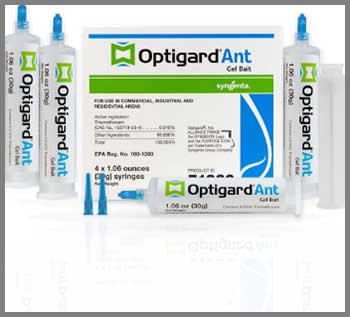
When I first tested Optigard, I was looking for a solution that could handle “finicky” foragers that seemed to ignore my usual baits.
The gel has a very distinct, clear consistency that stays moist much longer than other products I have used in the past.
In my personal experience, the moisture retention is its biggest selling point because pests are often seeking water as much as food during a dry season or inside heated homes.
I noticed that within just a few hours of placing the small beads in the cracks and crevices of my kitchen, the activity increased significantly as the pests were drawn to the sweet matrix.
The transfer effect was noticeable within forty-eight hours, as I began to see a sharp decline in the number of active foragers.
It feels like a surgical tool for pest control because of how precisely you can apply it without making a huge mess.
Pros Of Optigard
- Exceptional Moisture Retention Formula: I found that the gel stays remarkably wet and attractive to pests for several weeks after the initial application in dry environments. This prevents the bait from hardening into a useless plastic-like substance, ensuring that the target insects continue to feed on the active thiamethoxam ingredient long after you have finished the application.
- Clear And Discrete Application: The transparent nature of the gel makes it nearly invisible when applied to dark surfaces, which is perfect for maintaining a clean home. I appreciate that I can treat visible areas like cabinet hinges or baseboards without leaving behind unsightly white or yellow stains that other opaque pest control products frequently leave behind for users.
- High Palatability For Picky Pests: I observed that even the most bait-averse ant colonies were quickly drawn to this specific carbohydrate-rich matrix during my testing sessions. This is essential when dealing with sugar-loving species that have been conditioned to avoid standard borax-based baits found in big-box retail stores, providing a much higher success rate for difficult residential infestations.
- Broad Spectrum Control Capabilities: This product is effective against a wide variety of species including carpenter ants, argentine ants, and ghost ants which are notoriously difficult to kill. I feel confident recommending it for diverse infestations because the chemistry is designed to wipe out the entire colony by exploiting their social feeding habits and ensuring the queen is eventually reached.
- Stable Under High Temperatures: Unlike some cheaper gels that turn into liquid and run down walls, this formula maintains its structural integrity even in warm kitchen environments. It stays exactly where I put it, even when applied to the underside of tables or inside hot electrical housings, which maximizes the safety and efficiency of the professional-grade pest treatment process.
- Minimal Odor During Application: I was pleased to find that there is virtually no chemical smell associated with this gel, making it ideal for indoor residential use. This ensures that you do not have to vacate your home or worry about lingering toxic scents that often accompany aerosol sprays or some other heavy-duty liquid insecticide treatments in closed spaces.
- Effective Colony Elimination Strategy: The delayed toxicity allows the workers to return to the nest and share the poisoned bait with the rest of the group. This social transfer is the key to total eradication, as it bypasses the workers’ natural defenses and ensures that the source of the infestation is neutralized rather than just killing a few visible bugs.
Read More: My Thoughts on Amber Lewis Josie Area Rug
Cons Of Optigard
- Slow Initial Knockdown Rate: I noticed that it takes a few days to see the full impact of the bait because the poison is designed to act slowly. This can be frustrating for homeowners who want to see immediate dead bugs on their floor, as the product prioritizes colony collapse over the instant gratification of seeing a few individual insects dying right away.
- Potential For Bait Competition: If there are other food sources like crumbs or pet food available, the pests might ignore the gel entirely during the day. This requires you to be extremely diligent about cleaning your environment before and during the treatment phase, which can be a significant amount of extra work for someone with a busy and active family lifestyle.
- Difficulty In Very Dusty Areas: I found that if the gel is applied in a dusty basement or behind old appliances, it can quickly become coated in debris. Once the surface is covered in dust, the pests can no longer reach the moist bait, which renders the entire application useless and requires you to reapply the gel much more frequently than usual.
- Specific Storage Temperature Requirements: To keep the chemistry stable, you must store the tubes in a cool, dry place away from direct sunlight or extreme cold. If the gel is left in a hot car or a freezing garage, the ingredients can separate, making it difficult to extrude from the syringe and significantly reducing its overall effectiveness against the target pest population.
- Required Use Of Syringe Tips: I found that the application requires a fine-tip needle to get into the smallest cracks where pests actually hide and live. If you lose the provided tips, applying the gel becomes much more difficult and messy, as the large opening of the syringe tube is not precise enough for professional-level crack and crevice treatments in the kitchen.
- Not Effective For Protein Seekers: Some ant species go through cycles where they only want protein rather than the sugar-based matrix found in this specific Optigard gel. If you catch the colony during a protein cycle, they will walk right past the bait, which can lead you to believe the product is not working when it is actually just a timing issue.
- Cost Per Gram Comparison: When compared to some of the larger containers of liquid concentrate, this specialized gel bait can be quite expensive for large-scale infestations. While it is highly effective, the price per tube adds up quickly if you are trying to treat a large commercial building or a heavily infested outdoor perimeter area with multiple active colonies.
Maintenance Tips For Optigard
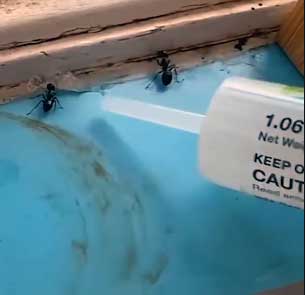
- Consistent Monitoring Of Bait Sites: I recommend checking your placement sites every few days to see if the gel has been completely consumed by the pests. If the bait is gone, you should immediately reapply a fresh bead in the same spot to ensure that the feeding cycle continues until the entire colony has been successfully and totally eliminated.
- Removing Competing Food Sources: To maximize the attractiveness of the gel, I make it a point to deep clean all surfaces and remove any trash. By eliminating alternative snacks like spilled soda or grease, you force the insects to rely on the Optigard as their primary food source, which drastically speeds up the time it takes to see real results in your home.
- Rotating With Different Actives: I suggest using Optigard as part of a rotation with other products like Advion to prevent the pests from developing resistance. Changing the active ingredient every few months ensures that the insects do not become “bait shy,” which is a common problem in long-term pest management situations that involve very resilient or large urban infestations.
- Applying Small Frequent Beads: Rather than putting out one large glob, I have found that placing many tiny drops is much more effective for coverage. This creates more “encounters” for the foragers as they travel, increasing the chances that more individuals will find the bait and bring it back to the hidden queen and the rest of the developing colony.
- Cleaning Up Old Dried Gel: If you see old, hardened gel from previous treatments, I suggest scraping it away before applying a fresh batch to the area. Pests will not eat the old crusty remains, and keeping the site clean helps you track exactly how much of the new, fresh bait is actually being consumed by the current pest population.
- Storing Tubes In Vertical Position: I like to keep my syringes standing upright in a cool cabinet to prevent any air bubbles from forming near the tip. This ensures that the gel comes out smoothly and consistently every time you pull the trigger or push the plunger, preventing annoying spurts or messes that can happen with poorly stored or handled tubes.
- Labeling Date Of Purchase: Since the active ingredient can degrade over many years, I always write the date on the side of the syringe with a marker. This helps me keep track of my inventory and ensures that I am always using the freshest possible product, which is critical for maintaining high efficacy when dealing with a very stubborn or large infestation.
Comparison With Other Brands
- Optigard Versus Terro Ant Baits: While Terro is a popular household name that uses borax, I find that Optigard is significantly more effective for professional-level results. Terro often kills the workers too quickly, whereas Optigard’s delayed action ensures the poison reaches the queen, which is the only way to truly stop an ant problem from returning every single year.
- Optigard Versus Maxforce Quantum: I have used both, but I find that Optigard maintains its moisture level slightly better in very arid or high-heat climates. Maxforce is an excellent product, but the clear consistency of Optigard makes it my preferred choice for indoor applications where I don’t want the bait to be visible to guests or small children in my home.
- Optigard Versus Alpine Ant Gel: Alpine is known for its reduced-risk status, but I have noticed that Optigard seems to have a stronger draw for certain species of sweet-feeding ants. In a side-by-side test, the foragers in my kitchen chose the Optigard matrix more frequently, which led to a faster reduction in the overall population of the colony I was treating.
- Optigard Versus Raid Ant Gels: There is really no competition here because Raid is a consumer-grade product with lower concentrations and less attractive bait matrices. I found that Raid often acts as a repellent or kills too fast, while Optigard works with the insect’s biology to spread the toxin through the entire social structure of the hidden nest or hive.
- Optigard Versus Combat Roach Gels: Combat is a decent budget option, but it lacks the refined chemistry found in the Optigard cockroach formula. Optigard uses emamectin benzoate, which is much better at overcoming the resistance that many modern roach populations have built up against the common fipronil found in the cheaper products you find at the grocery store.
- Optigard Versus Advion WDG: Advion WDG is a sprayable powder, which is a different tool entirely than the focused gel application of Optigard. While the spray is great for large areas, I prefer the gel for targeted treatments under sinks and behind appliances where a liquid spray might not reach or could cause damage to sensitive electronics or surfaces.
- Optigard Versus Hot Shot Baits: Hot Shot is often very hit-or-miss depending on the specific batch, whereas Optigard has incredibly tight quality control standards as a Syngenta product. I would rather pay a bit more for the guaranteed performance of a professional brand than waste time and money on a cheaper product that might not attract the pests at all.
My Experience With Advion
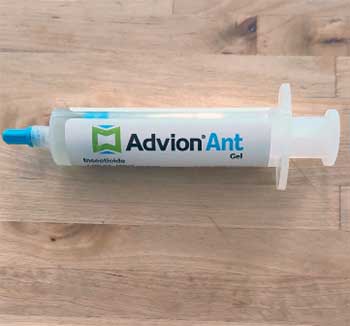
Advion has been the “gold standard” in my pest control cabinet for a very long time because it uses a unique process called bio-activation. I remember the first time I used it on a massive German cockroach infestation; the results were almost terrifyingly effective within twenty-four hours. The pests literally cannot resist the bait, and because the poison only activates inside their gut, they don’t even know they are being targeted.
The texture of Advion is more opaque and slightly thicker than Optigard, which I find makes it very easy to apply in dots that stay perfectly round. In my use, I found that it works best when you have a high-volume infestation where speed is the priority. It is the product I reach for when the situation is dire and I need the “big guns” to knock down a population before they spread further.
Pros Of Advion
- Revolutionary Bio-Activation Technology: I love that the indoxacarb active ingredient only becomes lethal once it is metabolized by the enzymes inside the insect’s digestive system. This means it has a very low toxicity profile for non-target animals like pets while remaining absolutely deadly to the roaches and ants that consume the bait in your kitchen or bathroom.
- Unmatched Attractiveness To Pests: In my testing, I have seen insects practically run toward the Advion gel the moment it is applied to a surface near their trails. The bait matrix is so enticing that it can often pull pests away from other food sources, making it one of the most reliable “emergency” baits for high-pressure situations where other products have failed.
- High Density Horizontal Transfer: This product is famous for the “domino effect,” where one insect eats the bait and then its droppings and carcass become toxic to others. This creates a chain reaction of death that moves quickly through the colony, allowing you to kill hundreds of hidden pests with only a few small dots of the gel strategically placed.
- Effective Against Bait-Averse Roaches: I have found that even strains of roaches that have learned to avoid sweet baits will still eagerly consume the Advion formula. This makes it a critical tool for managing infestations in apartment buildings where pests have been exposed to many different types of inferior baits and have developed clever survival behaviors over many years.
- Non-Repellent Chemical Composition: Since the insects cannot detect the poison, they do not avoid the treated areas or warn other members of the colony to stay away. This lack of repellency is vital for long-term success, as it allows for continuous feeding until the entire population is gone, rather than just scattering the pests into different rooms of your house.
- Long Lasting Residual Efficacy: I noticed that even after the gel has dried out slightly, it remains effective for several weeks as long as it isn’t covered in heavy dust. This provides an ongoing layer of protection that catches any late-hatchlings or new arrivals that might wander into your home from the neighbors, ensuring that your space remains pest-free.
- Versatile For Many Environments: I have successfully used Advion in residential kitchens, commercial warehouses, and even inside sensitive food-handling areas with great success and safety. It is a true “all-in-one” solution that handles the vast majority of common pest problems without needing to switch between five different products for every single room or specific environmental situation.
Cons Of Advion
- Dries Out Faster Than Optigard: I observed that in very low-humidity environments, the Advion gel can become a bit brittle and hard sooner than the Optigard formula does. While it still works when dry, it is definitely most effective when it is fresh and moist, meaning you might need to reapply it more often during the hot and dry summer months.
- Opaque Gel Can Leave Residue: Because the gel is a milky-white or light-beige color, it can leave a visible spot on light-colored surfaces if you are not careful. I have had to be very precise with my placements to avoid leaving marks on white cabinets, which requires a bit more care and attention than the clear Optigard gel does for users.
- Potentially Messy Syringe Leaks: I have occasionally had an Advion tube continue to “bleed” gel out of the tip after I stopped pressing the plunger due to internal pressure. This can lead to wasted product and small messes in your tool bag if you do not immediately replace the cap or use a high-quality professional bait gun for application.
- Overwhelming Results At First: Some users might be shocked by how many dead bugs they find on the floor the morning after the first application of this powerful gel. While this is a sign that the product is working perfectly, it can be a bit disgusting for people who are squeamish about seeing the true scale of their hidden pest infestation.
- Slightly Higher Market Price: Advion is often priced at a premium because it is widely considered the best in the industry for professional pest control operators. If you are on a very tight budget, the cost of a full four-pack of syringes might feel a bit steep, although the results usually justify the expense by solving the problem permanently.
- Risk Of Over-Application Waste: Because it works so well, I have seen people put out way too much gel, which just ends up being a waste of expensive product. You only need tiny dots to be effective, but the ease of use can lead some homeowners to go overboard and empty an entire syringe in a single room unnecessarily.
- Requires Specific Tool For Precision: To get the best results, I highly recommend using a professional bait gun rather than just the manual plastic plunger provided. This gives you much better control over the size of the dots, but it adds another piece of equipment to your purchase list if you want the absolute best and most efficient experience.
Maintenance Tips For Advion
- Regular Replacement Every Two Weeks: I found that for the best results, you should scrape away old spots and put down fresh Advion gel every fourteen days. This ensures that the bait is always at its most attractive and palatable state, which is crucial for maintaining a high level of feeding during the peak of a large infestation in your home.
- Placing Bait Near Heat Sources: I have noticed that roaches love to congregate near warm motors in refrigerators and dishwashers, so these are my primary placement sites. Putting the Advion gel in these “hot spots” ensures that you are placing the food right where the insects spend the most time, leading to a much faster and more thorough colony knockdown.
- Wiping Surfaces Before Treatment: I suggest cleaning away any grease or water near the bait sites to ensure the insects have no other choice but the gel. Advion works best when the target pests are hungry and looking for a high-quality food source, so eliminating their “junk food” alternatives is a key part of any successful long-term maintenance strategy.
- Using Bait Stations In Dusty Areas: If you must apply bait in a garage or unfinished basement, I recommend using a refillable plastic bait station to protect the gel. This keeps the dust off the Advion and prevents pets or children from touching it, while still allowing the insects to crawl inside and feed on the fresh and moist toxic matrix.
- Keeping The Tip Clean: After every use, I make it a habit to wipe the syringe tip and replace the cap tightly to prevent the gel from drying out inside. This simple maintenance step ensures that the next time you need to use the product, the gel will flow freely without any clogs or hard plugs that can ruin the syringe’s overall functionality.
- Rotating With Optigard For Success: I always keep both Advion and Optigard on hand and switch between them every three months to prevent any potential resistance. This “one-two punch” approach is what the professionals use to keep high-pressure environments clean, as it keeps the pests’ biology guessing and prevents them from adapting to a single chemical active ingredient over time.
- Storing Tubes Away From Sunlight: I store my Advion in a dark drawer because UV light can slowly break down the indoxacarb active ingredient and the bait matrix. Keeping the product in the dark ensures that it remains shelf-stable for several years, giving you a reliable backup plan whenever you see a stray bug wandering across your kitchen floor.
Also Read: My Thoughts on Nuzest Clean Lean Protein
Comparison With Other Brands
- Advion Versus Maxforce FC Select: Maxforce was the king for a long time, but I find that Advion has a higher rate of consumption in side-by-side tests. Maxforce is still an excellent product, but Advion’s bio-activation technology gives it a slight edge in safety and effectiveness when dealing with very large and established German cockroach populations in urban housing.
- Advion Versus Invict Gold: Invict Gold is extremely fast-acting, sometimes killing roaches in mere minutes, which can actually be a disadvantage for colony transfer. I prefer the slightly slower action of Advion because it ensures the poison is spread more deeply into the hidden nesting areas where the females and the young nymphs are hiding away from sight.
- Advion Versus Alpine WSG: Alpine WSG is a spray that is often used alongside Advion for a comprehensive “clean out” of a heavily infested residential property. While Alpine provides great surface coverage, the targeted gel dots of Advion are what actually get the bait into the deep cracks where a liquid spray simply cannot reach effectively or safely for users.
- Advion Versus Vendetta Plus: Vendetta Plus includes an IGR (Insect Growth Regulator), which is a nice bonus, but I find that Advion’s bait matrix is more attractive. If I had to choose only one, I would take the superior draw of Advion and simply add a separate Gentrol IGR disc to the room to handle the long-term reproductive cycle issues.
- Advion Versus Bengal Gold: Bengal is a popular dry spray, but it doesn’t offer the social transfer benefits of a high-quality gel bait like Advion. I use Bengal for flushing pests out of deep voids, but I rely on Advion to actually finish the job and kill the source of the infestation by exploiting the insects’ natural social and feeding behaviors.
- Advion Versus Dupont Generic Baits: There are many generic versions of indoxacarb on the market now, but the Syngenta Advion brand still has the best bait matrix in my opinion. The secret is in the “flavor” of the gel, and the original Advion formula remains the most consistent at getting bugs to eat the poison even when they have other options.
- Advion Versus Raid Max Baits: Raid Max is a decent retail option, but it simply cannot match the professional-grade concentration and purity of Advion. I have seen many people spend more money on multiple boxes of Raid than they would have spent on a single tube of Advion, only to still have the same bug problem months later.
Frequently Asked Questions (FAQ)
Optigard uses Thiamethoxam (Ants) or Emamectin (Roaches) which attacks the nervous system directly, while Advion uses Indoxacarb which requires bio-activation in the insect’s gut. Optigard is clear and stays moist longer, whereas Advion is opaque and known for its extreme attractiveness and rapid domino effect through the colony.
Yes, Optigard is absolutely worth the price if you are dealing with “picky” pests that are ignoring other baits or if you need a clear, discrete application for a high-end kitchen. It is one of the best professional tools for handling specific ant species that are notoriously difficult for standard retail products to kill.
Both are excellent, but Optigard has a slight edge for sweet-loving ants due to its high-moisture clear matrix and specific thiamethoxam chemistry. Advion is fantastic for rapid knockdown of large populations, but Optigard’s ability to stay attractive for longer periods makes it a favorite for long-term ant management and prevention.
Yes, and you probably should for the best results. Professionals often use both in a “rotation” strategy to ensure that pests do not develop resistance to one active ingredient. By offering both, you also cater to the pests’ changing nutritional needs, as they may prefer one matrix over the other depending on the season.
Conclusion
In the end, the choice between Optigard and Advion isn’t about which one is “better” in a vacuum, but rather which one is the right fit for your current situation. If you need a discrete, long-lasting bait that stays moist and handles finicky sugar-seekers, you should reach for Optigard. However, if you are facing a massive, aggressive infestation and need a powerful “domino effect” to wipe out the colony fast, Advion is your best bet.
I recommend keeping both in your pest control kit so you can adapt to the changing needs of the infestation. No matter which one you choose, you are using the same high-level chemistry that professional exterminators rely on every day to keep homes safe and bug-free.
One thought on “Optigard Vs Advion : Which One Is Better?”
Leave a Reply
Recent Posts
● Interactive 5-Zone Interior & Exterior Paint Blueprint Paint Coverage Calculator: Gallons, Primer, Square Footage & Cost Tap any architectural surface zone on the blueprint...
If you want smooth, shiny hair without spending a fortune on a premium styling tool, the Ella Bella hair dryer may be worth considering.In these Ella Bella hair dryer reviews, I’ll look...
Thanks for your post regarding ant poisons. Can you use both Advion & optigard within the same bait station?
Thank you