
If you struggle with yellow, thick, brittle, or discolored nails, you probably want a treatment that is simple and convenient.
Orivelle is marketed as a nail fungus solution designed to support healthier-looking nails. But is it worth buying?
In this Orivelle nail fungus review, I’ll examine its potential benefits, limitations, application considerations, and alternatives.
I would consider buying it only after checking its active ingredients, safety information, and evidence of effectiveness, especially if persistent nail fungus is affecting my toenails.
My First Experience With Orivelle Nail Fungus
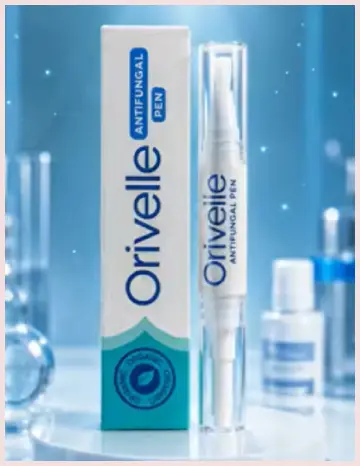
When I look at a nail fungus treatment, I don’t judge it by its marketing promises alone.
I want to understand what it is supposed to do, how easily it fits into a daily routine, and whether its ingredients have a reasonable basis for supporting nail health.
Orivelle caught my attention because it is marketed toward people who want to address common nail problems without immediately committing to a complicated treatment routine. Nail fungus can be frustrating.
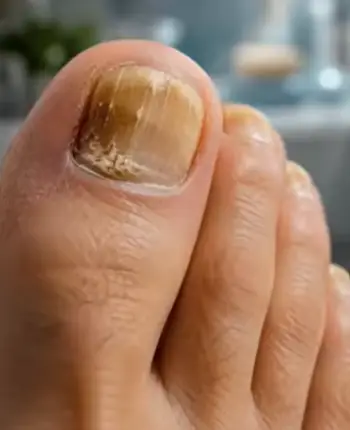
You might notice a small yellow patch initially, but over time, the affected nail may become thicker, rougher, discolored, or more difficult to trim.
What makes the situation even more frustrating is that nail fungus rarely disappears overnight. Even when a treatment successfully addresses the infection, the damaged portion of the nail needs time to grow out.
My first consideration with Orivelle would therefore be its intended purpose and formulation.
I would want to know whether it contains an established antifungal ingredient or primarily relies on cosmetic and conditioning ingredients.
That distinction matters because making a nail look healthier is not necessarily the same as eliminating the fungus responsible for the problem.
I also appreciate treatments that are easy to apply. If I need to maintain a routine for several months, convenience becomes important.
A product that requires complicated preparation or frequent applications may become difficult to use consistently.
However, I wouldn’t automatically assume that Orivelle delivers clinical antifungal results simply because it is advertised for nail fungus. Without verified clinical evidence and a clearly disclosed ingredient list, I cannot honestly claim that I experienced a particular improvement or that the product cured an infection.
Overall, I would approach Orivelle with cautious interest. Its convenience and intended use may appeal to people looking for an additional nail-care option, but I would compare its ingredients with established antifungal treatments before making a purchase.
Also Read: Is NONYX Nail Gel Worth It?
Pros Of Orivelle Nail Fungus Treatment
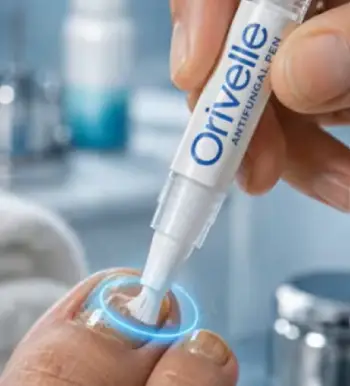
- Convenient Nail-Care Approach
Convenience is one of the biggest factors I consider when choosing a topical nail product.
Many people do not want to deal with complicated treatment routines, especially when several nails are affected.
A topical product may be easier to incorporate into everyday nail care than treatments that require more preparation.
If Orivelle provides straightforward application instructions, that could make it appealing to people who prefer managing their nail-care routine at home.
However, convenience should never replace effectiveness. I would still check whether the product contains ingredients with established antifungal properties.
- Focuses on a Common Nail Concern
Yellow, thick, brittle, and discolored nails can affect confidence.
You might feel uncomfortable wearing open-toed shoes, sandals, or going barefoot around other people.
A product specifically marketed for nail fungus may attract people who want to address these concerns rather than simply covering up the discoloration.
I appreciate products that clearly explain what problem they are intended to address.
Still, nail discoloration does not always indicate fungal infection. Trauma, psoriasis, and other nail conditions can produce similar symptoms.
Getting the correct diagnosis is an important first step.
- May Complement Regular Nail Hygiene
Good nail hygiene plays an important role in managing fungal infections.
Keeping your feet clean and dry, trimming nails properly, and avoiding shared nail-care equipment can reduce opportunities for fungal organisms to spread.
If Orivelle is used as part of a broader nail-care routine, it may help people become more consistent about looking after their nails.
I would consider this a supporting advantage rather than proof that the product eliminates fungal infections.
- Suitable for People Who Prefer Topical Products
Some people prefer topical treatments because they want to apply a product directly to the affected nail.
This approach can be appealing when only one or two nails are affected.
Prescription topical antifungal treatments are available, including products specifically designed to penetrate the nail.
However, ordinary cosmetic solutions should not be considered equivalent to prescription antifungal medications.
If I were considering Orivelle, I would first establish whether its formulation is intended to treat fungal infections or simply support nail appearance.
- Encourages Better Nail-Care Habits
One overlooked advantage of paying attention to nail health is that it encourages better daily habits.
You may become more careful about drying your feet after showering, changing sweaty socks, and cleaning your nail clippers.
These small habits can make a meaningful difference in reducing fungal exposure and preventing reinfection.
I believe this is an important part of any long-term nail-care strategy.
Cons Of Orivelle Nail Fungus Treatment
- Limited Verified Clinical Information
My biggest concern is the importance of distinguishing advertising claims from clinical evidence.
I cannot verify independent clinical trials demonstrating that Orivelle cures toenail fungus.
Without those findings, I would not describe it as a proven treatment.
A trustworthy antifungal product should clearly identify its active ingredients, explain how it is intended to work, and provide appropriate safety information.
- Nail Fungus Takes Time to Treat
Even effective antifungal medications do not produce instant results.
Toenails grow slowly, and a completely healthy-looking toenail may take 12–18 months to grow out.
This means you should not judge a treatment entirely by how your nail looks after a few days.
If Orivelle is being considered, I would be realistic about the time required and avoid expecting overnight improvement.
- Not Every Discolored Nail Has Fungus
This is an important limitation that many consumers overlook.
Yellow or thick nails can result from several different conditions.
For example, repeated pressure from tight shoes can damage toenails. Psoriasis can also cause discoloration, thickening, and separation from the nail bed.
If the actual problem is not fungal, an antifungal product may not solve it.
A healthcare professional can examine the nail and, when appropriate, perform laboratory testing to confirm the diagnosis.
- Ingredient Transparency Matters
I would be hesitant to purchase any nail fungus solution without understanding its ingredients.
If a manufacturer does not clearly disclose the active ingredients, concentrations, and potential side effects, evaluating the product becomes difficult.
I would also want to know whether the product is manufactured under appropriate quality standards.
These details matter because a topical solution is only as useful as its formulation, safety, and intended purpose.
- Severe Infections May Need Medical Treatment
Topical products are not suitable for every fungal nail infection.
When several nails are affected, the infection reaches the nail matrix, or the nail becomes significantly thickened, medical treatment may be necessary.
Prescription oral antifungal medications can be more effective for certain infections, although they also carry potential side effects and may require medical monitoring.
People with diabetes, poor circulation, or weakened immune systems should seek professional advice rather than relying on an over-the-counter nail-care solution.
Also Read: Is Nutraboost Nail Fungus Treatment Gel Worth It?
Maintenance Tips For Orivelle Nail Fungus
- Keep Your Feet Clean and Completely Dry
Moisture creates favorable conditions for fungal growth.
I recommend washing your feet regularly with soap and water, paying attention to the spaces between your toes.
After washing, dry your feet thoroughly.
Do not forget the areas between your toes because moisture can remain trapped there even when the rest of your foot feels dry.
If you exercise, work outdoors, or spend long periods wearing closed shoes, changing into clean, dry socks can also help.
- Trim Your Nails Properly
Long nails can trap dirt and make it harder to maintain good nail hygiene.
I prefer keeping nails at a manageable length and trimming them straight across.
Avoid cutting too deeply into the corners because this can cause irritation or ingrown nails.
If your toenails are particularly thick, do not force ordinary nail clippers through them. A podiatrist can help manage thickened nails safely.
Also, never share nail clippers or other manicure tools.
- Choose Breathable Footwear
Your footwear can influence the environment around your toenails.
Shoes that trap heat and moisture may encourage fungal growth.
I would prioritize breathable materials and shoes that provide sufficient room around the toes.
Avoid wearing damp shoes for extended periods.
If your footwear becomes wet, allow it to dry completely before wearing it again.
Rotating between pairs of shoes can also help.
- Change Socks Regularly
Socks absorb sweat throughout the day.
If you frequently experience sweaty feet, changing socks more than once daily may be helpful.
Moisture-wicking socks can also make a difference, particularly if you exercise or wear shoes for extended periods.
I would avoid putting clean socks onto wet feet because doing so defeats the purpose of changing them.
- Clean Your Nail-Care Equipment
Nail clippers, files, and other manicure tools can potentially transfer fungal organisms.
I would keep personal nail-care equipment separate from other household members.
Clean and disinfect reusable tools according to their material and the manufacturer’s instructions.
If you visit a nail salon, make sure the equipment is properly sterilized and single-use items are not reused.
- Protect Your Feet in Public Areas
Swimming pools, public showers, locker rooms, and communal changing areas can expose your feet to fungi.
I recommend wearing shower sandals or flip-flops in these environments.
Avoid walking barefoot in damp communal spaces.
This is a relatively simple precaution that can reduce unnecessary exposure.
- Follow the Treatment Instructions Carefully
If you decide to use Orivelle, I would follow its actual packaging instructions.
Do not assume that applying more product will produce faster results.
Excessive application can sometimes cause irritation, particularly if the formula contains ingredients that are not intended for frequent use.
If you experience redness, burning, swelling, or an allergic reaction, stop using the product and seek appropriate advice.
Most importantly, do not discontinue a prescribed antifungal treatment simply because your nail starts looking better.
Comparison Of Orivelle With Other Nail Fungus Treatments
- Orivelle vs. Kerasal Fungal Nail Renewal
Kerasal Fungal Nail Renewal is a product designed to improve the appearance of nails affected by fungal damage.
Its approach focuses on the cosmetic condition of the nail, including discoloration and thickened appearance.
I would distinguish this from a medication that is specifically approved to eliminate the fungal infection.
Orivelle and Kerasal may appeal to people interested in topical nail care, but I would compare their complete ingredient lists and intended uses before choosing either.
If my primary concern were an active infection, I would prioritize a proven antifungal treatment rather than relying exclusively on cosmetic improvement.
- Orivelle vs. Kerasal Nail Renewal
Kerasal Nail Renewal is another product that focuses on improving the appearance of damaged nails.
Its cosmetic approach may appeal to people dealing with rough, discolored, or thickened nails.
However, improving nail appearance does not necessarily mean the fungal infection has been eliminated.
I would choose between these products based on the problem I wanted to address.
If the issue were primarily cosmetic, a nail-conditioning product might be worth considering. If laboratory testing confirmed fungal infection, I would look for an appropriate antifungal medication.
- Orivelle vs. Jublia
Jublia is a prescription topical antifungal medication containing efinaconazole.
It is specifically used to treat certain fungal infections of the toenails.
Unlike an ordinary cosmetic nail solution, Jublia has undergone clinical evaluation for its intended medical use.
However, it requires a prescription and may not be appropriate for everyone.
I would consider Jublia a more established treatment option when a healthcare professional confirms that prescription topical therapy is appropriate.
Orivelle should not be considered an equivalent substitute without supporting clinical evidence.
- Orivelle vs. Penlac
Penlac is a prescription nail lacquer containing ciclopirox.
It is used for certain fungal nail infections and requires a structured application routine.
One important difference is that prescription treatments have defined ingredients, dosing instructions, and medical indications.
Orivelle may be more appealing to consumers looking for a straightforward nail-care product, but convenience alone does not establish equal effectiveness.
I would discuss the available options with a healthcare professional if the infection is persistent or affecting several nails.
- Orivelle vs. Oral Terbinafine
Oral terbinafine is a commonly prescribed treatment for dermatophyte nail infections.
It works systemically and can be more effective than topical treatments for many suitable patients.
However, it is not something I would recommend taking without medical supervision.
A healthcare professional may need to assess potential drug interactions, medical history, and liver-related risks before prescribing it.
Compared with oral terbinafine, Orivelle may seem like a simpler option, but the two approaches should not be treated as interchangeable.
Who Should Consider Orivelle?
I would divide potential users into a few categories.
People who are interested in maintaining the appearance of their nails may want to explore a topical nail-care product, provided its ingredients are suitable.
People with mild nail discoloration should first determine whether the issue is actually caused by fungus.
People with confirmed fungal infections should prioritize treatments with demonstrated antifungal effectiveness.
Those experiencing severe nail thickening, pain, spreading discoloration, or multiple affected nails should consider professional evaluation.
I would be especially cautious if I had diabetes, poor circulation, or a weakened immune system. In those situations, even a seemingly minor foot infection deserves medical attention.
Also Read: Is Orvelle Nail Fungus Pen Worth It?
Frequently Asked Questions (FAQ)
Its effectiveness cannot be confirmed without reliable clinical evidence and verified ingredient information. I would not consider it a proven fungal treatment based on marketing claims alone.
There is insufficient verified evidence to establish that Orivelle cures toenail fungus. Confirmed infections should be treated with appropriate antifungal medication.
Oral terbinafine is a commonly prescribed effective option for many fungal toenail infections. Prescription topical treatments may also help in suitable cases.
Japanese doctors use established antifungal medications, including oral and topical treatments. The appropriate choice depends on the infection and the patient’s medical condition.
Final Verdict
Orivelle may interest people looking for a convenient nail-care solution, but I would not recommend buying it solely on promises of eliminating nail fungus.
Its ingredients and clinical effectiveness need verification. If you have confirmed onychomycosis, I would prioritize established antifungal treatments and professional advice.
Choose Orivelle only if its formulation, safety information, and intended benefits meet your expectations.
Recent Posts
Tasty Gains Creatine Gummies Reviews: Are They Worth Trying?
Tasty Gains Creatine Gummies offer a convenient alternative to traditional creatine powders, especially for people who dislike mixing supplements or drinking flavored shakes. I like the idea...
Recess Mood Drink Reviews: Does This Relaxing Beverage Really Work?
If you're looking for a refreshing beverage that helps you unwind without reaching for alcohol, Recess Mood Drink might be worth considering.In my view, it's an interesting option for people who...