
If you’re deciding whether to finish your wooden floors, furniture, or countertops with something that actually feels natural and lasts, Osmo Polyx Oil is one product I genuinely think you should consider buying.
I’ve used it in real home projects, and it stands out for its balance of protection and natural look.
In this Osmo Polyx Oil reviews article, I’ll share my experience, comparisons, pros, and maintenance tips so you can decide confidently without guesswork.
My First Experience With Osmo Polyx Oil
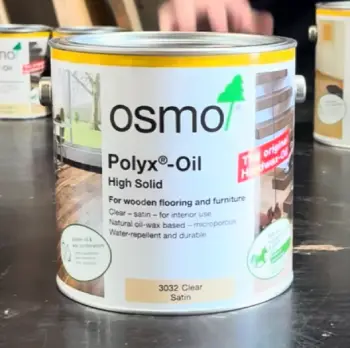
The first time I used Osmo Polyx Oil, I was working on an oak dining table that had seen better days.
Honestly, I was skeptical. You hear a lot of claims in wood finishing products, and I’ve tried a few that looked good on paper but disappointed in real life.
But this one felt different from the moment I opened the tin. The smell was mild, not overpowering like solvent-heavy finishes.
When I started applying it, I noticed something right away: it didn’t behave like a coating sitting on top of the wood. It sank in, almost like the wood was drinking it.
I used a cloth and a brush on different sections just to see the difference. The cloth application gave me more control, while the brush helped on larger flat areas.
Either way, the finish leveled out nicely without streaks, which is something I usually struggle with when working with oils.
What surprised me most was the texture after drying. The surface didn’t feel plastic or sealed off. Instead, it still felt like real wood, just smoother and more refined.
That “natural touch” is something I didn’t get with polyurethane finishes I’ve used in the past.
I also tested water resistance by leaving a few droplets on the surface after curing. The water beaded instead of soaking in, which gave me confidence that it wasn’t just about looks—it actually protects the wood.
Over the next few weeks, I noticed how the table handled everyday use. Plates, mugs, and even accidental spills didn’t leave marks.
A quick wipe was enough. That low-maintenance aspect really stood out to me.
One thing I learned quickly is patience matters. If you rush application or don’t buff properly, you’ll see uneven patches. But when you take your time, the finish becomes almost flawless.
Overall, my experience with Osmo Polyx Oil felt more like working with the wood rather than covering it. That’s the best way I can describe it. It doesn’t fight the material—it enhances it.
What Is Osmo Polyx Oil And Why People Use It?
Osmo Polyx Oil is a hardwax oil finish designed for wood surfaces like flooring, furniture, and even kitchen worktops. What makes it different is its blend of natural oils and waxes that penetrate the wood while also leaving a protective layer on top.
Unlike traditional varnishes that form a thick shell, this product works in two ways: it strengthens the wood from within and protects the surface from everyday wear.
People usually choose it because they want a more natural finish. Instead of a glossy plastic-like coating, you get something that feels closer to raw wood but still protected.
Another reason it’s popular is repairability. If damage happens, you don’t necessarily need to strip the whole surface. You can often patch repair small areas, which saves a lot of effort long term.
Pros Of Osmo Polyx Oil
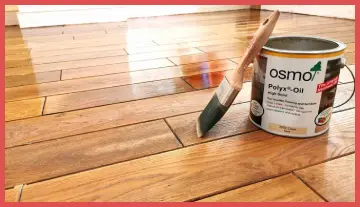
- Natural wood look that actually feels real
One of the biggest reasons I personally like Osmo Polyx Oil is how it keeps the wood looking and feeling natural.
Unlike varnish or lacquer that creates a plastic-like layer, this oil soaks into the wood and enhances the grain instead of covering it.
When I touched my finished table after using it, it didn’t feel like a coated surface—it still felt like wood. That’s a huge win if you care about authenticity in furniture or flooring.
Many users also prefer it because it avoids that “sealed plastic” effect common in polyurethane finishes.
- Strong everyday protection
This is not just a “pretty finish.” Once cured, Osmo Polyx Oil gives solid resistance against water, spills, coffee stains, and general wear.
I’ve personally wiped off water rings that would normally damage untreated wood, and it handled them well. The finish is microporous, meaning it protects the surface but still allows the wood to breathe instead of trapping moisture underneath.
That breathing effect is important because it helps reduce cracking, peeling, or bubbling that you often see in film-based finishes over time.
- Easy repair and maintenance
This is where Osmo really separates itself from traditional varnish.
If your floor or table gets scratched, you don’t need to sand the entire surface. You can just lightly clean and reapply oil on the damaged spot.
That alone saves hours of work in the long run. For busy homes, restaurants, or rental properties, this is a massive benefit because life doesn’t stop for refinishing projects.
- Beginner-friendly application
Even if you’re not a professional, you can still get a decent result.
You don’t need spray equipment or advanced skills. A brush or roller is enough, and mistakes are forgiving as long as you wipe and buff properly.
It’s also less stressful compared to polyurethane, which can bubble, streak, or dry unevenly if applied wrong.
- Long-lasting compared to traditional oils
Compared to Danish oil or basic wax finishes, Osmo lasts much longer before needing refresh.
Danish oil may need frequent reapplication, especially on high-use surfaces. Osmo holds up better, especially on floors and kitchen furniture where traffic is constant.
That durability is one of the main reasons professionals and woodworkers trust it for long-term projects.
- Low odor and more user-friendly chemistry
While it still has a mild smell, it’s not harsh or overwhelming like strong solvent-based coatings.
This makes indoor application more comfortable, especially if you’re working in a closed room or apartment.
Cons Of Osmo Polyx Oil
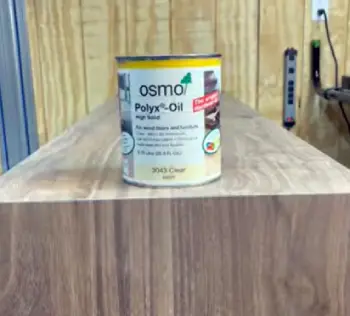
- Not the hardest surface compared to polyurethane
Let’s be honest—if your main goal is extreme scratch resistance, polyurethane still wins.
Osmo gives good protection, but it won’t match a thick plastic film in terms of pure hardness. Heavy dragging of furniture or sharp impacts can still leave marks.
So if you expect “bulletproof flooring,” this isn’t it.
- Requires correct application technique
This is where many people go wrong.
If you apply too much oil, don’t buff properly, or rush drying time, you can end up with sticky patches or uneven sheen.
Even experienced users sometimes face issues if conditions aren’t right. I’ve seen cases where humidity or product buildup caused inconsistent drying and surface residue.
So yes—it’s easy, but not “careless easy.”
- Drying and curing still takes time
Even though it feels dry quickly on the surface, full curing can take days or even weeks depending on conditions.
That means you need patience before heavy use. Walking on floors too early or placing heavy furniture can affect the finish.
- Can feel slightly soft in early days
Right after application and initial curing, the surface can feel a bit soft compared to fully hardened varnish.
This is normal, but it can make people think something went wrong when it’s just part of the curing process.
- Not ideal for every high-precision surface
In fine carved or textured wood, the oil can sometimes settle into small grooves or lines unevenly if over-applied.
That can create slightly visible build-up in detailed areas if you’re not careful during wiping.
Tips For Osmo Polyx Oil
- Daily and Weekly Cleaning Habits That Actually Matter
The simplest rule is also the most important: keep it clean, but don’t overdo it.
For daily cleaning, dry dusting is your best friend. I usually use a microfiber cloth or a soft dry mop for floors. Dust and grit are small, but over time they act like sandpaper when people walk on them. If you ignore them, the finish dulls faster than expected.
For weekly cleaning, a slightly damp cloth or mop works well. The key word is “slightly.” If you’re squeezing out water, you’re doing it right. If water is dripping, you’re doing it wrong.
One thing I learned early: soaking the surface does nothing good for Osmo finishes. Even though it’s water-resistant, repeated excess moisture reduces the life of the surface layer over time.
A mild wood-safe cleaner can be used occasionally, but harsh detergents are something I avoid completely. They don’t immediately ruin the finish, but they slowly strip away the protective oils.
- How to Handle Spills Without Panic
Spills are where Osmo Polyx Oil really shows its value, but only if you respond quickly.
If you spill water, tea, coffee, or juice, don’t leave it sitting. I usually wipe it within a minute or two. In most cases, it beads on the surface, so cleanup is easy.
Oil-based spills or food stains are slightly more sensitive. You should wipe them immediately and clean the area with a damp cloth afterward.
The mistake people make is assuming “it’s protected, so I can leave it.” Protection doesn’t mean immunity. It just means you have more time—but not unlimited time.
- Furniture Protection Habits That Extend Lifespan
This is one area where small habits make a big difference.
For tables, I always use coasters and placemats now. Not because the finish can’t handle heat or moisture, but because repeated exposure in the same spot creates gradual wear patterns.
Chairs and heavy objects should ideally have felt pads underneath.
I ignored this once on a dining set, and after a few months, I noticed faint scratch trails in high-movement areas. Nothing dramatic—but enough to notice under light reflection.
If you move furniture often, try to lift instead of drag. Dragging is the fastest way to create micro-scratches, even on strong finishes.
- Refreshing the Surface Without Full Sanding
One of the best features of Osmo Polyx Oil is that you don’t need to strip everything when it starts looking tired.
When certain areas begin to look dull—like table centers or floor walkways—you can simply refresh those spots.
Here’s the approach I personally use:
Clean the surface thoroughly first. Any dust, grease, or residue will affect bonding.
Then lightly apply a thin coat of Osmo Polyx Oil only where needed. You don’t need to coat the entire surface unless it’s heavily worn.
After a short waiting period, buff off the excess so the surface doesn’t feel sticky or uneven.
This spot-repair approach is what makes maintenance so practical compared to varnish systems, where you often have to redo everything.
- Avoiding Common Mistakes That Reduce Durability
The most common mistake I’ve seen (and made myself early on) is over-application during maintenance coats.
More product does not mean more protection. In fact, too much oil can lead to sticky surfaces or uneven sheen. Thin layers always perform better.
Another mistake is skipping cleaning before maintenance. If you apply fresh oil over dirt or grease, it traps contamination underneath, which affects both appearance and durability.
Also, avoid using aggressive scrub pads unless absolutely necessary. They can damage the existing finish faster than the problem you’re trying to fix.
Comparison Of Osmo Polyx Oil With Other Brand
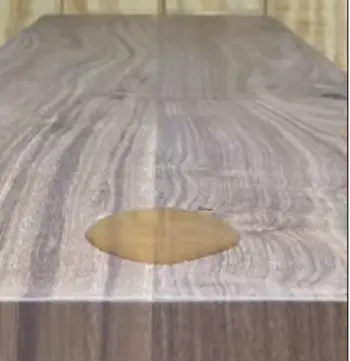
- Osmo Polyx Oil vs Polyurethane Finishes
When I compare Osmo Polyx Oil with polyurethane, the difference is immediately noticeable in feel and appearance.
Polyurethane creates a hard plastic layer on top of wood. It’s durable, yes, but it completely changes the natural texture.
Osmo, on the other hand, keeps the wood breathable. You still feel the grain under your fingers. Polyurethane might win slightly in extreme scratch resistance, but once it gets damaged, repairing it is a headache.
You usually have to sand and refinish the entire surface.
With Osmo, spot repair is much more realistic.
- Osmo Polyx Oil vs Rubio Monocoat
Rubio Monocoat is another popular oil finish that bonds chemically with wood fibers. It’s often praised for its one-coat system.
In my experience, Rubio gives a slightly more matte, raw look, while Osmo Polyx Oil offers a bit more warmth and depth. Osmo also feels more forgiving during application. Rubio can be tricky if you don’t wipe excess properly.
Where Osmo stands out is long-term maintenance. It tends to be easier to refresh without complex prep work.
- Osmo Polyx Oil vs Danish Oil
Danish oil is more of a traditional penetrating oil blend. It enhances grain beautifully but doesn’t offer the same level of surface protection.
Compared to Danish oil, Osmo Polyx Oil gives a stronger wear layer. That makes a big difference for high-traffic areas like floors or dining tables.
Danish oil also requires more frequent reapplication. Osmo is more durable over time, meaning fewer maintenance cycles.
- Osmo Polyx Oil vs Wax Finishes
Wax finishes are loved for their soft sheen and traditional look. But they are not very resistant to heat, water, or heavy use.
Osmo Polyx Oil includes wax elements but stabilizes them within a harder structure. That means you still get a natural appearance but with far better durability.
Wax alone feels more decorative. Osmo feels functional and decorative at the same time.
Also Read: Is Goda Silk Body Oil Worth It?
Frequently Asked Questions (FAQ)
Yes, it offers strong protection with a natural wood finish.
Light sanding is recommended for smoother results.
Several years, depending on use and maintenance.
Top Oil is for countertops; Polyx is more general-purpose.
Wrapping Up
After using Osmo Polyx Oil in real projects, I can say it’s one of the most balanced wood finishes I’ve worked with.
It blends protection, natural appearance, and easy maintenance in a way that suits everyday homes.
If you want wood that still feels like wood but stays protected, this is a solid option worth trying.
Recent Posts
● Interactive 5-Zone Interior & Exterior Paint Blueprint Paint Coverage Calculator: Gallons, Primer, Square Footage & Cost Tap any architectural surface zone on the blueprint...
If you want smooth, shiny hair without spending a fortune on a premium styling tool, the Ella Bella hair dryer may be worth considering.In these Ella Bella hair dryer reviews, I’ll look...