
If you want windshield wipers that focus on clear visibility, straightforward installation, and dependable everyday performance without spending premium-brand money, I think the Peak Optix Plus wiper blades are worth considering.
I like them most for drivers who deal with rain, road spray, dust, and changing weather but don’t want to replace blades constantly.
In this Peak Optix Plus wiper blades review, I’ll explain how they performed for me, where they impressed me, where they fell short, and how they compare with other popular wiper brands.
My Personal Experience With Peak Optix Plus Wiper Blades
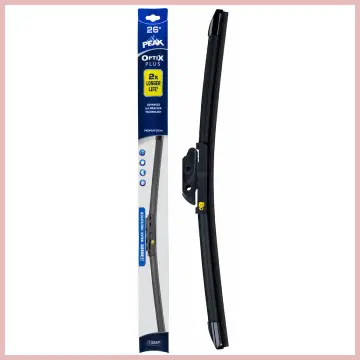
The first thing I noticed when I started using the Peak Optix Plus wiper blades was that they were designed around a simple goal: keeping the windshield clear without making the wipers feel complicated.
I’ve owned and tested enough windshield wipers to know that the real test doesn’t happen when the glass is perfectly clean and the rain is light.
Almost any fresh blade can look impressive under those conditions. The real challenge comes when the windshield is covered with water, road grime, dust, or a mixture of rain and dirt.
That’s where I started paying attention.
After installation, I ran the blades across my windshield during ordinary wet-weather driving.
My first impression was positive because the blades moved smoothly and didn’t immediately produce the annoying skipping or chatter that I’ve experienced with cheaper conventional wipers.
I also liked the way they handled regular rain. The wiping action felt controlled, and the windshield cleared quickly enough for me to maintain a good view of traffic.
That matters more to me than flashy packaging or a long list of technical claims. When I’m driving in bad weather, I want the blade to do its job and disappear from my attention.
The Optix Plus design also gave me the impression of a more modern beam-style wiper rather than an old-fashioned exposed metal-frame design.
That matters because a blade needs to maintain contact with the curved surface of the windshield. If it loses contact in certain areas, you can end up with water streaks right where you need the clearest view.
I paid particular attention to the edges of my windshield. That’s an area where weaker blades sometimes leave small patches of water behind. Peak Optix Plus performed reasonably well in this respect, especially during normal rainfall.
Of course, it wasn’t perfect.
When the windshield became particularly dirty, I noticed that performance depended heavily on how clean the glass itself was. That’s not really unusual for wipers. A blade isn’t a substitute for windshield cleaning.
If you’ve got dried bugs, oily residue, tree sap, or heavy road film on the glass, even a good blade can struggle.
Another thing I appreciated was the overall simplicity. I didn’t feel like I was buying an unnecessarily complicated piece of equipment.
I wanted something I could install, use, and forget about until it was time for maintenance or replacement.
Overall, my first experience with Peak Optix Plus was encouraging. I wouldn’t call them magically better than every premium wiper on the market, but I found them capable enough for everyday driving and particularly appealing if you’re looking for a practical upgrade from basic factory-style blades.
What Makes Peak Optix Plus Different?
The biggest appeal of Peak Optix Plus, in my opinion, is its focus on modern windshield-wiper design without pushing the price into the premium territory occupied by some well-known competitors.
A windshield wiper has a deceptively simple job. It has to maintain consistent contact with the glass, move smoothly across the windshield, remove water efficiently, and continue doing that after repeated exposure to sunlight, temperature changes, dirt, and moisture.
The blade itself is only one part of that equation.
The windshield’s shape matters. The wiper arm matters. Installation matters. The condition of the glass matters. Even the type of weather you’re driving through can influence how well a blade performs.
That’s why I don’t judge Peak Optix Plus simply by whether it wipes water away during a quick test.
What I look for is consistency.
When the blade is properly fitted and the windshield is clean, Peak Optix Plus offers the kind of smooth wiping action I expect from a modern replacement blade. Its design can help distribute pressure across the windshield instead of relying on a rigid frame to maintain contact.
For me, that’s one of its strongest qualities.
Pros Of Peak Optix Plus Wiper Blades
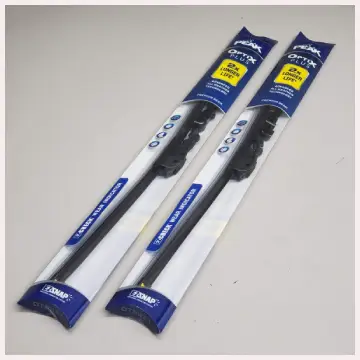
- Smooth Wiping Performance
One of the biggest positives I noticed was the relatively smooth wiping action.
A good wiper should move across the windshield without making you constantly aware of it. Excessive chatter, squeaking, vibration, or skipping gets irritating quickly.
Peak Optix Plus handled ordinary rain without creating that distracting feeling. I particularly appreciated this during moderate rainfall, when the blades needed to work continuously.
The smooth movement also contributed to a cleaner-looking windshield. When a blade moves evenly across the glass, it has a better chance of removing water consistently instead of leaving random streaks behind.
- Good Windshield Contact
I consider windshield contact one of the most important characteristics of a wiper.
The windshield isn’t completely flat. It has a curved surface, and the blade needs to follow that curve. If pressure isn’t distributed properly, parts of the blade can lift away from the glass.
Peak Optix Plus did a respectable job maintaining contact across the windshield in my experience.
That’s especially useful during heavier rain because you’re dealing with a much larger amount of water. A blade that only works well in light drizzle isn’t very useful when visibility becomes genuinely challenging.
- Modern Beam-Style Design
Another advantage is the more streamlined design associated with beam-style wiper construction.
Traditional framed blades can have several exposed components that collect dirt, snow, and debris. Beam-style designs generally have a cleaner profile and can be better suited to maintaining pressure against curved windshields.
I also like the appearance. The blades look cleaner and more contemporary than the bulky metal-frame wipers that were common on older vehicles.
For me, appearance isn’t the primary reason to buy wipers, but it is still a nice bonus.
- Useful in Everyday Rain
I think Peak Optix Plus makes the most sense for everyday drivers.
If you commute to work, run errands, travel around town, or occasionally drive in heavy rain, you don’t necessarily need the most expensive wiper blade available.
What you need is dependable visibility.
Peak Optix Plus delivers that basic requirement effectively when the blades are correctly fitted and the windshield is kept clean.
- Straightforward Replacement
I also appreciate products that don’t turn a simple maintenance job into an afternoon project.
Replacing windshield wipers should be relatively straightforward. Once I understood the appropriate connector for my vehicle, the process was uncomplicated.
That said, I always recommend checking the correct blade size and connector before buying. A high-quality blade is useless if you’ve purchased the wrong size.
- Reasonable Value
Value is probably one of the strongest arguments for Peak Optix Plus.
I don’t automatically equate higher price with better performance. Premium wiper blades can certainly offer excellent materials and longevity, but not every driver needs to spend the maximum amount.
Peak Optix Plus strikes me as a reasonable middle-ground option.
You get a modern-looking blade and solid everyday performance without necessarily moving into the highest price category.
Cons Of Peak Optix Plus Wiper Blades
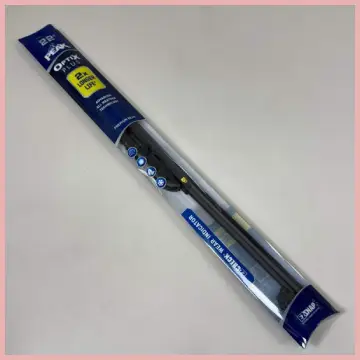
- Performance Still Depends on Windshield Condition
The biggest thing I would emphasize is that no wiper can compensate for a filthy windshield.
If your glass is covered with grease, dried insects, dust, or stubborn residue, you’ll probably notice streaking even with a new blade.
I experienced this myself. Cleaning the glass made a noticeable difference.
So, if you install Peak Optix Plus and expect it to remove every type of contamination from your windshield, you’ll probably be disappointed.
- Not Every Vehicle Installation Is Identical
Another potential drawback is fitment.
Vehicles use different wiper arm connections and blade lengths. Although modern replacement blades often support multiple attachment systems, you still need to verify compatibility before purchasing.
I wouldn’t order a pair simply because the package says they fit a particular general category of vehicle.
Check your exact vehicle application.
- Premium Competitors May Have an Edge
If your only goal is finding the absolute highest-end wiper performance, Peak Optix Plus may not be the final word.
There are premium blades from brands such as Bosch, Rain-X, Michelin, and others that have strong reputations and extensive product ranges.
Peak Optix Plus appeals to me more as a practical value-oriented option than as an ultra-premium performance product.
- Long-Term Durability Can Vary
Wiper longevity depends on more than the rubber or wiping element itself.
Sun exposure, heat, freezing conditions, windshield contamination, frequency of use, and storage conditions can all affect how long a blade remains effective.
That’s why I wouldn’t promise a specific lifespan for every driver.
Instead, I’d watch the blade’s actual performance.
If it starts leaving streaks, skipping, chattering, or missing sections of the windshield, it’s time to investigate whether cleaning the glass helps or whether the blade needs replacement.
Maintenance Tips For Peak Optix Plus Wiper Blades
- Clean the Windshield Regularly
This is probably the most important maintenance habit I can recommend.
Your wipers aren’t designed to scrub away months of accumulated dirt. Their primary purpose is to move water and light surface contamination away from the windshield.
I try to keep my windshield clean because a dirty windshield increases friction and can make the blades work harder.
Use a suitable automotive glass cleaner and a clean microfiber cloth. Pay attention to the lower portion of the windshield, where dirt and road debris often accumulate.
- Clean the Wiper Blade Carefully
Every so often, I also inspect the wiping edge.
Dust and grime can accumulate along the blade, and wiping a dirty blade repeatedly across clean glass isn’t ideal.
I prefer using a clean, damp cloth to gently wipe the blade. I don’t aggressively scrape or bend the rubber.
The goal is simple: remove surface contamination without damaging the wiping edge.
- Don’t Run Dry Wipers
This is one habit I try to avoid.
Running wipers across a completely dry windshield creates unnecessary friction. If there’s a light layer of dust on the glass, the friction can be even worse.
If I need to clean the windshield, I use washer fluid first rather than repeatedly running dry blades.
That small habit can help reduce unnecessary wear.
- Use Proper Washer Fluid
Windshield washer fluid isn’t just there for convenience.
A good automotive washer fluid helps loosen dirt and improve the wiping process. I avoid relying on plain water alone, especially when temperatures can drop or when the windshield has stubborn road residue.
Using the correct fluid for your climate is an easy part of routine vehicle maintenance.
- Inspect the Blade Edge
I recommend visually inspecting the wiping edge from time to time.
Look for obvious cracking, splitting, tearing, deformation, or areas where the rubber no longer looks uniform.
If you notice physical damage, don’t wait until the next storm to find out whether the blade still works.
- Be Careful With Ice
If you live somewhere with freezing temperatures, don’t use the wiper blades as an ice scraper.
This is an easy mistake to make.
When a blade is frozen to the windshield, forcing it to move can damage the rubber or place unnecessary strain on the wiper mechanism.
Clear the ice properly first.
- Replace Wipers Based on Performance
I don’t believe in replacing wipers solely because a certain number of months have passed.
A general replacement interval can be useful as a reminder, but actual conditions matter.
If your Peak Optix Plus blades continue to produce a clean wipe, remain flexible, and don’t show visible deterioration, there’s no reason to replace them simply because the calendar says so.
On the other hand, if you’re seeing streaks and skipping every time it rains, don’t keep waiting.
Visibility is more important than squeezing a few extra weeks out of an old blade.
Comparison Of Peak Optix Plus With Other Brands
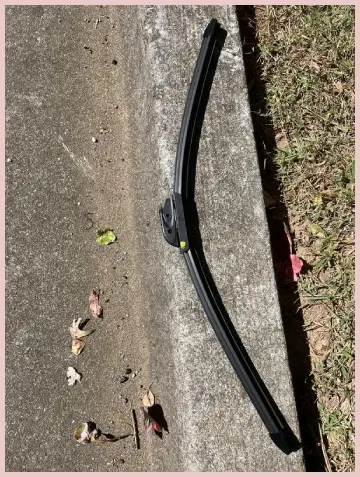
- Peak Optix Plus vs Bosch
Bosch has a strong reputation in automotive components, and its premium windshield wipers are popular among drivers who prioritize refined construction and long-term performance.
When I compare the two, I see Peak Optix Plus as the more value-focused choice.
Bosch can make more sense if you’re willing to pay extra for a premium product and want a brand with a long-standing reputation in automotive parts.
Peak Optix Plus, meanwhile, appeals to me when I want dependable everyday wiping without automatically choosing the most expensive option.
If you’re replacing several blades across multiple vehicles, the price difference can become particularly important.
- Peak Optix Plus vs Rain-X
Rain-X is another familiar name in windshield visibility products.
One reason I would consider Rain-X is the brand’s broad focus on water-repellent windshield products and wiper technology.
Peak Optix Plus takes a somewhat simpler approach for me. I’m primarily evaluating it as a replacement wiper rather than expecting it to transform the windshield’s water behavior.
If you already use Rain-X windshield treatments and prefer to stay within that ecosystem, Rain-X could be attractive.
But if your main concern is simply getting a capable replacement blade, Peak Optix Plus deserves consideration.
- Peak Optix Plus vs Michelin
Michelin is widely recognized for tires, but the brand also has automotive accessories, including windshield wipers.
The Michelin name naturally creates a certain level of confidence because of its automotive heritage.
When I compare the brands, I wouldn’t say Peak Optix Plus automatically beats Michelin. Instead, I’d look at the specific blade models, pricing, vehicle compatibility, and current availability.
For me, Peak Optix Plus becomes attractive when its price and fitment make sense for my vehicle.
- Peak Optix Plus vs Generic Budget Wipers
This is where I think Peak Optix Plus has a particularly compelling position.
Generic budget blades can be tempting when you’re trying to spend as little as possible. I’ve used inexpensive wipers before, and sometimes they perform surprisingly well.
The problem is consistency.
A very cheap blade may work nicely when it’s brand new but develop chatter, streaking, or uneven contact sooner than expected.
Peak Optix Plus feels like a more reassuring middle ground to me. I’m not paying strictly for the lowest possible price, but I’m also not necessarily paying premium-brand pricing.
For everyday drivers, that balance can be more important than chasing the cheapest replacement.
Who Should Buy Peak Optix Plus Wiper Blades?
I think Peak Optix Plus is best suited to drivers who want a practical upgrade from worn-out or basic windshield wipers.
I’d consider them particularly suitable if you commute regularly, experience frequent rainfall, want a modern beam-style appearance, or simply want to replace aging blades without spending heavily.
They’re also worth considering if your current wipers are leaving streaks or making noise and you’re ready for a fresh set.
However, I’d be more cautious if you’re looking for specialized performance under extreme weather conditions or if you’re willing to spend significantly more for a premium blade.
In those cases, comparing several high-end options before buying makes sense.
Frequently Asked Questions (FAQ)
They are a solid value-oriented option, offering smooth wiping and good everyday visibility when properly installed and maintained.
Popular choices include Bosch, Rain-X, Michelin, PIAA, and Peak, although the best choice depends on your vehicle and driving conditions.
Yes. Peak offers practical windshield-wiper options that can be appealing to drivers looking for dependable performance without premium pricing.
Consumer Reports evaluates windshield wipers based on performance and testing criteria; rankings can change, so check its latest published results for current recommendations.
Wrapping Up
I think you should buy Peak Optix Plus wiper blades if you’re looking for a reasonably priced, modern replacement that handles everyday rain and keeps windshield visibility clear.
From my experience, they offer a good balance of smooth operation, windshield contact, appearance, and value.
They’re not necessarily the only wipers I’d consider, but they make sense for drivers who don’t want to overpay for a routine maintenance item.
Keep the windshield clean, inspect the blades regularly, and replace them when performance starts declining, and Peak Optix Plus can be a sensible choice.
Recent Posts
BulkSupplements Casein Protein Powder Reviews: Is It Worth Buying?
If you're looking for an affordable protein powder that supports overnight muscle recovery, BulkSupplements Casein Protein Powder is worth considering.I like the idea of having a slow-digesting...
CeraVe Psoriasis Moisturizing Cream Reviews: Does It Really Work
If you're struggling with psoriasis-related dryness, itching, and stubborn flakes, choosing the right moisturizer can make a noticeable difference in your daily routine.CeraVe Psoriasis...