
If you’re looking for a multivitamin specifically formulated around the nutritional needs of people with kidney concerns, ProRenal D is worth considering.
I like the idea of a kidney-focused formula because ordinary multivitamins aren’t always designed with renal nutrition in mind.
That said, I would treat ProRenal D as a nutritional supplement rather than a treatment for kidney disease.
If its ingredient profile matches your needs and your healthcare professional agrees it is appropriate, I think it can be a practical option to consider.
My First Experience With Evaluating ProRenal D

When I look at a supplement such as ProRenal D, I don’t start by asking whether it is simply a “good multivitamin.” I ask a more important question: is it designed with kidney-related nutritional considerations in mind?
That distinction immediately makes ProRenal D interesting.
People with reduced kidney function can have nutritional requirements that differ from those of otherwise healthy adults.
Dialysis, dietary restrictions, medications, appetite changes, and the underlying kidney condition can all affect nutritional status.
Because of that, taking a generic multivitamin without considering its individual ingredients may not always be the smartest approach.
My impression of ProRenal D is that its biggest appeal is its kidney-specific positioning.
The addition of vitamin D is particularly relevant because vitamin D metabolism is closely connected with kidney function.
However, that doesn’t mean everyone with kidney disease automatically needs more vitamin D.
The right amount depends on laboratory results, kidney function, diet, medications, and advice from a medical professional.
I also appreciate the idea of keeping supplementation relatively straightforward. When I’m evaluating a daily vitamin, convenience matters. If I have to combine several different products to cover basic nutritional needs, the routine quickly becomes harder to maintain.
At the same time, I wouldn’t judge ProRenal D solely by its label. A kidney-friendly supplement needs to be considered in the context of the rest of a person’s diet and medical care.
Someone with chronic kidney disease may have restrictions involving certain minerals, while another person may have a deficiency that requires a completely different supplement or dosage.
That is why I would approach ProRenal D as one part of a larger nutritional plan.
The biggest takeaway from my evaluation is simple: ProRenal D may make sense for people who specifically want a renal-oriented multivitamin, but it shouldn’t replace personalized nutritional advice.
If you have kidney disease, are receiving dialysis, have had a kidney transplant, or take several medications, checking with your healthcare provider before starting it is especially sensible.
Pros Of Prorenal D
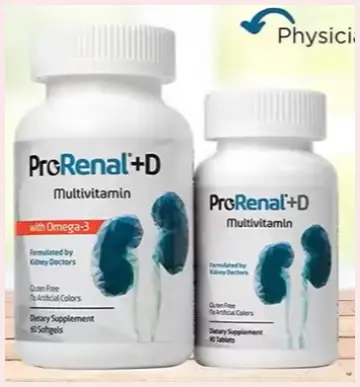
- Designed With Kidney Nutrition in Mind
The biggest advantage is the specialized purpose of the formula.
Instead of choosing a standard multivitamin and hoping it fits your dietary situation, ProRenal D is intended for people with kidney-related nutritional concerns.
That gives it a more focused purpose.
For me, that specialization is the first thing that separates it from a typical supermarket multivitamin.
- Convenient Daily Supplementation
Convenience is underrated.
If your healthcare provider has already determined that supplementation is appropriate, having several relevant nutrients combined into one formula can make the routine easier to manage.
I know that when a supplement routine becomes complicated, consistency can suffer. A simpler routine is usually easier to remember.
- Includes Vitamin D
The inclusion of vitamin D is another potential advantage.
Vitamin D is important for bone health and calcium regulation, and vitamin D status can be particularly relevant in people with impaired kidney function.
However, I would still avoid taking additional vitamin D products on top of ProRenal D unless a healthcare professional recommends doing so.
- Useful for People With Specific Nutritional Needs
People managing chronic kidney disease may have nutritional concerns that aren’t adequately addressed by generic products.
For someone whose clinician has recommended a renal-oriented multivitamin, ProRenal D may provide a convenient option to discuss.
The important word here is “specific.”
It isn’t necessarily something every healthy adult needs.
- May Simplify Supplement Routines
If you’re currently taking multiple individual vitamins, a specialized multivitamin could potentially simplify your daily routine.
That can be especially useful when you already have medications and dietary instructions to keep track of.
Still, I would never combine supplements blindly. The total amount of each nutrient matters.
- Focused Rather Than Trendy
Another thing I appreciate is the practical purpose behind a kidney-focused multivitamin.
Many supplements are promoted around vague concepts such as cleansing, boosting, or rejuvenating. A multivitamin has a much clearer nutritional purpose.
That doesn’t make it a treatment, but it does make the reason for taking it easier to understand.
Cons Of ProRenal D
- Not a Treatment for Kidney Disease
This is the biggest limitation.
ProRenal D cannot replace treatment prescribed for chronic kidney disease, kidney failure, high blood pressure, diabetes, or other underlying conditions.
I would be particularly cautious about any expectation that a multivitamin can “heal” damaged kidneys.
That isn’t what a vitamin supplement is designed to do.
- May Not Be Appropriate for Everyone
Kidney disease isn’t one single condition.
People can have different stages of kidney impairment, different nutritional deficiencies, different laboratory results, and different medications.
Because of this, a formula that suits one person may not be appropriate for another.
- Vitamin D Requires Some Care
Vitamin D deserves attention because excessive supplementation can be problematic.
If you’re already taking prescription vitamin D, calcium supplements, or another multivitamin, adding ProRenal D without professional guidance could result in unnecessary nutrient duplication.
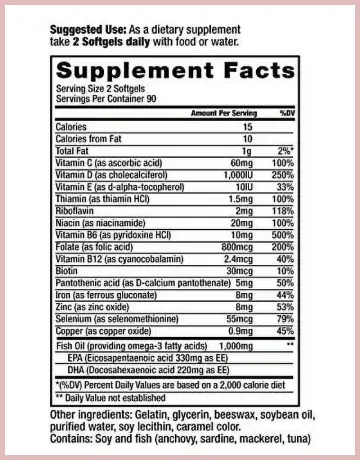
I would always check the complete supplement list.
- Extra Supplements May Create Overlap
This is an easy mistake to make.
You might take ProRenal D in the morning, another multivitamin at lunch, and a separate vitamin D supplement at night without realizing that you’re stacking the same nutrients.
I recommend checking labels carefully.
- Results Are Not Something You Should Expect to Feel Immediately
A multivitamin isn’t like caffeine.
If you take it today, you shouldn’t necessarily expect to feel dramatically different tomorrow. The purpose is nutritional support, particularly where dietary intake or deficiency is a concern.
That means expectations should remain realistic.
Maintenance Tips For Using ProRenal D
- Follow the Recommended Serving
I would start with the basic rule: follow the product directions and your healthcare provider’s instructions.
Taking more capsules doesn’t automatically mean better nutritional support.
If you miss a dose, don’t automatically double the next one unless your healthcare professional specifically tells you to.
- Keep Your Healthcare Provider Informed
If you have kidney disease, tell your doctor, nephrologist, renal dietitian, or pharmacist about every supplement you use.
This becomes especially important if you take prescription medications.
Your medical team can consider your kidney function, blood tests, diet, and medications before deciding whether the supplement makes sense.
- Review Your Blood Tests
I think this is one of the most useful habits for anyone using supplements for a medical reason.
Instead of guessing what your body needs, use appropriate laboratory testing when recommended.
Depending on your situation, your healthcare team may monitor vitamin levels, mineral levels, kidney function, and other markers.
Those results can help determine whether supplementation should continue or change.
- Avoid Unnecessary Supplement Stacking
Before adding vitamin D, calcium, B-complex products, or another multivitamin, compare the labels.
You don’t want to unknowingly duplicate ingredients.
I would keep a simple list of everything I take and show it to my healthcare provider.
- Store the Product Properly
Keep the bottle closed and store it according to the product’s instructions.
Avoid excessive heat and moisture, particularly in places such as bathrooms where temperature and humidity can fluctuate.
Good storage helps preserve supplement quality.
- Take It Consistently
If your healthcare professional recommends ProRenal D, consistency matters more than taking it randomly.
I prefer attaching daily supplements to an established habit, such as breakfast or another routine meal, provided that the product directions allow it.
A consistent routine makes missed doses less likely.
- Don’t Use Supplements to Replace a Renal Diet
This point deserves emphasis.
A multivitamin doesn’t compensate for an inappropriate diet.
If you’re managing kidney disease, your diet may need to account for factors such as sodium, potassium, phosphorus, protein, and fluid intake depending on your individual situation.
A renal dietitian can help personalize those choices.
- Watch for Changes in Your Health
If you develop unexpected symptoms after starting any supplement, don’t simply assume you need to push through them.
Discuss concerning changes with your healthcare provider.
And if you’re taking several medications or have advanced kidney disease, professional guidance before starting a new supplement is particularly important.
Comparison Of ProRenal D With Other Brand
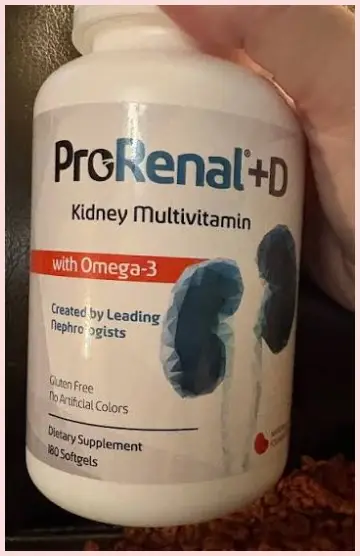
- ProRenal D vs. Standard Multivitamins
A standard multivitamin is designed for the general population, while ProRenal D is positioned around kidney-related nutritional needs.
That’s an important difference.
If I were choosing between them, I wouldn’t automatically assume that the product with more vitamins is better. I would first ask whether the formulation fits my individual medical and nutritional situation.
For someone without kidney disease, a kidney-focused formula may not provide a meaningful reason to switch from a conventional multivitamin.
For someone with renal nutritional concerns, the specialized approach may be more relevant.
- ProRenal D vs. Individual Vitamin Supplements
Another approach is taking separate supplements based on identified deficiencies.
This can offer greater flexibility because a healthcare provider can recommend specific nutrients and doses.
However, it can also make the routine more complicated.
ProRenal D offers the convenience of a combined formulation, whereas individual supplementation allows more precise adjustment.
Neither approach is automatically right for everyone.
The deciding factor should be your actual nutritional requirements.
- ProRenal D vs. Other Kidney-Focused Supplements
The kidney supplement category includes a wide range of products, and the ingredients can vary considerably.
Some products emphasize vitamins and minerals, while others focus on herbal ingredients or general wellness claims.
I would be cautious when comparing them.
A longer ingredient list isn’t necessarily a better formula. In kidney disease, “natural” also doesn’t automatically mean safe. Some herbal ingredients can interact with medications or create additional concerns for people with impaired kidney function.
For that reason, I would prioritize a transparent ingredient profile and professional guidance over flashy claims.
Who Should Consider ProRenal D?
I would mainly consider it for someone who has a specific reason to use a kidney-oriented multivitamin and has discussed supplementation with a healthcare professional.
It may be particularly relevant when a clinician or renal dietitian has identified a nutritional need that a specialized multivitamin can help address.
I wouldn’t recommend treating it as a universal daily vitamin simply because the word “kidney” appears on the label.
People with chronic kidney disease should have their supplementation choices individualized.
Who Should Be More Cautious?
If you have advanced kidney disease, receive dialysis, have undergone a kidney transplant, are pregnant, take several medications, or already use multiple vitamin and mineral supplements, I would be more cautious.
That doesn’t necessarily mean you cannot use ProRenal D.
It means you should have the complete formula reviewed by a qualified healthcare professional before adding it to your routine.
Also Read: Is Golden Revive Worth It?
Frequently Asked Questions (FAQ)
There isn’t one best multivitamin for everyone. The appropriate choice depends on kidney function, diet, medications, and laboratory results.
ProRenal D is used as a kidney-focused multivitamin for nutritional support, including vitamin D supplementation.
Supplements can help correct specific nutritional deficiencies, but they do not cure chronic kidney disease.
The appropriate form and dose depend on kidney function and vitamin D levels, so your healthcare provider should guide the choice.
Final Thoughts
After looking at ProRenal D from a practical standpoint, I see its main appeal in its specialized nutritional purpose rather than in any promise of treating kidney disease.
If you need a kidney-oriented multivitamin and your healthcare provider agrees that its formulation fits your nutritional needs, I think it can be a reasonable product to consider buying.
Just keep your expectations realistic: supplements support nutrition; they don’t replace kidney treatment, a renal diet, medication, or regular medical monitoring.
Recent Posts
If you’re searching for LubriSyn for humans reviews, I’d slow down before placing an order.LubriSyn is best known as a hyaluronic-acid joint supplement formulated for animals, particularly...
Finally Fresh Washing Machine Cleaner Reviews: Does It Really Work?
If your washer smells musty, leaves residue on clothes, or simply doesn’t feel as fresh as it should, a washing machine cleaner can make a noticeable difference. I tested Finally Fresh...