
Qunol Turmeric and Ginger may appeal to you if you’re looking for a convenient supplement to support joint comfort, everyday mobility, and general wellness.
I like the idea of combining two familiar plant ingredients in one product, especially for people who prefer a simple addition to their daily routine.
However, before you buy it, you should understand its ingredients, potential benefits, limitations, and possible side effects.
My recommendation is to consider Qunol Turmeric and Ginger if it fits your health goals, but check the label and consult your healthcare professional before starting.
My First Experience With Qunol Turmeric And Ginger
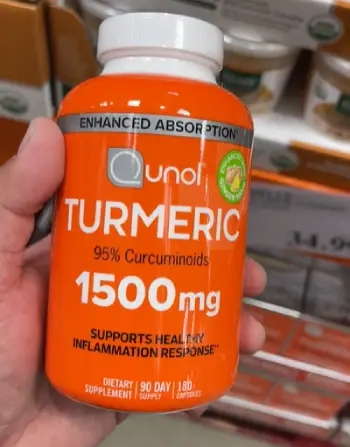
When I evaluate a supplement like Qunol Turmeric and Ginger, I look beyond the packaging and marketing claims.
I want to know what the ingredients do, whether the formula makes practical sense, how easy it is to take consistently, and whether the potential benefits justify the cost.
Turmeric and ginger are two well-known plants used in traditional food preparation and wellness practices.
Turmeric contains curcumin and other curcuminoids, which have been studied for their anti-inflammatory and antioxidant properties.
Ginger contains compounds such as gingerols and shogaols that researchers have investigated for their potential effects on inflammation, digestion, and nausea.
That combination sounds promising, but I would not automatically assume that putting the two ingredients into one capsule produces dramatic results.
The first thing I would check is the supplement facts panel. The amounts of turmeric, curcuminoids, and ginger matter because products with similar names can have different formulations.
I would also look for information about absorption-enhancing ingredients, serving size, and whether the formula contains additional components that might affect tolerability.
Another factor is convenience. If you already use turmeric and ginger in your meals, a supplement might seem like an easy way to add concentrated ingredients to your routine. However, supplements are not necessarily better than food, and their concentrated doses can introduce different risks.
I would also keep my expectations realistic. Some studies suggest that certain turmeric or ginger preparations may help with specific symptoms, including some forms of joint discomfort. The results vary depending on the formulation, dosage, duration, and condition being studied. Evidence for one concentrated extract does not automatically apply to every supplement containing the same plant.
I would not describe Qunol Turmeric and Ginger as a guaranteed solution for pain, stiffness, digestive problems, or inflammation.
Instead, I would assess it as a possible addition to a broader wellness routine that includes balanced nutrition, regular movement, adequate sleep, and appropriate medical care.
One important distinction: these reviews should not be mistaken for a personal clinical trial or a claim that I have experienced a particular improvement while taking the product. Without verified personal-use data and the exact formulation, it would be misleading to promise specific results.
My overall approach is straightforward: check the ingredients, understand what the research actually supports, consider safety, and decide whether the supplement offers a reasonable fit for your needs.
Pros Of Qunol Turmeric And Ginger

- Two Familiar Ingredients in One Product
One obvious advantage is convenience. Instead of buying separate turmeric and ginger supplements, you may be able to get both ingredients in one formula.
That can simplify your daily routine, reduce the number of bottles you need to store, and make it easier to remember what you are taking.
However, convenience alone does not establish that the formula contains effective amounts of either ingredient. You still need to inspect the supplement facts panel.
- Ingredients With Scientific Research Behind Them
Turmeric and ginger are not entirely unfamiliar ingredients with no research history. Researchers have investigated curcumin and ginger compounds for their possible roles in inflammation, joint discomfort, and other health concerns.
That gives consumers a reasonable starting point when comparing supplements.
The qualification is important: research on an isolated ingredient, a specialized extract, or a specific dosage cannot automatically validate every product that contains turmeric and ginger.
I would give more weight to evidence relevant to the actual formulation than to broad statements about the plants.
- Potential Convenience for Joint Wellness Routines
If joint comfort is your primary concern, turmeric and ginger may be ingredients worth discussing with a healthcare professional.
Some studies suggest that certain preparations may help with particular types of discomfort, although the magnitude and reliability of the benefits remain uncertain.
The advantage here is potential usefulness, not guaranteed effectiveness. You should also consider established approaches such as appropriate physical activity, strength training, weight management when relevant, and treatment recommended by your clinician.
- An Easy Addition to an Existing Routine
Capsule-based supplements can be easier to use consistently than preparing concentrated herbal drinks or measuring powders every day.
For someone with a busy schedule, that convenience can matter.
Still, I would not assume the product is easy to swallow, gentle on the stomach, or suitable for everyone without checking the actual serving instructions and ingredient list.
- May Suit People Who Prefer Not to Prepare Herbal Drinks
Some people enjoy ginger tea or turmeric-based drinks, while others find preparation inconvenient.
A supplement offers a different format that may fit more easily into a regular schedule.
On the other hand, food-based options provide culinary enjoyment and allow you to include these ingredients alongside a varied diet. There is no universal reason to assume a supplement is the superior choice.
Cons Of Qunol Turmeric And Ginger

- Results Are Not Guaranteed
The biggest drawback is uncertainty.
Some research involving particular turmeric or ginger preparations has reported benefits, but the findings are not consistent enough to promise meaningful improvements for everyone.
Your response may depend on your health condition, diet, medication use, dosage, and the supplement’s formulation.
You might notice no meaningful change at all. That possibility should factor into your decision before spending money on a bottle.
- The Exact Formula Matters
The name alone does not tell you how much turmeric, curcumin, or ginger the product contains.
It also does not establish whether the ingredients are standardized extracts, ordinary powders, or specialized formulations.
Without checking the exact label, I would not claim that the product contains a clinically studied dose or absorbs better than competing supplements.
If the label is unclear about ingredient quantities, that is a reason to seek clarification before buying.
- Possible Digestive Side Effects
Turmeric and ginger supplements can cause digestive problems in some people.
Potential side effects include nausea, abdominal discomfort, heartburn, diarrhea, and stomach irritation.
Taking more than the recommended amount may increase the likelihood of unwanted effects without providing additional benefits.
If you have a sensitive stomach, a history of reflux, or an existing digestive condition, discuss the product with your healthcare professional before starting it.
- Medication Interactions Require Attention
Herbal supplements are not automatically safe to combine with prescription medications.
Turmeric and ginger may affect bleeding risk, particularly when used in concentrated supplemental amounts alongside anticoagulant or antiplatelet medicines. Other potential interactions depend on the specific medication and the person’s health circumstances.
If you take regular medication, especially medication affecting blood clotting or blood sugar, ask your clinician or pharmacist to review the full ingredient list.
Do not stop or change prescribed treatment to accommodate a supplement.
- Not Suitable for Every Health Situation
People with gallbladder problems, a history of kidney stones, certain digestive disorders, or other relevant medical conditions may need individualized advice before using concentrated turmeric products.
The appropriate precautions depend on the condition and the formulation.
If you are pregnant or breastfeeding, seek professional advice before taking concentrated turmeric and ginger supplements. Culinary quantities used in ordinary foods are different from concentrated supplemental doses.
- Value Depends on the Benefits You Actually Receive
Even a reasonably priced supplement can become an unnecessary expense if it does not address your needs.
You should compare the serving size, ingredient quantities, product quality, and cost per serving rather than choosing based only on bottle size or promotional claims.
For me, the key disadvantage is that you may pay for convenience without experiencing a noticeable benefit.
Maintenance Tips For Qunol Turmeric and Ginger
- Read the Supplement Facts Panel Before Taking It
Start by checking the exact product name, serving size, active ingredients, and directions.
Confirm how much turmeric and ginger each serving provides. If the label lists curcuminoids or other standardized compounds, review those quantities too.
Do not assume that two bottles with similar names have identical formulas.
I would also check the inactive ingredients, particularly if you have allergies, dietary restrictions, or sensitivities to particular additives.
- Follow the Recommended Serving
Use the product only as directed on its current label, unless your healthcare professional gives you different instructions.
Taking extra capsules because you want faster results is not a sensible strategy. A higher dose may increase side effects and interaction risks.
More is not necessarily better, especially when dealing with concentrated plant extracts.
If you miss a serving, follow the label’s instructions rather than doubling the next one.
- Ask About the Best Time to Take It
The best timing depends on the specific formulation and its directions.
Some turmeric preparations are intended to be taken with food, and taking a supplement with a meal may help reduce stomach discomfort for certain people. However, you should follow the instructions provided for your actual product.
If you take several medications or supplements, ask a pharmacist whether you need to separate doses or avoid particular combinations.
Do not create a complicated schedule without a clear reason.
- Store the Bottle Correctly
Keep the bottle in a cool, dry place and follow any storage directions printed on the packaging.
Avoid leaving it in a hot car, a damp bathroom, or a location exposed to direct sunlight if those conditions conflict with the label’s instructions.
Keep the cap securely closed and store the product out of reach of children and pets.
Moisture and excessive heat can affect product quality, so good storage habits are worthwhile even when the bottle appears undamaged.
- Check the Expiration Date and Packaging
Before purchasing, inspect the expiration date and packaging condition.
Do not use a product if the seal is broken when you receive it, the packaging appears tampered with, or the contents show unusual changes that suggest damage.
Once opened, follow the manufacturer’s storage and usage guidance.
I would also keep the original label available so you can show your healthcare professional exactly what you are taking if a question about side effects or interactions arises.
- Track Your Symptoms and Expectations
If you begin taking the supplement after discussing it with a healthcare professional, identify a specific outcome you want to monitor.
For example, if joint discomfort is your concern, record how frequently it occurs and whether it affects your normal activities.
If digestive comfort is your goal, note relevant symptoms and possible triggers.
Avoid relying entirely on memory. A brief written record can help you distinguish a genuine change from ordinary fluctuations in how you feel.
Set realistic expectations and do not interpret every improvement as proof that the supplement caused it.
Comparison Of Qunol Turmeric And Ginger With Other Brands

- Qunol Turmeric and Ginger vs. Standalone Turmeric Supplements
A standalone turmeric supplement may be a better fit if your primary interest is curcumin and you want to examine a specialized turmeric formulation.
Some standalone products provide standardized curcuminoid amounts or use formulations designed to improve absorption. However, the quality and evidence behind these features vary.
Qunol Turmeric and Ginger may be more convenient if you specifically want both plant ingredients in one product.
I would compare the amount of turmeric extract, curcuminoid content, serving size, and any absorption-enhancing ingredients before deciding which offers better value.
- Qunol Turmeric and Ginger vs. Standalone Ginger Supplements
Standalone ginger products may appeal to people whose primary goal relates to a specific use of ginger, such as nausea support.
A dedicated ginger supplement can make it easier to evaluate the amount of ginger provided without paying for an additional ingredient you may not need.
Qunol’s combination format may be convenient if you are interested in both turmeric and ginger.
Neither format is automatically more effective. Your decision should depend on your intended use, the formulation, safety considerations, and professional advice when necessary.
- Qunol Turmeric and Ginger vs. Herbal Powders
Turmeric and ginger powders offer flexibility because you can add them to meals, soups, teas, and other recipes.
This option can be affordable and fits naturally into a varied diet. It also allows you to enjoy the ingredients as foods rather than treating them exclusively as supplements.
The trade-off is that culinary amounts and concentrated extracts are not equivalent. Powders can also vary in composition, and it may be difficult to compare their active-compound content with a standardized capsule.
If you mainly want to cook with turmeric and ginger, ordinary food-based options may be all you need.
- Qunol Turmeric and Ginger vs. Homemade Turmeric and Ginger Tea
Homemade tea can be appealing if you enjoy the flavor and want a comforting drink.
You can adjust the amount of fresh ginger and turmeric to your taste, combine them with other culinary ingredients, and avoid purchasing a dedicated supplement.
However, the quantity of curcumin and other compounds extracted into a drink can vary considerably. A homemade tea should not be assumed to provide the same dose or effects as a concentrated extract.
I would choose tea for enjoyment and culinary use, not as a guaranteed substitute for a clinically studied supplement.
Which Option Offers The Best Value?
The best choice depends on what you need.
If you want both turmeric and ginger in one convenient format, Qunol Turmeric and Ginger may be worth considering after you verify its current label.
If you want to focus on curcumin specifically, a well-characterized standalone turmeric product may be easier to evaluate.
If your priority is culinary use, fresh ginger and turmeric powders may be sufficient.
I would compare the cost per serving, ingredient transparency, manufacturing quality, and evidence relevant to your goal. I would not pay more simply because a label promises broad wellness benefits.
Who Should Consider Qunol Turmeric And Ginger?
This supplement may be worth discussing with a healthcare professional if you are an adult interested in turmeric and ginger as optional additions to a broader wellness routine.
It may particularly interest people who prefer taking a combined supplement rather than buying two separate products.
However, it is not necessary for everyone, and people who already enjoy these ingredients in food may not need a supplement.
You should seek professional guidance before using it if you take medication regularly, have a relevant medical condition, are pregnant or breastfeeding, or have experienced reactions to similar products.
It is also important to recognize when a supplement is not the right response. Severe or persistent pain, unexplained swelling, recurring digestive symptoms, or other ongoing health problems deserve appropriate medical evaluation.
Also Read: Is Beast Bites Creatine Gummies Worth It?
Frequently Asked Questions (FAQ)
It combines turmeric and ginger, ingredients studied for potential support with certain types of joint discomfort, inflammation-related processes, and digestive symptoms. Benefits are not guaranteed.
Some studies suggest benefits for specific conditions, but results vary by ingredient, dosage, formulation, and individual. They are not proven remedies for every health concern.
Possible side effects include heartburn, nausea, abdominal discomfort, and diarrhea. Concentrated supplements may also interact with medications, including some that affect blood clotting.
Some turmeric formulations have shown potential benefits in certain studies, but that does not establish that every Qunol product will work for every person. Results depend on the formulation and intended use.
Wrapping Up
My overall assessment is that Qunol Turmeric and Ginger may be worth considering if you want a convenient combination of two well-known plant ingredients.
Its potential appeal comes from convenience and the research interest surrounding turmeric and ginger, not from guaranteed results.
Before buying, check the exact formulation, compare the cost per serving, and review possible medication interactions with your healthcare professional.
If the product suits your circumstances and supports a realistic goal, it may have a place in your routine. I would not treat it as a replacement for medical care or healthy daily habits.
Recent Posts
Shark Matrix Self-Emptying Robot Vacuum Reviews: Is It Worth Buying?
If you want cleaner floors without spending hours pushing a vacuum around your home, the Shark Matrix Self-Emptying Robot Vacuum deserves a closer look. I like the idea of a robot that can...
If you want a face wash that cleans your skin without leaving it feeling tight and uncomfortable, Mamaearth Rice Face Wash may be worth considering.In my assessment, its rice-based skincare...