
If you want clearer visibility during rain without spending a fortune on premium windshield wipers, Rain-X Latitude wiper blades deserve your attention.
I like the idea of combining reliable wiping performance with a water-repellent effect that helps rain move off the windshield. These beam-style blades also offer a sleek design that suits many modern vehicles.
If you frequently drive through heavy rain, deal with changing weather, or simply want a practical windshield upgrade, I recommend considering Rain-X Latitude wiper blades for your next replacement.
My First Experience With Rain-X Latitude Wiper Blades
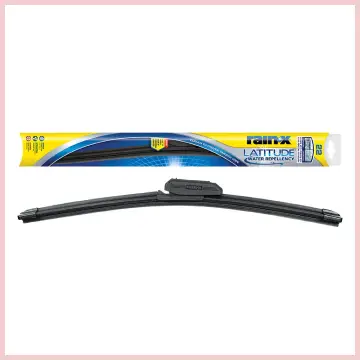
When I evaluate windshield wipers, I focus on three things: how effectively they clear water, how quietly they operate, and how consistently they perform when the weather turns unpleasant.
Rain-X Latitude wiper blades stand out because they combine a flexible, frameless design with the brand’s water-repellent technology.
What interests me most is the promise of getting more than ordinary wiping performance.
Traditional wiper blades primarily push water away from the glass, while Rain-X Latitude blades are designed to help apply a water-repellent coating as they operate.
That combination can make rainy driving more comfortable, especially when you’re dealing with persistent drizzle or water collecting on the windshield.
I would pay particular attention to how the blades behave during the first few uses. Properly installed wipers should move smoothly across the glass without leaving broad streaks, skipping over sections, or producing excessive noise.
However, the results depend on the windshield’s condition, the installation, the weather, and whether the rubber edges are clean.
Another feature I appreciate is the beam-style construction. Instead of relying on a traditional exposed metal frame with multiple pressure points, these blades use a curved structure designed to maintain contact with the windshield.
That can be helpful on vehicles with curved windshields, where older conventional blades sometimes struggle to distribute pressure evenly.
The water-repellent feature is particularly appealing for highway driving. When rain hits the windshield, the treatment may encourage droplets to bead and move away rather than spreading into a continuous film.
At higher speeds, airflow can help carry those droplets away, although the effect varies with rainfall intensity, vehicle speed, and windshield angle.
Still, I wouldn’t expect any wiper blade to eliminate the need for careful driving in bad weather. Heavy rain, road spray, worn tires, and poor visibility can remain serious problems even with quality wipers.
My overall assessment is that Rain-X Latitude blades offer an interesting combination of practical design and added water-repellent functionality. They’re worth considering if you want a windshield wiper upgrade that aims to do more than simply sweep water away.
Pros Of Rain-X Latitude Wiper Blades
- Water-Repellent Performance
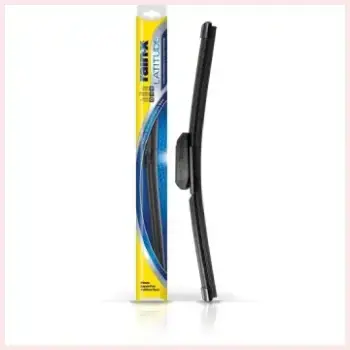
The biggest advantage, in my view, is the combination of wiping and water-repellent functionality.
Ordinary blades are designed mainly to remove water from the glass. Latitude blades add a treatment intended to encourage rainwater to bead, potentially improving the driver’s view between wiping cycles.
This can be useful when rain starts suddenly and you need your windshield to remain as clear as possible.
The benefit is especially noticeable in situations where water would otherwise spread into a thin film across the glass. However, the degree of improvement depends on conditions, and you should not expect the treatment to perform equally well in every storm.
- Flexible Beam Design
I consider the flexible construction another meaningful advantage.
Because beam-style blades are designed to follow the windshield’s curvature, they can maintain more consistent contact than an ill-fitting or worn conventional blade.
Consistent pressure matters because even a small section of rubber lifting away from the glass can leave a distracting patch of water.
The flexible structure also reduces the number of exposed mechanical joints. This creates a modern appearance and may help the blade maintain contact across different areas of the windshield.
- Potentially Better Performance in Challenging Weather
Rain-X Latitude blades can be a sensible choice for drivers who encounter frequent rainfall.
Their curved design and water-repellent treatment may help when you’re driving through ordinary showers, wet roads, and changing weather conditions.
I would particularly value dependable wiping during early-morning commutes, evening drives, and long highway journeys when visibility matters most.
Nevertheless, no blade can overcome every weather condition. Extremely heavy rain can overwhelm the wipers’ ability to clear water, and road spray can reduce visibility even when the windshield itself is clean.
- Sleek, Modern Appearance
Some drivers care about how replacement parts look, and I understand why.
Latitude blades have a streamlined profile that complements the appearance of many modern vehicles. Compared with conventional framed wipers, their design can look cleaner and less bulky.
Although appearance shouldn’t outweigh safety or compatibility, it’s a welcome benefit when the product also provides useful functionality.
- Fewer Exposed Joints
Traditional wipers can collect debris around their framework and joints. A beam-style design has fewer exposed mechanical components, which can make it less awkward to clean.
In winter climates, reducing exposed joints may also help limit the accumulation of snow and ice around the blade structure.
That doesn’t mean the rubber cannot freeze to the windshield or that the blades are immune to winter damage. It simply makes the design appealing for drivers who prefer a less complicated external structure.
Cons Of Rain-X Latitude Wiper Blades
- They May Cost More Than Basic Blades
Rain-X Latitude blades may be more expensive than entry-level conventional replacements.
That extra cost may make sense if you value the beam-style construction and water-repellent feature. However, drivers who mainly need dependable everyday wiping may find a simpler blade sufficient.
I would compare the price of the correct blade sizes with alternatives before deciding. A higher price doesn’t automatically mean a longer service life or superior performance in every vehicle.
- Water Repellency Is Not Permanent
The water-repellent effect should not be considered a permanent windshield treatment.
Its performance may diminish with use, repeated cleaning, environmental contamination, and other factors. You may eventually need to renew the treatment using a compatible windshield product if you want to maintain that benefit.
I would also avoid assuming that the entire windshield will remain water-repellent indefinitely just because the blades are designed to help apply a treatment.
- Installation Requires Attention
Although replacement can be straightforward, compatibility matters.
Some wiper arms require particular adapters, and the installation process may differ by vehicle. If the connector isn’t fully secured, the blade may wobble, sit incorrectly, or detach.
I recommend checking the instructions before removing the old blade. It’s also wise to place a towel over the windshield while changing wipers so the bare metal arm cannot snap against the glass.
- Streaking Can Still Occur
Even quality blades can leave streaks if the windshield is dirty, the rubber is contaminated, or the blade is wearing out.
Oily road film, tree sap, insect residue, and mineral deposits can interfere with smooth wiping. Sometimes drivers blame the blade when the actual problem is a dirty windshield.
If streaking continues after cleaning the glass and rubber, inspect the edges for cracks, deformation, or uneven wear.
- Performance Depends on the Vehicle
A blade that works well on one vehicle may not perform identically on another.
Windshield curvature, wiper-arm pressure, blade length, and attachment geometry all affect performance. This means you should treat general product praise as a starting point rather than a guarantee.
I would choose the exact fitment recommended for the vehicle instead of selecting a blade based on appearance or price alone.
Maintenance For Rain-X Latitude Wiper Blades
- Clean the Windshield Regularly
I would start with the windshield itself.
Dirt, dust, oily road residue, and insect remains can build up on the glass and interfere with the blade’s movement.
Even new wipers may chatter or leave streaks when operating over a contaminated surface.
Use a suitable automotive glass cleaner and a clean microfiber cloth. Work across the windshield carefully, paying attention to the areas where the blades normally rest.
Avoid using household cleaners that may leave residues or damage nearby materials. If you’re using a separate water-repellent windshield treatment, follow its instructions and confirm that it is compatible with the existing coating.
- Wipe the Rubber Edges
The rubber edges come into direct contact with the glass, so keeping them clean matters.
I recommend gently wiping the blade edges with a clean, damp cloth whenever you wash your vehicle or notice streaking. This can remove accumulated dust and grime.
Inspect the rubber as you clean it. Look for cracks, splits, hardened sections, or edges that appear uneven.
Don’t pull aggressively on the rubber or use harsh solvents. Damaging the wiping edge can reduce performance even when the rest of the blade looks fine.
- Check the Blades Every Month
A quick monthly inspection is a useful habit.
Look for loose connectors, visible rubber damage, bent components, or sections that no longer sit properly against the windshield. Test the blades with sufficient windshield-washer fluid rather than running them across dry, dusty glass.
Pay attention to any sudden change in sound or wiping quality. If a previously quiet blade begins skipping or leaving large unwiped areas, investigate the cause before driving in heavy rain.
- Use Suitable Windshield-Washer Fluid
Washer fluid helps remove dirt that ordinary wiping may spread across the glass.
I would use automotive washer fluid appropriate for the climate and vehicle. In freezing conditions, select a formula rated for the expected temperatures.
Avoid operating the wipers without enough fluid when the windshield is dirty. Dry wiping can increase friction and may scratch the glass if grit is trapped underneath the rubber.
Also, don’t assume that plain water is always a suitable replacement. It may not remove oily grime effectively and can freeze in cold conditions.
- Avoid Running the Blades Over Ice
Ice can be particularly damaging to wiper rubber.
If the blades are frozen to the windshield, don’t force them to move. Doing so can tear the wiping edge or strain the wiper mechanism.
Instead, use the vehicle’s appropriate defrost setting and a suitable ice scraper. Wait until the blades are free before operating them.
In snowy conditions, lift the blades only if your vehicle’s design and manual permit it. Some vehicles have specific wiper service positions, and forcing the arms into an unsuitable position can damage the mechanism.
- Protect the Blades From Unnecessary Sun Exposure
Heat and ultraviolet exposure can gradually deteriorate rubber.
You can’t avoid all sunlight, but parking in a garage or shaded location when practical may help reduce prolonged exposure.
I wouldn’t treat shade as a substitute for inspection, though. Rubber can age because of heat, contamination, and normal use regardless of where the vehicle is parked.
- Replace Blades When Performance Declines
There is no single replacement interval that suits every driver.
As a general guideline, many drivers inspect their wipers frequently and replace them around every six to twelve months, depending on climate, usage, and condition. Some last longer, while others deteriorate sooner.
I would prioritize actual performance over a rigid calendar. Persistent streaking, skipping, chatter, torn rubber, and missed sections are all reasons to investigate replacement.
If cleaning doesn’t solve the problem, a new set may be the most sensible option.
Comparison Of Rain-X Latitude With Other Wiper Blade Brands
- Rain-X Latitude vs. Bosch ICON
The Bosch ICON is a well-known premium beam-style blade, while Rain-X Latitude combines a similar general design approach with water-repellent functionality.
I would lean toward Rain-X Latitude if the water-repellent feature is important to me and I want to combine it with a streamlined beam-style blade.
Bosch ICON is worth considering if I prefer a premium replacement focused on wiping performance and durability. Its actual lifespan and results still depend on vehicle fitment and driving conditions.
Neither product is automatically better for every driver. I would compare the correct sizes, current prices, warranty terms, and user experiences for my specific vehicle before choosing.
- Rain-X Latitude vs. Michelin Wiper Blades
Michelin offers several wiper options, including products with different constructions and price points.
Compared with a basic Michelin replacement, Rain-X Latitude may appeal more to drivers interested in water-repellent functionality and a beam-style profile.
However, Michelin’s range varies by model, so I wouldn’t compare the entire brand as though every blade has identical features. Some models prioritize affordability, while others use more advanced designs.
My preference would depend on the exact Michelin model available and whether its performance features justify any price difference.
- Rain-X Latitude vs. Conventional Framed Wiper Blades
Conventional framed blades remain a practical option for drivers who want a straightforward replacement at a lower price.
Their metal framework distributes pressure through several points, while beam-style Latitude blades use a flexible structure intended to follow the windshield’s contour.
I would consider conventional blades if affordability is my primary concern and my vehicle performs well with that design.
However, I prefer the cleaner profile and reduced number of exposed joints offered by beam-style blades. The water-repellent feature is another reason I might choose Latitude over a basic framed alternative.
The trade-off is that a conventional blade may provide sufficient performance for less money, particularly for drivers who don’t need additional water-repellent functionality.
- Rain-X Latitude vs. Other Rain-X Wiper Blades
Rain-X sells multiple wiper blade styles, so Latitude isn’t necessarily the best option for every vehicle or budget.
Some alternatives focus on more conventional replacement functionality, while other products may emphasize premium construction or different water-repellent features.
I would start by deciding what matters most: affordability, windshield coverage, water repellency, or compatibility with a particular vehicle.
Latitude makes sense if you want a beam-style design with an emphasis on rainwater beading. A different Rain-X model may be more suitable if it costs less and meets your everyday needs.
The most useful comparison is between the exact products available for your car, not just the names printed on the packaging.
Also Read: Is Michelin Guardian Wiper Blades Worth It?
Frequently Asked Questions (FAQ)
They often last around six to twelve months, although climate, usage, storage, and maintenance can shorten or extend their service life.
Bosch ICON is a strong premium option, while Rain-X Latitude adds water-repellent functionality. The better choice depends on your priorities and vehicle.
Rain-X Latitude is worth considering for beam-style construction and water repellency. The best model depends on your vehicle, budget, and driving conditions.
Yes, they can be worth it if you value effective wiping and water-repellent features. Compare prices and fitment before buying.
Wrapping Up
I consider Rain-X Latitude wiper blades a worthwhile option for drivers who want a modern beam-style design and the added benefit of water-repellent technology.
Their value depends on correct fitment, regular maintenance, and realistic expectations about performance in heavy rain.
If you frequently drive in wet weather and want an upgrade from basic conventional blades, I recommend considering Rain-X Latitude for your next replacement. Just remember that clean glass, properly installed wipers, and safe driving habits remain essential.
Recent Posts
If you want a stylish handbag that combines feminine designs, practical storage, and an affordable fashion appeal, Nanette Lepore handbags are worth considering. I find the brand...
If you're looking for a convenient way to add sea moss to your daily wellness routine, Herbal Vineyards Sea Moss may be worth considering. I like the idea of a supplement that offers...