
I spent weeks testing Roborock and Dreame robot vacuums side by side in my own home with mixed hard floors, medium carpets, two shedding dogs, and the usual clutter of cables and toys.
My goal here is simple: give you a clear, practical breakdown of how these two brands stack up on suction, mopping, navigation, docks, reliability, and value so you can pick the one that actually fits your floors and lifestyle without the marketing noise.
| Feature | Roborock (typical flagship) | Dreame (typical flagship) |
| Max claimed suction | Up to 36,000 Pa | Up to 35,000–42,000 Pa |
| Navigation | Solid-state LiDAR + camera systems | Retractable LiDAR + dual AI cameras |
| Obstacle avoidance | Strong, consistent | Often stronger in lab tests |
| Mopping system | Dual spinning or roller pads, high pressure | Dual spinning or roller, extending arms, hot water options |
| Threshold climb | Up to ~57 mm | Up to 51–60+ mm with ProLeap legs |
| Robot height | Often 3.14 in (slim designs) | Often 3.13 in |
| Dock features | Auto-empty, hot water wash (up to 212°F), dry, refill | Auto-empty, hot water wash, dry, detergent dosing, longer bag life |
| Warranty | Usually 1 year | Often 3 years |
| App polish | More mature and stable | Feature-rich but sometimes less refined |
| Best for | Consistent performance, software | Value, pets, high thresholds, mopping |
My First Experience With Roborock And Dreame
I unboxed the Roborock first. Setup took about ten minutes. The app guided me through Wi-Fi pairing and the initial mapping run.
The robot moved with quiet confidence, sliding under the sofa without hesitation and climbing the low doorway threshold between the living room and kitchen.
After the first full clean I checked the dustbin and found a surprising amount of hair and grit. The dual brushes looked almost clean.
The mop pads left the hard floors shiny without any leftover streaks. I felt relieved because the whole process needed almost no babysitting.
Two days later I set up the Dreame. Mapping finished a little faster, and the cameras clearly spotted the dog toys I had left out.
The robot paused, then carefully went around them. When it reached the same raised doorway it lifted itself higher than the Roborock and crossed without effort. Pet hair disappeared from the medium-pile rug in one pass.
The extending mop arms reached closer to the baseboards than I expected. After the run the dock washed the pads with hot water and the floors smelled fresher.
Both machines impressed me on day one, yet in different ways. The Roborock felt smoother and more predictable.
The Dreame felt more capable around obstacles and edges. I already knew I would keep testing both for weeks, but that first afternoon showed me neither brand would disappoint.
Key Differences Between Roborock And Dreame
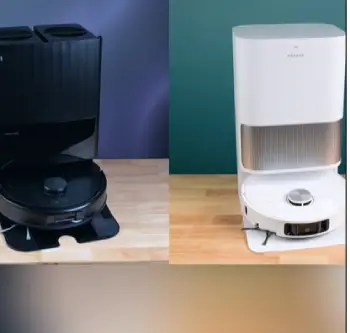
- Suction power and real-world pickup: Both brands post high numbers on the box, yet Roborock delivers steadier results across different carpet depths and debris types.
Dreame matches or beats it on flat pet hair and loose dirt in many cases.
- Navigation and obstacle handling: Roborock systems feel smoother and get stuck less often in busy rooms.
Dreame scores higher on pure avoidance tests and clears raised thresholds more easily with its lifting designs.
- Mopping approach: Roborock relies on strong pressure and reliable lift mechanisms that keep carpets dry.
Dreame adds extending mop arms for better edge coverage and hotter wash cycles inside the dock.
- Dock automation and maintenance: Both brands offer full self-emptying, washing, and drying stations.
Dreame usually includes detergent dosing and longer dust-bag capacity, while Roborock docks run quieter in daily use.
- Software and long-term ownership: Roborock’s app handles mapping, no-go zones, and multi-floor setups with fewer hiccups.
Dreame’s app works well but feels less refined, though its longer warranty adds extra peace of mind.
- Price positioning: Dreame often costs less for similar hardware and features.
Roborock asks for a premium that many owners feel is worth it for the polished experience.
Also Read: Is Roomba Combo i5 Worth It?
Key Features Of Roborock Models
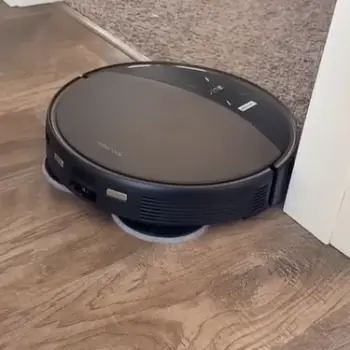
- High suction with dual anti-tangle brushes: These designs pull dirt from deep carpet fibers while cutting down on hair wrap.
The brushes stayed cleaner longer during my tests with two dogs.
- Solid-state LiDAR navigation without a tall turret: The low body slides under sofas and beds that taller robots skip.
Mapping stays accurate in dim rooms, and the robot resumes cleaning after it recharges.
- Spinning or vibrating mop systems with automatic lift: Pads scrub hard floors with real pressure and rise when carpet is detected.
This keeps rugs dry while still leaving floors looking fresh.
- Multi-function docks that wash with hot water: The dock empties the dustbin into a sealed bag, rinses the pads, and dries them with warm air.
Some models also dose detergent and refill the water tank.
- Mature app with clear 3D maps: Creating no-go zones and setting room schedules feels straightforward.
Voice assistant support works reliably on the higher models.
- Threshold-climbing chassis on flagship units: The robot handles single and double-layer transitions that stop many other machines.
Doorways become less of a problem as a result.
Pros Of Roborock
- Consistently strong cleaning across floor types: Pickup stays reliable on hard floors and medium-pile carpet without big swings in performance from day to day.
- Polished software experience: Mapping, editing, and scheduling take less time to learn. Updates arrive regularly and the interface remains stable.
- Effective anti-tangle brush designs: Hair wrap happens less often, which means fewer interruptions for pet owners who deal with long fur.
- Quiet and refined dock operation: Emptying and washing cycles stay less noticeable in open living spaces.
- Strong long-term reliability reputation: Many owners report years of solid service along with good parts availability.
- Excellent low-profile designs: The robots reach under low furniture more easily and cover more of the floor that actually collects dust.
Cons Of Roborock
- Higher price for equivalent features: You often pay more compared with Dreame models that match or exceed the hardware list.
- Shorter standard warranty: One year is common, and that can feel short given the cost of these machines.
- Obstacle avoidance can lag in cluttered tests: Some results show more hesitations or minor collisions than top Dreame units.
- Mopping edge coverage sometimes limited: Without extending arms the pads may leave a thin strip along walls.
- Dock size and placement requirements: The stations need dedicated floor space and can look bulky in smaller apartments.
- Occasional app quirks on complex layouts: Mapping large or oddly shaped homes can require extra manual adjustments.
Key Features Of Dreame Models
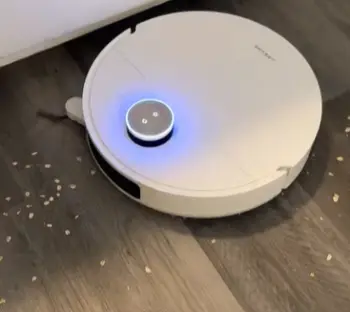
- Strong suction paired with anti-tangle brush systems: These setups excel at pet hair and keep airflow steady even as the bin fills.
Some models actively cut long hair so the roller stays free.
- Retractable LiDAR plus dual AI cameras: The sensor drops into the body for a slim profile under furniture and rises when needed.
Cameras recognize many object types so the robot steers around toys and cables more confidently.
- Extending mop arms and high-pressure pads or rollers: Side mops reach closer to baseboards and into corners.
Many units heat the wash water and can make extra passes on dirtier spots.
- Lifting legs for taller thresholds: The chassis raises the robot over steps and door tracks that stop flatter machines.
This expands the cleanable area in homes with raised transitions.
- Fully automated docks with long bag life: Dust collection often lasts many weeks, mop washing uses hot water, and dual tanks handle clean water, dirty water, and cleaning solution.
- Solid battery runtime and multi-floor mapping: Most models resume where they left off and support detailed room-by-room control through the app.
Pros Of Dreame
- Strong value at every price tier: You typically get higher claimed suction, hotter mop washing, and longer warranties for less money.
- Superior obstacle avoidance and threshold handling: Cameras and lifting legs let the robot navigate messier homes and climb higher transitions more confidently.
- Aggressive mopping features: Extending arms and hot-water systems deliver cleaner edges and better stain removal on hard floors.
- Longer warranties on many models: Three years is common and reduces the risk of an expensive early failure.
- Excellent pet-hair performance in multiple tests: Flattened hair pickup often reaches high percentages, and anti-tangle tech keeps maintenance lower.
- Innovative chassis designs: Slim profiles plus retractable sensors and legs expand the usable cleaning area under furniture and over thresholds.
Cons Of Dreame
- App can feel less polished: Mapping and zone editing work, yet they sometimes lag or need more steps than Roborock’s interface.
- Hair tangle issues on some mid-range models: Certain brush designs still collect long hair more readily than the best Roborock units.
- Support network is still maturing: Response times and parts availability can vary more than with the longer-established Roborock brand.
- Higher water use during mopping cycles: Some owners notice more frequent tank refills on intensive mop runs.
- Occasional docking or mapping hiccups: A few users report the robot struggling to reseat perfectly or needing map re-runs after furniture moves.
- Marketing numbers sometimes outpace measured results: Claimed suction can look higher on paper than independent airflow tests show.
Also Read: Is Roomba Max 705 Worth It?
Real-World Performance Insights From Daily Use
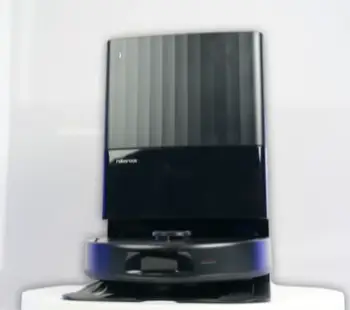
In my mixed-floor home the Roborock models felt like the safer everyday choice.
They rarely got stuck, the app made it easy to send the robot only to the kitchen after dinner, and the brushes stayed cleaner longer even with two dogs.
Carpet deep-cleaning was noticeably strong, and the mop lift kept area rugs dry without me having to intervene.
Dreame units impressed me most on obstacle-heavy days and when thresholds were involved. The lifting legs cleared a raised doorway that stopped several other robots.
Edge mopping left fewer streaks along baseboards, and the longer warranty gave me extra confidence. Pet hair disappeared quickly, though I still checked the brush more often on mid-tier models. Battery life was solid on both brands, but Dreame’s docks often held more dust before needing a bag change.
Noise levels stayed comparable. Both brands are quieter on low or medium settings and get louder only when maximum suction kicks in for carpets.
Dock cycles are the main nighttime consideration; Roborock’s felt slightly less noticeable.
Who Should Choose Roborock?
Choose Roborock if you value a mature app, consistent navigation, and lower daily maintenance. Homes with mostly medium carpets, owners who prefer set-and-forget reliability, and anyone who wants the smoothest software experience will lean this direction. The premium price buys polish and predictability.
Who Should Choose Dreame?
Choose Dreame if you want maximum features per dollar, deal with raised thresholds or heavy pet hair, or prioritize longer warranty coverage.
Cluttered homes, hard-floor dominant spaces that need strong edge mopping, and budget-conscious buyers who still want flagship-level automation will find Dreame more compelling.
Also Read: Is Dreame D9 Max Gen 2 Worth It?
Frequently Asked Questions (FAQ)
Neither wins outright. Roborock edges out for consistency and software; Dreame for value, thresholds, and warranty. Match the brand to your specific floors and priorities.
No. They are separate companies that both started in the Xiaomi ecosystem but operate independently with different ownership and product strategies.
Depending on your needs, certain Dreame flagships, Ecovacs models with strong obstacle avoidance, or other premium brands can outperform Roborock in specific areas like threshold climbing or raw value.
Ratings shift by review site and year. Recent independent tests often place top Dreame and Roborock flagships near the top, with scores varying by carpet, pet hair, or mopping focus.
Final Thoughts
After living with both brands I no longer see a single winner. Roborock feels like the refined daily driver that just works.
Dreame feels like the ambitious challenger that packs more hardware into a lower price and solves real problems like high thresholds and edge cleaning.
Measure your door transitions, note how much pet hair you deal with, and decide whether app polish or longer warranty matters more to you. Either brand will clean far better than the robots from five years ago.
Pick the one whose strengths line up with the messes you actually face, and you will stop thinking about vacuuming almost entirely.
Recent Posts
If you're looking for a comfortable mattress that balances pressure relief, support, and affordability, Cocoon by Sealy deserves your attention. I like its straightforward design, convenient...
Stearns and Foster Vs. Saatva: Which Luxury Mattress Actually Fits Your Sleep?
I spent weeks comparing Stearns and Foster mattresses against Saatva models because I needed a clear answer for my own bedroom upgrade and for readers facing the same choice. My goal here is...