
set out to compare rock wool insulation and fiberglass so you can decide which material fits your walls, attic, or basement based on performance, cost, and real-world conditions.
After examining density, thermal ratings, fire behavior, moisture response, sound control, handling, and long-term value, I found clear trade-offs that matter more than marketing claims.
This article walks through those differences from a practical homeowner and builder perspective so you can match the product to your climate, budget, and priorities.
| Feature | Rock Wool (Stone/Mineral Wool) | Fiberglass |
| R-value per inch | 3.7–4.3 | 2.9–3.8 standard; up to ~4.3 high-density |
| Typical 2×4 wall | R-15 | R-13 to R-15 |
| Fire resistance | Non-combustible; holds form to ~2,150°F | Softens/melts around 1,100–1,200°F |
| Moisture behavior | Hydrophobic; sheds water | Can absorb and hold moisture |
| Density | Higher (roughly 1.7–2.5+ lb/ft³) | Lower (roughly 0.5–1.0 lb/ft³) |
| Sound absorption | Stronger in most assemblies | Good but usually lower |
| Weight | Noticeably heavier | Light |
| Material cost | 25–50%+ higher | Lowest-cost batt option |
| Installation feel | Semi-rigid, friction-fit, holds shape | Flexible, easier around obstacles |
| Facing options | Mostly unfaced | Unfaced, kraft, foil |
Key Differences Between Rock Wool Inter And Fiberglass
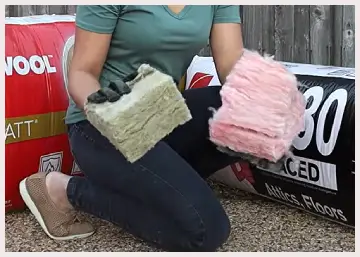
The materials diverge in several practical ways that affect both installation day and decades of service.
- Density and rigidity: Rock wool feels denser and holds its shape, while fiberglass is softer and more compressible. The higher density of rock wool helps it resist settling and improves sound absorption, and the lower density of fiberglass makes it easier to stuff into tight spots.
- Thermal consistency: Both deliver solid R-values, yet rock wool typically edges ahead on a per-inch basis and maintains that rating better if the batt experiences minor compression. High-density fiberglass closes much of the gap in a standard 2×4 or 2×6 cavity.
- Fire performance: Rock wool remains intact and non-combustible at temperatures that cause fiberglass fibers to soften and melt. Neither product replaces a tested fire-rated assembly, but rock wool adds more passive resistance inside the cavity.
- Moisture response: Rock wool sheds water and retains most of its insulating ability after a brief wetting event. Fiberglass can hold moisture between fibers, which temporarily lowers R-value until it dries, and prolonged wetting raises mold risk if organic dust is present.
- Acoustic behavior: In the same wall assembly the difference is often modest, yet denser rock wool usually records higher noise-reduction coefficients and can improve STC ratings by a few points. The gain shows most clearly at higher frequencies.
- Handling and dust: Both materials release fibers that irritate skin and airways. Rock wool tends to produce more dust when cut with a serrated knife, while fiberglass is lighter but can feel itchier for some installers.
- Cost structure: Fiberglass wins on first cost. Rock wool’s premium of roughly 25–50 percent buys the fire, moisture, and durability advantages that matter in higher-risk locations.
These differences are not absolute winners and losers. They are trade-offs you weigh against your specific rooms and climate.
Key Features Include Rock Wool Insulation
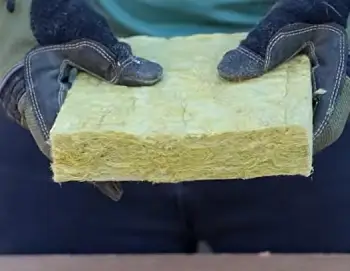
- Higher density: This traps air more consistently and improves both thermal and acoustic performance in the same thickness. The material feels solid when you handle it, and that density helps it hold its shape for years.
- Natural fire resistance: The fibers themselves do not burn and can withstand temperatures far above a typical house fire. This gives the insulation a clear edge in areas near heat sources.
- Hydrophobic surface: Liquid water drains through rather than soaking into the fiber matrix. The batt recovers faster after a brief wetting event, and it maintains most of its R-value once dry.
- Dimensional stability: The batt stays tight against studs and plates without extra fasteners in most wall applications. This consistency protects the designed performance over the life of the building.
- Inorganic composition: It offers no food value to mold or insects and discourages nesting by rodents. The material remains inert under normal conditions, which supports long-term reliability.
These traits make rock wool a strong candidate wherever fire rating, moisture exposure, or noise control sit high on the priority list.
Pros Of Rock Wool Insulation
Rock wool brings several advantages that show up in real houses.
- Superior fire resistance: The material does not burn and can act as a passive barrier that slows heat transfer through a wall or floor assembly. I value this near furnaces, attached garages, and multi-family party walls.
- Moisture tolerance: Because water beads and drains rather than saturates the fibers, the insulation recovers faster after a plumbing leak or rain intrusion. This reduces the chance of long-term R-value loss and mold growth.
- Sound control: Higher density absorbs more airborne sound energy. In shared walls, media rooms, or bedrooms facing busy streets, the improvement is noticeable once drywall is closed up.
- Dimensional stability: Batts stay in place without sagging in vertical cavities or roof slopes. That consistency protects the designed R-value over the life of the building.
- Pest resistance: The abrasive, inorganic fibers discourage mice from chewing and nesting compared with softer materials. The product is not rodent-proof, yet it is less attractive than many alternatives.
- Longevity: With no organic content to degrade and little tendency to settle, rock wool can maintain performance for fifty years or more under normal conditions.
These strengths matter most when the assembly faces elevated risk of fire, moisture, or noise.
Cons Of Rock Wool Insulation
The material is not perfect, and several drawbacks appear during selection and installation.
- Higher purchase price: Expect to pay noticeably more per square foot than standard fiberglass. On a whole-house project the difference adds up quickly and can shift the overall budget.
- Greater weight: Carrying and lifting batts into place is more tiring, especially in attics or on ladders. Installers often work slower and may need extra help on larger jobs.
- Cutting and dust: The dense material requires a sharp serrated knife or insulation saw. Cutting releases more airborne fibers, so a good respirator, gloves, and eye protection become essential.
- Limited facing choices: Most residential rock-wool batts arrive unfaced. If you need a kraft or foil vapor retarder, you must add a separate membrane to meet code or climate needs.
- Availability and sizing: Stock can be thinner in some regions, and certain thicknesses require stacking or careful fitting in non-standard cavities. This can slow the job if the right size is not on hand.
- Temporary irritation: Skin, eye, and respiratory irritation during handling is common. The discomfort is temporary and similar in nature to fiberglass, yet the denser dust can feel more aggressive to some people.
These limitations push many homeowners toward fiberglass when budget and ease of DIY installation dominate the decision.
Key features Of Fiberglass Insulation
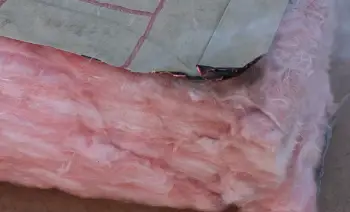
- Low weight: This reduces fatigue during overhead or attic work.
You can carry more material per trip, and the lighter load makes the job less tiring for most people.
- Flexibility: You can compress and expand the material around wiring, plumbing, and irregular framing.
The product fits into tight spots more easily than denser options.
- Competitive R-value: It can match or nearly match rock wool when you choose high-density batts sized for the cavity.
Proper installation keeps the performance close to the published numbers.
- Broad product range: Unfaced, kraft-faced, and foil-faced versions give installers options for vapor control and cavity fill. Rolls and batts cover walls, ceilings, and floors with familiar sizes.
- Lower material cost: This keeps total project budgets more manageable on large areas such as open attics.
The price difference becomes clear when you compare full-house estimates.
Fiberglass performs well in dry, properly detailed assemblies and remains the practical default for many standard exterior walls and attics.
Pros Of Fiberglass Insulation
Fiberglass remains popular for good reasons that show up on the job site and in the budget.
- Lowest material cost: It is the least expensive common batt option, which keeps large attic or whole-house projects affordable. The savings become clear when you compare full estimates side by side.
- Light weight and flexibility: You can move more material per trip and easily fit it around pipes, wires, and outlets without excessive cutting. The product adapts well to irregular framing.
- Wide product selection: Kraft-faced, foil-faced, and unfaced versions, plus rolls and high-density batts, give installers options for vapor control and cavity fill. Familiar sizes cover most standard applications.
- Adequate thermal performance: In a properly filled 2×4 or 2×6 wall the installed R-value meets code in most climates, especially with high-density products. Careful fitting keeps the numbers close to the label.
- Familiar installation: Most contractors and DIY homeowners already know how to handle it, reducing learning-curve time and labor cost. Crews move faster with a product they use every day.
- Recycled content: Modern fiberglass often contains a high percentage of recycled glass, which appeals to those tracking environmental metrics. The material supports green-building goals without special sourcing.
For dry, straightforward assemblies these advantages frequently outweigh the performance edge of denser alternatives.
Cons Of Fiberglass Insulation
Several limitations become clear once the material is in service.
- Moisture sensitivity: Fibers can hold water, reducing R-value while wet and creating conditions that favor mold growth if organic dust is present. Drying can take time in humid climates.
- Lower fire endurance: Although unfaced fiberglass is non-combustible, the fibers soften and lose structure at temperatures well below those that rock wool tolerates. Faced products carry combustible kraft paper that must be covered.
- Settling and compression risk: Over time some batts can sag in vertical cavities or lose loft if compressed during installation, which lowers effective R-value. Gaps around boxes further reduce performance.
- Moderate sound control: Density is lower, so airborne sound absorption is generally weaker than denser mineral-wool products in the same assembly. The difference is most noticeable in shared walls.
- Irritation during handling: Fine glass fibers cause itching and respiratory discomfort for many people. Protective clothing and a dust mask are still required even though the material is lighter.
- Vapor-retarder limitations: Kraft facing is a one-way retarder that can trap moisture in certain climates if the wall cannot dry to the exterior. Extra detailing may be needed in mixed or humid zones.
These drawbacks matter most in damp basements, humid climates, or locations where fire and sound ratings are specified.
Thermal Performance In Everyday Walls And Attics
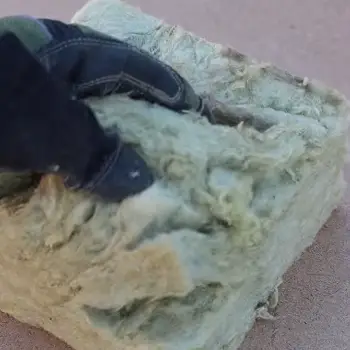
When I compare R-value alone, the gap is real but not always decisive. Rock wool typically delivers R-15 in a 3.5-inch 2×4 cavity while standard fiberglass lands at R-13.
High-density fiberglass reaches R-15 as well. In a 2×6 wall the rock-wool advantage grows to roughly R-23 versus R-19 or R-21.
In open attics the difference shrinks because you can simply add more inches of the cheaper material.
What matters more than the label is how the material behaves after installation. Rock wool resists compression, so the installed R-value stays closer to the published number.
Fiberglass loses performance if it is stuffed too tightly or left with gaps around electrical boxes. In practice a carefully installed high-density fiberglass wall can outperform a poorly fitted rock-wool wall.
The best thermal results come from full cavity fill, tight cuts, and attention to air sealing rather than from the fiber chemistry alone.
Sound Control In Real Rooms
Density helps rock wool absorb more sound energy, especially mid- and high-frequency airborne noise.
Published noise-reduction coefficients are often higher for mineral-wool products, and STC ratings in the same wall can improve by a few points.
The difference is most noticeable in party walls, home theaters, and bedrooms facing traffic. In ordinary exterior walls the acoustic gap is smaller than marketing sometimes suggests.
Both materials improve on an empty cavity, and the finished drywall assembly dominates overall performance.
If sound is a primary goal I choose the denser product and pair it with resilient channels or double drywall for further gains. For ordinary rooms the cost difference may not justify the modest acoustic improvement.
Installation Experience And Labor
On a job site the two materials feel different. Fiberglass is light and forgiving. You can compress it around obstacles and fluff it back to fill the cavity.
Rock wool is denser and cuts cleanly with a serrated knife, but the extra weight slows production and the fibers create more dust. Both require gloves, long sleeves, eye protection, and a respirator rated for fine particles. Skin irritation is temporary for most people once the material is sealed behind drywall.
DIY homeowners often prefer fiberglass simply because it is easier to handle and more familiar. Professional crews that work with rock wool regularly learn to cut and fit it efficiently, and the semi-rigid nature can actually speed friction-fit installation in straight stud bays.
Cost And Long-Term Value
Material cost favors fiberglass by a clear margin. Rock wool commonly runs 25–50 percent higher, and the premium can exceed that in some markets.
Labor rates are similar once crews are experienced with either product. On a large attic the price difference can run into thousands of dollars. On a few interior walls or a basement it may be only a few hundred.
I evaluate value over decades rather than first cost alone. Rock wool’s resistance to settling, moisture, and fire can reduce future remediation expenses.
In a high-risk location the higher upfront cost may pay for itself through durability and peace of mind. In a simple, dry attic the cheaper material often delivers acceptable performance at lower total investment.
Health And Handling Notes
Neither modern rock wool nor fiberglass contains asbestos. Rock-wool fibers are made from rock and slag and are designed to be bio-soluble.
Temporary irritation of skin, eyes, and airways is the main concern during installation for both products.
Proper personal protective equipment eliminates most discomfort. Once the insulation is enclosed, fiber release drops to negligible levels under normal conditions.
I always recommend a fitted respirator, gloves, and protective clothing when working with either material. The irritation is a short-term handling issue, not a chronic health hazard of the finished wall.
Frequently Asked Questions (FAQ)
Higher cost, greater weight, more dust when cutting, limited facing options, and temporary skin or respiratory irritation during installation.
Mice generally avoid it because the dense, abrasive fibers are unpleasant to chew and offer no food value. It is resistant but not completely rodent-proof. Sealing entry points remains essential.
It is not recommended. Direct contact can cause temporary itching or irritation. Wear gloves and long sleeves.
No. Modern rock wool is made from molten rock or slag and does not contain asbestos.
Wrapping Up
I have weighed rock wool and fiberglass across thermal performance, fire resistance, moisture behavior, sound control, cost, and installation realities.
Rock wool earns the edge when fire safety, moisture tolerance, or sound absorption matter most. Fiberglass remains the practical, budget-friendly choice for many standard dry assemblies.
Your climate, the specific rooms you are insulating, and how much you value long-term durability will decide which material serves you better.
Choose the product that matches the risks and priorities of your project, install it carefully, and the insulation will do its job for decades.
Recent Posts
If you're looking for a comfortable mattress that balances pressure relief, support, and affordability, Cocoon by Sealy deserves your attention. I like its straightforward design, convenient...
Stearns and Foster Vs. Saatva: Which Luxury Mattress Actually Fits Your Sleep?
I spent weeks comparing Stearns and Foster mattresses against Saatva models because I needed a clear answer for my own bedroom upgrade and for readers facing the same choice. My goal here is...