
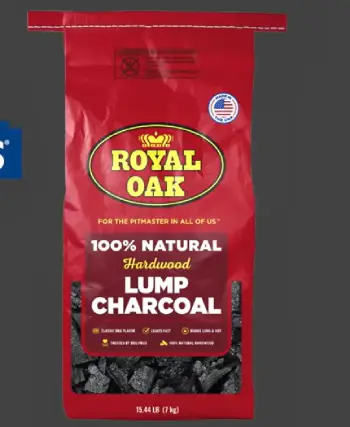
If you want natural hardwood charcoal that delivers strong heat, authentic smoky flavor, and flexibility for different grilling styles, Royal Oak Lump Charcoal deserves your attention.
I recommend considering this product if you enjoy grilling steaks, burgers, chicken, or slow-smoking meat and prefer charcoal over gas.
Its quick ignition, high-temperature potential, and natural wood composition make it an appealing option for backyard barbecue enthusiasts.
My Personal Experience With Royal Oak Lump Charcoal
When I evaluate lump charcoal, I pay attention to more than just how easily it lights.
I want something that burns consistently, produces good heat, adds pleasant flavor, and doesn’t leave behind an unreasonable amount of ash.
Royal Oak Lump Charcoal is an interesting option because it aims to deliver the traditional hardwood grilling experience without making the cooking process unnecessarily complicated.
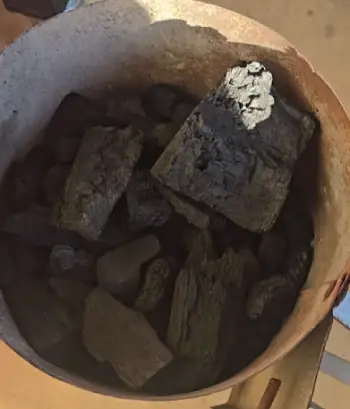
One thing I appreciate about Royal Oak is its natural hardwood composition. Unlike standard charcoal briquettes, lump charcoal consists of pieces of wood that have been carbonized.
This gives the charcoal an irregular appearance, with chunks of different sizes and shapes. When I open a bag, I expect to see a mixture of smaller pieces, medium chunks, and occasionally some larger pieces.
That variation matters because chunk size affects how charcoal burns. Larger pieces generally burn longer, while smaller pieces can catch fire more quickly.
I find this combination useful when preparing a grill for different cooking situations.
Another noticeable advantage is its heating potential. Royal Oak Lump Charcoal can reach high temperatures, making it suitable for searing steaks, grilling burgers, and cooking vegetables.
If you enjoy a properly browned exterior on your food, high-temperature charcoal can make a noticeable difference.
I also like the flexibility of lump charcoal. I can use it in different charcoal grills, including kettle grills, ceramic kamado cookers, and many traditional barbecue setups. However, I always check the grill manufacturer’s recommendations before choosing a fuel type.
Flavor is another important consideration. Royal Oak produces the familiar charcoal-grilled taste that many backyard cooks enjoy. The hardwood character can complement beef, chicken, pork, and vegetables without requiring complicated seasoning.
However, I wouldn’t describe every bag as identical. Natural lump charcoal varies in size, and the amount of small fragments can differ between bags. This means I need to inspect the charcoal before lighting it and adjust my arrangement depending on the meal.
Overall, my impression is that Royal Oak offers a practical balance of heat, convenience, and traditional barbecue flavor. It isn’t necessarily the perfect choice for every cooking style, but it deserves consideration if you want versatile hardwood lump charcoal.
Pros Of Royal Oak Lump Charcoal
- Natural Hardwood Composition
One of the biggest advantages is its hardwood-based composition.
When I choose lump charcoal, I generally prefer products that offer a straightforward wood-based fuel option.
Royal Oak fits that preference because it is made from carbonized hardwood rather than being shaped into traditional briquettes.
This is appealing if you want a more traditional charcoal grilling experience.
The irregular pieces also make it possible to arrange the fuel according to your cooking requirements.
I can position larger chunks together for a longer-burning fire or use smaller pieces to help establish the initial flame.
However, natural charcoal doesn’t mean every piece is identical or completely free from variation. The quality of the wood and carbonization process can influence the finished product.
- High Heat for Searing
Heat production is probably one of the most important reasons to consider Royal Oak Lump Charcoal.
If you enjoy cooking steaks, you understand why temperature matters. A properly heated grill helps create a flavorful exterior while allowing you to control the interior doneness.
Lump charcoal can reach higher temperatures than many conventional briquette setups, depending on the grill and airflow.
I particularly like this characteristic for direct-heat cooking.
For example, when preparing burgers or steaks, I can arrange the charcoal to establish a hotter cooking zone. This gives me more control over searing without needing to heat the entire grill equally.
The same advantage can help when cooking vegetables that benefit from quick, high-temperature grilling.
- Quick Ignition
Nobody wants to spend an unreasonable amount of time getting a barbecue started.
One advantage of lump charcoal is that smaller pieces can catch fire relatively quickly when exposed to sufficient airflow and an appropriate ignition source.
Royal Oak’s mixed-size pieces provide flexibility when building a charcoal bed.
I generally find that arranging smaller pieces near the ignition point can help establish the initial fire. Larger pieces can then support the remaining fuel bed.
A charcoal chimney starter is particularly useful because it allows the charcoal to ignite without relying on lighter fluid.
Still, lighting time depends on weather, charcoal moisture, starter equipment, and the amount of charcoal being used.
- Authentic Smoky Flavor
For me, flavor is one of the biggest reasons to choose charcoal grilling.
Royal Oak provides the familiar grilled character that makes outdoor cooking enjoyable. It can complement the natural taste of beef, chicken, pork, fish, and vegetables.
You don’t necessarily need additional wood chunks to get a recognizable charcoal-grilled flavor.
However, if you want a stronger smoke profile, you can add suitable smoking wood according to your recipe and grill manufacturer’s instructions.
I also appreciate that charcoal flavor doesn’t have to overpower the food. With proper temperature management, you can develop a pleasant grilled exterior while keeping the ingredients’ natural flavors noticeable.
- Lower Ash Production
Ash management is another important factor when comparing lump charcoal with briquettes.
Royal Oak Lump Charcoal generally produces less ash than many conventional briquette products.
This can make cleanup easier, especially if you regularly grill several times a week.
Less ash can also help maintain airflow through the charcoal bed. Good airflow is essential because charcoal needs oxygen to burn efficiently.
However, less ash doesn’t mean no ash. I still recommend cleaning the grill after cooking and checking the ash collection area before starting another session.
- Versatile Cooking Applications
I like products that can handle multiple cooking situations rather than being limited to one specific recipe.
Royal Oak Lump Charcoal is suitable for several outdoor cooking applications.
You can use it for direct grilling, indirect cooking, roasting, and certain smoking techniques.
For example, a hot charcoal arrangement works well for quickly grilling burgers. Meanwhile, a two-zone setup provides a cooler area where thicker pieces of meat can cook more gradually.
If you own a kamado grill, lump charcoal can also be a suitable fuel choice for maintaining cooking temperatures.
This flexibility makes it attractive to people who enjoy experimenting with different barbecue recipes.
Cons Of Royal Oak Lump Charcoal

- Inconsistent Piece Sizes
The biggest drawback of lump charcoal is that the pieces aren’t uniform.
One bag might contain several large chunks, while another could include a noticeable amount of smaller pieces and fragments.
This can affect how the charcoal burns.
Smaller pieces may ignite quickly but can burn through faster. Larger pieces can provide a longer-lasting fuel bed but might take more time to become fully established.
If you prefer consistency, briquettes may be easier to manage.
- Dust and Small Fragments
Another issue is the possibility of finding charcoal dust and broken pieces at the bottom of the bag.
Some smaller fragments are normal with natural lump charcoal, but excessive dust can become frustrating.
I prefer checking the bag carefully before pouring the contents into my grill.
Using a charcoal basket or arranging the larger pieces strategically can help reduce some of the inconvenience.
- Temperature Can Be Difficult to Control
Lump charcoal can produce intense heat, which is excellent for searing but sometimes challenging for beginners.
If you add too much charcoal or allow excessive airflow, the temperature can rise quickly.
This can make low-and-slow cooking more demanding.
I recommend learning how your grill’s vents work before attempting longer smoking sessions.
- Bag-to-Bag Variation
Natural hardwood products can vary.
The amount of large charcoal pieces, smaller fragments, and overall charcoal condition may differ between bags.
This doesn’t automatically mean the product is poor quality. It simply means you shouldn’t expect every bag to perform identically.
- Storage Requires Attention
Charcoal needs to remain dry.
If you leave an opened bag outside in humid or rainy conditions, the charcoal can absorb moisture.
Damp charcoal may become more difficult to ignite and can produce inconsistent burning.
For this reason, proper storage is essential.
Maintenance Tips For Royal Oak Lump Charcoal
- Store Charcoal in a Dry Location
Proper storage is probably the most important maintenance step.
Lump charcoal should remain dry because moisture can interfere with ignition and combustion.
I recommend keeping the original bag in a dry storage area if it can be securely closed.
For longer-term storage, a dedicated charcoal storage container with a secure lid can be more convenient.
A garage, covered storage area, or dry shed can work well.
However, avoid placing charcoal directly on a damp floor or leaving it exposed to rain.
- Keep Different Charcoal Sizes Organized
You don’t necessarily need to separate every charcoal piece, but organizing larger and smaller chunks can make grilling easier.
I prefer using larger pieces for the main fuel bed and smaller pieces to help establish the initial fire.
This arrangement can make it easier to manage ignition and maintain a stable supply of burning charcoal.
- Use a Chimney Starter
A chimney starter is one of the most useful accessories for charcoal grilling.
It helps ignite charcoal without requiring lighter fluid.
Simply place an appropriate amount of charcoal inside the chimney and use a suitable fire starter underneath.
Once the charcoal is sufficiently ignited, carefully transfer it into your grill using heat-resistant gloves and appropriate tools.
I prefer this method because it gives me more control over the initial fire.
Always use a chimney starter outdoors and follow its safety instructions.
- Clean the Ash After Cooking
Ash accumulation can affect airflow and make future grilling sessions less predictable.
After the grill has completely cooled, remove the accumulated ash from the ash catcher or collection area.
Don’t rush this process. Charcoal can retain heat long after visible flames disappear.
I also recommend checking the lower air vents to make sure ash hasn’t blocked them.
A clean airflow system makes temperature management easier.
- Control Airflow Carefully
Airflow is essential for managing lump charcoal.
More oxygen generally encourages stronger combustion, while restricting airflow can reduce the burning rate.
If you’re cooking at high temperatures, you may need greater airflow.
For slower cooking, adjust the vents gradually rather than making large changes all at once.
I find gradual adjustments more predictable because temperature changes don’t always happen immediately.
- Avoid Adding Too Much Charcoal
It’s tempting to fill the grill with charcoal, especially when preparing food for several people.
However, using excessive fuel can make temperature control difficult and waste charcoal.
I recommend starting with an amount appropriate for your grill size and recipe.
You can always add more charcoal when necessary, provided you follow your grill’s operating instructions.
- Inspect Your Grill Regularly
Charcoal maintenance isn’t limited to the fuel itself.
Your grill also needs attention.
Check the cooking grates, charcoal grate, vents, and ash collection system regularly.
Remove grease buildup and food residue because these can contribute to flare-ups and unpleasant odors.
If you use your grill frequently, a regular cleaning schedule can make a noticeable difference.
Comparison Of Royal Oak Lump Charcoal With Other Brands
- Royal Oak vs. Kingsford Charcoal
Royal Oak Lump Charcoal is designed for people who want natural hardwood fuel with irregular pieces and high-temperature potential.
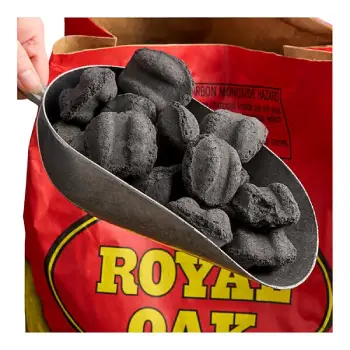
Kingsford Original, on the other hand, is a briquette product. Its uniform shape makes it easier to measure and arrange consistently.
If I’m preparing steaks and want a hot charcoal bed, I would consider Royal Oak.
If I’m cooking several batches of food and prefer predictable fuel sizing, Kingsford briquettes can be more convenient.
Neither option is automatically better. The right choice depends on whether you prioritize natural lump charcoal or consistent briquette performance.
- Royal Oak vs. Cowboy Lump Charcoal
Cowboy Charcoal is another recognizable option for people who prefer natural hardwood charcoal.
Both brands offer lump charcoal, so their general cooking applications are similar.
The differences usually come down to individual bag quality, chunk sizes, availability, and price.
Royal Oak is worth considering if you want an established charcoal option for everyday grilling.
Cowboy may appeal to shoppers who want another hardwood lump option and are interested in comparing bag contents before purchasing.
I wouldn’t automatically declare one superior. I would compare the amount of usable larger pieces, visible dust, and overall value in the bags available locally.
- Royal Oak vs. Jealous Devil Lump Charcoal
Jealous Devil is often positioned toward barbecue enthusiasts who want premium lump charcoal.
One of the main reasons to compare these products is the emphasis on charcoal size and burning performance.
Royal Oak is an appealing everyday grilling option, while Jealous Devil may be attractive to people willing to pay more for a premium charcoal experience.
If I grill occasionally, I would consider whether the extra expense is justified.
For frequent cooking or longer grilling sessions, comparing burn consistency and usable chunk sizes becomes more important.
- Royal Oak vs. Fogo Lump Charcoal
FOGO offers premium lump charcoal products, including selections marketed around larger hardwood pieces.
This can be particularly interesting for people who enjoy kamado grilling and longer cooking sessions.
Royal Oak can make sense when everyday value and general grilling flexibility are the priorities.
FOGO may be worth considering when larger pieces and premium charcoal positioning matter more.
I would compare the actual bag contents and price per pound rather than assuming the more expensive option always delivers better results.
- Royal Oak vs. B&B Charcoal
B&B offers different charcoal products, including hardwood lump charcoal and briquettes.
Its selection makes it interesting for people who enjoy experimenting with different cooking temperatures and barbecue techniques.
Royal Oak is a practical option for everyday grilling, while B&B gives shoppers additional product choices depending on their preferred fuel type.
I would compare the specific products rather than treating either brand as having one consistent performance profile.
Frequently Asked Questions (FAQ)
Royal Oak, Jealous Devil, FOGO, Cowboy, and B&B are popular options. The best brand depends on your budget, preferred chunk size, heat requirements, and cooking style.
Royal Oak Lump Charcoal is a good option for natural hardwood grilling and high-temperature cooking. Kingsford briquettes offer more uniform pieces and predictable sizing. Both have advantages.
Both are worth considering. Royal Oak is a practical everyday option, while Cowboy provides another natural hardwood alternative. Compare chunk sizes, bag quality, and price before choosing.
Royal Oak charcoal is produced by Royal Oak Enterprises, LLC, an American charcoal and grilling fuel manufacturer.
Wrapping Up
Royal Oak Lump Charcoal is worth considering if you want natural hardwood fuel, strong heat, and traditional charcoal flavor.
I would recommend it to backyard grillers, steak enthusiasts, and people who enjoy experimenting with different barbecue techniques.
Although inconsistent chunk sizes and occasional small fragments can be frustrating, its versatility makes it a practical option for many charcoal grilling setups.
Recent Posts
Blood Balance Plus Reviews: Is This Blood Support Supplement Worth Buying?
Blood Balance Plus is marketed as a natural supplement designed to support healthy blood sugar levels, blood pressure, and metabolic wellness.However, after examining its product information,...
Lemme Play Gummies Review: Do They Really Support Women's Intimacy?
Lemme Play Gummies are marketed as daily intimacy supplements designed to support women's libido, arousal, sexual satisfaction, and healthy blood circulation.Although the formula contains...