
If you’re serious about drinking cleaner, better-tasting water without the ongoing cost and waste of bottled water, you need to look at Santevia water filters before you spend another dollar on anything else in the home filtration space.
I’ve tested Santevia through months of daily use, and the difference it makes — not just in taste but in how I feel about the water I’m consuming every single day — is genuinely worth talking about.
Most water filters do one thing: remove contaminants. Santevia goes a step further by remineralizing and alkalizing filtered water, which puts it in a different category from the standard pitcher filters most households default to.
Whether that extra step is worth the price premium is exactly what this review is here to answer for you honestly.
My Experience With Santevia Water Filter
Let me give you the real starting point. I live in an area where tap water tastes noticeably chlorinated and leaves visible residue on my kettle after a few weeks.
I’d been using a basic pitcher filter for years and assumed that was good enough — until I started paying closer attention to what standard filters actually remove versus what they leave behind.
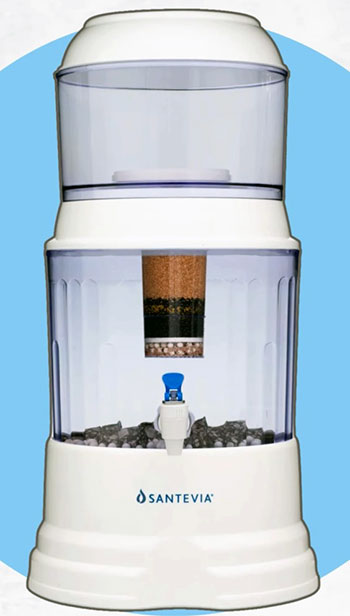
I chose the Santevia Gravity Water System after reading about its multi-stage filtration combined with mineral stones and an alkalizing stage.
The setup process was more involved than dropping a cartridge into a Brita pitcher, but the instructions were clear and I had the system running within about forty minutes on the first day.
The first thing I noticed was the taste. I know that sounds subjective, but the difference was immediate and not subtle.
The water tasted genuinely clean and slightly smoother — the faint chemical edge I’d accepted as normal from my tap was completely gone.
My morning coffee tasted noticeably better within the first week, which was an unexpected bonus that my household appreciated immediately.
I also started tracking how often I reached for bottled water when I was home. Within two weeks of having the Santevia system running, that number dropped to essentially zero.
I trusted what was coming out of the system, and the taste backed up that trust every single time I filled a glass.
The flow rate through the gravity system is slower than a pressurized filter, which required a small adjustment in routine — filling the upper chamber before bed so cold filtered water is ready by morning. Once I built that habit, it stopped being a consideration entirely and just became part of how the kitchen operates.
After three months of daily use for drinking, cooking, and morning beverages, I have no interest in going back to my old setup. The water quality is consistently excellent, the system looks clean and presentable on my counter, and the ongoing maintenance has been less demanding than I initially expected from a multi-stage gravity system.
Read More: My Experience with Filterbaby Shower Filter
Pros Of Santevia Water Filter
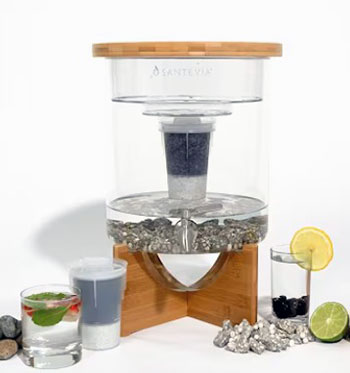
- Multi-Stage Filtration Process: Santevia doesn’t just filter water through a single medium — it runs water through multiple stages including ceramic, carbon, and mineral layers for genuinely thorough contaminant reduction.
- Remineralization Stage Included: Unlike standard filters that strip everything out, Santevia adds beneficial minerals like calcium and magnesium back into the water through mineral stones — supporting better taste and potential health value.
- Alkalizing Effect On Filtered Water: The mineral stage raises the pH of filtered water toward an alkaline range, which many users prefer for taste and which some health-conscious consumers actively seek in their daily hydration routine.
- Significant Improvement In Water Taste: The difference in taste from tap or basic filtered water is noticeable and immediate — smoother, cleaner, and free of the chlorine edge that most municipal tap water carries distinctly.
- No Electricity Or Plumbing Required: The gravity-fed system works entirely without electricity or installation into your plumbing, making it accessible for renters, apartment dwellers, and anyone wanting a no-installation solution.
- Reduces Dependence On Bottled Water: With genuinely good-tasting filtered water consistently available at home, the temptation and perceived need to buy bottled water drops dramatically — saving money and reducing plastic waste meaningfully.
- Countertop Design Fits Most Kitchen Setups: The system sits cleanly on a counter without requiring cabinet modification or under-sink installation, and the design is presentable enough that it doesn’t look out of place in a modern kitchen.
- Long Filter Life Reduces Ongoing Cost: Santevia’s filter stages have longer replacement intervals than many competing pitcher filters, which spreads the cost of replacement components across a longer period of actual use.
- Ceramic Filter Layer Targets Bacteria And Sediment: The ceramic pre-filter stage handles larger contaminants and certain bacteria before water reaches the carbon and mineral stages, providing a more complete filtration sequence than single-stage alternatives.
- BPA-Free Construction Throughout: The entire system is made from BPA-free materials, which matters when you’re investing in a water filter specifically because you care about what’s going into your body daily.
Cons Of Santevia Water Filter
- Slower Flow Rate Than Pressurized Filters: Gravity filtration takes time — you won’t get instant filtered water on demand the way you would from an under-sink or faucet-mounted pressurized system, requiring some advance planning.
- Higher Upfront Cost Than Basic Pitcher Filters: The initial purchase price is noticeably higher than standard pitcher filters like Brita or PUR, which creates a real barrier for budget-conscious buyers evaluating their first filtration purchase.
- Counter Space Requirement Is Significant: The gravity system takes up meaningful counter real estate, which can be a genuine problem in smaller kitchens where available surface space is already limited and contested.
- Multiple Filter Components To Track And Replace: With several stages in the filtration sequence, you’re managing multiple replacement schedules rather than a single cartridge swap — this requires more organizational attention than simpler systems demand.
- Initial Setup Takes More Time Than Basic Filters: Getting the Santevia system fully assembled, rinsed, and running correctly on the first day takes longer than most competing options — expect to invest meaningful time upfront before your first clean glass.
- Alkaline Claims Lack Broad Scientific Consensus: While many users report preferring alkaline water, the specific health benefits of drinking alkaline water are not universally supported by established clinical research — the taste improvement is real, but health claims warrant appropriate skepticism.
Maintenance Tips For Santevia Water Filter
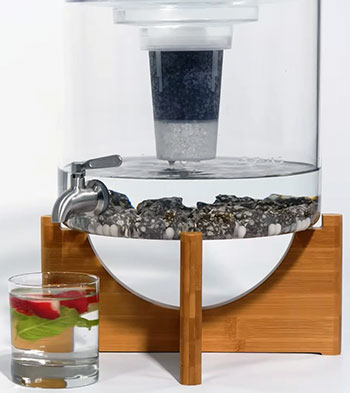
- Clean The Ceramic Filter Every Two To Four Weeks: The ceramic pre-filter accumulates sediment and contaminants on its outer surface — scrubbing it gently under running water at regular intervals restores flow rate and maintains filtration effectiveness throughout its lifespan.
- Replace The Carbon Filter On Schedule: The activated carbon stage has a defined effective lifespan — following the manufacturer’s replacement timeline rather than waiting for obvious taste changes ensures you’re never drinking through an exhausted filter unknowingly.
- Rinse The Mineral Stones Periodically: The mineral stones benefit from a gentle rinse during regular maintenance cycles to remove any surface buildup that could affect their mineral release rate and the resulting water pH consistency.
- Wash Both Chambers Regularly With Mild Soap: The upper and lower chambers should be washed with mild, unscented dish soap and thoroughly rinsed every few weeks to prevent biofilm development and keep the system hygienic between filter replacements.
- Keep The System Away From Direct Sunlight: Placing the Santevia system in direct sunlight encourages algae growth inside the chambers — a shaded counter position or inside a cabinet when not in active use prevents this problem entirely.
- Always Fill From The Top Chamber Only: Adding water directly to the lower chamber bypasses the filtration stages entirely — always filling through the upper chamber ensures every drop passes through the complete multi-stage filtration sequence as designed.
- Check All Seals And Connections Periodically: Over time, the connection points between filter stages and the tap fitting can develop minor looseness — a quick check and gentle tightening during each maintenance session prevents slow drips before they become actual leaks.
- Use Filtered Water Within A Reasonable Timeframe: Filtered water sitting in the lower chamber for extended periods — particularly in warm conditions — can begin to develop off flavors or microbial activity, so aim to cycle through your stored water within two to three days consistently.
- Document Your Filter Replacement Dates: With multiple components on different replacement schedules, keeping a simple written or digital log of when each stage was last replaced eliminates the guesswork that leads to running expired filters longer than intended.
Comparison With Other Brands
Understanding how Santevia stacks up against key alternatives puts the investment decision in proper context. Each competitor serves a slightly different user profile, and knowing those differences helps you choose what’s actually right for your household’s specific needs and priorities.
Santevia Vs. Brita
Brita is the default water filter choice for millions of households, and its dominance in the market is built on genuine strengths — accessible pricing, widespread availability, and simple one-cartridge maintenance.
For basic chlorine taste reduction and sediment removal, Brita performs reliably at a low cost of entry. However, Brita stops at filtration — it doesn’t remineralize, doesn’t alkalize, and doesn’t address the same range of contaminants that Santevia’s multi-stage system handles.
If your goal is simply removing chlorine taste from municipal water on a tight budget, Brita is a reasonable solution.
If you want filtered water that also has beneficial minerals added back and a smoother overall profile, Santevia is operating in a meaningfully different and more comprehensive category.
Santevia Vs. Berkey
Berkey is the premium gravity filter that most serious home water quality enthusiasts eventually consider, and it competes directly with Santevia in the gravity-fed countertop category.
Berkey’s Black Berkey elements are exceptionally well-regarded for their contaminant removal range, including viruses and heavy metals, which puts them in a different performance tier for filtration thoroughness.
Where Santevia distinguishes itself is the remineralization and alkalizing stages — Berkey filters water extremely well but doesn’t add anything back. For users who specifically value the mineral-enriched output, Santevia is the more complete system.
For users who prioritize maximum contaminant removal above all else and are willing to pay a higher price for it, Berkey has a strong argument.
Santevia Vs. ZeroWater
ZeroWater’s claim to fame is its five-stage filtration delivering 000 TDS — total dissolved solids — readings, meaning virtually everything is removed from the water before you drink it.
That sounds impressive until you realize that minerals are dissolved solids too, and completely demineralized water has a flat, sometimes described as hollow, taste that many users find unpleasant for daily drinking.
Santevia’s approach is philosophically opposite — filter the harmful contaminants and restore the beneficial minerals — which produces a much more naturally appealing drinking experience.
ZeroWater serves users who prioritize measurable filtration metrics above all else, while Santevia serves users who want great-tasting, mineral-rich water as the primary outcome.
Also Read: My thoughts on Eskiin Shower Head
Frequently Asked Questions (FAQ)
Yes, the Santevia water system works effectively for its designed purposes — reducing chlorine, certain heavy metals, sediment, and other common tap water contaminants while adding beneficial minerals and raising pH. Real-world user results consistently confirm improved taste and measurable contaminant reduction. The system performs as described when properly maintained and when filter stages are replaced on the recommended schedule rather than left in service past their effective lifespan.
The answer depends entirely on what you’re looking for from a water filter. Brita is simpler, cheaper upfront, and effective for basic chlorine taste removal — it’s the right choice for someone who wants a low-maintenance, low-cost solution. Santevia is more comprehensive, more expensive, and adds remineralization and alkalizing stages that Brita doesn’t offer. For users who care about water quality beyond basic taste improvement and want mineral-enriched output, Santevia is the meaningfully better system.
There is no universally best water filter — the right choice depends on your water quality issues, budget, space, and what you want filtration to achieve. For countertop gravity systems with mineral enrichment, Santevia is among the best available. For maximum contaminant removal, Berkey is highly regarded. For convenience and affordability, Brita remains practical. For under-sink performance, brands like Aquasana and APEC consistently earn strong reviews. Getting your tap water tested first helps you choose a filter actually matched to your specific contamination profile.
Santevia’s ceramic filter stage is capable of capturing particles above a certain micron size, and microplastics vary widely in size — some will be captured by the ceramic layer while smaller microplastic particles may pass through. Santevia does not make specific certified claims about complete microplastic removal. For users specifically concerned about microplastics, looking for filters with NSF certification for microplastic removal or systems using ultrafiltration membranes provides more verified protection than gravity ceramic filters currently offer.
Conclusion
If you want genuinely clean, great-tasting, mineral-enriched water at home without buying bottled water or paying for complex installation, Santevia is absolutely worth picking up today. You can find it directly at santevia.com and through major online retailers with fast shipping. The upfront investment pays for itself quickly in bottled water savings alone, and the daily drinking experience it delivers is a real, noticeable upgrade that your household will appreciate from the very first glass.
Recent Posts
● Interactive 5-Zone Interior & Exterior Paint Blueprint Paint Coverage Calculator: Gallons, Primer, Square Footage & Cost Tap any architectural surface zone on the blueprint...
If you want smooth, shiny hair without spending a fortune on a premium styling tool, the Ella Bella hair dryer may be worth considering.In these Ella Bella hair dryer reviews, I’ll look...