
I have been swapping out my usual breakfast routines for months now, testing out these two premium cereal options that promise to scratch that childhood itch without the sugar crash.
Seven Sundays and Magic Spoon both sit in that high-end healthy cereal space, but they approach it from totally different angles.
My main goal here is to break down exactly how they stack up based on what I have experienced spoon by spoon, so you can decide which one deserves a spot in your pantry.
Whether you are chasing protein punches or cleaner ingredient lists, I have got the details from real taste tests and daily use to guide you.
| Aspect | Seven Sundays | Magic Spoon |
| Protein per serving | 5-8 grams | 13-14 grams |
| Net carbs | 20-25 grams (higher from natural sources) | 4 grams |
| Added sugar | 1 gram (from dates or coconut sugar) | 0 grams |
| Calories per cup | 130-160 | 140-170 |
| Base ingredients | Sunflower protein, cassava flour, dates, seeds | Milk protein blend (whey and casein), allulose |
| Texture | Crunchy clusters that hold up in milk | Light, airy loops with nostalgic snap |
| Price per box | $12-14 for 12-16 oz | $13-15 for similar size |
| Best for | Clean eating, natural sweetness fans | Keto, high-protein seekers |
Key Differences Between The Seven Sundays And Magic Spoon

- Ingredient approach sets them worlds apart: Seven Sundays leans hard into whole-food vibes with stuff like sunflower protein pulled from oil pressing leftovers, cassava flour, and dates for sweetness.
It feels like something you could almost make at home if you had the right pantry.
Magic Spoon goes the protein isolate route with whey and casein from dairy, plus lab-friendly sweeteners like allulose and monk fruit.
I noticed right away that Seven Sundays gives off that minimal-processing energy while Magic Spoon prioritizes macro perfection over that raw ingredient feel.
- Protein delivery tells a different story: Magic Spoon packs a serious wallop with 13-14 grams per bowl, turning breakfast into a muscle-fueling event.
Seven Sundays sits lower at 5-8 grams depending on the flavor, but it makes up for it with natural fiber from seeds and nuts that keeps things moving.
When I tracked my daily intake, Magic Spoon helped hit protein goals faster on busy days, but Seven Sundays felt more balanced for steady energy without the heavy dairy load.
- Carb and sugar handling changes the game: Magic Spoon keeps net carbs at a tight 4 grams, making it a no-brainer for low-carb days or keto plans.
Seven Sundays brings in more carbs from cassava and dates, landing closer to 20-25 grams total, but those come from sources that digest slower and avoid blood sugar spikes for me.
I could eat a bigger bowl of Seven Sundays without feeling the afternoon fog that sometimes hits with higher-carb options.
- Sweetness sources affect the aftertaste: Seven Sundays uses dates and a touch of coconut sugar for that honest, rounded sweetness that reminds me of homemade treats.
Magic Spoon relies on allulose and monk fruit, which nails the nostalgic candy-like pop but left a faint cooling sensation on my tongue in some flavors.
After weeks of switching, I preferred Seven Sundays for everyday eating because it tasted cleaner without any weird finish.
- Texture and milk performance vary: Seven Sundays clusters stay crisp longer even when soaked, giving that satisfying crunch I crave in the last few bites.
Magic Spoon’s airy loops deliver the classic cereal snap right out of the box but soften quicker in milk.
I tested both with almond milk and whole milk, and Seven Sundays held its own better during longer breakfast sittings.
Key Features Of Seven Sundays
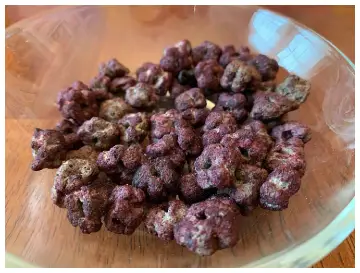
- Sunflower protein base delivers clean fuel: The brand pulls protein from sunflower seeds after oil extraction, creating a nutty, earthy foundation that pairs perfectly with cocoa or berry flavors.
I love how it feels sustainable and less processed than isolate powders.
- Natural sweetness from dates and fruit: No fake stuff here. Dates provide gentle caramel notes, and real fruit powders color and flavor the berry varieties.
It makes every spoonful taste like it came from a farmers market rather than a factory.
- Gluten-free and grain-free options shine: The sunflower line skips grains entirely, which worked great for my gluten-sensitive mornings.
Clusters stay intact and deliver consistent bites without turning to mush.
- Fiber from seeds keeps you full longer: Flax, chia, and sunflower bits add chew and digestive support.
I noticed fewer mid-morning hunger pangs compared to lighter cereals.
- Short, pronounceable ingredient lists: You can read the back and actually know every item. Coconut oil, sea salt, vanilla extract—nothing that requires a science degree to understand.
Pros Of Seven Sundays
- Ingredients feel genuinely wholesome: Every time I poured a bowl, I appreciated the real-food focus. No isolates, no mystery powders—just seeds, flour from roots, and natural sweeteners. It aligned with my goal of eating cleaner without sacrificing taste.
- Holds up beautifully in milk: I could let it sit for five minutes and still get crunch. That reliability made it my go-to on rushed mornings when I needed something that would not disappoint halfway through.
- Lower reliance on artificial sweeteners: Dates and coconut sugar deliver sweetness that feels earned. My body handled it better, with no digestive surprises even after multiple bowls a week.
- Sustainable upcycled protein story: Using sunflower leftovers gave me that extra feel-good factor. It tasted better knowing the brand minimized waste in production.
- Balanced nutrition for everyday eating: Decent fiber plus moderate protein created steady energy. I felt fueled without the heavy dairy bloat that sometimes comes from other options.
Cons Of Seven Sundays
- Lower protein means bigger portions sometimes: To hit the same muscle-building numbers as Magic Spoon, I occasionally needed a second helping. It worked for volume eaters like me but could feel less efficient on calorie-controlled days.
- Higher carb count limits keto use: Those natural carbs from cassava add up if you are strict on macros. I had to plan around it on low-carb weeks, which made Magic Spoon the easier swap.
- Fewer wild flavor experiments: The lineup stays solid but does not go as crazy with birthday cake or cookie dough vibes. If you want wild variety, it feels a bit more straightforward.
- Still carries a premium price tag: At twelve to fourteen bucks a box, it stings the wallet the same as other fancy cereals. I justified it because of the quality but definitely noticed the cost over regular store brands.
Key Features Of Magic Spoon
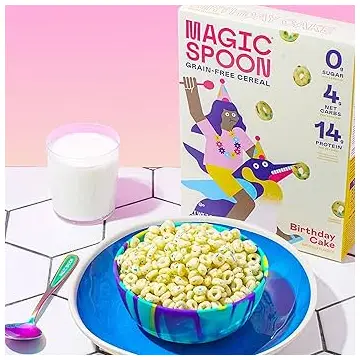
- Massive protein punch from dairy sources: Whey and casein combine for complete proteins that keep me satisfied until lunch.
It turned my usual quick bowl into a legitimate post-workout option.
- Zero sugar with smart sweetener swaps: Allulose mimics real sugar taste without the calories or crash.
I could enjoy cocoa loops that hit like the sugary stuff from my kid days but without the guilt.
- Keto-friendly macros across the board: Four net carbs opens the door for low-carb lifestyles.
I paired it with heavy cream on stricter days and still stayed in ketosis.
- Nostalgic flavor lineup feels fun: Fruity, cinnamon roll, birthday cake—each one delivers that playful cereal experience.
It made mornings less boring during my testing phase.
- Light, crunchy texture mimics classics: The loops float nicely and provide that satisfying crunch factor that traditional cereals are known for, just without the grains.
Pros Of Magic Spoon
- Protein levels change breakfast math Thirteen grams turns a simple bowl into a serious nutrition play. I hit my daily targets easier and stayed full through tough workout mornings.
- True low-carb freedom Four net carbs let me enjoy cereal guilt-free on keto. The macros opened up meal planning in ways regular cereals never could.
- Childhood flavors without the crash Cocoa and fruity varieties nailed the nostalgia. I smiled every time I ate them because they delivered that sweet hit minus the blood sugar rollercoaster.
- Convenient for on-the-go lifestyles The light texture and quick prep fit my busy schedule perfectly. Grab, pour, eat, done—no extra steps.
- High repeat purchase appeal Once I found flavors I loved, I kept coming back. The consistency across batches made it reliable for weekly stocking.
Cons Of Magic Spoon
- Dairy base bothers some stomachs Whey and casein caused mild bloating for me on days I overdid portions. Plant-based folks or lactose-sensitive eaters might need to steer clear.
- Sweetener aftertaste shows up occasionally Allulose gave a slight cooling effect in certain flavors that lingered. It never ruined the bowl but stood out after switching from Seven Sundays.
- Texture softens faster than expected While the initial crunch rocked, it lost structure quicker in milk than I wanted. I learned to eat faster or accept softer bites toward the end.
- Price hits hard for the serving size Those boxes disappear fast when you are pouring generous bowls. At thirteen to fifteen dollars, it adds up quicker than I anticipated for regular use.
- Lower fiber means less staying power for some Without much from seeds or grains, I sometimes needed a side snack later. It excelled at protein but lagged on the full-spectrum fullness I got from Seven Sundays.
How Taste And Texture Played Out In My Kitchen Tests?
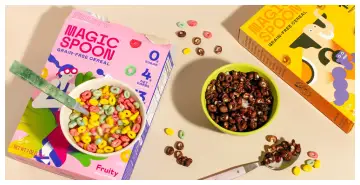
I ran side-by-side taste tests for weeks, alternating bowls and noting every detail.
Seven Sundays cocoa version delivered deep chocolate notes with a subtle nuttiness from the sunflower base that felt rich and satisfying.
The clusters crunched hard at first and stayed firm even after sitting in oat milk for ten minutes. Magic Spoon’s cocoa loops brought brighter, almost candy-like sweetness that screamed childhood Saturday mornings.
The airy texture popped immediately but turned soggy if I lingered over my coffee. Berry flavors followed the same pattern—Seven Sundays tasted like actual fruit pieces while Magic Spoon leaned into artificial-but-delicious fruity punch.
Analytically, Seven Sundays won on authenticity while Magic Spoon dominated on fun factor. I rotated them based on mood: clean days called for Seven Sundays, high-energy training days went to Magic Spoon.
Breaking Down The Nutrition Side By Side
From an analytical lens, both beat standard cereals loaded with refined sugars and empty carbs.
Seven Sundays offers a more complete micronutrient profile thanks to seeds and natural sources—extra magnesium, healthy fats, and fiber that support gut health over time.
Magic Spoon shines in the macro department, making it easier to build meals around specific goals like muscle gain or fat loss. I tracked blood sugar responses informally and saw steadier levels with Seven Sundays due to slower-digesting carbs.
Magic Spoon kept things flat too thanks to zero sugar, but the dairy proteins sometimes felt heavier in my system.
Calorie-wise they land close, yet portion control matters more with Magic Spoon because the protein makes you want to keep eating. Overall, Seven Sundays feels like everyday fuel while Magic Spoon acts as a targeted tool.
Price And Value Considerations That Matter
Both brands sit in that premium bracket, and I get why. Seven Sundays invests in upcycled sunflower protein and minimal processing, which costs more than mass-produced grains.
Magic Spoon pays for high-quality dairy isolates and those specialty sweeteners that mimic sugar perfectly. Per serving, Magic Spoon edges out on value if protein is your top priority—you get more bang for the buck in that department.
Seven Sundays delivers better overall satiety and cleaner eating for roughly the same cash outlay. I stretched both boxes by mixing in fresh berries or nuts, which helped justify the expense.
If budget is tight, neither replaces a basic store brand daily, but for occasional upgrades they both deliver enough satisfaction to feel worth it.
Who Should Pick Seven Sundays Over Magic Spoon?
If you value ingredients you can pronounce and a breakfast that feels closer to whole foods, Seven Sundays fits your style.
People chasing gluten-free without dairy or looking for natural fiber sources will appreciate it more. I reached for it on relaxed weekends or when I wanted something that paired well with yogurt or fruit toppings.
Families who want kids to eat cleaner without noticing the health upgrade also lean this way. The texture and sweetness feel approachable for all ages, and the lack of weird aftertastes keeps everyone happy.
Who Should Grab Magic Spoon Instead?
High-protein seekers, keto followers, or anyone tracking strict macros will love Magic Spoon. It became my post-gym staple because the protein hit hard and fast.
Busy professionals who need a quick, satisfying bowl without prep work benefit hugely. The fun flavors kept my kids interested too when I introduced it as a treat option.
If you miss the exact taste of classic cereals but refuse the sugar, this one scratches that itch better than anything else I have tried.
Also Read: Is Seven Sundays Cereal Worth It?
Frequently Asked Questions (FAQ)
Yes, it stands out for clean, recognizable ingredients and solid nutrition without unnecessary additives. The sunflower protein line offers a fresh take on grain-free cereal that actually tastes great and holds up well.
It qualifies as healthier than most cereals thanks to high protein, zero sugar, and low carbs, but the dairy base and alternative sweeteners might not suit everyone. It works well for targeted diets but lacks the fiber depth of more traditional options.
Ezekiel 4:9 Sprouted Grain, Post Grape-Nuts Original, Nature’s Path Organic Heritage Flakes, Love Grown Power O’s, and Three Wishes varieties top most lists for whole grains, fiber, and minimal processing.
Premium upcycled ingredients like sunflower protein, short supply chains, and small-batch production drive costs higher than mass-market cereals. The quality focus justifies the price for those who prioritize clean eating.
In Wrapping Up
I have laid out everything I learned from real bowls and real mornings with both Seven Sundays and Magic Spoon.
You now have the full picture to make the call that fits your lifestyle and goals.
Give them both a shot if you can—your breakfast routine might just thank you for the upgrade.
What are you waiting for? Grab a box and see which one becomes your new favorite.
Recent Posts
● Interactive 5-Zone Interior & Exterior Paint Blueprint Paint Coverage Calculator: Gallons, Primer, Square Footage & Cost Tap any architectural surface zone on the blueprint...
If you want smooth, shiny hair without spending a fortune on a premium styling tool, the Ella Bella hair dryer may be worth considering.In these Ella Bella hair dryer reviews, I’ll look...