
If you’re shopping for a six-drawer dresser, you want something sturdy, spacious, attractive, and worth your money.
However, after considering the concerns surrounding Shaker 6-drawer dressers and the negative customer feedback associated with some listings, I wouldn’t recommend rushing into a purchase.
I’d prioritize better-reviewed alternatives with dependable construction, smooth drawer operation, and reliable customer support.
In this review, I’ll explain the potential drawbacks, what to look for before buying, and which competing dresser styles may offer better long-term value.
My Personal Experience With The Shaker 6-Drawer Dresser
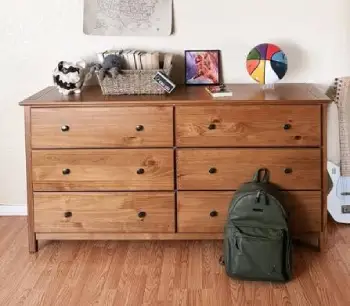
When I evaluate a dresser like the Shaker 6-drawer model, I focus on the things that matter in everyday life.
A dresser isn’t simply a piece of furniture that looks attractive in a bedroom.
It needs to hold clothing securely, open and close smoothly, withstand regular use, and remain stable after months or years of use.
One important consideration is that the Shaker name can describe a furniture style rather than a single manufacturer or product.
Shaker-inspired furniture typically features clean lines, simple rectangular shapes, and understated hardware.
Different retailers may sell dressers with similar descriptions but different materials, dimensions, assembly requirements, and construction quality.
Therefore, I wouldn’t assume that every dresser marketed as a Shaker 6-drawer dresser has the same performance.
The main attraction of a Shaker-style dresser is its timeless appearance. Its straightforward design can complement traditional bedrooms, modern interiors, farmhouse-inspired spaces, and minimalist homes without looking overly decorative.
I appreciate furniture that doesn’t depend on elaborate patterns or fashionable details to look good. A simple dresser can remain visually appealing even when you change your bedding, repaint the walls, or replace other bedroom furniture.
However, attractive styling shouldn’t distract you from practical concerns. When evaluating a particular model, I’d examine the finish, drawer fronts, corners, handles, and visible joints. Uneven gaps, chipped edges, misaligned drawer fronts, or poorly fitted hardware can indicate quality-control problems.
Customer reviews are especially important here. If multiple buyers of the same model report damaged components, missing hardware, unstable construction, or difficulty assembling the unit, I would take those complaints seriously rather than assume the problems are isolated.
Pros Of The Shaker 6-Drawer Dresser
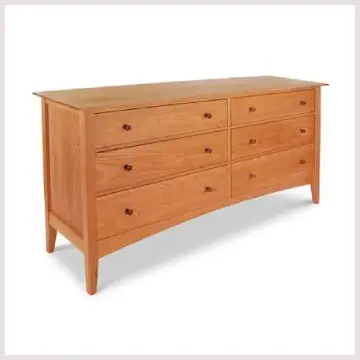
- A Timeless, Versatile Appearance
One of the biggest advantages of Shaker-inspired furniture is its understated appearance.
Straight lines, uncomplicated drawer fronts, and restrained decorative details allow this style to work in many different bedrooms.
I like this approach because furniture is a long-term purchase. You might change your bedroom from a neutral, minimalist space to a warmer, traditional room over the next few years.
A simple dresser can fit either design without requiring you to replace it just to match your new decor.
Depending on the particular model, finishes such as white, natural wood, gray, or dark brown may make coordination easier.
However, I’d always compare the advertised finish with the actual material and construction details before buying.
- Six Drawers Offer Flexible Storage
Six drawers can make organizing everyday clothing considerably easier. Instead of stacking everything in a single large compartment, you can assign a specific purpose to each drawer.
For example, you could use the top drawers for socks, underwear, and accessories, the middle drawers for shirts and sleepwear, and the lower drawers for jeans or sweaters.
This arrangement can save time when getting dressed because you know where everything belongs. It also reduces the temptation to pile clothes on a chair or leave them scattered across the bed.
Still, six drawers aren’t automatically better than four or eight. Their usefulness depends on internal dimensions, drawer depth, and how smoothly they operate. I’d measure the available space and compare actual storage dimensions rather than making a decision based on drawer count alone.
- Potentially Suitable for Different Bedroom Sizes
A six-drawer dresser can provide a useful balance between storage and floor space. It may suit a main bedroom, guest room, or shared bedroom where a smaller chest doesn’t offer enough capacity.
The key is selecting the right configuration. A wide, low dresser can provide a generous surface for everyday essentials, while a taller design may conserve floor space.
Before purchasing, I’d measure the wall where the dresser will stand and account for nearby doors, wardrobes, bedside tables, and walking paths. I’d also consider whether the drawers can open fully without hitting the bed.
- A Practical Surface for Everyday Items
A dresser top can serve several purposes beyond storing clothes. You might use it for a jewelry tray, a small lamp, a mirror, or an organizer for watches and accessories.
I prefer keeping this surface relatively uncluttered. A few useful items make the room feel organized without turning the dresser into a catch-all for receipts, chargers, cosmetics, and miscellaneous belongings.
However, the top’s load capacity matters. I wouldn’t assume that a dresser can safely support a television, a heavy mirror, or other substantial objects without checking the manufacturer’s specifications.
- A Simple Design That’s Easy to Coordinate
Shaker-inspired furniture generally avoids complicated decorative patterns, which makes it easier to coordinate with existing bedroom furniture.
If you already have a plain bed frame, a neutral rug, or wooden bedside tables, this dresser style may fit naturally into the room. You can add personality through handles, bedding, artwork, and lighting rather than relying on an elaborate furniture design.
Even so, these advantages describe the style rather than the quality of a particular product. If the dresser has recurring complaints about damaged parts, unstable construction, or unreliable drawers, attractive styling won’t compensate for those shortcomings.
Cons Of The Shaker 6-Drawer Dresser
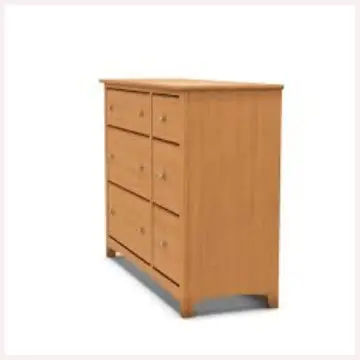
- Negative Customer Feedback Is a Warning Sign
If the exact Shaker 6-drawer dresser you’re considering has consistently poor reviews across retailers, I’d treat that as a reason to look elsewhere.
One unhappy customer doesn’t necessarily indicate a defective product. Shipping damage, assembly mistakes, and isolated manufacturing problems can affect individual purchases.
However, multiple reports describing the same issue deserve attention.
I’d look for repeated complaints involving cracked panels, missing hardware, drawers that won’t close, damaged finishes, or components that don’t align properly.
These problems can turn an affordable purchase into an expensive inconvenience.
I would also read recent reviews rather than relying exclusively on an overall star rating. A product’s quality or customer service may change over time, and older feedback might not reflect the current version.
- Drawer Operation May Disappoint
Drawers need to do more than slide into the frame. They should open predictably, remain aligned, and close without excessive force or unpleasant noise.
Poorly fitted drawer rails can make everyday use frustrating. A drawer that sticks when full may become even harder to operate after you add heavier clothing.
When reviewing customer feedback, I’d pay particular attention to comments about incomplete drawer extension, loose drawer bottoms, uneven gaps, or hardware that repeatedly comes out of alignment.
I wouldn’t accept these issues as inevitable characteristics of budget furniture. Other dressers may provide a more reliable experience at a comparable price.
- Material Quality Can Be Difficult to Judge Online
Product descriptions sometimes emphasize appearance without clearly explaining what lies beneath the finish.
Solid wood, MDF, plywood, and particleboard are not interchangeable materials. Each has different properties, and the quality of the overall product also depends on panel thickness, joinery, fasteners, drawer construction, and hardware.
Engineered wood can be perfectly suitable for a bedroom dresser when properly designed and assembled. However, poorly manufactured panels can be vulnerable to damaged edges, stripped fasteners, or deterioration when exposed to moisture.
I’d want clear material specifications before making a purchase, particularly if I expected to use the dresser daily for several years.
- Assembly Can Be Time-Consuming
Ready-to-assemble furniture often requires patience, sufficient workspace, and careful attention to the instructions.
If the panels aren’t aligned correctly, drawers may not fit as intended. Missing fasteners or unclear instructions can add frustration, especially if customer support is difficult to reach.
This doesn’t mean every six-drawer dresser is difficult to assemble. It means you should investigate the experience reported by buyers of the specific model.
If multiple reviewers describe confusing instructions or missing parts, I’d factor those concerns into my decision rather than assuming assembly will be straightforward.
- Returns and Replacement Parts May Be Inconvenient
A dresser is bulky, heavy, and awkward to package again once assembled. If it arrives damaged or proves defective, returning it can be much more troublesome than returning a small household accessory.
Before buying, I’d check whether the seller offers replacement parts, how damaged deliveries are handled, and whether return shipping costs fall on the customer.
I would also save the order confirmation, assembly instructions, packaging details, and photographs of any damage until I’m satisfied with the product.
My verdict on the drawbacks: If recurring complaints concern structural strength, drawer function, or poor customer service, I would not recommend this dresser simply because its style appeals to you. A reliable alternative is a better use of your money.
Maintenance For A Six-Drawer Dresser
- Clean the Surface With the Right Materials
Dust can gradually accumulate on the top, drawer fronts, handles, and corners. I would use a soft microfiber cloth to remove it regularly.
For ordinary marks, a slightly damp cloth is often sufficient, provided the manufacturer’s cleaning instructions allow it. I’d follow immediately with a dry cloth to avoid leaving moisture on the surface.
Avoid soaking the panels or allowing water to collect around seams and edges. This is particularly important with furniture made from particleboard or MDF, where moisture damage can be difficult to reverse.
I would also avoid abrasive scrubbers and harsh cleaning products unless the manufacturer specifically approves them. Some finishes can become dull, scratched, or discolored when exposed to unsuitable cleaners.
- Prevent Scratches and Surface Damage
A dresser top can easily become scratched if keys, jewelry, metal accessories, or decorative objects are dragged across it.
I’d use small trays or protective mats for frequently handled items. If you keep a lamp or organizer on the surface, felt pads beneath its base can reduce the risk of scratches.
Direct sunlight can also affect certain finishes over time. If possible, avoid placing the dresser where intense sunlight repeatedly falls on the same area.
When moving objects around, lift them rather than sliding them. This simple habit helps preserve the finish and keeps small scratches from accumulating.
- Avoid Overloading the Drawers
Even a spacious drawer has practical limits. Heavy stacks of clothing, books, or other objects can place unnecessary strain on the drawer bottom, rails, and frame.
I’d distribute heavier items across multiple drawers and keep frequently used belongings within easy reach. Bulky sweaters and jeans can go in larger drawers, while lightweight accessories fit comfortably in smaller ones.
Always follow the manufacturer’s stated weight limits. If no limits are provided, don’t assume that a drawer can safely support a substantial load simply because it closes.
Watch for warning signs such as sagging drawer bottoms, unusual noises, or increasing resistance when opening a drawer. If these appear, remove some contents and investigate the cause rather than forcing the mechanism.
- Inspect Drawer Rails and Hardware
Loose handles and fasteners can make a dresser feel less stable. Every so often, I’d check the handles, accessible screws, and drawer alignment.
If a screw loosens, tighten it carefully according to the manufacturer’s guidance. Avoid overtightening, especially in engineered-wood panels, because excessive force can damage the material or strip the fastening point.
If a drawer starts sticking, check whether the dresser is level and whether anything inside is obstructing its movement. Don’t force a drawer that appears jammed.
Damaged rails or cracked panels may require replacement parts. If the dresser is still under warranty, I’d contact the seller before attempting repairs that might affect warranty coverage.
- Protect the Dresser From Moisture
Bedroom furniture generally performs best in a dry, reasonably stable indoor environment.
I’d avoid placing a dresser directly against a damp wall or near a source of persistent moisture. If you spill a drink or leave a wet container on the surface, clean it up promptly.
Humidity can affect wood and some engineered materials, so maintaining reasonable indoor conditions is especially useful in humid climates. Good ventilation and keeping the dresser away from damp areas can reduce the likelihood of swelling or finish damage.
If you notice peeling edges, soft spots, or persistent swelling, don’t simply cover the damaged area with decorative tape. Determine whether moisture has compromised the material.
Comparison Of Shaker 6-Drawer Dresser With Other Brands
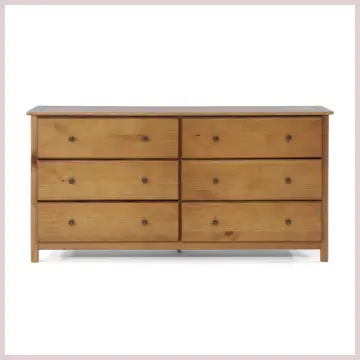
- Shaker 6-Drawer Dresser vs. IKEA HEMNES
The IKEA HEMNES 6-drawer dresser is worth considering if you prefer a traditional appearance and want a model with clearly documented materials.
IKEA describes this dresser as a solid-wood product with a traditional design and a drawer-interlocking mechanism intended to reduce tip-over risk when combined with wall anchoring.
Its published customer rating is not perfect, so I’d still read the recent reviews before buying.
Compared with a Shaker dresser from an uncertain or poorly reviewed listing, HEMNES offers a recognizable product line with published specifications. That makes it easier to investigate its dimensions, assembly requirements, and construction.
However, IKEA furniture often requires assembly, and the HEMNES design may not suit someone seeking a contemporary, minimalist look. I’d also check whether the drawer-interlocking mechanism suits your household.
My preference: I’d investigate HEMNES first if traditional styling and documented construction are priorities, while checking current reviews for any recurring problems.
- Shaker 6-Drawer Dresser vs. IKEA MALM
The IKEA MALM range appeals to people who prefer a clean, modern appearance. Its relatively simple design can work well in contemporary bedrooms, apartments, and rooms where you want furniture to blend into the background.
The construction differs from solid-wood furniture, so I’d review the materials and specifications of the exact model rather than assuming all dressers within a brand have the same durability.
MALM may be a better aesthetic match if you prefer smooth, uncomplicated surfaces over traditional Shaker detailing.
On the other hand, if you’re specifically looking for visible wood grain and a classic furniture style, HEMNES or another well-built wooden dresser may be more suitable.
My preference: I’d consider MALM for a modern bedroom, provided the dimensions, storage arrangement, and safety requirements meet my needs.
- Shaker 6-Drawer Dresser vs. Grain Wood Furniture
Grain Wood Furniture is a particularly relevant alternative if you want the Shaker aesthetic. Its Shaker 6-Drawer Dresser has received favorable customer feedback on a major retailer’s review page, although some buyers have raised concerns about drawer extension, assembly time, and hardware.
That mixed feedback is precisely why I’d evaluate individual complaints instead of relying on a single rating. A dresser can use attractive wood finishes and still have practical weaknesses in its drawer mechanisms.
I’d compare the exact models’ materials, prices, warranty terms, and return policies. If the Grain Wood Furniture model has fewer recurring problems in the areas that matter most to you, it could be worth investigating further.
My preference: I’d consider this alternative if a traditional Shaker look is essential, but I’d pay particular attention to drawer movement and assembly-related complaints.
Also Read: Is Costway Patio Furniture Worth It?
Frequently Asked Questions (FAQ)
A good six-drawer dresser combines sturdy construction, sufficient drawer depth, smooth operation, a durable finish, and reliable safety features. I’d look for clearly specified materials, consistent customer feedback, and a reasonable warranty. IKEA HEMNES and suitable models from Grain Wood Furniture are options worth comparing, but I would assess the exact model before buying.
There isn’t one manufacturer that’s best for every budget and style. Room & Board and West Elm are worth investigating for premium furniture, while IKEA and Grain Wood Furniture offer other options at different price points. I would compare the materials, drawer mechanisms, warranty, and customer reviews of individual models rather than choosing solely by brand name.
The best choice depends on your space, style, and budget. HEMNES is worth considering if you prefer a traditional look and solid-wood components, while MALM may suit a more minimalist room. IKEA’s range includes other configurations as well, so I’d compare current specifications and recent reviews before deciding.
For 2026, I’d start by comparing IKEA HEMNES for traditional styling, IKEA MALM for a modern look, Grain Wood Furniture Shaker models for classic wooden designs, and selected premium models from Room & Board or West Elm. The best choice will depend on your budget, available space, construction preferences, and the quality of recent customer feedback. I wouldn’t rank a dresser as the best without evaluating its specific model and current performance.
Wrapping Up
I wouldn’t recommend the Shaker 6-drawer dresser if the particular listing you’re considering has repeated negative reviews about drawer performance, construction, or customer support.
Its traditional design and six-drawer layout may be appealing, but those features don’t guarantee dependable quality.
I’d compare IKEA HEMNES, IKEA MALM, and Grain Wood Furniture alternatives, paying close attention to materials, assembly, safety, and return policies.
My advice is to choose a well-reviewed dresser with reliable construction rather than risk your money on a model with recurring complaints.
Recent Posts
Decibullz Custom Molded Earplugs Reviews: Is It Worth Buying?
Decibullz Custom Molded Earplugs promise a personalized fit without the expense of professionally made earplugs, but inconsistent user experiences and concerns about comfort, fit, and noise reduction...
If you want an energy drink that delivers a noticeable caffeine boost without sacrificing flavor, Redcon1 Energy Drink is worth considering. I would recommend trying it if you need help...