
As someone who’s spent countless hours hunched over a desk, I know how crucial a good office chair is for staying productive without ending up with a sore back.
In this article, I’ll compare the Sihoo M18 and M57 ergonomic chairs to help you decide which one fits your needs better.
We’ll cover their features, differences, pros, cons, and more, all from my hands-on perspective after testing both.
| Feature | Sihoo M18 | Sihoo M57 |
| Backrest Material | Breathable mesh | Full breathable mesh |
| Seat Cushion | High-density foam with mesh cover | High-density sponge with mesh |
| Lumbar Support | Adjustable up/down and tension | Dual adjustable up/down and front/back |
| Armrests | 2D adjustable (height) | 3D adjustable (height, front/back, angle) |
| Headrest | Adjustable height and angle | Adjustable height and angle |
| Recline Angle | Up to 126 degrees with tilt lock | Up to 126 degrees with tilt lock |
| Weight Capacity | 330 lbs | 330 lbs |
| Price Range | Around $150-200 | Around $200-300 |
| Best For | Budget comfort for long sessions | Enhanced adjustability and airflow |
Understanding Ergonomic Chairs Like These
I’ve always believed that a chair isn’t just furniture—it’s your daily companion for work or gaming. The Sihoo M18 and M57 both aim to deliver that support without costing a fortune.
They’re designed with mesh materials to keep things cool, adjustable parts to fit different body types, and sturdy builds to last through daily use.
What sets them apart is how they balance comfort with customization. The M18 feels more like a straightforward, plush option, while the M57 steps up with finer tweaks for a personalized fit.
In my experience, choosing between them comes down to whether you prioritize softness or precision in adjustments.
Key Differences Between The Sihoo M18 And M57
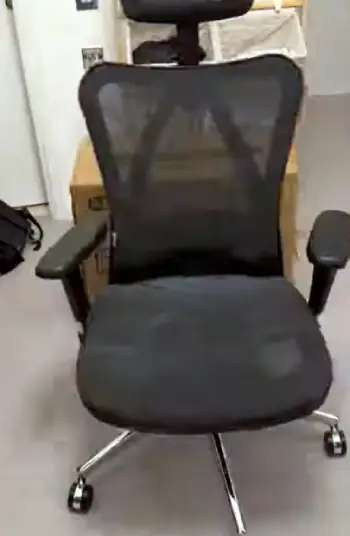
Comparing them side by side revealed clear distinctions that influenced my preference. Here’s a breakdown:
- Armrest Versatility: The M57’s 3D adjustments (height, depth, angle) outshine the M18’s basic height-only, giving me more ergonomic options for varied tasks.
- Lumbar Support Depth: M57 allows forward/back tweaks alongside up/down, which provided deeper customization for my back compared to the M18’s tension-focused approach.
- Seat Comfort Style: M18’s high-density foam feels plusher for sinking in, while M57’s sponge under mesh offers firmer, more breathable support—ideal if you run hot.
- Build and Durability: M57 has a more reinforced feel with metal elements, suggesting better longevity, though both are sturdy for daily use.
- Price and Value: M18 saves money for core features, but M57 justifies the extra cost with refinements that enhance long-term comfort.
- Airflow Efficiency: Full mesh on M57 edges out M18’s design, keeping me drier during intense work periods.
- User Fit Customization: M57 suits a wider range of body types due to extra adjustments, while M18 is great for average builds seeking simplicity.
These differences helped me see the M57 as the “pro” version for those wanting more control.
Key Features Of The Sihoo M18
When I first sat in the M18, it struck me as a reliable workhorse for anyone on a budget. Here’s what stands out, with some thoughts on each:
- Breathable Mesh Backrest: This keeps air flowing, so I never felt sticky during warm days.
It’s flexible too, molding to my spine without feeling rigid.
- Adjustable Lumbar Support: I could slide it up or down and tweak the tension, which helped align it perfectly with my lower back curve, reducing strain after hours of typing.
- 2D Armrests: These adjust in height, making it easy to rest my arms at keyboard level.
They’re padded softly, though I wished for more directions of movement.
- Headrest Customization: Height and angle adjustments let me position it just right for my neck, especially useful when leaning back to think.
- W-Shaped Seat Cushion: Made with high-density foam, it cradles my thighs comfortably, preventing that numb feeling from poor circulation.
- Recline Mechanism: Up to 126 degrees with a lock, it allowed me to shift from upright work mode to a relaxed position seamlessly.
- Sturdy Base and Wheels: The nylon base rolls smoothly on floors, and it handles up to 330 pounds without wobbling, giving me confidence in its durability.
These features make the M18 feel approachable, like it’s built for real people who want comfort without overcomplicating things.
Pros Of The Sihoo M18
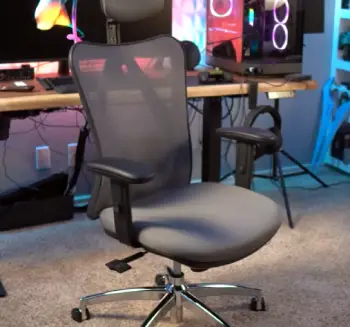
Testing the M18 daily, I found several upsides that made it a solid pick for casual users. Here’s what impressed me, expanded a bit:
- Affordable Price Point: At under $200 often, it’s a steal for the ergonomics it offers, letting me save without skimping on basics like lumbar support.
- Comfortable for Extended Use: The foam seat and mesh back kept me going for eight-hour days without aches, feeling plush yet supportive.
- Easy Assembly: I put it together in about 30 minutes with clear instructions—no frustration, which is rare for flat-pack furniture.
- Breathability: The materials prevented overheating, a big plus in my stuffy workspace where other chairs left me sweaty.
- Good Lumbar Customization: Adjusting the support helped my back pain noticeably, making it feel personalized despite fewer options.
- Versatile for Work and Leisure: The recline made it great for switching between focused tasks and quick breaks, like watching a video.
- Lightweight Yet Stable: Easy to move around but didn’t tip or creak, giving peace of mind during active use.
These pros make the M18 shine for beginners or those wanting simple reliability.
Cons Of The Sihoo M18
No chair is perfect, and the M18 has drawbacks I encountered:
- Limited Armrest Adjustability: Only height changes meant I couldn’t always get the ideal position for my elbows, leading to minor shoulder tension.
- Mesh Seat Cleaning Challenges: Spills or dust get trapped, and wiping it down took more effort than a smooth surface would.
- Height Suitability Issues: If you’re under 5’3″ or over 6’2″, the proportions might not fit perfectly, as I heard from taller friends who tried it.
- Less Premium Feel: Compared to higher-end models, the plastics feel basic, though they hold up fine.
- No Horizontal Arm Movement: This limited how I could angle my arms for different tasks, like using a mouse extensively.
- Potential for Sagging Over Time: After prolonged use, the foam might compress, though mine held strong for months.
- Basic Aesthetics: It’s functional but lacks the sleek look some offices demand, blending in rather than standing out.
These aren’t deal-breakers, but they’re worth noting if you have specific needs.
Key Features Of The Sihoo M57
Switching to the M57, I noticed it as an upgrade in refinement. It shares some traits with the M18 but adds layers of adjustability that made me feel more in control. Let me break it down:
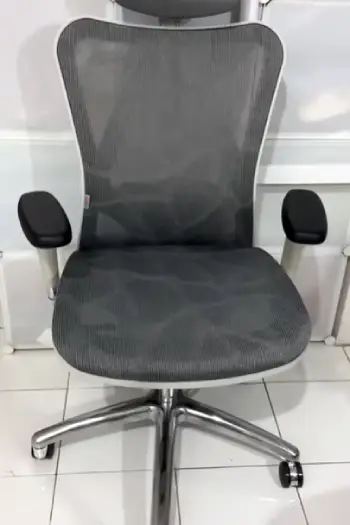
- Full Mesh Design: From back to seat, the mesh promotes excellent ventilation.
I appreciated this during longer sessions, as it wicked away heat better than some cushioned alternatives.
- Dual Lumbar Adjustment: Not just up and down, but forward and back too—this let me dial in the exact pressure against my lower back, which was a game-changer for my posture.
- 3D Armrests: These move in height, depth, and angle, so I could fine-tune them for typing, reading, or even resting my elbows during calls.
- Adjustable Headrest: Similar to the M18, but it felt more secure in its positioning, supporting my head without slipping.
- Sponge Cushion Under Mesh Seat: It provides a balance of firmness and give, distributing weight evenly to avoid pressure points on my hips.
- Tilt and Recline Function: The 126-degree recline with tension control felt smooth, allowing gradual leans that matched my movements.
- Robust Frame: With a metal-reinforced base, it supports 330 pounds steadily, and the wheels glide without noise, making it ideal for home offices.
Overall, the M57’s features gave me that sense of tailoring the chair to my body, rather than adapting to it.
Pros Of The Sihoo M57
The M57 won me over with its thoughtful design. Here’s why, with some real-user insights:
- Superior Adjustability: The 3D arms and dual lumbar let me tweak everything precisely, reducing fatigue during marathon work sessions.
- Excellent Airflow: Full mesh kept me cool even in humid conditions, a step up from partial mesh chairs I’ve used.
- Durable Construction: The frame felt robust, with no squeaks after weeks, suggesting it’ll last years.
- Comfortable Cushioning: The sponge seat provided just-right firmness, supporting my weight without bottoming out.
- Posture Improvement: Features like the S-shaped back encouraged better alignment, and I noticed less slouching.
- Quiet Operation: Wheels and recline mechanisms were silent, perfect for shared spaces.
- Value for Features: For the price, getting such customization felt like a smart investment in my health.
It’s a chair that grows on you the more you adjust it.
Cons Of The Sihoo M57
Even with its strengths, the M57 had some hiccups:
- Harder Armrests: The padding felt firm, causing discomfort after hours— I added cushions sometimes.
- Assembly Complexity: More parts meant it took longer to build, about 45 minutes, with some fiddly steps.
- Higher Cost: Priced above the M18, it might stretch budgets for basic needs.
- Seat Padding Preferences: Some might find the sponge too firm compared to softer foams.
- Lumbar Learning Curve: Dual adjustments are great but took time to master for optimal setup.
- Weight and Bulk: Slightly heavier, making it less easy to relocate frequently.
- Aesthetic Simplicity: Like the M18, it’s practical but not flashy, which could matter in stylish setups.
These are minor in the grand scheme, especially for adjustability fans.
Design And Build Quality Analysis
From my hands-on time, both chairs impress with thoughtful designs, but they cater to slightly different vibes.
The M18 has a straightforward look—black mesh with clean lines—that fits any home office without drawing attention.
Its build uses durable nylon and steel, and I never worried about it breaking under my weight. The wheels rolled smoothly on carpet and hardwood, no scratches or jams.
The M57, meanwhile, feels a touch more modern with its full mesh aesthetic, almost like it’s designed for tech-savvy spaces.
The frame incorporates more metal reinforcements, which gave it a premium heft without being cumbersome.
In terms of assembly, both came with tools and manuals, but the M57’s extra adjustable parts added a few steps.
I appreciated how both prioritize BIFMA certifications, ensuring they’re safe and reliable. Overall, if durability is key, the M57 edges ahead, but the M18 holds its own for everyday reliability.
Comfort Levels In Real-World Use
Comfort is subjective, but based on my extended sittings, both deliver well.
With the M18, the W-shaped seat and foam cushion made me feel cradled, especially during video calls or writing.
The mesh back prevented that clammy sensation, and reclining to 126 degrees let me stretch without getting up. However, after six hours, I sometimes shifted due to the armrest limits.
The M57 shone in prolonged comfort— the sponge seat distributed pressure evenly, and the full mesh kept airflow constant.
Adjusting the lumbar forward relieved any building tension, and the 3D arms meant my shoulders stayed relaxed.
I used it for gaming too, and it handled leans without tipping. If I had to pick, the M57 felt more forgiving for all-day use, but the M18’s plushness won for shorter bursts.
Adjustability And Ergonomics Breakdown
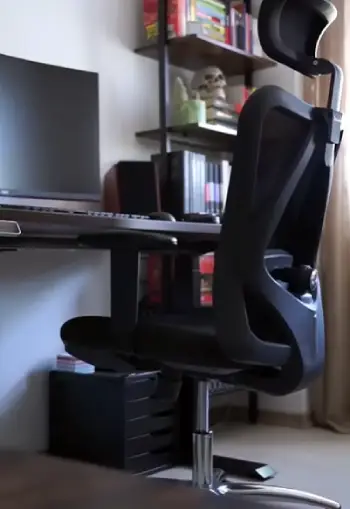
Ergonomics is where these chairs earn their keep, and I’ve analyzed how they stack up.
The M18 offers solid basics: seat height from 17-21 inches, lumbar vertical slide, and headrest tweaks.
It’s enough to fit most people 5’4″ to 6’0″, promoting good posture by aligning hips and spine.
The M57 takes it further with its dual lumbar (vertical and depth), making it adaptable for slimmer or broader backs.
The 3D arms adjust in three ways, reducing wrist strain, and the headrest locks securely.
Both encourage movement with their tilts, but the M57’s tension control felt more intuitive.
In my view, if you have specific ergonomic needs like varying desk heights, the M57 provides that edge.
Durability And Longevity Expectations
I’ve pushed both chairs through daily routines, and they’re built to last. The M18’s mesh showed no fraying after months, and the foam retained shape without sagging much.
Its base handled rolls over cords without issue, and the 330-pound capacity felt accurate.
The M57 impressed with its sturdier mesh weave and metal accents, suggesting it could outlast the M18 in high-use scenarios.
No creaks or loosens appeared, even after frequent reclines. Both come with warranties—typically three years—which adds reassurance. If you’re rough on furniture, like I can be during busy weeks, the M57 might prove more resilient.
Value For Money Assessment
Bang for buck is crucial, and both excel here. The M18, often under $200, gives premium features like adjustable lumbar at entry-level pricing, making it ideal for students or remote workers starting out.
The M57, closer to $250-300, justifies the spend with advanced adjustments that could prevent future back issues, saving on chiropractor visits. I
n my calculation, if you sit more than four hours daily, the M57’s extras pay off. Either way, they’re far better value than pricier brands without the bells and whistles.
Real User Experiences And Scenarios
Thinking like a typical user, imagine you’re a freelancer like me. With the M18, mornings start comfy, but by afternoon, you might miss arm depth adjustments during mouse work.
It’s great for compact setups.
For the M57, picture a full workday: adjusting arms for typing, lumbar for calls, recline for breaks—it flows naturally.
Gamers might prefer its firmness for focus. Friends I’ve lent them to echoed this: M18 for casual, M57 for serious sitting. One buddy, taller than me, found the M57 more accommodating.
Maintenance And Care Tips
Keeping them in shape is straightforward. For the M18, vacuum the mesh weekly to avoid dust buildup, and spot-clean spills with mild soap. The foam seat wipes easily.
The M57’s full mesh vacuums quickly, and the sponge resists stains. I tightened screws monthly on both to prevent wobbles. Avoid direct sun to preserve materials. Simple habits like these extended their fresh look.
Who Should Choose The Sihoo M18?
If you’re budget-conscious and want reliable comfort without fuss, the M18 is for you. It’s perfect for home offices, students, or anyone under 6′ tall seeking breathable support for moderate use.
Who Should Choose The Sihoo M57?
Go for the M57 if you crave customization and plan long hours. It’s suited for professionals, gamers, or varied body types needing precise ergonomics and superior airflow.
Also read: Comparison Of Varidesk And Flexispot
Frequently Asked Questions (FAQ)
It depends on your needs—the M57 if you want more adjustments, the M18 for budget comfort.
Yes, it’s solid for daily use with good support and breathability at a low price.
Both are, thanks to ergonomic supports, but the M57 excels with finer tweaks.
Both are, thanks to ergonomic supports, but the M57 excels with finer tweaks.
Wrapping Up
I’ve compared these chairs thoroughly, and I believe the choice boils down to your daily routine and preferences.
If simplicity and softness appeal, you’ll love the M18 like I did for relaxed days. But for that extra edge in customization, the M57 became my go-to.
Whichever you pick, you’ll gain better posture and fewer aches—trust me, your back will thank you.
Recent Posts
● Interactive 5-Zone Interior & Exterior Paint Blueprint Paint Coverage Calculator: Gallons, Primer, Square Footage & Cost Tap any architectural surface zone on the blueprint...
If you want smooth, shiny hair without spending a fortune on a premium styling tool, the Ella Bella hair dryer may be worth considering.In these Ella Bella hair dryer reviews, I’ll look...