
If you travel often and struggle with neck pain, stiff shoulders, or restless sleep on buses, trains, or flights, the Sondur travel cushion is something you should seriously consider.
I started using it after too many uncomfortable journeys, and it quickly changed how I experience travel.
In this review, I’ll share my real experience, comfort level, pros, maintenance tips, and how it compares with other travel cushion brands so you can decide if it’s worth your money.
My First Experience With The Sondur Travel Cushion
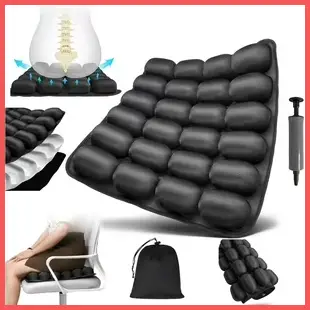
When I first got the Sondur travel cushion, I didn’t expect much. Most travel pillows I had used before either felt too stiff, too soft, or simply useless after an hour.
But the first thing I noticed with this one was the shape—it actually supported my neck instead of just wrapping around it.
On my first trip using it, a long bus ride stretching over several hours, I tested it in different positions: leaning back, slightly tilted, and even while dozing off sideways.
What surprised me was how stable my head stayed. Usually, I wake up mid-trip with neck strain, but this time I didn’t feel that sharp stiffness.
The cushioning felt balanced—not overly firm, not too soft. It adapted to my neck pressure in a way that made it feel like it was custom-shaped for me.
I also noticed that I wasn’t constantly adjusting it, which is something I always did with other cushions.
Another thing I liked was the breathable fabric. In humid weather, many travel cushions make your neck sweaty and uncomfortable, but this one stayed relatively cool even after long use.
That made a big difference during longer resting periods.
During a short nap on a crowded train, I leaned against the window and used the cushion as side support. Even with movement around me, my head stayed in place without that annoying bobbing motion. That alone made the journey feel less exhausting.
Overall, my first experience felt like a shift from “enduring travel” to actually resting during travel. It’s not perfect, but it made long trips noticeably easier on my body.
Comfort And Design Analysis Of Sondur Travel Cushion
The comfort level of the Sondur travel cushion comes mainly from its ergonomic shape. Unlike basic U-shaped pillows, it has more structured neck contouring, which helps reduce head drop.
This is especially useful if you tend to sleep upright.
The material feels like memory foam but slightly more responsive. It doesn’t sink too much, which helps maintain posture. At the same time, it’s soft enough to avoid pressure points behind the neck.
The design also considers portability. It’s lightweight and compact enough to attach to a backpack or fit into a carry-on bag. I found this very helpful because I hate carrying bulky travel accessories.
Another detail I noticed is the stitching and overall build quality. It feels durable enough for frequent use. After multiple trips, I didn’t notice any flattening or loss of shape, which is a common issue with cheaper cushions.
Pros Of Sondur Travel Cushion

- Excellent pressure relief for long sitting hours
One of the strongest advantages I personally felt with the Sondur travel cushion is how effectively it reduces pressure on the tailbone and lower back.
When you sit for long hours on airplanes, buses, or even hard chairs, the pressure usually concentrates directly on the spine and pelvic area. With this cushion, that pressure gets distributed more evenly.
Instead of feeling that sharp “seat pain” after a few hours, I noticed a softer, more balanced sitting experience.
It doesn’t magically remove all discomfort, but it reduces the intensity significantly, especially on long journeys where every minute of comfort matters.
- Noticeably better posture support
Another thing I appreciated is how it subtly improves posture. I didn’t feel like I was slouching as much.
The cushion naturally encourages a more upright sitting position without forcing it.
This matters more than people realize. On long trips, poor posture builds fatigue in your back and shoulders.
With Sondur, my spine felt more aligned, and I didn’t end up constantly adjusting myself to “find comfort” like I used to with regular seats or cheap cushions.
- Adjustable firmness gives personal control
One feature I genuinely liked is the adjustable air pressure system. I could inflate it slightly for a firmer base or reduce air for a softer feel.
This makes a big difference because comfort is personal. Some days I wanted more support, especially on flights, while other times I preferred a softer feel on bus rides.
Being able to adjust it on the spot while sitting is surprisingly useful.
- Lightweight and highly portable design
Travel gear becomes useless if it’s bulky, but this cushion is easy to carry. It folds down small and fits into a compact carry bag.
I could clip it to my backpack without feeling extra weight. For frequent travelers, this is a big plus because you don’t want another heavy item adding stress to your luggage.
- Good breathability and reduced sweating
One issue I’ve always had with foam cushions is heat buildup. After an hour or two, they become warm and uncomfortable.
The Sondur cushion performs better in this area. The airflow design helps reduce sweating and keeps things relatively cool. I noticed less discomfort during long sitting sessions, especially in humid environments.
- Strong durability compared to cheap alternatives
Many travel cushions lose shape over time, but this one holds up better than I expected. After repeated use, I didn’t notice major flattening or air leakage.
It feels like it is built for frequent travel rather than occasional use, which adds long-term value if you travel regularly.
Cons Of Sondur Travel Cushion

- Not a “perfect sleep solution” on all seats
Even though it improves comfort, it doesn’t turn every seat into a bed. If you expect full sleeping comfort like lying in a recliner, you might get disappointed.
It helps reduce pain, but sleeping upright on planes or buses still depends on your posture, seat angle, and personal ability to relax.
- Inflation and deflation can feel slightly awkward
One small inconvenience is the setup process. Inflating it is easy, but adjusting it during travel—especially deflating and packing it back—can feel a bit clumsy at times.
It’s not a deal-breaker, but in tight airplane seats, this can feel a little awkward when you’re trying to manage space.
- Takes a few tries to find ideal comfort level
At first, I didn’t immediately get the perfect setup. I had to experiment with air levels to find what worked best for my body.
Some people might find this slightly annoying because comfort is not “instant”—it needs a bit of adjustment and personal tuning.
- Slight learning curve for best usage position
Although it’s simple, you do need to understand how to place it properly. Wrong positioning can reduce its effectiveness.
Once I figured out the best placement, it worked much better, but initially I did feel like I wasn’t getting full benefit until I adjusted my sitting habit.
- Price feels a bit high for some buyers
Compared to basic cushions, Sondur is definitely more expensive. While the performance justifies it for frequent travelers, occasional users might feel it’s a bit of an investment.
Some users also feel cheaper alternatives provide “good enough” comfort, even if not as refined.
- Inflatable design may not appeal to everyone
Some people simply prefer memory foam because it feels more solid and familiar. The inflatable design, while adjustable and lightweight, may not give that “plush cushion” feel everyone expects.
If you love very soft, sinking comfort, this might feel slightly different from your preference. Maintenance Tips For Sondur Travel Cushion
- Keep it clean after every long trip
After any long journey, especially bus or flight travel, I make it a habit to clean the surface lightly. Even if it doesn’t look dirty, sweat, dust, and tiny particles always settle on it.
I don’t use harsh chemicals or strong detergents. Instead, I use a soft cloth slightly dampened with mild soap water. I gently wipe the surface and then dry it immediately with a clean towel. This keeps the fabric fresh without damaging the outer layer.
If I’ve used it during very hot or humid conditions, I make sure to clean it more carefully because sweat buildup can slowly affect both smell and fabric quality over time.
- Always air it out before storing
One of the simplest but most important habits I follow is letting it breathe after use. I never store it immediately after a long journey.
Instead, I leave it in an open, shaded area for a few hours. This helps remove moisture and prevents any musty smell from forming inside the cushion material.
Even when I’m in a hurry, I at least try to hang it somewhere with good airflow before packing it back into my bag.
- Avoid long-term compression
Even though the Sondur cushion is designed to be portable and foldable, I avoid keeping it tightly compressed for long periods.
If you constantly keep it squeezed inside a tight bag or under heavy luggage, the internal structure may slowly lose its shape and responsiveness.
What I do is store it loosely in its travel pouch or hang it on my backpack instead of stuffing it under other items. This small habit helps maintain its structure much longer.
- Control inflation level properly
Since it is an inflatable design, I’ve learned that proper air control matters a lot for durability.
I avoid over-inflating it because too much pressure can stress the seams. On the other hand, I also avoid under-inflating it during use because it reduces support.
My personal routine is to inflate it just enough so it feels firm but still slightly flexible when pressed. This balance keeps it comfortable and protects the internal material from unnecessary strain.
- Protect it from sharp objects and rough handling
This might sound obvious, but travel environments are unpredictable. Zippers, bag corners, and rough surfaces can sometimes damage inflatable cushions.
I always make sure it’s stored away from sharp objects in my backpack. When I place it in overhead compartments or luggage racks, I keep it inside its pouch or wrap it in soft clothing for extra protection.
This reduces the risk of accidental punctures or scratches.
- Avoid direct sunlight for long periods
Another important tip I follow is keeping it away from strong sunlight for extended time. While short exposure is fine, long hours under heat can weaken the material over time.
When drying it, I always choose a shaded, ventilated place instead of direct sun. This helps maintain elasticity and prevents the surface from becoming brittle.
Comparison Sondur Travel Cushion With Other Travel Cushion Brands

- Sondur vs Memory Foam Generic Travel Cushions
Generic memory foam cushions are everywhere, and I’ve tried quite a few. T
hey usually start off comfortable but lose structure quickly.
Compared to those, Sondur feels more engineered. The support doesn’t collapse after long use, and the neck alignment feels more natural.
With generic cushions, I often end up shifting positions repeatedly. With Sondur, I can actually stay still for longer periods without discomfort building up.
- Sondur vs Trtl Travel Pillow
The Trtl-style support pillow is known for its internal brace design, which holds the neck in place. I found it effective for upright sleeping, but it felt a bit restrictive for me.
Sondur, on the other hand, feels more flexible. Instead of locking your neck into a fixed position, it gently supports it.
If you prefer freedom of movement while still getting support, Sondur feels less rigid and more comfortable over long journeys.
- Sondur vs Cabeau Evolution Neck Pillow
The Cabeau-style cushions are well-known for thick cushioning and strong side support. They are very plush but sometimes feel bulky around the neck.
Compared to that, Sondur feels lighter and more balanced. Cabeau gives a “sink-in” comfort, while Sondur focuses more on posture alignment. Personally, I found Sondur better for longer trips because it doesn’t create heat buildup or heaviness.
- Sondur vs Inflatable Travel Pillows
Inflatable travel pillows are convenient because they pack small, but comfort is usually inconsistent. You often need to adjust air pressure, and they don’t always hold the neck properly.
Sondur is far more stable. There’s no inflation needed, no risk of deflation mid-trip, and the support remains consistent throughout use. It feels more like a real support device rather than a temporary travel accessory.
Overall Performance Perspective
From my personal use, the Sondur travel cushion sits in a balanced position between premium comfort and practical usability.
It doesn’t try to be overly fancy, but it solves the main problem most travelers face—neck discomfort during long sitting hours.
What I appreciate most is how it reduces fatigue without requiring adjustment every few minutes. That consistency makes it feel reliable, especially on long-distance journeys where comfort is unpredictable.
Frequently Asked Questions (FAQ)
It depends on comfort preference, but Sondur is a strong all-round option for balanced support.
Sondur travel cushions are produced by the Sondur brand focused on travel comfort products.
Pricing varies by seller and region, but it is generally in the mid-range travel accessory category.
Yes, good-quality ones like Sondur can reduce neck strain and improve travel comfort significantly.
Wrapping Up
If you want a travel cushion that genuinely supports your neck without feeling bulky or restrictive, the Sondur travel cushion is worth considering.
Based on my experience, it makes long trips more comfortable and less tiring. I would personally recommend it to anyone who travels frequently and wants better rest on the go.
Recent Posts
● Interactive 5-Zone Interior & Exterior Paint Blueprint Paint Coverage Calculator: Gallons, Primer, Square Footage & Cost Tap any architectural surface zone on the blueprint...
If you want smooth, shiny hair without spending a fortune on a premium styling tool, the Ella Bella hair dryer may be worth considering.In these Ella Bella hair dryer reviews, I’ll look...